
The Prime Paradox: Why Amazon Canceled Its Biggest New Hit, Ride or Die
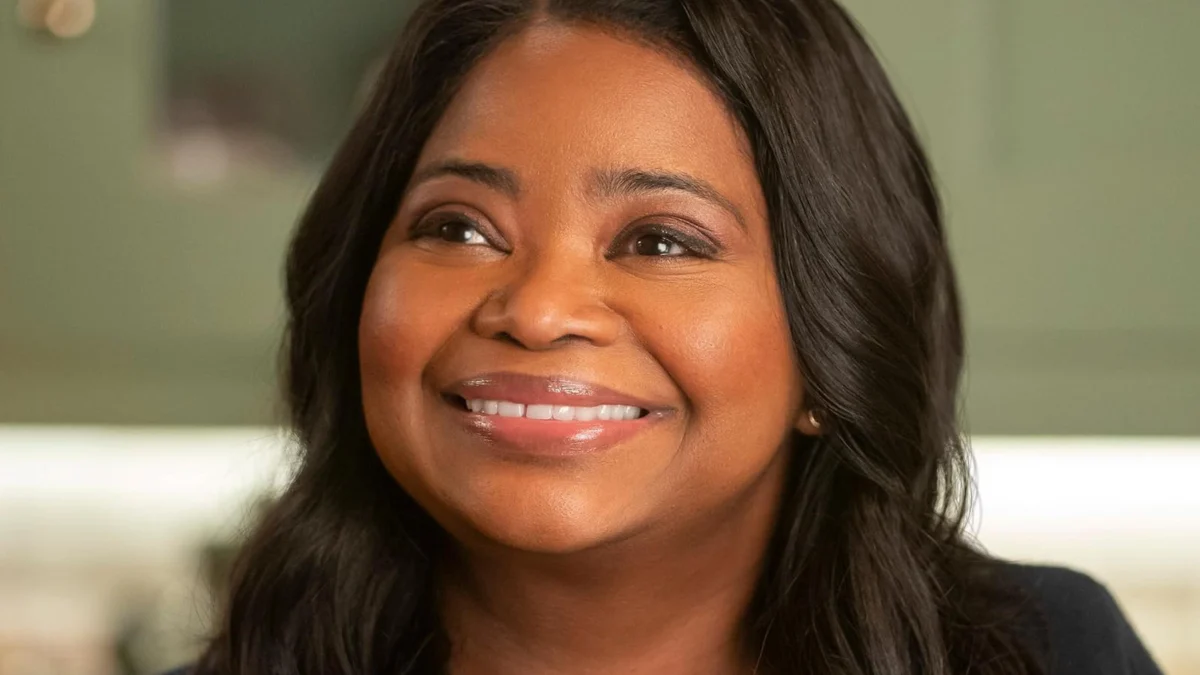
In the volatile landscape of modern streaming, hit shows are supposedly forged in the fires of viewership metrics, critical acclaim, and cultural conversation. By every traditional metric, Prime Video’s action-comedy Ride or Die was a runaway success. Following its July 15, 2026 debut, the series quickly cemented itself as Prime Video’s most-watched new scripted series in the United States over a twelve-month span. It boasted stellar reviews, a powerhouse creative team, and an A-list cast anchored by Oscar winner Octavia Spencer and Emmy winner Hannah Waddingham.
Yet, despite checking every box required for survival in the ruthless attention economy of subscription video-on-demand (SVOD), Ride or Die was unceremoniously canceled after a single season. The abrupt axing has ignited a fierce industry-wide debate over algorithmic decision-making, systemic ageism, and the deeply cynical metrics that dictate which stories get told—and which ones are silenced.
Main Facts: The Rise and Fall of Ride or Die
At its core, Ride or Die was designed as a high-concept, crowd-pleasing buddy action-comedy. Created by Tessa Coates and overseen by showrunner Matt Miller—whose previous credits include Fox’s action-comedy Lethal Weapon—the series starred Spencer as Debbie and Waddingham as Judith. The duo portrayed best friends of roughly 20 years, with a twist: Judith was secretly a highly skilled assassin. When complications arose from her dangerous day job, the pair was forced to go on the run together.
Peyton Reed, director of the Ant-Man trilogy, helmed the first two episodes, establishing a breezy tone that balanced adrenaline-fueled hijinks with an earnest exploration of a middle-aged female friendship. Critics praised the chemistry between the leads, and general audiences turned out in droves.
According to data reported by Deadline, Ride or Die pulled in massive numbers, outperforming nearly all of Prime Video’s other new scripted offerings in the U.S. between July 2025 and July 2026. Despite this undisputed triumph, Amazon MGM Studios opted against granting the series a second season.
Chronology of a Cancellation
To understand the shocking demise of Ride or Die, it is necessary to examine the timeline of its release and subsequent termination:
- July 15, 2025 – July 29, 2026 Tracking Period: During this window, Ride or Die quietly builds its audience base, culminating in its official mid-2026 premiere and solidifying its status as Prime Video’s top-performing new U.S. scripted series.
- Summer 2026: Critics universally praise the series for its clever writing, slick direction, and the undeniable star power of Spencer and Waddingham. Social media buzz remains high.
- Late Summer/Early Autumn 2026: Behind closed doors, renewal negotiations stall. Despite strong performance data, industry insiders begin leaking a darker reality regarding Amazon’s internal subscription algorithms.
- September 2026: Deadline breaks the news that Ride or Die has been officially canceled by Prime Video, sparking immediate backlash from fans, critics, and industry professionals who point to glaring double standards in streaming renewals.
Supporting Data: The Math Behind the Ax
Why would a streamer kill its most-watched new scripted series? The answer lies in the peculiar, often predatory math of modern tech conglomerates. Unlike traditional television, where ratings directly translate to ad revenue or subscriber retention efforts, tech-backed streaming services like Amazon Prime Video view content through the lens of acquisition rather than retention.
According to insider reports cited by Deadline, the cancellation of Ride or Die boiled down to a cold, calculated demographic assessment:
"It sounds cynical, but I hear that that demographic is not very desirable for Amazon executives as a lot of middle-aged women already have Amazon Prime for shopping, so a show targeting them would not bring new subscribers."
In essence, because the core demographic targeted by Ride or Die—middle-aged women—already heavily subscribes to Amazon Prime for its e-commerce benefits (free shipping, Prime Day deals, etc.), executives determined that the show failed to drive new subscriptions. Never mind that the series was already retaining existing customers, driving high engagement, and generating glowing press; if a show cannot prove it is actively hunting down virgin sign-ups, it is deemed a failure under modern corporate metrics.
Official Responses and Industry Precedent
As of publication, neither Amazon MGM Studios nor key executives have issued a defensive PR statement addressing the specific demographic criticisms leveled against the cancellation. However, the silent consensus among Hollywood insiders is that Ride or Die is merely the latest casualty in a systemic pattern of gender-biased attrition.
Industry observers quickly drew parallels to other recent high-profile cancellations of women-led properties. Just prior to this announcement, Peacock canceled the new buddy comedy thriller Ponies. Furthermore, Amazon itself has a controversial history in this arena; a few years prior, the platform faced massive backlash when it canceled the critically acclaimed A League of Their Own series, a decision many critics and fans similarly attributed to systemic bias and corporate indifference toward intersectional, queer, and female-centric narratives.
When combined, these decisions paint a grim portrait of an industry where male-led action properties or broad-appeal four-quadrant series are given endless latitude to find their footing, while women-fronted narratives—particularly those starring women over 40—are held to an impossibly punishing, hyper-scrutinized standard of acquisition ROI.
Implications: What This Means for the Streaming Era
The cancellation of Ride or Die transcends the loss of a single entertaining television show; it serves as a glaring symptom of a broken streaming ecosystem.
1. The Death of Creative Equity
If streaming algorithms penalize a show for appealing to a demographic that is already loyal to the parent company (in this case, Amazon Prime shoppers), it creates a perverse incentive structure. Creators are actively discouraged from making content aimed at mature women, working mothers, or specific demographic niches, leading to a homogenization of television that favors hyper-targeted youth-oriented programming or aggressively safe, male-dominated franchises.
2. The Alienation of Loyal Subscribers
Treating long-standing, reliable customers as an afterthought is a dangerous game. By signaling to middle-aged women that their cultural interests are valued only as far as their ability to recruit other subscribers, Amazon risks alienating a vital pillar of its consumer base.
3. The Rise of the "Shop-and-Stream" Trap
As mega-corporations like Amazon continue to blur the lines between retail giants and prestige entertainment studios, art is increasingly subjugated to corporate cross-promotion. If a television show cannot directly feed the retail beast by converting non-shoppers into Prime members, its creative merits become completely irrelevant.
Conclusion
Ride or Die will be remembered not just as a witty, fast-paced action-comedy that deserved a long run, but as a cautionary tale of the streaming era. While Octavia Spencer, Hannah Waddingham, and the rest of the talented creative team will undoubtedly land on their feet, their success has exposed the ugly underbelly of algorithmic greenlighting. Until tech giants decouple artistic merit from cynical subscriber-acquisition metrics, viewers will continue to watch their favorite shows fall victim to the spreadsheet.
