
Unveiling the Immortal Legacy: How Tod Browning’s 1931 Dracula Defined Cinematic Terror and Shaped the American Film Institute’s Legacy
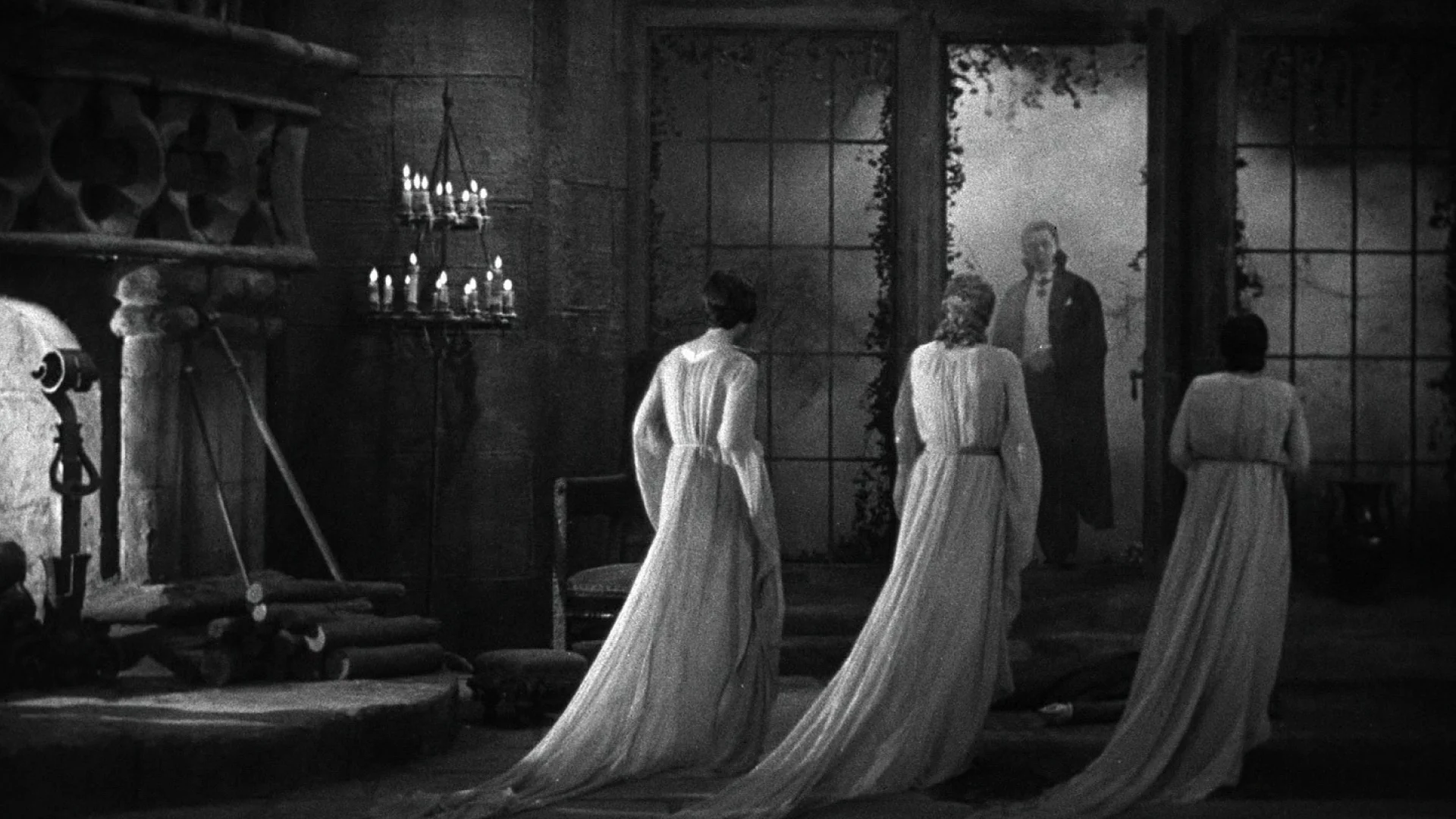
Main Facts: The Eternal Allure of Universal’s Masterpiece
In the annals of cinematic history, few motion pictures have exerted as profound and lasting an influence as Tod Browning’s 1931 masterpiece, Dracula. Based loosely on Bram Stoker’s 1897 epistolary novel and the subsequent theatrical adaptation by Hamilton Deane and John L. Balderston, the film stands as a foundational pillar of the horror genre. At its dark and mesmerizing center is Bela Lugosi, whose immortal portrayal of Count Dracula permanently fused the actor’s identity with the suave, hypnotic, and aristocratic vampire from Transylvania.
Lugosi’s performance was not merely a memorable turn in a genre flick; it was a watershed cultural moment. The American Film Institute (AFI) rightfully enshrined Lugosi’s Count Dracula on its prestigious list of cinema’s greatest villains. Furthermore, the film itself is celebrated across multiple AFI categories, earning recognition among the screen’s most heart-pounding thrillers and cementing its place in popular culture through unforgettable dialogue—most notably, the chilling, poetic declaration: "Listen to them. Children of the night. What music they make!"
Alongside Lugosi stands Dwight Frye, whose harrowing, physically contorted performance as the deranged and devoted servant Renfield set a gold standard for psychological instability and subservience in horror cinema. Directed with an eerie, shadowy minimalism by Tod Browning and captured through the atmospheric lenses of cinematographer Karl Freund, Dracula (1931) laid the groundwork for the Golden Age of Hollywood monster movies, transforming Universal Pictures into the undisputed powerhouse of cinematic dread.
Chronology: From Stoker’s Page to the Silver Screen and Beyond
To understand the cultural magnitude of the 1931 film, one must trace the winding historical path that brought the vampire from Victorian literature to the silver screen:
- 1897: Irish author Bram Stoker publishes Dracula, a novel that weaves together folklore, xenophobic anxieties, and repressed Victorian sexuality into a dark tapestry of epistolary horror. Though moderately successful in its time, it does not achieve immediate blockbuster status during Stoker’s lifetime.
- 1924: Playwright Hamilton Deane adapts Dracula for the stage in the United Kingdom. The play strips away much of the novel’s sprawling international travel and focuses heavily on the chilling atmosphere of English sanitariums and drawing rooms.
- 1927: The stage adaptation successfully crosses the Atlantic to Broadway, opening with a relative unknown named Bela Blasko (soon to be known professionally as Bela Lugosi) stepping into the cape of the charismatic Count. Lugosi’s hypnotic stage presence and heavy Hungarian accent captivate New York audiences.
- 1930: Universal Pictures, under the leadership of Carl Laemmle Jr., purchases the cinematic rights to the stage play, bypassing a formal adaptation of the novel due to financial and copyright constraints (though elements of the book inevitably bleed into the production). Lon Chaney was originally slated to star, but his untimely death paves the way for Universal to cast Lugosi—initially reluctant to take on a talking role for such low pay.
- February 12, 1931: Dracula premieres in New York City to massive commercial success. It proves that sound-era audiences are hungry for macabre entertainment, single-handedly pulling Universal out of potential financial ruin during the early years of the Great Depression.
- 1950s–1970s: The film enters syndication on late-night television, introducing generations of postwar baby boomers to Universal’s classic monsters and solidifying Lugosi’s iconic status in pop culture iconography.
- Late 20th Century to Present: The American Film Institute systematically reviews and ranks American cinema’s finest achievements, cementing Dracula’s legacy by inducting it into multiple canonized lists—ranging from top villains to the most memorable quotes in film history.
Supporting Data: The Critical and Commercial Footprint of Dracula
While modern audiences accustomed to high-octane, computer-generated gore might initially find the 1931 Dracula deliberately paced and theatrical, its statistical and historical footprint tells a story of unmatched cultural impact.
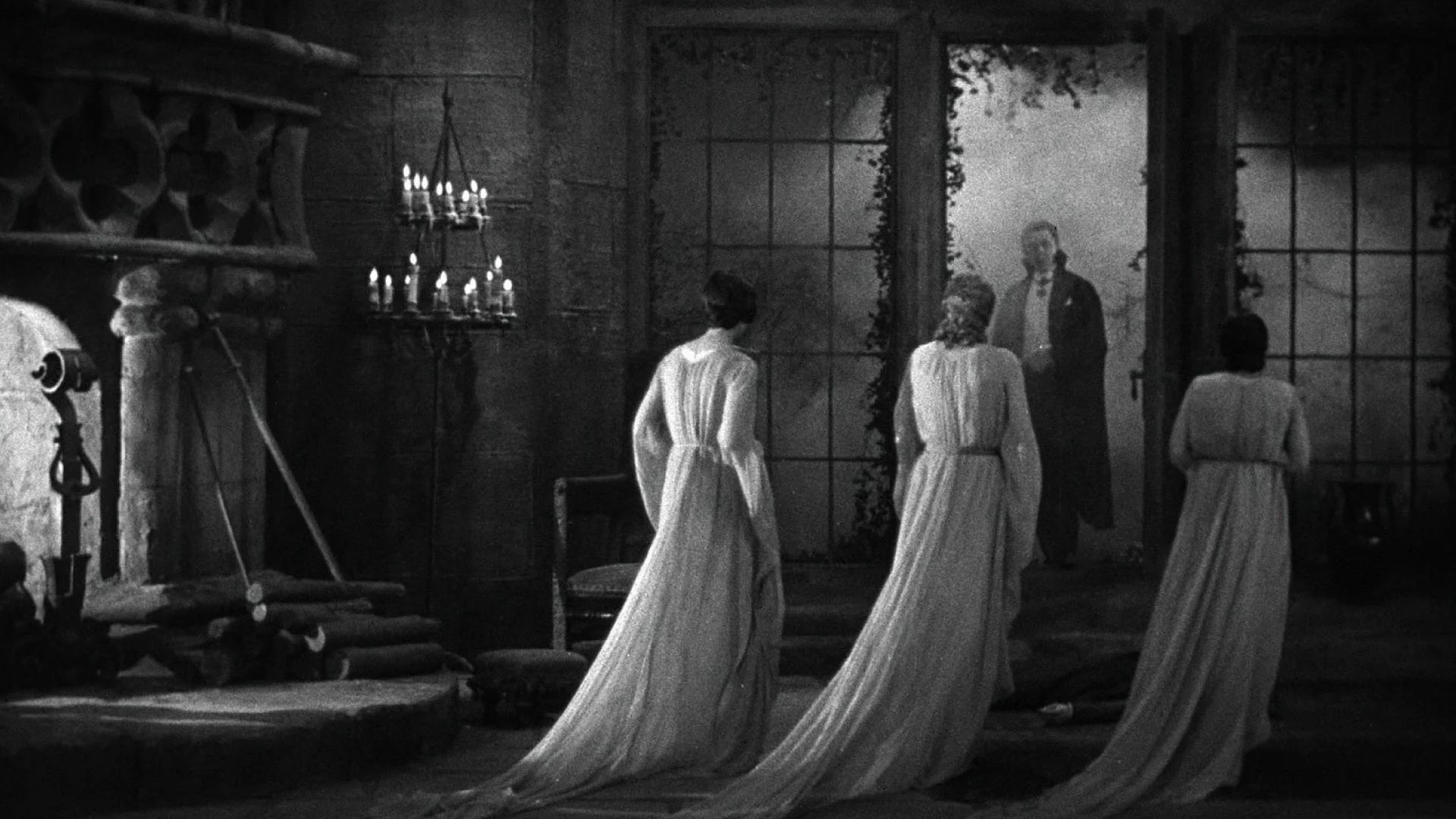
Box Office Triumph During the Great Depression
Released during the bleakest economic collapse in modern American history, Dracula defied industry expectations. Operating on an estimated budget of approximately $350,000—a substantial sum for the era—the film grossed over $900,000 during its initial theatrical run, bringing in an estimated $1.2 million globally. More importantly, it established a reliable formula for Universal Pictures, paving the way for Frankenstein (1931), The Mummy (1932), The Invisible Man (1933), and The Wolf Man (1941).
AFI Recognition Metrics
The American Film Institute’s rigorous peer-and-critic selection processes have repeatedly validated the film’s artistic weight:
- AFI’s 100 Years… 100 Heroes & Villains: Bela Lugosi’s Count Dracula secured a coveted spot among the most terrifying and compelling antagonists in cinematic history.
- AFI’s 100 Years… 100 Thrills: The picture is recognized alongside high-octane modern thrillers for its ability to manufacture sustained dread using purely atmospheric techniques.
- AFI’s 100 Years… 100 Movie Quotes: The haunting refrain—"Listen to them. Children of the night. What music they make!"—is preserved as one of the most recognizable utterances in the English-speaking cinematic lexicon.
Official Responses and Archival Perspectives: Preserving the Horror
The preservation of Dracula has been a collaborative endeavor among film historians, archival institutions, and organizations dedicated to safeguarding the moving image as an art form. The American Film Institute, operating as a 501(c)(3) non-profit organization dedicated to empowering storytellers and inspiring audiences, heavily emphasizes the film’s structural contributions to cinematic grammar.
Archivists at the Library of Congress and the UCLA Film & Television Archive have frequently praised the surviving elements of Karl Freund’s cinematography. Unlike many early sound-era talkies—which suffered from static camera placements dictated by bulky, soundproof camera blimps—Dracula maintains moments of sweeping visual mobility, particularly in the early sequences set within the crumbling, cobweb-laden halls of Castle Dracula.
Furthermore, educational resources such as the AFI Catalog provide scholars, students, and cinephiles with primary documentation regarding the film’s production history, casting disputes, and initial box-office reception. The consensus among official film bodies is clear: Dracula is not merely an entertaining relic of the past, but an essential textbook in visual storytelling, lighting, and psychological tension.

Implications: How the 1931 Masterpiece Shaped Modern Horror and Pop Culture
The cultural repercussions of Tod Browning’s Dracula extend far beyond the parameters of 1930s Hollywood; they established the DNA of modern horror entertainment.
1. The Archetype of the Sophisticated Monster
Before Lugosi stepped onto the screen, vampires in folklore and early cinema (such as Max Schreck’s terrifying, rat-like Count Orlok in F.W. Murnau’s unauthorized 1922 silent masterpiece Nosferatu) were portrayed as grotesque, plague-carrying monsters. Lugosi fundamentally subverted and redefined this archetype. By infusing the Count with aristocratic charm, European sophistication, hypnotic eye contact, and an impeccably tailored evening suit, he created the template for the romantic, seductive vampire that persists today in modern franchises like Interview with the Vampire, True Blood, and Twilight.
2. The Birth of the Cinematic Universe
Universal Pictures’ handling of Dracula and its subsequent monster catalog effectively invented the concept of the cinematic universe long before comic book conglomerates dominated the box office. The financial success of Dracula emboldened studio executives to cross-pollinate their monsters in later decades, creating crossover events like Frankenstein Meets the Wolf Man and House of Dracula.
3. The Ongoing Quest for Preservation
As cinematic technology shifts decisively toward digital streaming and restoration, films like Dracula serve as critical reminders of the fragility of early film stock. Organizations continue to advocate for public donations and institutional funding to ensure that nitrate prints and early safety negatives are digitally preserved for future generations of film lovers.
Through platforms like the AFI Catalog and ongoing educational initiatives, Dracula remains an eternal benchmark—reminding modern audiences that true terror does not require endless bloodshed, but rather deep shadows, evocative sound design, and an immortal villain whose gaze can mesmerize a nation.
