
Before the Bionic Eye: Unearthing Lee Majors’ Credited Film Debut in the Overlooked 1968 Western ‘Will Penny’
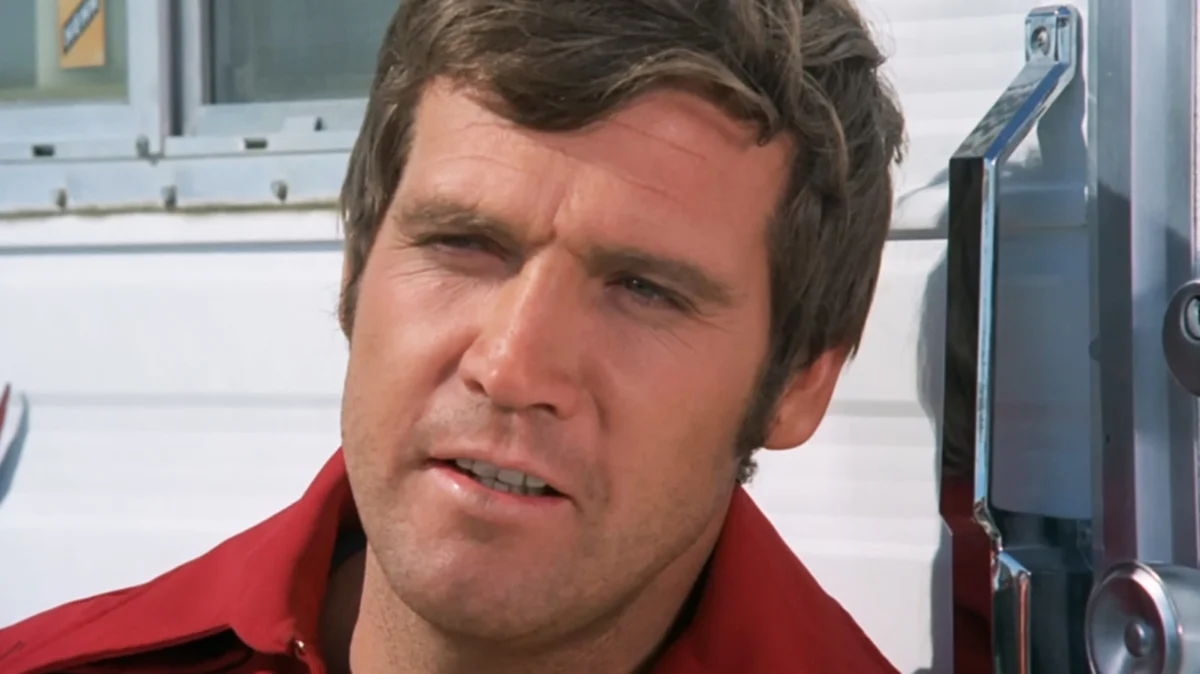
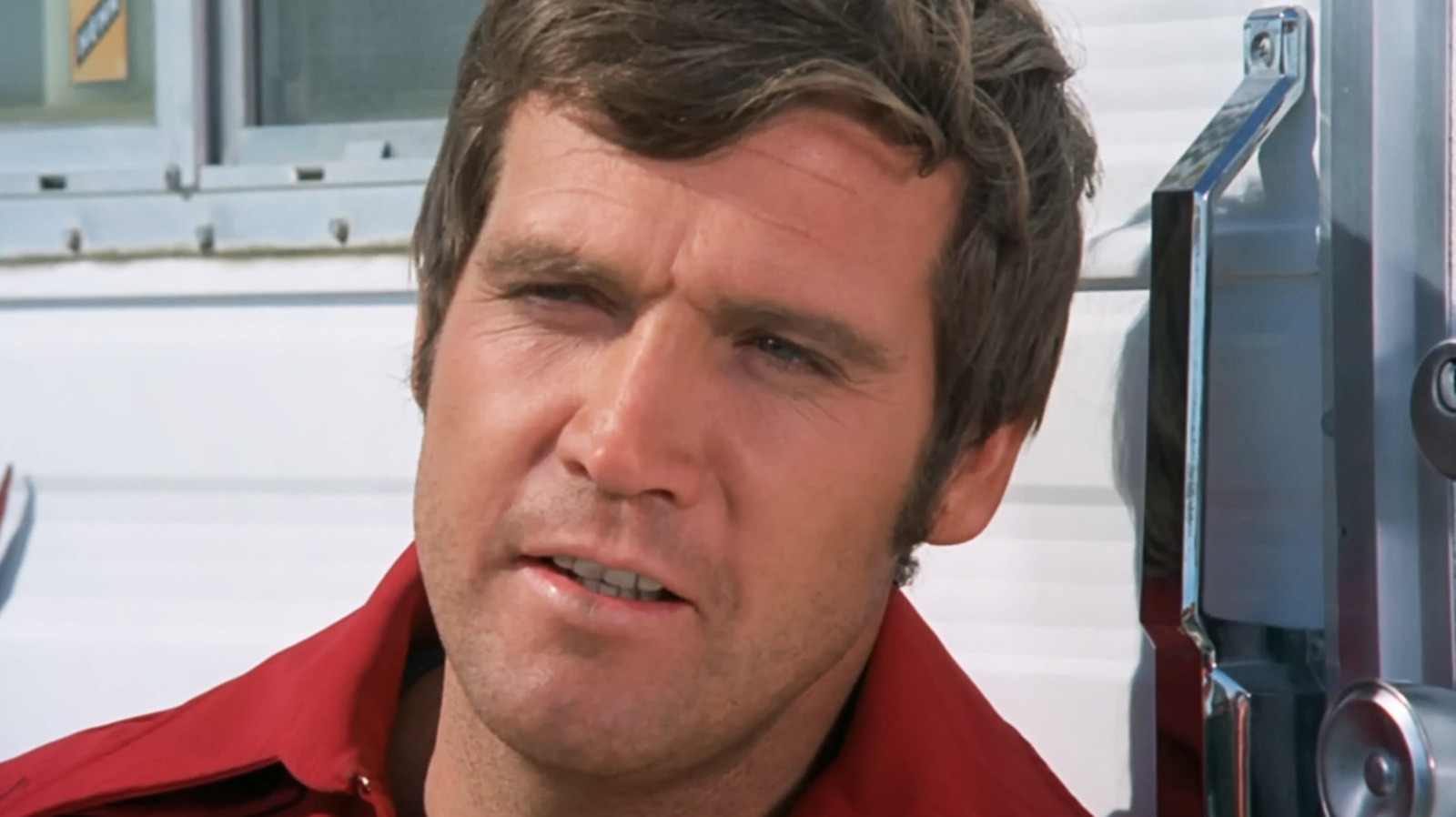
Long before he captured the cultural zeitgeist as the bionic hero Steve Austin in The Six Million Dollar Man or traded witty banter as stuntman Colt Seavers in The Fall Guy, Lee Majors was busy establishing his television bona fides. For millions of viewers in the mid-1960s, he burst onto the scene as the brooding, hot-headed Heath Barkley in the beloved ABC Western series The Big Valley. Yet, while that iconic role cemented his status as a primetime television staple, Majors’ journey to the silver screen was far more circuitous.
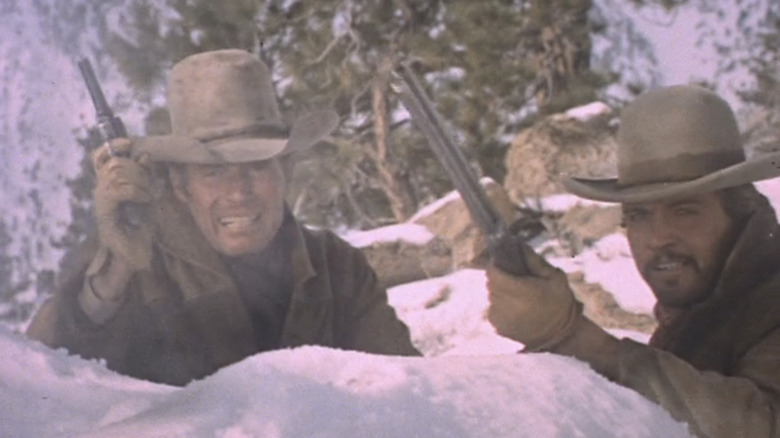
While film historians and genre enthusiasts often overlook it, 1968’s gritty, revisionist Western Will Penny holds a unique distinction in the actor’s filmography: it features Lee Majors in his very first officially credited movie role. Standing shoulder-to-shoulder with titans of the industry like Charlton Heston, Donald Pleasence, and Bruce Dern, a young Majors delivered a supporting performance as a trail hand named Blue—a pivotal stepping stone that finally earned him a rightful spot on a theatrical movie poster.
Main Facts: The Intersection of Television Stardom and Cinematic Anonymity
The trajectory of Lee Majors’ early career presents a fascinating study in Hollywood transitions. Before landing the role of Blue in Tom Gries’ Will Penny, Majors had already tasted the cinematic waters, albeit under less-than-ideal credit circumstances.
- The Uncredited Horror Debut: Majors’ very first film appearance occurred in William Castle’s 1964 psychological horror film Strait-Jacket. Working alongside Hollywood royalty Joan Crawford, the young aspiring actor made a memorably brutal splash when Crawford’s character famously lopped off his head. Despite the high-profile nature of the scene and the legendary pedigree of director William Castle—famous for theatrical gimmicks like wiring theater seats with mild electric buzzers for Tingler—Majors’ name was left completely off the credits.
- The Television Groundwork: Following his uncredited horror stint, Majors pivoted toward television, securing a coveted guest spot on the quintessential Western series Gunsmoke, followed by an appearance on The Alfred Hitchcock Hour and a role alongside Elvis Presley in the 1967 musical comedy Clambake.
- The Breakthrough Credit: It was not until 1968’s Will Penny that Majors finally broke his cinematic curse, securing his debut credited movie role. Playing a cowboy named Blue, Majors shared screen space with an ensemble of seasoned actors, setting the stage for his subsequent explosion into television superstardom.
Chronology of an Emerging Career: From Wyandotte to the Silver Screen
To fully understand how Lee Majors arrived at Will Penny, one must trace a timeline defined by rapid ascension in television and hard-earned cinematic dues.
1939–1964: Early Life and the Move to Los Angeles
Born Harvey Lee Yeary in Wyandotte, Michigan, Majors later moved to Kentucky where he excelled as an athlete in football and track. After playing college football at Eastern Kentucky State College, he relocated to Los Angeles with aspirations of breaking into professional athletics or acting. Handsome, athletic, and possessing a commanding physical presence, he soon found himself drawn to the craft of acting, studying under legendary coaches at the Estelle Harman Actors Workshop.
1964: The Strait-Jacket Baptism by Fire
Majors’ initiation into feature films was as jarring as it was unglamorous. Cast as an extra or minor player in William Castle’s Strait-Jacket, he experienced firsthand the eccentric genius of a director who treated film promotion as an immersive carnival. Though his time on screen ended abruptly via Joan Crawford’s axe, the exposure proved invaluable. Sadly, industry protocols and union rules at the time left his name omitted from the final print.
1965–1967: Television Traction and the Western Circuit
Recognizing that television offered a more reliable pipeline for rising talent, Majors concentrated his efforts on the small screen. His breakthrough came in 1965 when he was cast as Heath Barkley in The Big Valley, a role that ran for four seasons through 1969. During this period, television Westerns were a dominant cultural force, and Majors fit the rugged aesthetic effortlessly. Concurrently, he sought out cinematic opportunities, landing roles in minor features like Clambake alongside Elvis Presley—though once again, his name was kept off the official film credits.
1968: Will Penny and the Validation of Credit
By 1968, Majors was already a familiar face in American living rooms courtesy of The Big Valley. However, Will Penny provided him with the legitimate cinematic validation he had chased since arriving in Hollywood. As "Blue," one of Charlton Heston’s fellow trail hands, Majors was woven directly into the narrative fabric of a film that was carving out its own distinct space within the burgeoning revisionist Western genre.
Supporting Data: 1968 and the Crowded Western Landscape
To evaluate the legacy of Will Penny—and why Majors’ official movie debut slipped beneath the cultural radar—one must examine the hyper-competitive theatrical ecosystem of 1968.
The late 1960s represented a golden renaissance for the Western genre, but it was also a period of radical deconstruction. Traditional, sanitized tropes of cowboys and Indians were rapidly being replaced by morally complex, gritty, and psychologically dark narratives.
- The Italian Wave: In 1968, Sergio Leone redefined global cinema with his sprawling epic Once Upon a Time in the West, while fellow Italian auteur Sergio Corbucci delivered The Great Silence, widely celebrated as one of the bleakest and most brilliant winter Westerns ever produced.
- The Rise of Eastwood: Domestically, Clint Eastwood solidified his transition from television star to American cinematic icon by headlining Hang ‘Em High, proving he could anchor a major Hollywood Western without the direct backing of Leone.
- Box Office Metrics: Amidst this heavyweight onslaught of stylish Italian imports and gritty American anti-hero tales, Tom Gries’ Will Penny—distributed by Paramount Pictures—faced an uphill battle at the box office. Though critically respected, it lacked the sweeping marketing muscle or explosive controversy of its contemporaries, resulting in a modest commercial run that belied its artistic quality.
Official Responses and Creative Genesis
The creation of Will Penny is unique in Hollywood history because of its unusual pedigree: it was adapted by writer-director Tom Gries from his own television script.
Gries had previously written an acclaimed episode titled "Line Camp" for Sam Peckinpah’s pioneering, short-lived NBC television series The Westerner (1960). Peckinpah, a titan of revisionist Westerns, had instilled in the series an uncompromisingly adult ethos—a stark contrast to the simplistic "white-hat versus black-hat" morality that dominated the golden age of television Westerns.
When Gries expanded "Line Camp" into the feature-length screenplay for Will Penny, he retained that foundational realism. The story follows an aging, lonely cowboy named Will Penny (Charlton Heston) who takes on a solitary winter assignment guarding remote range boundaries, only to cross paths with a desperate mother and son (played by Joan Hackett and Jon Gries) and a vicious clan of mountain outlaws led by the chillingly unhinged Preacher Quint (Donald Pleasence) and his son Rafe (Bruce Dern).
Charlton Heston, an actor known for legendary roles in historical epics like Ben-Hur and The Ten Commandments, frequently cited Will Penny as his personal favorite among all the films he ever made. In retrospective interviews and archival footage, Heston praised the grounded, unglamorous depiction of frontier life, expressing deep pride in the project’s artistic integrity over commercial spectacle.
For Lee Majors, participating in such a meticulously crafted project offered an invaluable masterclass in acting. Sharing scenes with seasoned heavyweights like Pleasence and Dern—actors renowned for their intense, character-driven performances—allowed the young television star to test his mettle within a darker, more naturalistic cinematic framework.
Implications: Re-evaluating a Forgotten Gem and Majors’ Legacy
The rediscovery and appreciation of Will Penny carry significant implications for how we view both the evolution of the Western genre and the career trajectory of Lee Majors.
1. Re-centering the Revisionist Movement
While films like The Wild Bunch and Once Upon a Time in the West often dominate discussions regarding the late-1960s deconstruction of the American Western, Will Penny deserves a more prominent seat at the table. Its portrayal of aging, weary men struggling against the obsolescence of the frontier anticipated the elegiac tone that would define 1970s American cinema.
2. Expanding the Narrative of Majors’ Career
For decades, popular culture has neatly compartmentalized Lee Majors as a creature of television—a mid-century icon whose domain was strictly network primetime. Revisiting Will Penny disrupts this reductive narrative. It demonstrates that early in his career, Majors actively sought out gritty, ensemble-driven cinematic projects, working alongside some of the most demanding directors and intense character actors of his era.
3. A Cult Classic Worth Seeking Out
Today, Will Penny occupies the status of a cherished cult classic among purists of the genre. For fans of Lee Majors who only know him through the glowing red optics of The Six Million Dollar Man or the stunt-driving heroics of The Fall Guy, tracing his roots back to the dusty plains of this 1968 Paramount release offers a fascinating glimpse into an actor honing his craft. It proves that before he was an augmented bionic legend, Lee Majors earned his cinematic stripes the hard way: standing tall in the dirt alongside the best in the business.
