
From the Printed Page to the Silver Screen: The Literary DNA of 80s Action Cinema
In the contemporary landscape of Hollywood, intellectual property is king. Between the exhaustive reach of the Marvel Cinematic Universe, the endless expansion of video game adaptations, and the "BookTok" phenomenon driving the next wave of YA blockbusters, the source material has become just as important as the star power. Yet, this trend is far from a modern invention. The 1980s—the decade that defined the "machismo" action hero—was quietly fueled by a robust literary engine. While audiences flocked to theaters to see Sylvester Stallone, Bruce Willis, and Arnold Schwarzenegger decimate armies, few realized that these iconic performances were rooted in prose.
Far from being mindless explosions, many of the era’s most definitive action films were carefully distilled from novels. Some were faithful character studies, while others were radical re-imaginings that stripped away the nuance of the source text to make room for the pyrotechnics of the Reagan era.
The Literary Blueprint of the 80s Action Hero
The relationship between the 1980s action thriller and the printing press is a study in creative transformation. During this decade, studios sought stories with built-in narrative tension, often looking to crime thrillers and pulp fiction to provide the scaffolding for their blockbusters.
The primary shift that occurred during this transition from book to screen was one of tone. Novels of the 1970s and early 80s, particularly those in the thriller genre, were often preoccupied with the psychological toll of violence, the rot of urban institutions, and the disillusionment of the post-Vietnam era. Filmmakers, conversely, were looking to create "event cinema." By identifying five specific films—Die Hard, First Blood, Cobra, Blade Runner, and Conan the Barbarian—we can uncover how the literary origins of these films were often obscured by the sheer magnitude of their cinematic success.
1. Die Hard: From Corporate Melancholy to High-Octane Siege
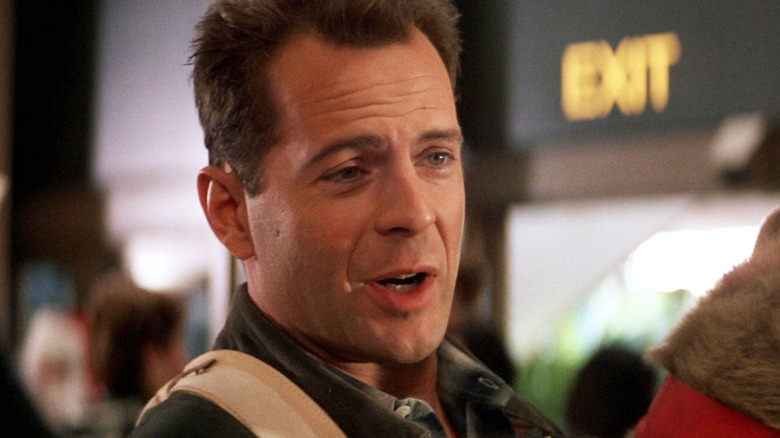
Perhaps the most famous example of a "hidden" literary adaptation is John McTiernan’s 1988 masterpiece, Die Hard. Widely considered the gold standard of the action genre, the film’s narrative—a lone hero trapped in a high-rise against a team of terrorists—has been replicated in countless "Die Hard in a [location]" knock-offs.
The Source: Nothing Lasts Forever
The film is based on Roderick Thorp’s 1979 novel, Nothing Lasts Forever. While the screenplay by Jeb Stuart and Steven E. de Souza mirrors the basic architecture of Thorp’s work, the internal life of the protagonist, Joseph Leland (renamed John McClane for the film), is vastly different. In the book, Leland is an older man grappling with the guilt of his failed marriage and his memories as a WWII veteran. The novel is a cynical, reflective exploration of a man feeling obsolete in a changing world.
When the New York Times reviewed the book upon its release, critic Newgate Callendar was dismissive, labeling it "poorly organized" and criticizing the "stilted dialogue." It is a fascinating irony that the book—a critical failure—provided the DNA for one of the most culturally significant films of the century. By stripping away the heavy-handed existentialism and replacing it with Bruce Willis’s charming, witty "everyman" persona, the filmmakers successfully transitioned the story from a brooding novel into a kinetic, audience-pleasing blockbuster.
2. First Blood: The Pacifist Warrior
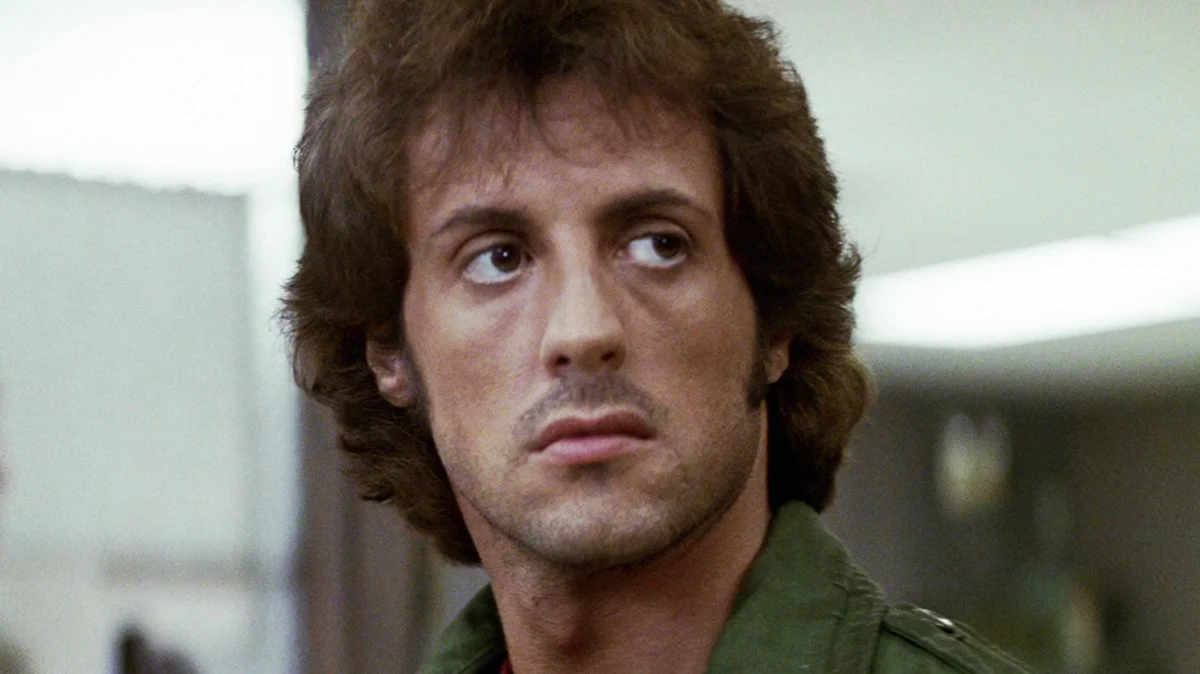
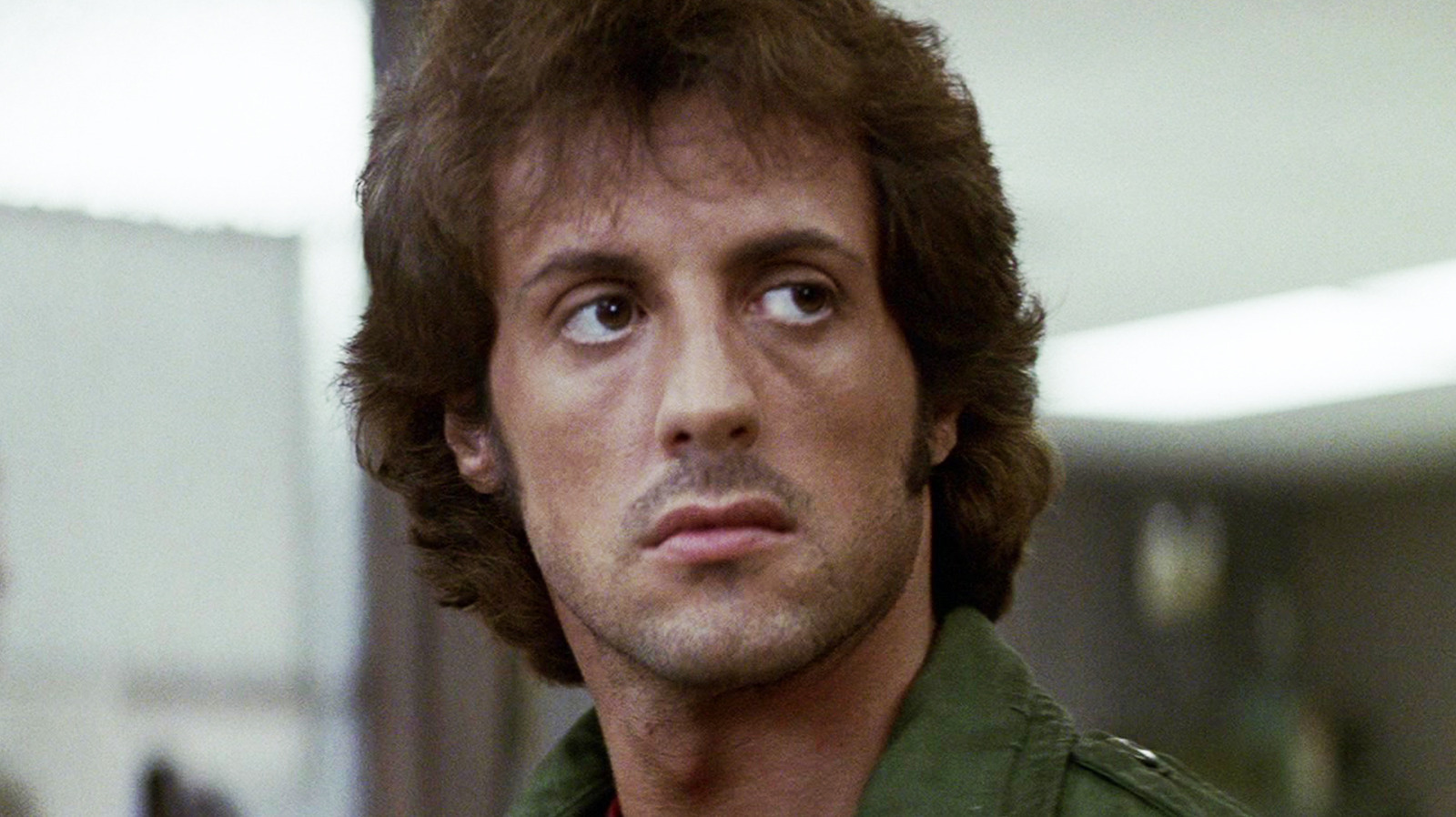
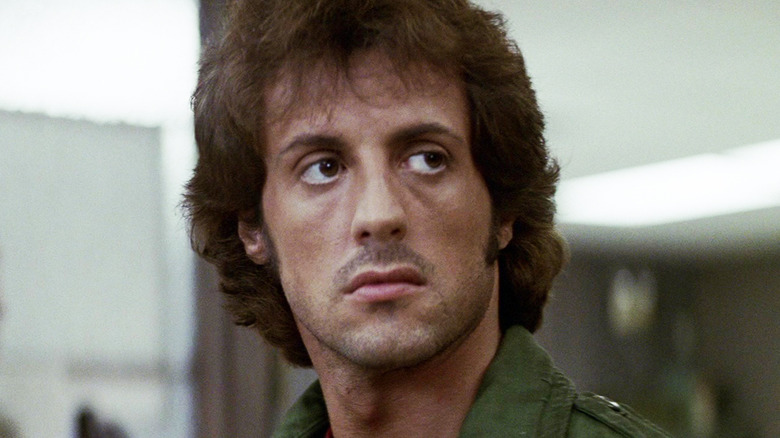
When audiences think of John J. Rambo, they think of the machine-gun-toting icon of the later sequels. However, Ted Kotcheff’s 1982 film First Blood was a grounded, somber character study.
The Literary Shift
David Morrell’s 1972 novel, First Blood, was a searing critique of American apathy toward Vietnam veterans. In the original text, Rambo is a desperate, violent man pushed to the brink by an unfeeling society. Crucially, the novel ends with Rambo’s death at the hands of his former mentor, Colonel Trautman.
The film famously diverged from this path. Sylvester Stallone, sensing the character’s potential for longevity, insisted that Rambo should not intentionally kill anyone in the first film. This choice made the character more sympathetic, turning him into a victim of circumstance rather than a cold-blooded killer. Critics of the time, such as John Skow of Time, were harsh, calling the novel "carnography" due to its graphic depictions of violence. While the film was also violent, its shift toward a more heroic, survivable arc transformed the property into a franchise that eventually moved away from Morrell’s original, tragic intent.
3. Cobra: The Stallone-fication of A Running Duck
If First Blood was an attempt to keep the spirit of the source material, Cobra (1986) was a total subversion. Based on Paula Gosling’s 1974 novel A Running Duck (later retitled Fair Game), the film is a quintessential 80s relic.
Implications of the Adaptation
Gosling’s novel is a taut, professional thriller about a woman being stalked by a sniper and protected by a methodical, grounded detective. Stallone, however, infused the project with his own sensibility, grafting a discarded script he had written for Beverly Hills Cop onto the framework of the book. The result was a film that bore almost no resemblance to the source material. The "professional hitman" of the novel was replaced by the "Night Slasher," a cartoonishly evil cult leader.
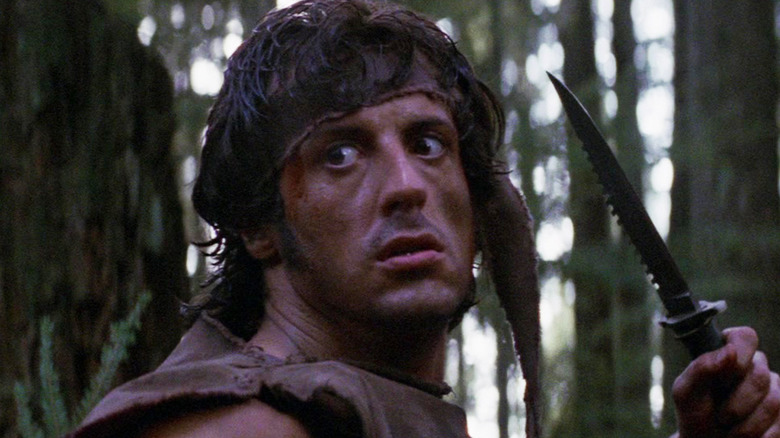
Stallone has since expressed regret regarding the tone of Cobra. The transformation from a suspenseful thriller into a hyper-violent, campy action romp illustrates the 80s tendency to prioritize "star brand" over narrative fidelity. Interestingly, Fair Game was eventually adapted again in 1995 with Cindy Crawford, proving that the original source material was strong enough to warrant a more faithful attempt at a thriller.
4. Blade Runner: Defining the "Loose" Adaptation
Ridley Scott’s Blade Runner is often cited as the definitive sci-fi noir, yet its relationship with Philip K. Dick’s Do Androids Dream of Electric Sheep? is famously tenuous.
Creative Liberties and Philosophical Depth
While the film maintains the core premise—a bounty hunter tracking down rogue androids—it discards much of the novel’s secondary world-building. Dick’s San Francisco is a dusty, radioactive wasteland, whereas Scott’s Los Angeles is a rain-slicked, neon-lit techno-industrial nightmare. Furthermore, the film ignores the novel’s focus on "Mercerism," a strange, synthetic religion that serves as a central theme in the book.
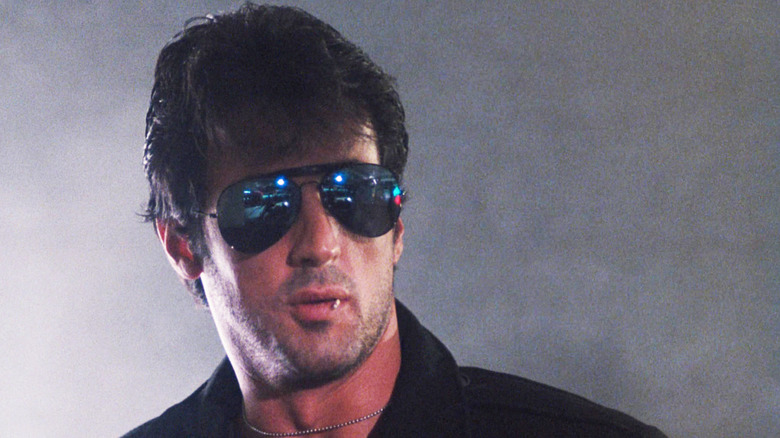
Despite these massive departures, Blade Runner is considered a masterpiece of adaptation because it captures the spirit of Dick’s inquiry into the nature of humanity. Scott understood that the book’s specific plot points were less important than its philosophical questions. This serves as a lesson for modern filmmakers: sometimes, the most "faithful" adaptations are the ones that are willing to discard the literal text to preserve the emotional core.
5. Conan the Barbarian: The Pulp Legacy
Before Arnold Schwarzenegger brought the Cimmerian to life in 1982, Conan existed in the pages of Weird Tales as a creation of Robert E. Howard.
The Fan Backlash
Director John Milius’s 1982 film is a foundational fantasy work, but it faced significant scrutiny from purists. In Flights of Fancy: The Great Fantasy Films, Kenneth Von Gunden notes that diehard fans felt the film betrayed Howard’s original vision. Howard’s Conan was a witty, educated, and nomadic adventurer. Milius’s Conan, however, was a stoic, brooding figure defined by a singular quest for vengeance.

While literary enthusiasts complained that the film "dumbed down" the character, the public reaction was overwhelmingly positive. The film’s success cemented the "sword-and-sorcery" aesthetic in the popular consciousness for decades. It is a prime example of how a cinematic adaptation can effectively overwrite the source material in the public eye, turning a pulp icon into a global movie star.
Conclusion: The Enduring Power of the Source
The transition from book to screen is rarely a simple one. The history of 80s action cinema proves that the relationship between the two mediums is a constant tug-of-war between the intent of the author and the demands of the box office.
Whether the filmmakers chose to honor the source, as in the case of First Blood, or completely reinvent it, as seen in Cobra, the results were invariably shaped by the cultural pressures of the time. The 80s were a period of excess, and these adaptations show how Hollywood took the raw ingredients of literature and forged them into something entirely new—for better or for worse. Today, as we look back on these classics, we are reminded that even the most bombastic action movie often has a quiet, written word at its heart, waiting to be rediscovered.
