
Shadows of the Seventies: A Deep Dive into Cinema’s Forgotten Masterpieces

The 1970s occupy a unique space in the cultural consciousness. Emerging from the seismic social shifts of the 1960s, the decade replaced the idealism of the flower-power era with a grit, cynicism, and structural experimentation that permanently altered the landscape of filmmaking. It was a time when the "New Hollywood" movement allowed directors to challenge the status quo, producing iconic antiheroes, subverting genre tropes, and embracing a newfound visual boldness.
However, the passage of half a century is a cruel editor. While The Godfather, Taxi Driver, and Star Wars remain etched in the canon, countless other cinematic gems that defined the era’s mood have drifted into the periphery. This is not a critique of their quality, but rather an observation on the fickle nature of pop culture legacy. As modern audiences look back at this transformative decade, a reappraisal of these overlooked films reveals a rich, complex tapestry of human experience—from the cold vacuum of space to the stifling heat of a courtroom.

The Philosophical Shift: Cinema in the ’70s
To understand these films, one must understand the environment that birthed them. The ’70s were characterized by a deep-seated distrust of institutions, a sentiment fueled by the Vietnam War, the Watergate scandal, and a growing concern over the environment. Cinema mirrored this instability. Genre boundaries blurred: horror became more visceral, crime dramas embraced moral ambiguity, and foreign cinema began to permeate Western markets, bringing with it fresh, often more brutal storytelling techniques.
Chronological Reappraisal: 10 Films Worth Rediscovering
1. Silent Running (1972): A Proto-Environmental Warning
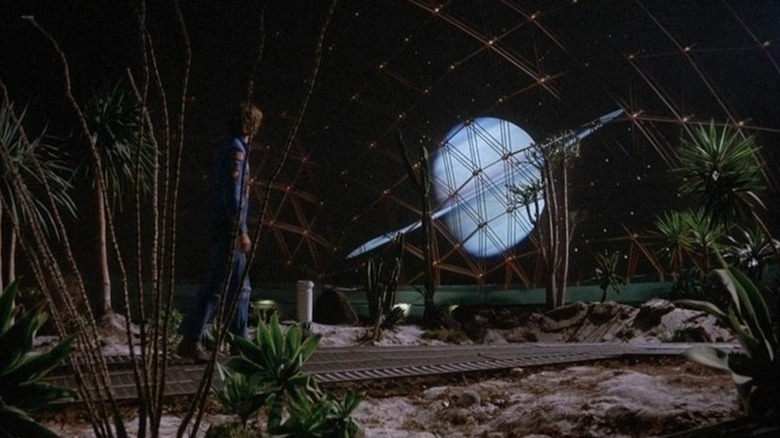
Coming off the high-concept brilliance of 1968’s 2001: A Space Odyssey, the sci-fi genre in the early ’70s shifted toward more intimate, philosophical questions. Douglas Trumbull’s Silent Running stands as a seminal, yet often ignored, entry. Set in a future where Earth’s flora is extinct, the film follows botanist Freeman Lowell (Bruce Dern) as he guards the last of Earth’s plants in bio-domes aboard a ship orbiting Saturn.

When the order comes to destroy the domes, Lowell chooses treason over complicity. Bruce Dern delivers a tour-de-force performance, selling the mounting desperation of a man tasked with saving the soul of a planet that has given up on itself. Its themes of environmental preservation are more relevant today than they were in 1972.
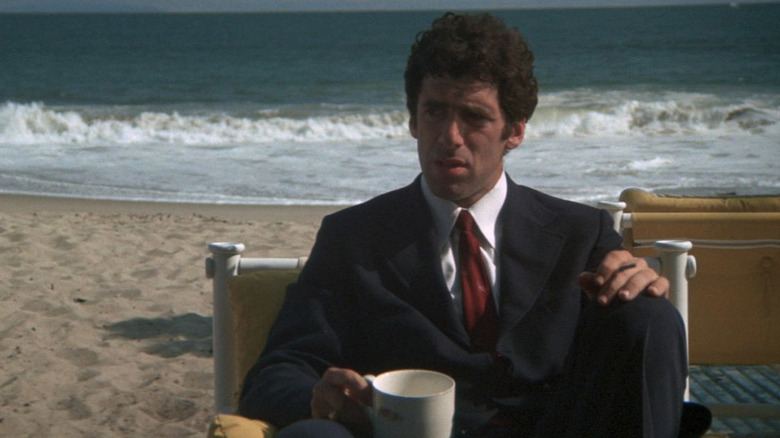
2. The Long Goodbye (1973): Deconstructing the Noir Archetype
Robert Altman’s The Long Goodbye is a masterclass in tone. By transplanting Raymond Chandler’s iconic private eye, Philip Marlowe, into the hazy, hedonistic atmosphere of 1970s Los Angeles, Altman created a "neo-noir" that felt both classic and radically modern. Elliott Gould’s performance—as a disheveled, mumbling, yet deeply moral Marlowe—is a brilliant subversion of the Humphrey Bogart mold. The mystery itself is secondary; the film is a poignant character study about an honest man struggling to navigate a world that has lost its sense of loyalty.
3. Battles Without Honor and Humanity (1973): The Brutal Truth
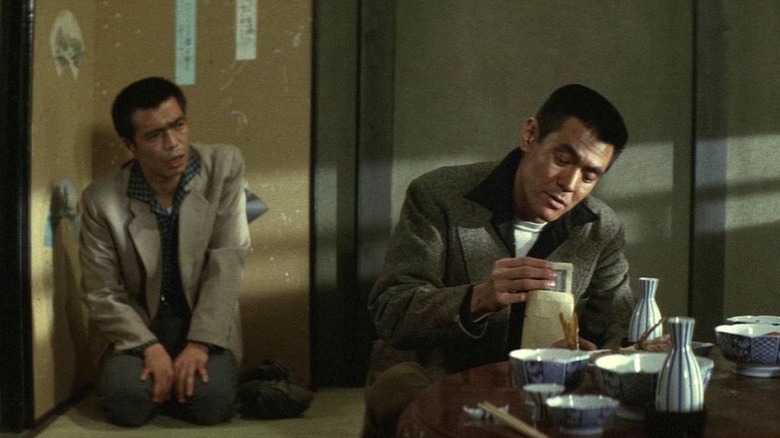
In Japan, the Yakuza genre was being reinvented by directors like Kinji Fukasaku. Battles Without Honor and Humanity stripped away the romanticized notions of the "noble gangster," replacing them with a frantic, documentary-style look at the criminal underworld. Spanning the postwar economic boom, the film tracks the rise of Shozo Hirono (Bunta Sugawara) through a web of betrayal. Its relentless pacing and commitment to a bleak, moral vacuum make it an essential, if harrowing, watch that paved the way for modern crime epics.
4. Don’t Look Now (1973): A Haunting Meditation on Grief
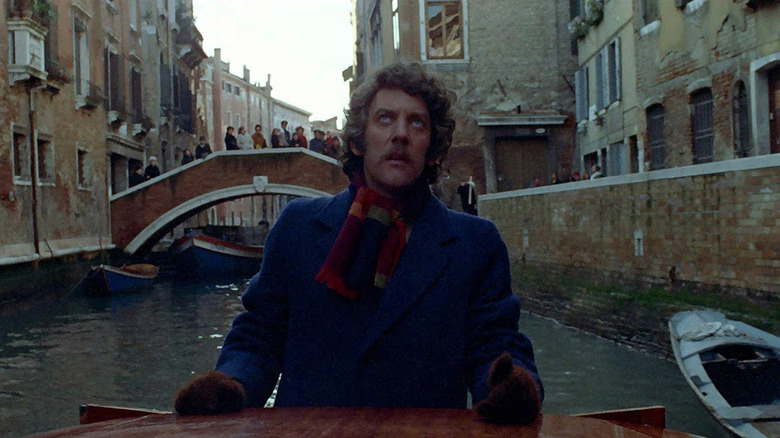
Nicolas Roeg’s Don’t Look Now is a surreal, visually arresting masterpiece that operates as both a supernatural thriller and a profound exploration of grief. Starring Donald Sutherland and Julie Christie as a couple mourning their daughter in a crumbling, autumnal Venice, the film is a slow-burn nightmare. The film is less about the "ghost" and more about how the trauma of loss can blind us to the dangers of the present. Its final twist remains one of the most chilling in the history of the horror genre.
5. Deep Red (1975): Dario Argento’s Giallo Triumph
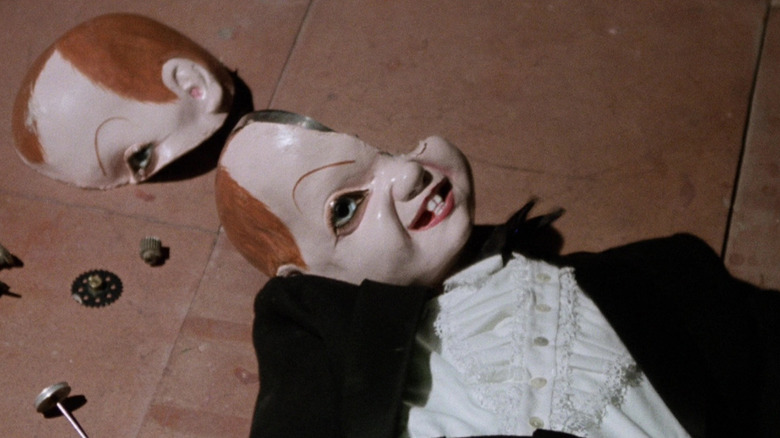
Before he reached international fame with Suspiria, Dario Argento perfected the giallo—the Italian thriller style—with Deep Red. The film follows a pianist who witnesses a murder and becomes obsessed with tracking down a black-gloved killer. Argento’s flair for the theatrical, combined with his unflinching, visceral depiction of violence, elevates the film from a standard slasher to a fever dream of suspense. It is a vital chapter in the history of horror that is often overshadowed by Argento’s later works.
6. Rolling Thunder (1977): The Vietnam Aftermath
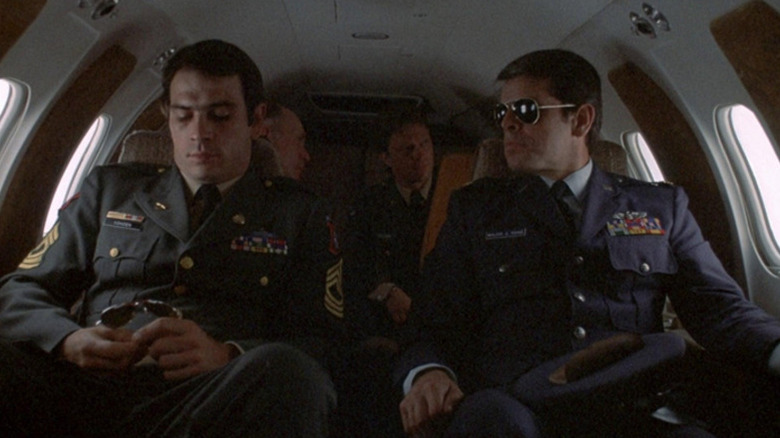
Few films captured the national malaise of the late ’70s quite like Rolling Thunder. The story of a veteran (William Devane) who returns home only to have his life destroyed by a violent gang, the film is a visceral, uncompromising look at post-war trauma. It is a lean, mean, and incredibly cathartic thriller that explores the disconnect between the soldier and the society he fought for. With a screenplay co-written by Paul Schrader, it is a gritty classic that demands attention.
7. The Driver (1978): Stylized Minimalism
Walter Hill’s The Driver is a prime example of "less is more." With a near-silent protagonist (Ryan O’Neal) and a stark, neon-lit version of Los Angeles, the film functions as an existential crime fable. The driving sequences are technical marvels, including a climactic car chase filmed in a single, breathless take. It is a masterclass in kinetic filmmaking that strips away unnecessary exposition to focus on pure, adrenaline-fueled action.
8. Vengeance Is Mine (1979): The Anatomy of a Killer
Shohei Imamura’s Vengeance Is Mine is a disturbing, unflinching look at the real-life serial killer Akira Nishiguchi. By humanizing the monster—not through empathy, but through a cold, psychological study—Imamura created a film that feels decades ahead of its time. It is a cynical, darkly humorous, and ultimately haunting portrait of a man without a moral compass.
9. The China Syndrome (1979): The Corporate Conspiracy
Released just days before the Three Mile Island accident, The China Syndrome is a quintessential 1970s conspiracy thriller. When a journalist (Jane Fonda) and a cameraman (Michael Douglas) uncover a cover-up at a nuclear power plant, they are met with systemic resistance. It is a sophisticated, high-stakes drama that highlights the tension between public safety and corporate greed, anchored by an incredible performance from Jack Lemmon.
10. …And Justice for All (1979): Legal Systemic Failure
Al Pacino’s performance as Arthur Kirkland in …And Justice for All is a towering display of acting. As a lawyer struggling to maintain his integrity in a broken legal system, Pacino delivers a performance that oscillates between weary resignation and explosive, righteous fury. The film’s final, iconic scene in the courtroom is a definitive moment in 1970s drama, encapsulating the decade’s disillusionment with authority.
Supporting Data: Why These Films Faded
Historical analysis suggests that the "forgetting" of these films is tied to two factors: the rise of the blockbuster in the late ’70s (specifically Jaws and Star Wars) and the changing landscape of home video and streaming distribution. Films that did not fit neatly into a franchise model or a high-octane spectacle category often struggled to maintain long-term cultural capital. However, with the rise of boutique physical media labels like The Criterion Collection and Arrow Video, these films are currently experiencing a significant, well-deserved resurgence.
Implications for Modern Cinema
The resurgence of these "forgotten" films is more than just a nostalgic trend; it is an important lesson for contemporary filmmakers. These movies prove that high stakes do not always require massive budgets or CGI spectacle. Instead, they demonstrate that tension is derived from character-driven conflict, stylistic visual choices, and an honest engagement with the social anxieties of the time.
As modern audiences increasingly crave stories that challenge their perceptions rather than simply entertaining them, the reappraisal of the 1970s’ "second tier" of classics provides a roadmap for future artistic success. By revisiting these works, we not only pay homage to a vibrant era of risk-taking but also uncover essential tools for crafting stories that stand the test of time.
