
Cinematic Mastery Within Reach: Atlas Lens Co. Launches Major Sale on Mercury Series Anamorphics
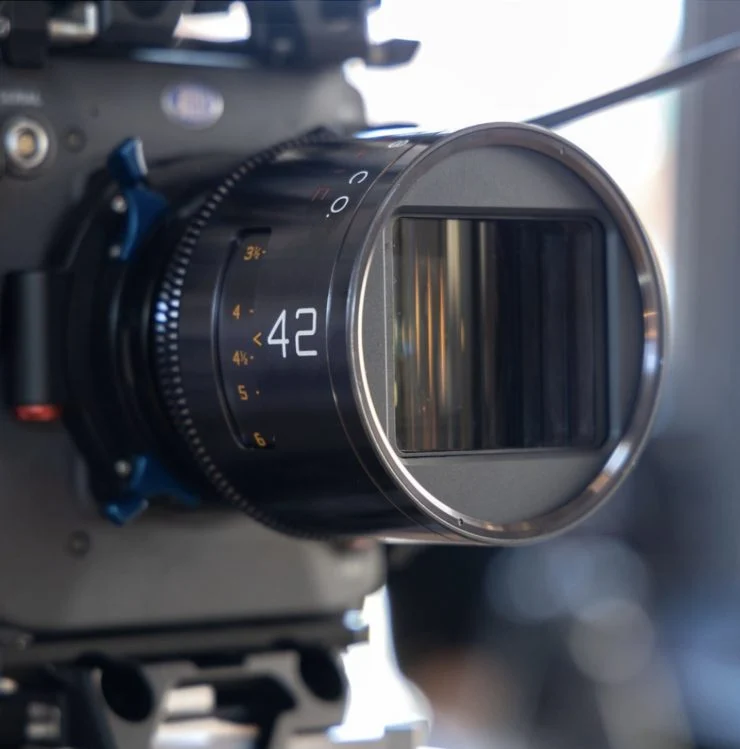
For cinematographers and production houses looking to elevate their visual storytelling, the barrier to entry for high-end anamorphic glass has just been lowered significantly. Atlas Lens Co., a name synonymous with the democratization of professional cinema optics, has announced a rare and compelling promotional event for its acclaimed Mercury Series 1.5x front anamorphic lenses. Throughout the month of June, filmmakers can secure factory-refurbished units at a 50% discount off retail pricing, offering a golden opportunity to integrate legendary anamorphic character into their kits at a fraction of the usual investment.
The Main Event: Unprecedented Savings on Industry-Standard Glass
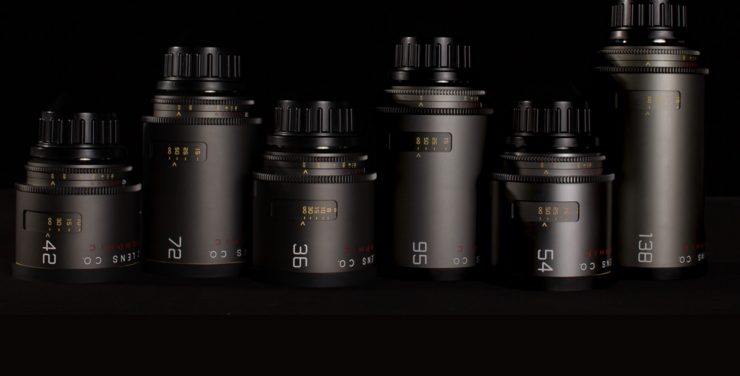
The promotion, which runs from June 1 through June 30, covers both the Group I (36mm, 42mm, 72mm) and Group II (54mm, 95mm, 138mm) focal lengths. During this window, individual lenses are available for $6,900 USD, down from their standard retail price. For those looking to complete a primary set, the investment stands at $20,700 USD, which not only nets a substantial saving of $1,095 per lens but also includes a complimentary 3-Lens hard case—a $399 value—ensuring these precision instruments are protected in the field.

It is critical for prospective buyers to note that these discounts are applied dynamically; the adjusted pricing will not reflect until the items reach the final checkout stage. This limited-time offer represents a significant shift for production companies looking to scale their inventory without the prohibitive costs typically associated with full-frame anamorphic glass.
A Proven Pedigree: Lenses for the Silver Screen
The Mercury Series is not merely a technical achievement; it is a battle-tested toolset. These lenses have become a staple for modern cinematographers, contributing to the distinct, cinematic aesthetic of major upcoming and recent productions. Notable projects featuring the Mercury series include:
- Project Hail Mary (2026)
- Highest 2 Lowest (2025)
- 28 Years Later (2025)
- The Creator (2023)
These credits underscore the versatility and visual reliability of the Mercury line, proving that these lenses are capable of holding their own on the world’s most demanding film sets. Whether handling the vast, sterile expanses of science fiction or the intimate, gritty textures of modern drama, the Mercury Series provides a consistent, high-fidelity look that satisfies the requirements of top-tier directors and DPs alike.
Chronology: The Evolution of the Mercury Series
Atlas Lens Co. first disrupted the market in September 2022, when they officially pulled back the curtain on the Mercury Full Frame 1.5x Front Anamorphic Lenses. The announcement followed a period of intense industry anticipation, as Atlas looked to build upon the success of their wildly popular Orion Series.
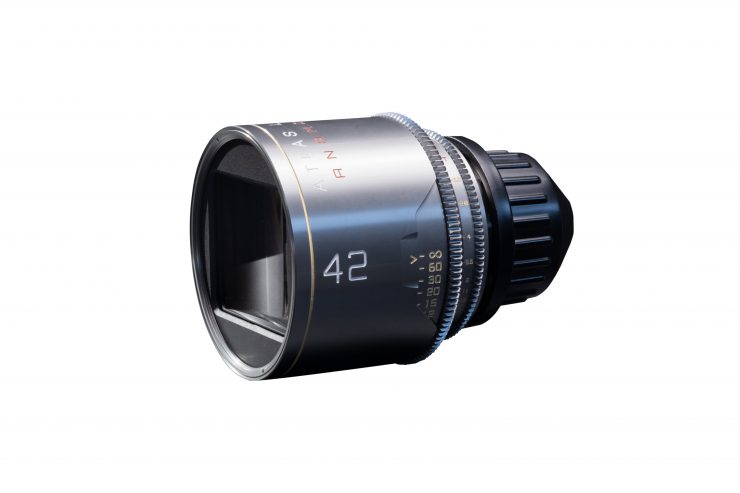
While the Orion Series offered a classic 2x anamorphic look that many filmmakers adored, the Mercury Series was designed with a different philosophy. Recognizing the shift toward digital sensors with varying aspect ratios and the demand for more portable, lightweight equipment, Atlas founders Dan Kanes (CEO) and Forrest Schultz (President and Lead Designer) focused on creating a line that could bridge the gap between vintage anamorphic character and modern digital sensor requirements.
Since the initial launch, the series has expanded to encompass a comprehensive range of nine focal lengths: 24mm, 27mm, 32mm, 36mm, 42mm, 54mm, 72mm, 95mm, and 138mm. This breadth allows for a complete narrative toolkit, capable of handling everything from sweeping wide-angle vistas to tight, compressed portraiture. Recent internal feedback from the Atlas team has further highlighted the nuance of the collection, specifically noting that the 27mm variant offers even lower focus breathing than the 36mm, providing shooters with more options for intricate rack-focus sequences.
The Philosophy of 1.5x: A Calculated Design Choice
A frequent question among optical purists is why Atlas opted for a 1.5x squeeze ratio, diverging from the traditional 2x anamorphic standard. In an exclusive 2022 interview, Kanes and Schultz detailed the engineering rationale behind this choice.
The 1.5x squeeze ratio was chosen primarily for its versatility and its ability to marry the best of two worlds: the classic anamorphic "personality" and modern ergonomic convenience. The primary advantages include:
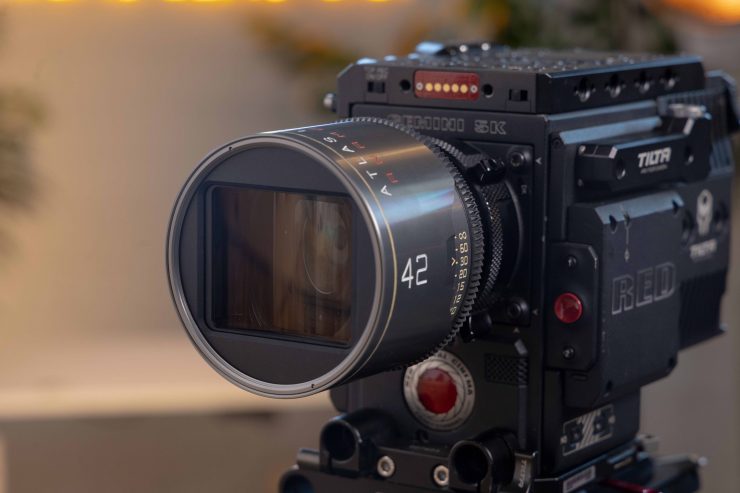
- Multiple Delivery Formats: The 1.5x ratio is exceptionally flexible. It supports a wide array of delivery formats, making it an ideal choice for content creators who need to output for various platforms, from standard theatrical widescreen to streaming-specific aspect ratios.
- Maintaining Anamorphic DNA: Despite the lower squeeze, the Mercury series retains the quintessential markers of anamorphic glass: oval bokeh, subtle barrel distortion, and a shallow depth of field.
- Physical Efficiency: By opting for a 1.5x design, the engineers were able to produce lenses that are significantly smaller and lighter than their 2x counterparts. This reduction in weight and size is a major boon for handheld operators, gimbal users, and productions that require rapid setup changes.
Furthermore, the 1.5x squeeze is a "sensor-friendly" design. When paired with 4:3 sensors, it produces a classic 2.39:1 widescreen image with minimal cropping. When used with the ubiquitous 16:9 sensors found in most modern mirrorless and cinema cameras, it requires significantly less data loss during post-production cropping than a 2x lens, resulting in higher final resolution and sharper image quality.
Supporting Data: Technical Specifications and Build Quality
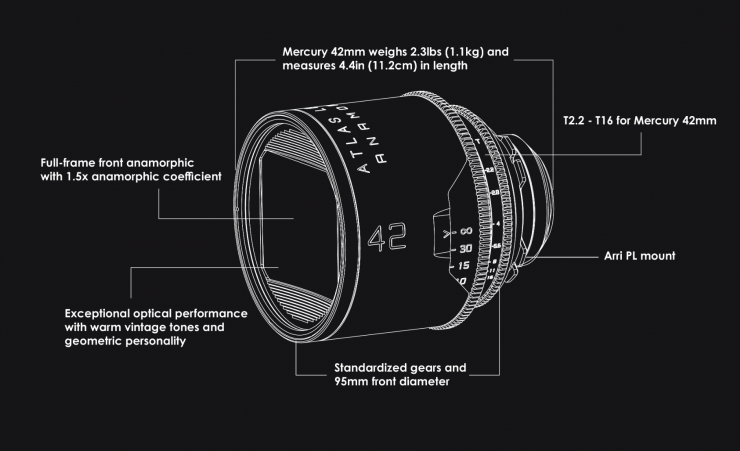
The Mercury Series is designed to meet the rigorous demands of professional cinema. Each lens is constructed with high-grade, scratch-resistant anodized aluminum, ensuring durability in harsh environments. Inside, the optical path consists entirely of glass—there is a complete absence of plastic elements, which is a testament to the build quality at this price point.
Key Technical Highlights:
- Imaging Coverage: The series covers an imaging area of 36.7mm x 25.54mm, making them compatible with full-frame sensors and various aspect ratios including 16:9, 3:2, and 4:3.
- Mechanical Uniformity: To facilitate efficient lens changes, the entire series features a unified focus and iris position. Every lens in the set utilizes industry-standard 0.8 pitch gears.
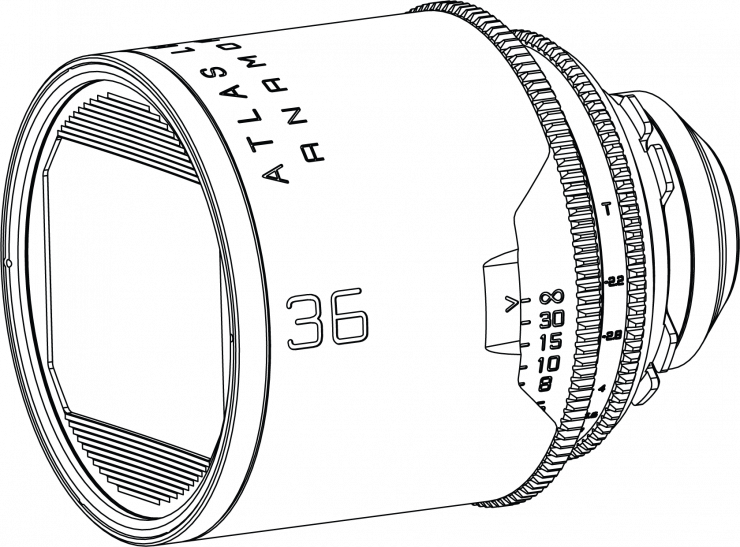
- Standardization: All lenses in the series share a 95mm outer diameter, simplifying the use of matte boxes and filters across the entire focal range.
- Optical Personality: The series is defined by warmer, vintage tones, contrasting with the more clinical look of some modern glass. The 14-blade iris ensures that out-of-focus highlights remain smooth and aesthetically pleasing, even when stopped down.
Official Responses and Industry Implications
The decision by Atlas Lens Co. to offer factory-refurbished units at such a significant discount signals a strategic push to make their optics accessible to a wider demographic, including independent filmmakers and mid-tier production houses. By providing refurbished stock, Atlas is also participating in the circular economy of cinema gear, ensuring that these high-quality lenses remain in use rather than sitting on shelves.
In discussions with the Atlas team, it is clear that their focus remains on the "human" side of technical design. They emphasize that the lens is an extension of the director’s eye. By creating a tool that offers the "dreamy" quality of vintage glass—barrel distortion, smooth bokeh transitions, and foreground/background separation—while maintaining the modern reliability of a PL-mount system, they have carved out a unique space in the marketplace.
Looking Ahead: The Future of Anamorphic Production
The broader industry trend is clearly moving away from the traditional 2x anamorphic standard toward 1.5x and 1.8x solutions. This shift is driven by the evolution of digital camera sensors and the demand for lenses that can serve both traditional cinema and high-end digital streaming content.
For the filmmaker, this sale is more than just a discount; it is a chance to invest in a system that is designed to endure. As high-resolution sensors become the standard, the optical characteristics of the Mercury series—which prioritize personality and texture over mere sharpness—ensure that the footage remains timeless.

As we approach the end of June, the inventory of these refurbished units is expected to move quickly. For those who have been considering an investment in anamorphic glass, the combination of professional-grade performance, the proven track record of the Mercury line, and a 50% discount creates a rare convergence of opportunity. Whether you are looking to round out an existing set with a specific focal length or are ready to commit to your first full anamorphic kit, the Atlas Lens Co. June sale is an event that should not be overlooked.
For more information, or to view the full specifications of the Mercury Series, filmmakers are encouraged to visit the official Atlas Lens Co. website and prepare for the upcoming window of opportunity. The future of your project’s aesthetic might just be found in the warmth and character of a Mercury 1.5x lens.
