
The Evolution of an Icon: Sony Unveils the $6,000 NW-WM1ZM3 Walkman Signature Series
By Matthew Allard ACS
Published in Tech & Audio Insights
For anyone who came of age in the late 20th century, the word "Walkman" instantly evokes a profound sense of nostalgia. It conjures memories of bulky plastic cassettes, foam-cushioned headphones, the mechanical clack of pressing play, and the liberating feeling of taking your personal soundtrack anywhere you went. Decades ago, Sony revolutionized how humanity consumes music, turning a solitary, stationary experience into a mobile phenomenon.

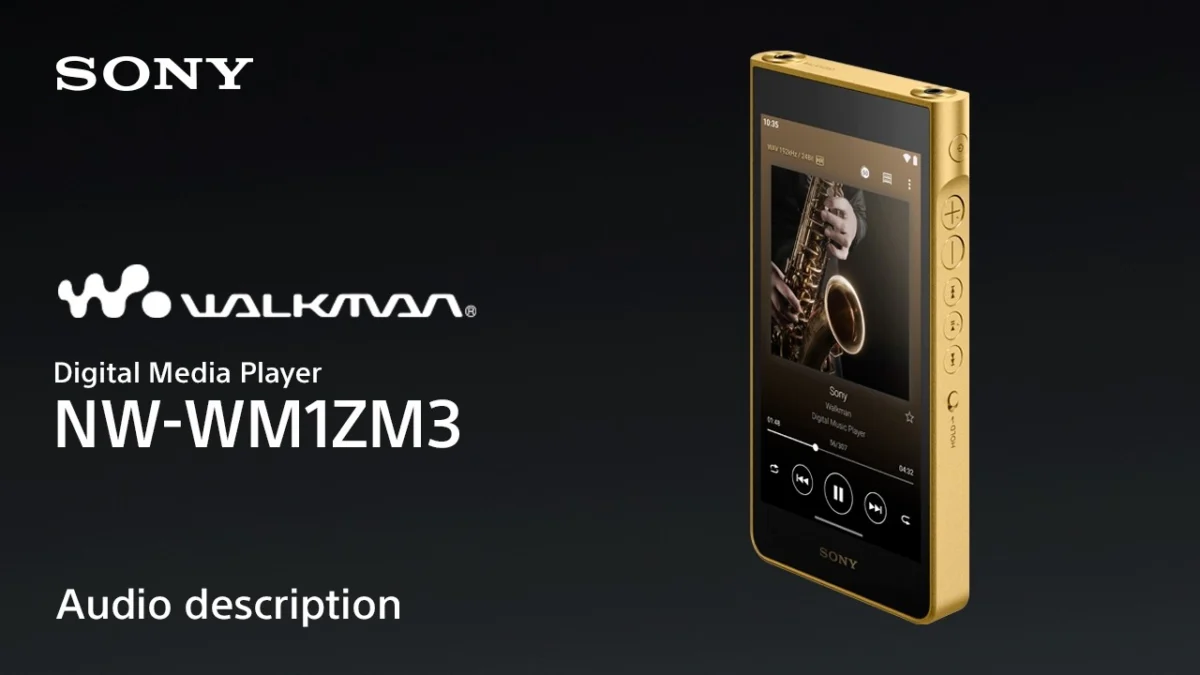
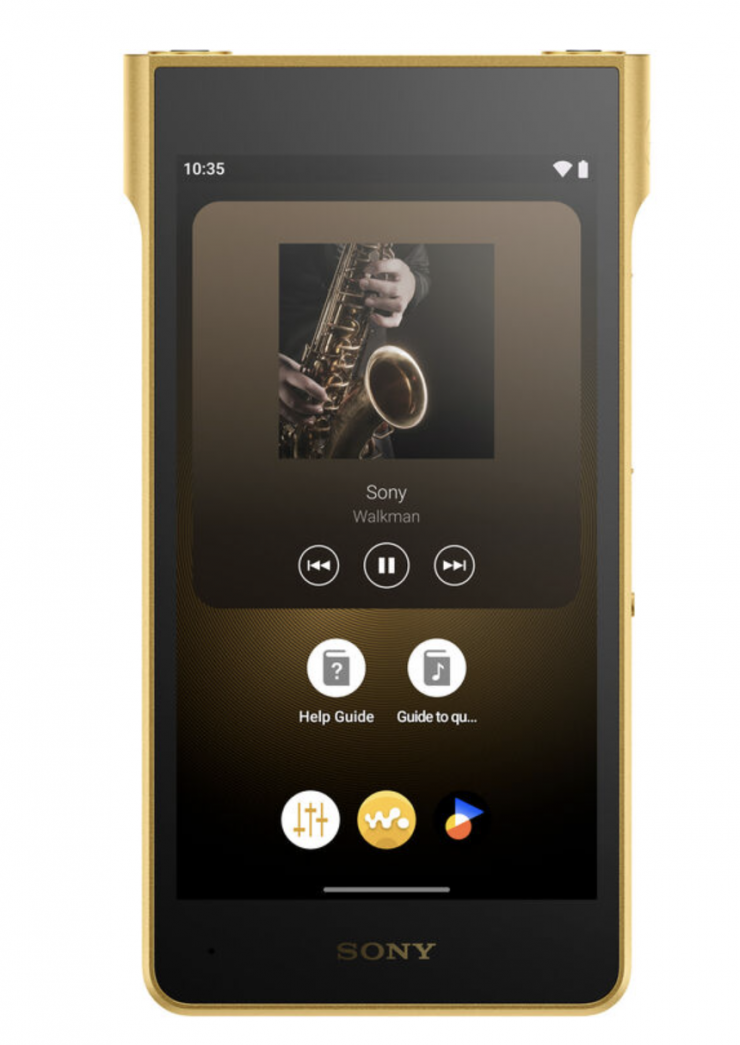
Fast forward to the modern era, and the Walkman brand has transcended its magnetic tape origins to enter the stratosphere of ultra-luxury, high-end audio engineering. Sony has officially announced its latest flagship portable music player: the Sony NW-WM1ZM3 Walkman Signature Series Digital Audio Player. Designed with uncompromising precision for the most discerning audiophiles on the planet, this device comes with a staggering price tag of nearly $6,000 USD ($5,898).
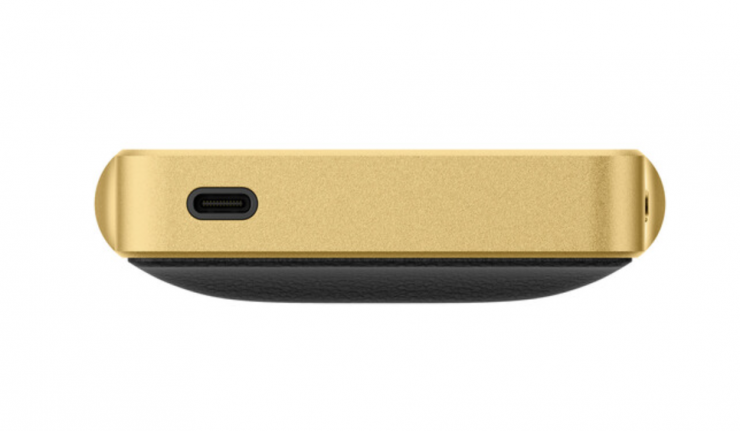
Far removed from the affordable cassette players of the 1980s, the NW-WM1ZM3 is an exercise in acoustic excess. Featuring a full oxygen-free copper (OFC) chassis, gold plating, and specialized KIMBER KABLE balanced wiring, this device is built to deliver what Sony claims is the ultimate portable listening experience.
Main Facts: Inside the $6,000 Audiophile Powerhouse
The Sony NW-WM1ZM3 is not merely an MP3 player or a casual smartphone alternative; it is a portable reference-grade audio lab. Every material choice, internal component, and software algorithm has been painstakingly optimized to eliminate signal degradation and deliver studio-quality sound reproduction.
Premium Build and Materials
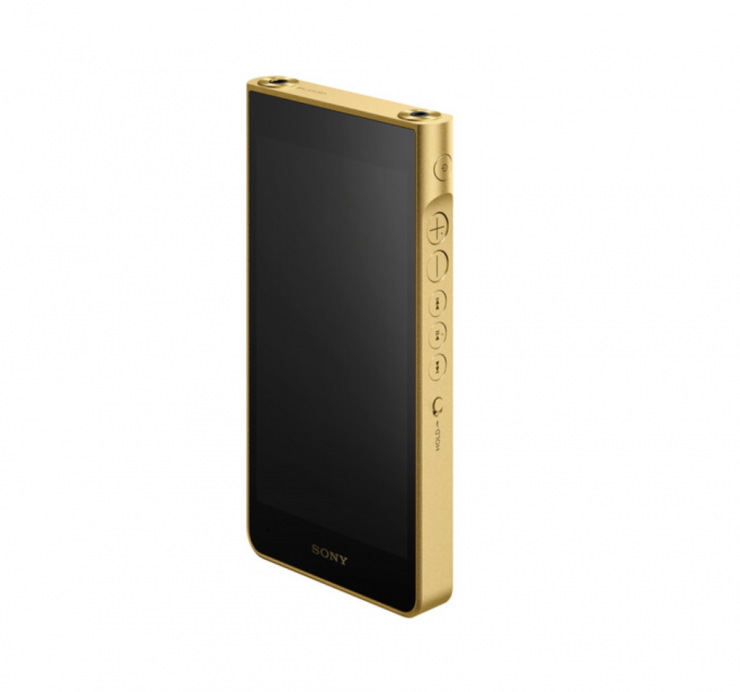
The most striking physical departure from traditional digital audio players is the NW-WM1ZM3’s chassis. Abandoning standard aluminum, Sony’s engineers opted for a precision-machined, oxygen-free copper (OFC) body. This heavy-duty copper frame does more than just look impressive; it significantly lowers electrical resistance and provides superior grounding. The result is a robust, resonant foundation that yields powerful, deep bass performance and vastly improved acoustic characteristics.
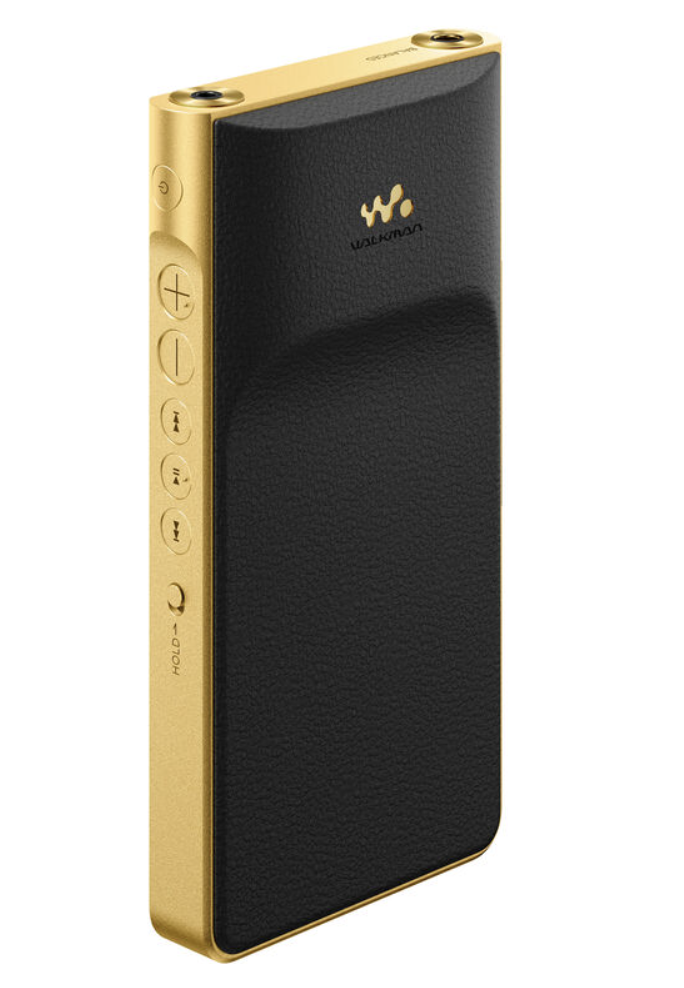
Furthermore, the internal architecture is laced with luxury metals. Sony utilizes gold-plated screws to secure the internal components, minimizing contact resistance and ensuring pristine electrical connectivity. The internal layout is also meticulously compartmentalized: the digital and analog power supply blocks are physically and electrically separated to prevent electromagnetic interference from bleeding into the delicate audio signal paths.
To maintain absolute signal purity from the circuit board to the headphone jacks, the device incorporates high-quality Flexible Flat Cable (FFC) wiring, alongside OFC winding in the internal coils to suppress signal loss.
Processing Power and Amplification
At the heart of the NW-WM1ZM3’s sonic capability is Sony’s proprietary S-Master HXA digital amplifier. This advanced amp supports Native DSD (Direct Stream Digital) playback, as well as high-power balanced outputs.
To achieve superior digital-to-analog (D/A) conversion, the amplifier utilizes "look-ahead noise shaping." This technology allows the system to instantly respond to sudden transients and rapid changes in audio signals. Users can select from three distinct look-ahead profiles, tailoring the sound signature to achieve tighter bass response and lightning-fast transient clarity.
Additionally, the device features a real-time DSD Remastering Engine. Whether a user is streaming over Wi-Fi or playing a locally stored file, this engine can intelligently resample standard PCM (Pulse Code Modulation) audio into a high-resolution 11.2 MHz/1-bit DSD stream. Even when playing compressed or standard CD-quality files, this upscaling technology works in the background to restore lost harmonic details and expand dynamic range, offering a fuller, more immersive listening experience.
Connectivity and Display
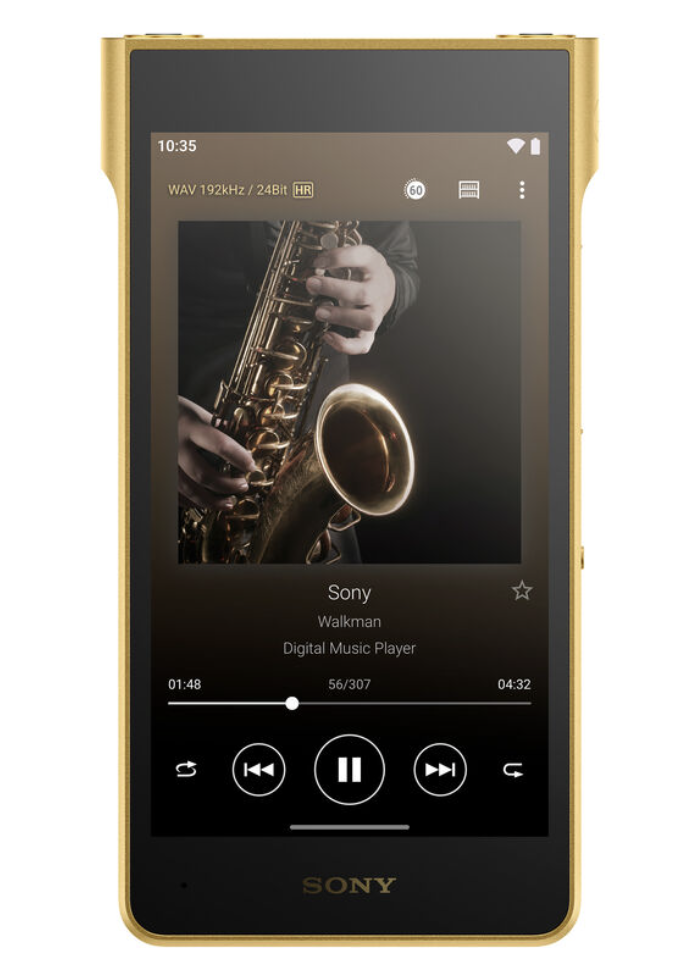
Despite its vintage heritage, the Walkman Signature Series player is thoroughly modern under the hood. It runs on a responsive interface navigated via a crisp, 5.5-inch 1080p touchscreen display.
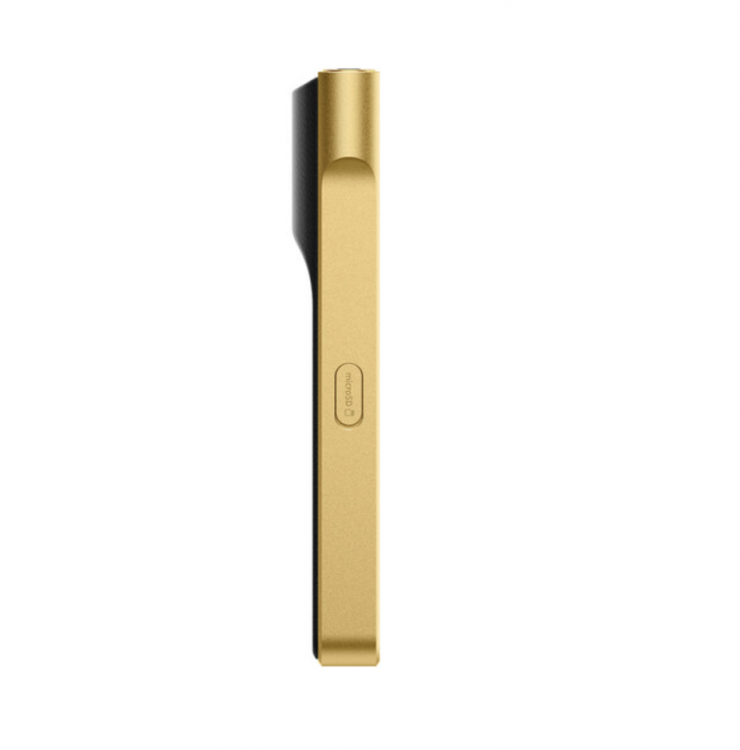
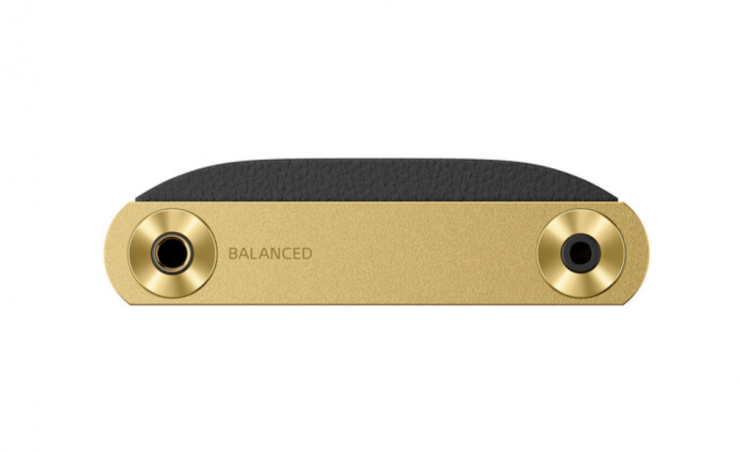
For music storage, the unit comes equipped with 256GB of internal flash memory, which can be easily expanded via a built-in microSD card slot. Wireless connectivity is handled via Wi-Fi 6 (802.11ax), allowing users to stream high-resolution audio directly from streaming apps or network-attached storage (NAS). For Bluetooth aficionados, the device supports high-bandwidth codecs like aptX Adaptive and LDAC—the latter of which is capable of transmitting roughly three times the data of standard Bluetooth connections. Physical connectivity includes both a standard stereo mini-jack and a balanced headphone jack.
Chronology: The Journey from Cassettes to Luxury Hi-Res
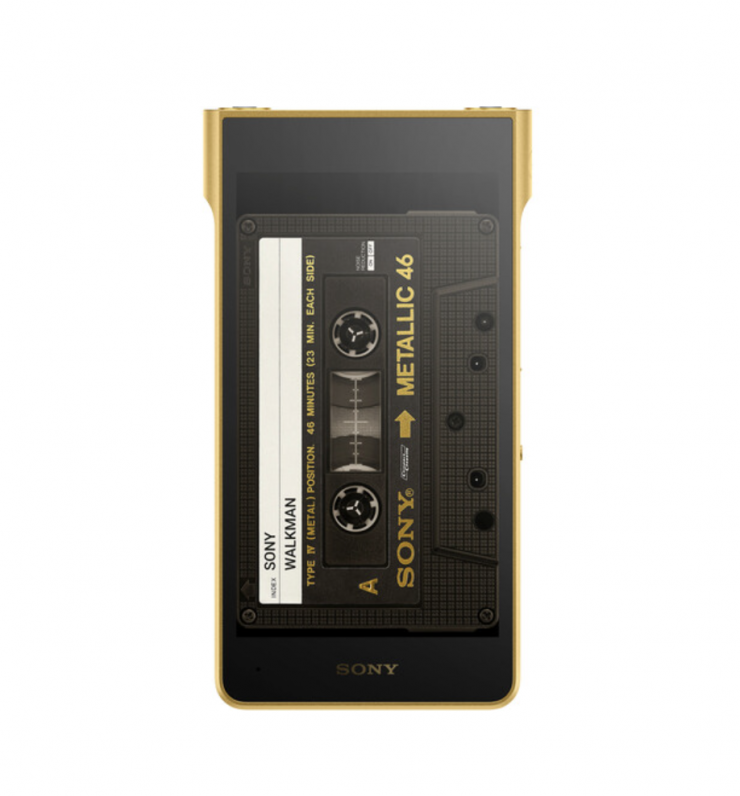
To truly appreciate the engineering leap represented by the NW-WM1ZM3, it is helpful to trace the historical timeline of the Sony Walkman brand, observing how a mass-market consumer electronics device evolved into a niche luxury collectible.
- July 1979: Sony introduces the original TPS-L2 Walkman in Japan. Priced at around $150, the portable cassette player revolutionizes personal culture, making music a mobile, private experience.
- 1984: Sony launches the D-50, the world’s first portable Compact Disc (CD) player, signaling the gradual shift toward digital storage formats.
- 1992: Sony introduces the MiniDisc format, offering rewritable digital audio storage in a compact cartridge. While popular in Japan, it achieves moderate global success.
- 1999: Sony releases the Network Walkman (NW-MS7), storing music digitally on Memory Stick media, marking the official transition into solid-state flash memory.
- 2000s–2010s: The rise of MP3 players (led initially by hard drive models and later by smartphones) pushes the traditional Walkman into the background of mainstream consumer electronics. Sony pivots the brand toward high-resolution audio (Hi-Res Audio) for niche enthusiasts.
- 2016: Sony introduces the first "Signature Series" Walkman (NW-WM1Z), setting a new benchmark for ultra-expensive, gold-plated portable audio players with a price tag exceeding $3,000.
- Late 2024 / December 2024: Sony announces the next-generation NW-WM1ZM3 Walkman Signature Series, pushing the technological envelope further with Wi-Fi 6, advanced DSD remastering, and a retail price touching $5,900 USD.
Supporting Data & Technical Specifications
For audio engineers and data-driven enthusiasts, the specifications sheet of the Sony NW-WM1ZM3 reads like a wishlist of premium hardware components. Below is a breakdown of its core technical parameters:
| Feature / Specification | Detail / Value |
|---|---|
| Product Model | Sony NW-WM1ZM3 Walkman Signature Series |
| Price | $5,898 USD |
| Chassis Material | Precision-machined Oxygen-Free Copper (OFC) with gold plating |
| Internal Storage | 256GB (Expandable via microSD) |
| Display | 5.5-inch 1080p Touchscreen |
| Amplification | S-Master HXA digital amp with look-ahead noise shaping |
| Supported Audio Formats | Native DSD up to 11.2 MHz, PCM up to 384 kHz/32-bit |
| Wireless Connectivity | Wi-Fi 6 (802.11ax), Bluetooth with LDAC & aptX Adaptive |
| Wired Outputs | Balanced headphone jack, Standard stereo mini-jack |
| Internal Wiring | KIMBER KABLE balanced wiring, high-quality FFC |
| Expected Shipping | Late December (Limited Quantities) |
Official Responses and Engineering Insights
In promotional interviews released alongside the launch, Sony’s acoustic engineers and product designers emphasized that the NW-WM1ZM3 was designed without budget constraints or compromise.
Speaking on the development process, members of the Sony Sound Engineer team explained that the transition from aluminum to a pure oxygen-free copper chassis was driven by listening tests rather than theory alone. "When building a device of this caliber, numbers on a laboratory oscilloscope only tell half the story," one senior engineer noted. "The mechanical resonance of the enclosure directly influences the spatial imaging and decay of musical notes. Copper provided the exact physical density and electrical grounding properties required to deliver a bass response that is both authoritative and remarkably agile."
Furthermore, engineers addressed the inclusion of KIMBER KABLE wiring—a staple of ultra-high-end home audio systems—into a portable chassis. By partnering with KIMBER KABLE, Sony ensured that the final analog stages of signal transmission experienced absolute minimum electromagnetic interference, preserving the micro-details of live recordings that standard ribbon cables tend to muddy.
Sony has also confirmed that manufacturing the NW-WM1ZM3 requires specialized, highly skilled manual assembly processes. Because of the delicate nature of the internal gold plating, oxygen-free copper milling, and custom circuit isolation, the device will be produced in strictly limited quantities, reinforcing its status as a collector’s item rather than a mass-market gadget.
Industry Implications: Who Is the $6,000 Walkman For?
The announcement of a portable music player costing nearly $6,000 inevitably sparks debate across tech forums and mainstream media. In an era where the vast majority of consumers listen to compressed audio streams via smartphones and wireless earbuds costing a fraction of that price, the existence of an ultra-luxury DAP raises important questions about the state of modern consumer electronics.

The Ultra-Niche Audiophile Market
The NW-WM1ZM3 is not competing with Apple, Samsung, or mainstream Bluetooth manufacturers. Instead, it targets a dedicated subculture of audiophiles who own multi-thousand-dollar planar magnetic or custom in-ear monitor (IEM) headphones. For this demographic, signal purity, uncompressed master-quality files, and vanishingly low total harmonic distortion (THD) are paramount.
By offering Wi-Fi 6 streaming capabilities alongside local DSD playback, Sony is acknowledging that even high-end listeners want the convenience of cloud-based music services (like Tidal, Qobuz, or Apple Music) without sacrificing the sonic fidelity provided by a dedicated, isolated audio circuit.

The Halo Effect and Brand Prestige
From a corporate strategy perspective, products like the NW-WM1ZM3 serve as "halo devices." While only a tiny fraction of global consumers will ever purchase a $5,898 Walkman, its existence elevates the entire Sony audio brand. It showcases the company’s engineering prowess, proving that Sony retains the capability to push the absolute boundaries of acoustic physics. Lessons learned in power supply isolation, noise shaping, and digital-to-analog conversion often trickle down into more accessible, mid-tier consumer audio products over time.
Conclusion
The Sony NW-WM1ZM3 Walkman Signature Series represents a fascinating collision of past and future. It honors a brand name that practically invented mobile music listening forty-five years ago, while boldly reimagining what is possible when modern materials science and uncompromising engineering are applied to personal audio. For the lucky few who can afford it—and possess the high-end headphones required to unlock its potential—it promises an acoustic journey unlike anything else on the market.
