
The Ring, The Oath, and the Choice: Dissecting the Transformative Finale of Lanterns Season One
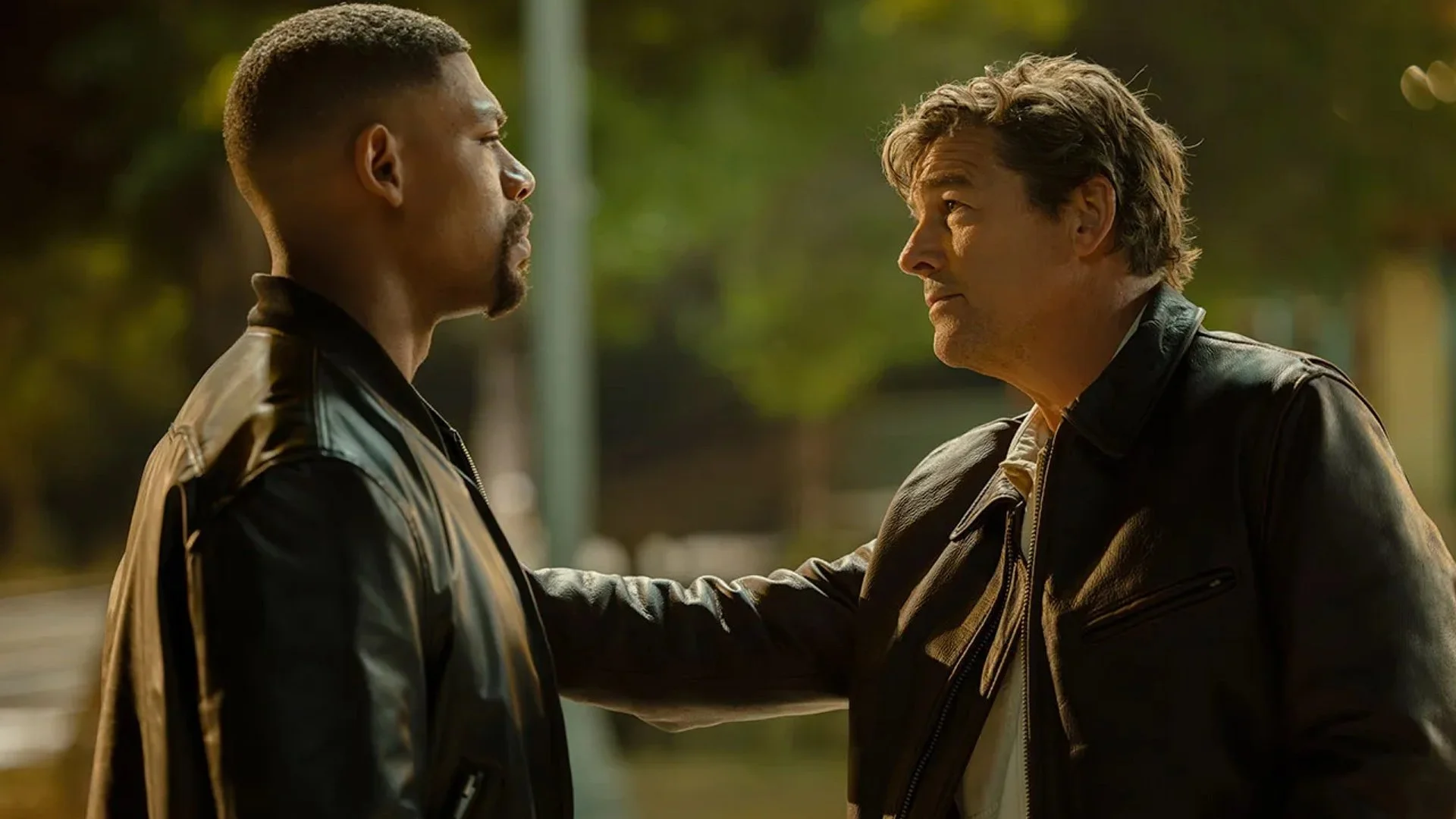
The first season of Lanterns has officially concluded, marking a pivotal shift in the landscape of the DC Universe (DCU). For fans of the Green Lantern mythos, the finale delivered the long-awaited apotheosis of John Stewart (Aaron Pierre), a character who spent the better part of the season wrestling with the existential weight of his power. By the time the credits rolled, Stewart had finally shed the mantle of an uncertain recruit, embracing his destiny as Earth’s protector with a defiant, personal, and profoundly moving iteration of the iconic Green Lantern oath.
The finale was more than just a character study; it was a narrative puzzle box that finally clicked into place. It resolved the season-long mystery of Hal Jordan’s (Kyle Chandler) fate, provided a nuanced exploration of the psychology of fear, and firmly established the thematic stakes for the future of the DCU.
A Chronological Breakdown: From Prison to Protector
To understand the weight of the finale, one must trace the circuitous path taken by the show’s central figures. The episode masterfully utilizes a non-linear narrative, opening with a flashback that establishes the tragedy of Hal Jordan. Sheriff Kerry Kane (Kelly Macdonald) enters the fray as she picks up Hal after his decade-long incarceration—a sentence served for his role in the catastrophic events at Rushfield.
This act of "taking responsibility" serves as the foundational trauma for the series. However, the homecoming is cut short by a brutal firebombing that leaves Hal critically wounded. In a moment of high-stakes tension, Kerry’s son, Noah (Shea Pritchard), saves Hal’s life through a mysterious regenerative ability, revealing his identity as a "Manhunter."
In the present day, the narrative tension pivots to a desolate alien world, where John Stewart and a holographic projection of Hal Jordan track down the villainous Sinestro (Ulrich Thomsen). The discovery of a potent, unstable lantern forged for Noah raises the stakes to a cosmic level. Upon returning to Earth, the threads of the mystery begin to unravel. Noah’s revelation that he killed the original Hal—acting to protect his own agency after discovering Hal’s interference—sets the stage for the final confrontation.
The emotional climax, however, arrives when John confronts Kerry at a local football game. In a moment of devastating clarity, Kerry confesses to being the one who ultimately ended Hal’s life, succumbing to panic after Hal attempted to intervene in her domestic sphere. John’s refusal to let her languish in the shadow of her guilt, and his insistence on the path of true accountability, provides the emotional bedrock for his own transformation.
The Holographic Mirror: Kyle Chandler’s Dual Perspective
One of the most inventive elements of the series was the utilization of Hal Jordan as a hologram. For actor Kyle Chandler, this presented a unique acting challenge: navigating the duality of a man who is simultaneously a mentor and a cautionary tale.
"I looked at the hologram as more of a younger Hal watching himself," Chandler explained in a recent interview. "It’s almost like a father watching a son grow up. He’s viewing himself, making these decisions, and yet he gets to also converse with himself at the same time."
Chandler noted that he intentionally injected ambiguity into the dialogue to mirror the character’s internal dissonance. "I took the dialogue and did what I could with it to make it more complicated. I wanted no one to fully understand what I was doing, and I thought maybe that might work out." This layered performance allowed the audience to see Hal not just as a legend, but as a flawed, complex man reflecting on the nature of his own life’s choices.
Deconstructing Fear: A Philosophical Pivot
While traditional superhero narratives often treat fear as an obstacle to be overcome, Lanterns takes a more subversive approach. Co-creator Chris Mundy and his team aimed to deconstruct the value of fear, positioning it as an essential component of human experience rather than a moral failure.
"If you’re going to do this story, you’re going to talk about fear and whether it’s a good thing," Mundy stated. "As Sinestro says in the finale, fear is just emotional intelligence. Show me a species without fear, and I’ll show you something on the extinction list."
This philosophy is the lens through which John Stewart’s growth is filtered. His final transformation into a Green Lantern is not characterized by the absence of fear, but by the mastery of it. He recognizes the terror inherent in his position and proceeds anyway. This is the crux of the show’s "human-first" approach: presenting heroes who are profoundly flawed and deeply tethered to the realities of their own anxieties.
The Oath: A Remix, Not a Replacement
Perhaps the most discussed moment of the finale was the delivery of the Green Lantern oath. While comic book purists might have expected the traditional recitation, the showrunners opted for a "remix."
"We’re not rewriting it; we’re remixing it," Mundy clarified. "The ring didn’t choose John. He was interviewed. He was raised for it. He decided not to do it, and then he decided he needed to do it on his own terms."
The oath serves as a manifesto of John’s autonomy. By tweaking the sacred words, the writers emphasized that John’s heroism is a choice made in the light of day, not an obligation inherited from a higher power. It is a testament to his journey from a man acting under orders to a guardian acting under his own moral code. Aaron Pierre, reflecting on the chemistry built with Chandler over the months of production, noted that the weight of the scene felt "earned." The emotion in that moment was the culmination of a long, arduous process for both the characters and the actors themselves.
The Future: Earl the Plant and Beyond
Amidst the heavy themes of justice and cosmic responsibility, the finale did not forget the fan-favorite breakout star: Earl the plant. When asked about the potential longevity of the botanical companion, executive producer Damon Lindelof provided a humorous yet reassuring take.
"I think Earl is pretty resilient," Lindelof remarked. "The botanical creatures of the galaxy can grow their own skin, I would imagine." This lighthearted note provides a glimmer of hope that the show’s charm will persist into future seasons, balancing the dark, grounded mystery with the oddities of a vast, alien universe.
Implications for the DCU
The conclusion of Lanterns season one leaves the DCU in a state of transition. By establishing John Stewart as a protector who operates on his own terms, the show has effectively created a new paradigm for how Earth-based heroes interact with the cosmic authorities.
The mystery of Hal Jordan may have reached its conclusion, but the ramifications of his death and the revelation of the Manhunters will undoubtedly reverberate through future installments. With John Stewart now firmly aligned with his duty—and with Guy Gardner (Nathan Fillion) serving as a witness to this evolution—the stage is set for a new era of galactic guardianship.
The show succeeded because it prioritized the "why" over the "what." It didn’t just want to show us a hero flying through space; it wanted to show us the man behind the ring deciding that, despite the fear, despite the loss, and despite the cost, he is ready to stand as a beacon. As the DCU continues to build its interconnected narrative, Lanterns has successfully carved out a space that is as intellectually challenging as it is visually spectacular.
John Stewart is no longer just a recruit. He is, by his own definition and his own oath, the Green Lantern the world—and perhaps the universe—needs. Where he goes from here remains to be seen, but one thing is certain: he is no longer running from his destiny. He has stepped into it, fully and fearlessly.
