
Full Steam Ahead Into the Icefield: Paramount and Warner Bros. Discovery Form "Skydance" Amid Heavy Skepticism
Main Facts
The legal battles and regulatory hurdles that sought to block the consolidation of two Hollywood titans have officially come to an end. Following a federal judge’s decision to dismiss the final formal objections brought forward by state attorneys general, the path is clear for Paramount and Warner Bros. Discovery to merge.
Set to officially combine operations early next week, the newly formed mega-corporation will adopt a singular identity moving forward: Skydance.
Led by incoming CEO David Ellison, the newly minted conglomerate brings together two extensive libraries of intellectual property, historic studio lots, and sprawling distribution networks that have defined more than a century of global entertainment culture. Despite vocal pushback from industry unions, guild representatives, and antitrust advocates who warn of sweeping job losses and a stifling monopolization of the media landscape, Ellison has maintained an aggressively optimistic stance.
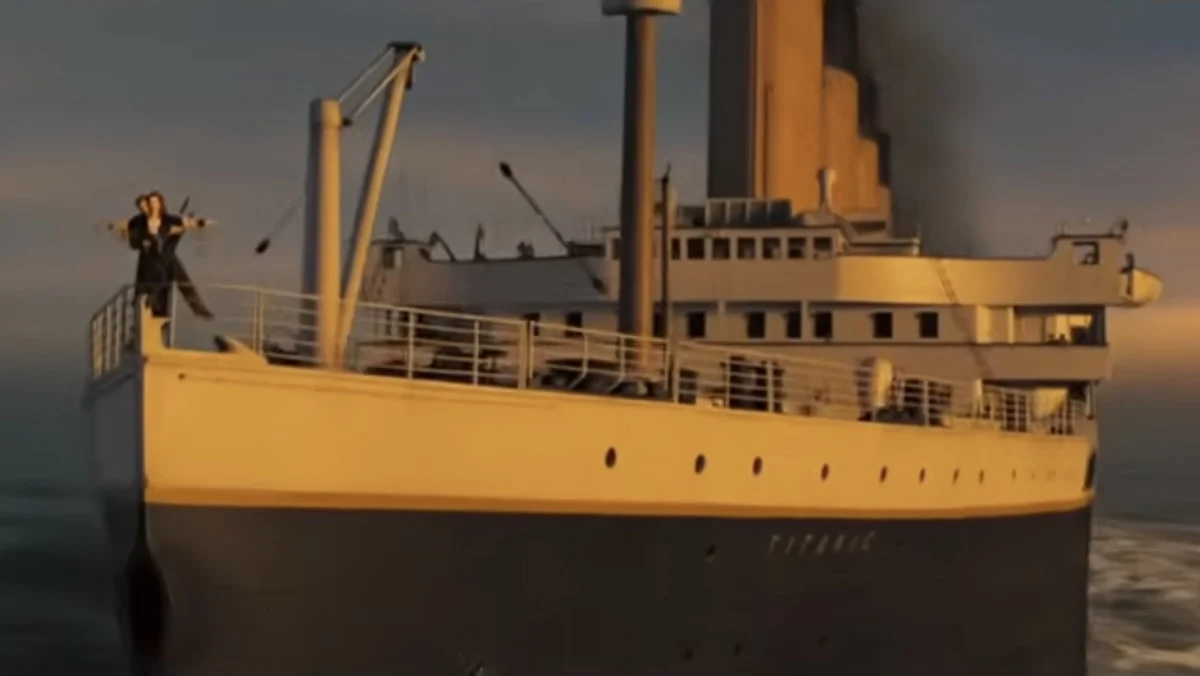
In an effort to introduce the newly christened "Skydance" to the public, Ellison took to social media, publishing an AI-assisted statement accompanied by a promotional video. However, the rollout immediately drew widespread irony and criticism from cultural observers for a striking creative choice: the introductory montage prominently features footage from Titanic, James Cameron’s 1997 cinematic masterpiece centered on the historic, hubris-driven maritime disaster.
Chronology of the Mega-Merger
The path to the creation of Skydance was marked by intense corporate maneuvering, regulatory scrutiny, and public resistance. A timeline of key events highlights how the industry reached this point:
- Late 2024 – Early 2025: Rumors begin circulating across financial markets regarding structural consolidation within legacy Hollywood studios as streaming profitability plateaus and linear television revenue declines.
- Mid-2025: Initial discussions and financial restructuring proposals surface regarding the acquisition of Warner Bros. Discovery assets by rival entities, culminating in a fierce bidding war and strategic alignments led by David Ellison’s Skydance Media.
- Late 2025 – Early 2026: Formal merger agreements are drafted between Paramount and Warner Bros. Discovery. Antitrust lawyers and labor unions sound immediate alarms, warning that the combination of two "Big Five" studios will decimate thousands of creative and technical jobs and reduce marketplace diversity.
- Spring–Summer 2026: State attorneys general file formal legal objections, seeking injunctions to halt the transaction on monopolistic grounds. Legal battles play out across federal courts, with corporate defense teams arguing that consolidation is necessary for legacy studios to compete with big tech giants.
- October 2026: A federal judge formally dismisses the final state-level objections, clearing the remaining legal roadblocks.
- October 2, 2026: CEO David Ellison takes to social media to announce the official name of the combined entity—Skydance—accompanied by a promotional video featuring clips from Titanic, instantly sparking internet commentary and industry-wide debate.
- Early Next Week: The merger is scheduled to officially close, formally fusing Paramount and Warner Bros. Discovery under the Skydance banner.
Supporting Data and Corporate Messaging
In his official statement released via social media, Ellison framed the multi-billion-dollar merger as an evolutionary leap for the entertainment industry rather than a retreat:
"What once was the peak, is now just the beginning. Paramount and Warner Bros. shaped over a century of culture. By combining them, we aren’t rewriting history — we’re equipping these iconic studios with a more powerful engine. Together, we are Skydance: a creative-first home…"
Financial analysts note that the newly formed Skydance will wield unprecedented leverage over theatrical box offices, streaming subscriptions, and global television production. By absorbing Warner Bros. Discovery’s extensive vault—including DC Comics, HBO, and the Warner Bros. lot—alongside Paramount’s legacy assets (such as Star Trek, Mission: Impossible, and the historic Melrose Avenue studio), the company controls a staggering percentage of popular culture’s most lucrative intellectual property.
Yet, underlying this financial consolidation are stark economic realities for the workforce. Industry labor organizations project that structural redundancies will result in thousands of layoffs across administrative, production, and marketing departments over the next twelve to eighteen months.
Official Responses and Industry Reaction
The corporate leadership of Skydance continues to project an image of unstoppable growth and creative revitalization. Executives maintain that streamlining operations will reduce overhead costs, allowing the studio to invest more heavily in cutting-edge technology, AI integration, and large-scale cinematic spectacles.
However, the creative community has responded with profound apprehension. Writers, directors, and independent producers have expressed deep anxiety over the centralization of greenlighting power. When two massive studios merge into one, the total number of independent buyers in the marketplace shrinks, reducing the avenues available for original pitches, mid-budget dramas, and diverse storytelling.
Compounding these economic fears was the baffling execution of the public rebranding campaign. By launching a corporate merger video with footage of the Titanic—a vessel famously marketed as unsinkable, rushed forward at maximum speed by overconfident executives, and ultimately destroyed after striking an iceberg—Skydance inadvertently provided critics with a potent metaphor.
Cultural commentators and social media users were quick to point out the dark historical parallels:
- The Hubris: The belief by corporate architects that their financial vessel is too massive to fail.
- The Maiden Voyage: The immediate push for full-speed expansion despite known hazards in the economic climate.
- The Iceberg: Looming regulatory penalties, subscriber fatigue, streaming churn, and potential antitrust actions waiting just beneath the surface.
While studio loyalists argue that referencing an Academy Award-winning blockbuster like Titanic was merely a celebration of cinematic history, the juxtaposition of a fatal maritime disaster with a high-stakes corporate acquisition has proven difficult for observers to unsee.
Implications for the Future of Hollywood
The birth of Skydance marks a watershed moment in the history of cinema and television. As legacy media companies desperately scramble to achieve the scale necessary to survive in an era dominated by Silicon Valley tech conglomerates, the traditional studio system is rapidly disappearing.
What remains is an oligopoly where fewer corporate entities control a vast majority of global entertainment output. For consumers, this could mean further price hikes on streaming services, reduced variety in theatrical releases, and a homogenized approach to content creation driven by algorithmic optimization and risk-averse intellectual property mining.
For creatives, the landscape grows increasingly narrow. With fewer corporate gatekeepers controlling the keys to historical studio lots, original voices face higher hurdles in getting projects financed and produced outside of pre-established franchise ecosystems.
As Skydance formally takes the helm next week, the crew and passengers of this newly forged mega-studio are stepping onto a deck built on massive promises, immense capital, and unprecedented consolidation. Whether this new vessel will successfully navigate the treacherous icefields of modern media economics—or whether history’s most famous maritime metaphor will prove uncomfortably prophetic—remains to be seen. For now, leadership insists it is full steam ahead.
