
Mastering the Illusion of Clay and Glue: Inside the Making of Tales from Outer Suburbia
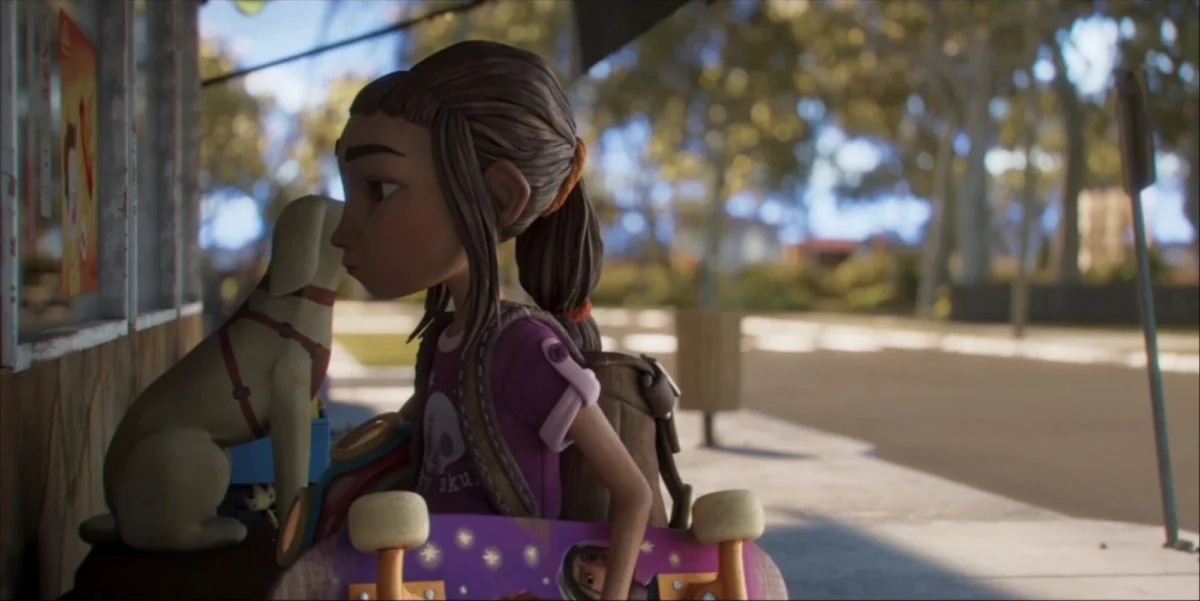
When viewers peer closely at the characters in the critically acclaimed Australian animated series Tales from Outer Suburbia, they are treated to a masterclass in digital deception. Hidden beneath the eyebrows of the show’s meticulously sculpted puppets are microscopic smears of dried glue. A closer inspection reveals subtle air pockets trapped within the clay of their cheeks and authentic-looking thumbprints pressed gently into high-gloss surfaces.
Every single imperfection has been painstakingly engineered. Yet, despite appearances, not a single physical armature, slab of modeling clay, or miniature set was ever touched by an animator’s hand.
Instead, this tactile triumph is entirely the product of a computer-generated (CG) framework—a stunningly ambitious gamble by director Noel Cleary and his creative team to bridge the gap between physical stop-motion puppetry and high-end digital animation. Adapted from acclaimed author and illustrator Shaun Tan’s beloved, surrealist illustrated anthology, the Australian Broadcasting Corporation (ABC) series has quietly become a global phenomenon since its January 1, 2026 premiere.
Main Facts: A Digital Masterpiece Disguised as Stop-Motion
Tales from Outer Suburbia is a ten-episode animated anthology series produced by Flying Bark Productions and Highly Spirited. The narrative follows 12-year-old Klara, her six-year-old brother Pim, and their newly single mother, Lucy, as they relocate to the eccentric fringes of an outer suburb. Their summer holiday quickly devolves into a string of quietly surreal, magical-realist encounters while they simultaneously navigate the heavy emotional terrain of a missing father and a fractured family.
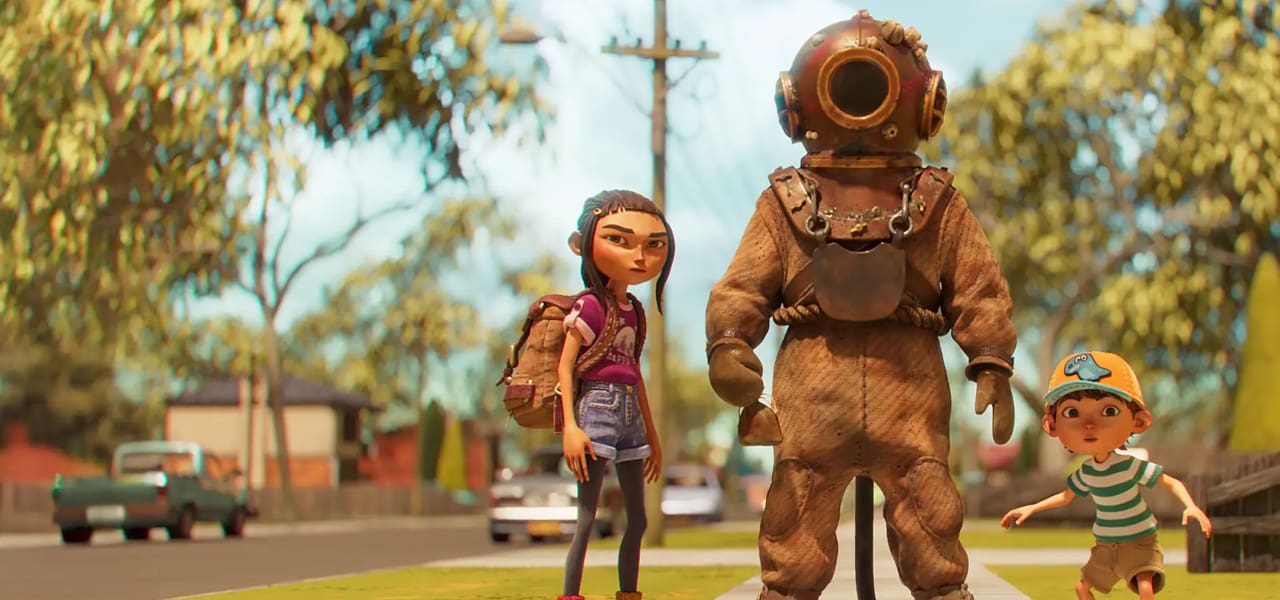
The series features Shaun Tan serving as creative director, with Sophie Byrne and Alexia Gates-Foale producing. Directing duties fell to Noel Cleary, whose vision was to emulate the physical constraints and aesthetic warmth of stop-motion legends like Laika or Red Nose Studio entirely within a 3D digital pipeline.
The gamble has paid off spectacularly. Since launching, the series has swept the international circuit, picking up prestigious accolades at the Asian Academy Creative Awards, the Venice TV Awards, the Animator 2026 festival, and the prestigious NHK Japan Prize in Tokyo. For audiences in the United States, the full series is currently available to stream for free on BYUtv.
Chronology: From a Blank Page to Global Acclaim
The journey of Tales from Outer Suburbia began with a daunting creative hurdle. Shaun Tan and producer Sophie Byrne initially approached Flying Bark Productions with the book, uncertain of how to translate its fragmented, standalone vignettes into a cohesive television format. Producer Alexia Gates-Foale handed the anthology to Noel Cleary, posing a simple question: "If you were going to make this, how would you make it?"
Cleary’s answer formed the bedrock of the entire production: "I would love to do a stop-motion show that’s fully CG, but really lean into the stop-motion aspect so much that it’s hard to tell sometimes." With Flying Bark VFX supervisor Anders Thönell confident in the technical execution, and Tan instantly on board—having grown up idolizing classic Rankin/Bass holiday specials and vintage anime like Astro Boy—the greenlight was given.
.png)
Writers Sam Carroll and Lally Katz faced the arduous task of transforming a book devoid of recurring characters into a unified narrative. They selected ten distinct stories from Tan’s collection and threaded a continuous family arc through them.
Production was globally distributed. Animation was primarily handled by Digitoonz in India, with supplementary work by Siamese in Perth, Australia. Cleary and his animation director spent an intense month working seven-day weeks at the Indian studio, training artists to embrace restraint.
By early 2026, the series made its official debut on ABC in Australia, followed by a celebrated run on the international festival circuit—including a memorable screening at Annecy and workshops held by Cleary for young audiences at a family-focused festival in Kaohsiung, Taiwan.
Supporting Data and Technical Craftsmanship: Replicating the Imperfect
The astonishing authenticity of Tales from Outer Suburbia is no accident; it is the result of exhaustive visual research and bespoke digital texturing.
Textures and Materials
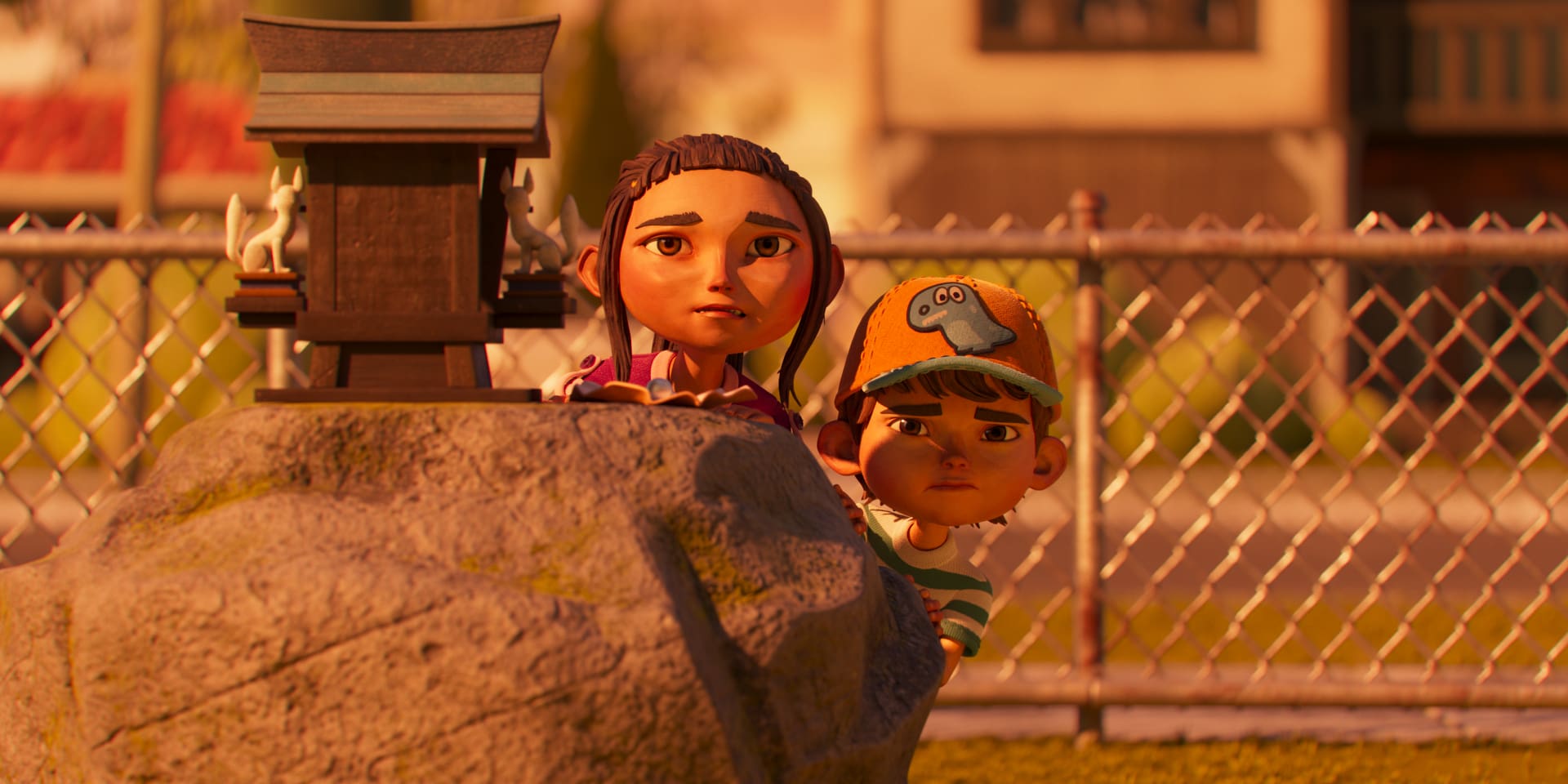
To nail the handmade aesthetic, the production crew spent months studying physical stop-motion puppets. They established a digital "recipe" to mimic physical materials using texturing software like Substance Painter. Characters boast synthetic clay skin, cloth bodies, hair crafted from rigid leather straps, and an array of metals—ranging from genuine and enamel-painted metals to ordinary plastics distressed to resemble industrial surfaces.
Careful attention was paid to human anatomy within the puppet constraints. The team discovered that applying heavy clay textures around the mouth made characters look uncomfortably rubbery. Consequently, the clay texture was deliberately isolated to the harder, bony contours of the face where skin wouldn’t naturally stretch.
Simulating the Camera and Lighting
The digital camera was subjected to the same analog constraints. The team calculated what physical lenses a crew would use on a miniature set featuring a 15-centimeter-tall character. They then meticulously simulated the imperfections of shooting at a choppy 12 frames per second.
Because physical stop-motion frames are captured minutes apart, real-world lighting often flickers and drifts slightly in color temperature. The CG lighting crew replicated this phenomenon deliberately. Furthermore, digital artists peppered the assets with classic stop-motion artifacts: thumbprints on polished surfaces, subtle light leaks, and microscopic globs of dried glue hidden beneath synthetic eyebrows.
Restrained Animation
Modern stop-motion relies heavily on sophisticated face-replacement systems that limit expressive ranges. Cleary intentionally hobbled the character rigs to mimic these physical limitations.
"Even though it is quite limited, you can look at it for a long time, because photographically it looks so beautiful," Cleary noted during interviews.
To achieve this, Cleary and his team spent weeks at Digitoonz training artists to "do less, but do it with more intention."
Official Responses and Creative Philosophy
The philosophical core of Tales from Outer Suburbia lies in its peculiar emotional rules—a framework that even caught its original creator off guard.
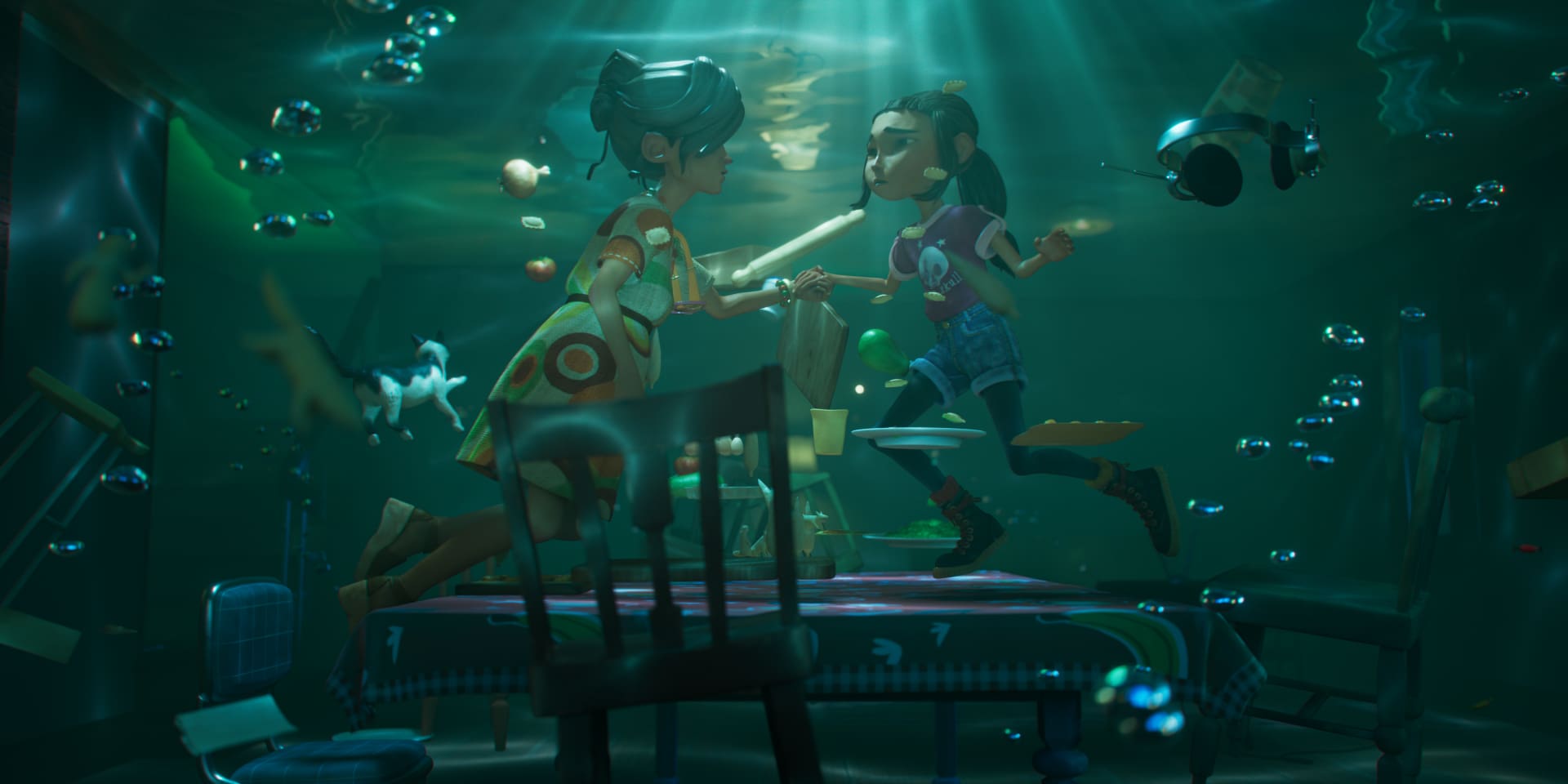
When Noel Cleary first pitched his interpretation of Tan’s universe to the author, he observed a recurring thematic pattern: "When I looked at Shaun’s work, I was like, okay, generally in your world, if someone has an emotional problem, it manifests as a physical entity." Tan was reportedly stunned by the observation, admitting that no one had ever analyzed his work quite that way.
This thematic spine dictated everything from the narrative’s understated comedic timing—which favors quiet, quirky vignettes over bombastic physical gags—to its deliberately ambiguous resolutions. Tan staunchly opposed "closed-loop" storytelling where every loose end is tied up neatly. Instead, the creators embraced open-ended conclusions, trusting that young viewers would interpret the surreal events through their own unique emotional lens.
Sound design was integrated into the production pipeline at the earliest animatic stages. Under editors Adam Rainford and Jonathan Tappin, the team roughed in sound templates before handing them over to composers Ned Beckley and Josh Hogan of Envelope Audio. Combined with field recordings of Australian bushland gathered over 15 years by sound designer Tom Allum, the music and audio were engineered simultaneously. As Cleary explained, because sound and music were forged as a single entity, they never fought for dominance on the soundstage.
Implications: A New Frontier for Digital Animation
The critical triumph and festival dominance of Tales from Outer Suburbia carry profound implications for the broader animation industry. For years, the industry has maintained a rigid dichotomy: CG animation was praised for its slick fluidity and sprawling scale, while stop-motion was revered for its tangible warmth, human touch, and physical intimacy.
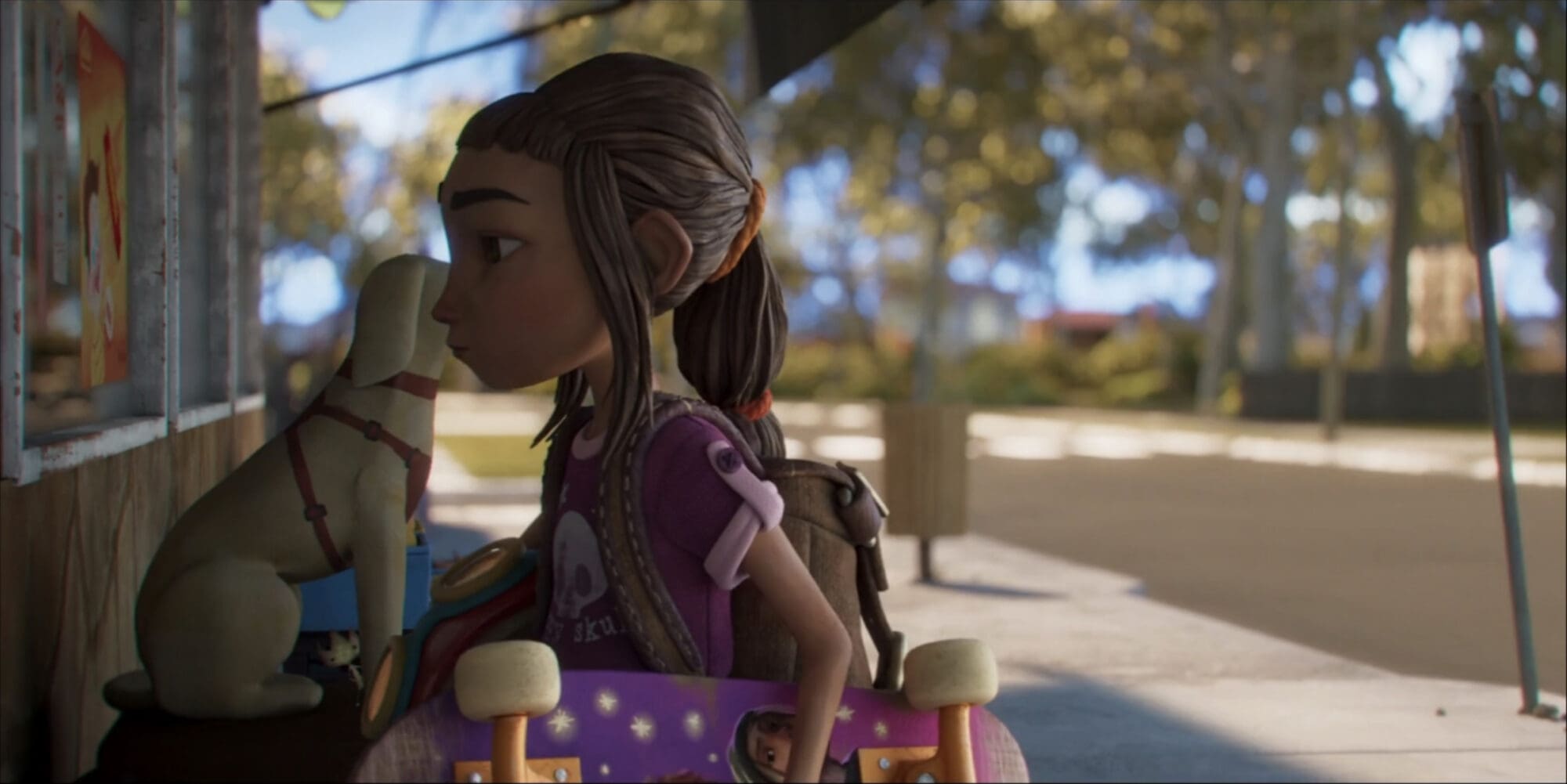
By demonstrating that a purely digital pipeline can faithfully reproduce—and even weaponize—the physical flaws, lighting drifts, and tactile artifacts of stop-motion, Cleary, Flying Bark Productions, and Shaun Tan have shattered traditional boundaries. The series proves that digital tools do not inherently demand hyper-glossy, frictionless perfection.
Instead, Tales from Outer Suburbia opens a compelling new frontier for independent and commercial animation alike. It shows that artists can harness the immense flexibility and cost-efficiencies of 3D pipelines without sacrificing the soul, nostalgia, and emotional resonance of a handmade puppet show. As audiences increasingly crave authenticity in an increasingly synthetic media landscape, this groundbreaking aesthetic hybrid may well define the next wave of storytelling in children’s and family television.
