
Studio Jadu: Democratizing Animation Through AI-Assisted Creative Agency
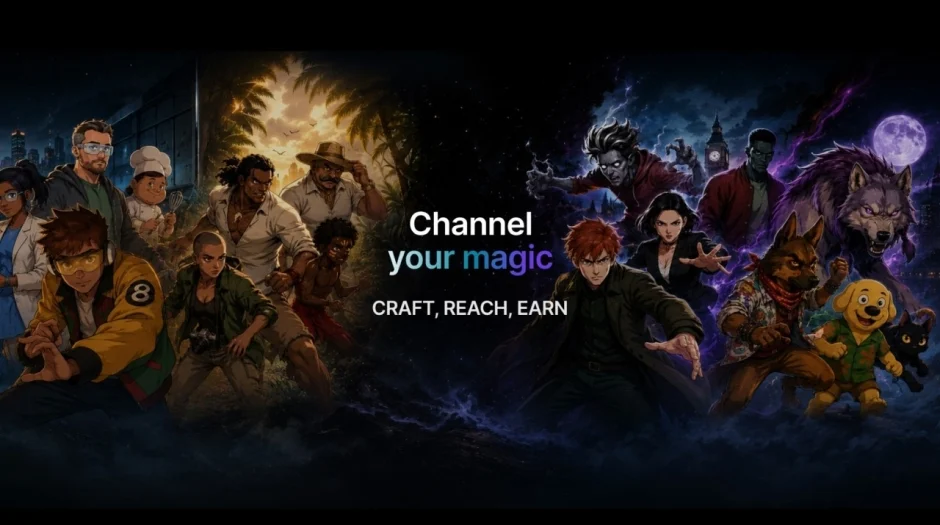
The landscape of independent animation is undergoing a seismic shift as San Mateo-based startup Studio Jadu emerges from stealth, backed by heavyweights like Khosla Ventures and Shakti VC. Founded by Masoud Loghmani—a veteran architect of creator monetization products at industry giants YouTube and TikTok—Studio Jadu aims to bridge the gap between solo storytellers and the high-fidelity production quality typically reserved for major studios. By leveraging their proprietary AI tool, AIDA (AI Director’s Assistant), the company is positioning itself not as a replacement for human animators, but as a "creative soundboard" that empowers creators to maintain total artistic control while scaling their output to reach global audiences.
The Genesis of Studio Jadu: A Vision for Creator Equity
The founding of Studio Jadu is rooted in a fundamental observation of the modern digital economy: while creators have unprecedented access to distribution platforms, the technical and financial barriers to producing high-quality, long-form animated content remain prohibitively high.
Masoud Loghmani, drawing from his tenure at the epicenter of the creator economy, identified a critical bottleneck. "At Studio Jadu, we’re backing creators with the tools they need to bring their stories to life while retaining artistic control," Loghmani stated during the launch announcement. The company’s mission is built on three pillars: technical empowerment, community building, and an equitable revenue-sharing model that ensures artists are not merely hired hands, but stakeholders in the success of their intellectual property.
AIDA: The "Director’s Assistant" Paradigm
At the heart of the Studio Jadu ecosystem lies AIDA. In an era where "prompt-to-video" AI tools are often criticized for stripping the "soul" out of creative work, Studio Jadu is careful to differentiate its technology. AIDA is explicitly designed as a collaborative partner rather than an automated generator.
The Technical Framework
AIDA functions as an AI Director’s Assistant that translates an artist’s script and creative intent into high-fidelity animation. Unlike systems that prioritize rapid, low-quality generation, AIDA is calibrated to act as an extension of the creator’s vision. It allows for iterative refinement, ensuring that the stylistic nuances—the "labor of love"—remain firmly in the hands of the human director.
Redefining the Animation Pipeline
Traditionally, animation is a capital-intensive, time-consuming process requiring massive teams of storyboarders, riggers, and animators. By offloading the repetitive labor of frame-by-frame rendering and asset management to AIDA, Studio Jadu allows solo creators or small teams to focus on the narrative and emotional beats of their projects. This shift effectively democratizes the production pipeline, allowing individual artists to compete with established studios in terms of visual polish and frequency of delivery.
Chronology: From Concept to Global Fandom
The trajectory of Studio Jadu has been one of quiet, methodical development followed by rapid market penetration.

- Foundation & Development: Working behind the scenes in San Mateo, Loghmani and his team developed the AIDA framework, focusing on user experience for animators rather than just raw technical capability.
- Pilot Phase: The studio began testing its capabilities with a slate of diverse genres. This included The Future Was Awesome, a comedic project spearheaded by four-time Emmy winner Fred Graver; Sentinels, a high-stakes thriller; and SDF, a supernatural mystery series.
- Building the Infrastructure: Beyond production, the studio invested heavily in the "creator’s lifecycle"—distribution, marketing, and fan engagement. This holistic approach has already yielded tangible results, with the Studio Jadu network accumulating over 2.5 million subscribers on YouTube.
- Public Launch & Pioneer Program: With the infrastructure proven, the company officially opened its doors to external applicants, launching the "Pioneer Program" to find the next generation of animation talent.
Supporting Data: Why Now?
The animation industry is currently at a turning point. According to recent market analysis, the demand for short-form and serialized episodic animation on digital platforms has surged by over 40% in the last three years. However, the supply of content remains bottlenecked by production costs.
Studio Jadu’s model addresses this by:
- Lowering the Cost per Minute: By reducing the man-hours required for animation, the studio lowers the barrier to entry for independent storytellers.
- Audience Retention: By focusing on "fandom development," the studio ensures that content doesn’t just exist; it builds a community. Their current reach of 2.5 million subscribers serves as a validation that their AI-assisted shows resonate with modern viewers who are accustomed to the pacing and style of digital-native content.
- Capital Investment: The backing from Khosla Ventures and Shakti VC indicates strong institutional confidence in the "Creator Economy 2.0" model, where creators are viewed as micro-studios rather than just content producers.
Official Responses and Strategic Direction
The industry reception to Studio Jadu has been marked by curiosity, particularly regarding the role of the creator. Loghmani has been clear in his public communications: the goal is not to automate art, but to automate the burden of production.
"We are providing a creative soundboard," a company spokesperson noted, emphasizing that the human in the loop is the ultimate arbiter of style. By offering a "Pioneer Program," the studio is actively seeking creators—specifically those with an interest in anime-inspired aesthetics—who are prepared to take an active, hands-on role in directing their work. This is not a platform for passive content generation; it is a platform for directors who want to use advanced technology to scale their reach.
Implications for the Animation Industry
The arrival of Studio Jadu carries significant implications for the future of entertainment.
1. The Rise of the "Micro-Studio"
We are witnessing the end of the era where only legacy studios can produce compelling animated series. If a solo creator with a laptop and AIDA can produce a show that rivals the aesthetic quality of traditional animation, the balance of power shifts from the boardroom to the creator’s desk.
2. A New Paradigm for Monetization
By sharing revenue directly with the creators, Studio Jadu is challenging the standard "work-for-hire" model that has historically dominated the animation industry. This incentive structure is designed to attract high-level talent who may be tired of seeing their intellectual property absorbed by large, impersonal conglomerates.

3. The Future of AI in Creative Arts
Studio Jadu’s success—or failure—will serve as a bellwether for how the creative industry adopts AI. If they succeed, they provide a roadmap for "ethical" AI integration, where the technology is treated as a specialized tool for artists, rather than a cost-cutting measure designed to replace them.
4. Cultural Impact: Anime and Beyond
The focus on "anime-inspired" projects in their Pioneer Program is a strategic nod to the most rapidly growing segment of the animation market. By providing the tools to create high-quality, long-form anime-style content, Studio Jadu is positioning itself to capture the attention of a massive, global, and highly engaged audience.
Conclusion: A New Frontier for Storytelling
Studio Jadu is not merely a software company; it is a full-stack creative studio that recognizes that the future of entertainment lies in the hands of independent creators. By equipping these artists with the AIDA toolset and providing the support structure for distribution and monetization, the company is effectively lowering the wall between an idea in a creator’s head and a finished, high-quality animated series on a screen.
As the Pioneer Program begins to accept new talent, the industry will be watching closely. If Studio Jadu can maintain the delicate balance between AI-powered efficiency and the necessary, messy, human element of artistic intuition, they may well redefine what it means to be an animator in the 21st century. For the creator who has a vision but lacks the budget, the barrier to entry has never been lower, and the potential for impact has never been higher.
Those interested in participating in this shift are encouraged to visit the Studio Jadu creators page to learn more about the Pioneer Program and the requirements for submission. In the words of the company’s leadership, the goal is simple: to help creators build the worlds they’ve always imagined, one frame at a time.
