
The Handheld Revolution: How DJI and Insta360 Captured 93% of a Booming Global Market
By the Tech & Industry Desk
Published: September 2026
Main Facts: A Duopoly Reshapes the Content Creation Landscape
The global landscape for content creation hardware has undergone a seismic shift. According to the latest Worldwide Handheld Smart Camera Tracker report released by the International Data Corporation (IDC) for the second quarter of 2026, the global market for handheld smart cameras is experiencing an unprecedented boom.
Encompassing action cameras, dedicated gimbal cameras, and 360-degree cameras, total worldwide shipments skyrocketed to 5.88 million units in Q2 2026—representing an astonishing 57% year-over-year increase. Sales revenues mirrored this explosive volume growth, pulling in $2.34 billion globally, up 50% from the same period in 2025.
However, the most striking takeaway from the IDC data is not merely the market’s expansion, but its dramatic consolidation. Two major tech titans—DJI and Insta360—now command a staggering 93% combined market share of the global handheld smart camera industry. Rather than engaging in a direct, all-out war across every single vertical, the two giants have effectively partitioned the ecosystem: DJI dominates the surging gimbal camera market, while Insta360 maintains an iron grip on the 360-degree sector. Meanwhile, once-dominant legacy pioneer GoPro continues to see its market position severely eroded across all categories.
Chronology: How the Market Reached the 2026 Tipping Point
To understand how the handheld camera market achieved a 57% year-over-year surge in Q2 2026, one must look back at the strategic pivots and product rollouts that set the stage over the preceding twenty-four months.
- 2024–2025 (The Innovation and Form-Factor Expansion Phase): DJI cemented its dominance in the pocket-sized video space with the runaway success of the Osmo Pocket 3, proving that consumers desired dedicated, stabilized pocket-vlogging tools over smartphones for high-end casual video. Simultaneously, Insta360 pushed the envelope in immersive imaging with cutting-edge software integration, spatial capture capabilities, and modular hardware designs.
- Late 2025 (The Detachable Pivot): Action camera manufacturers shifted development focus toward detachable-form-factor models. Unlike traditional fixed action cameras, these modular units allowed creators to split components—such as separating the screen from the lens module—driving massive consumer interest.
- Q1 2026 (Pre-Summer Buildup): Entering 2026, market analysts noted declining average selling prices (ASPs) across major categories. Hardware became more accessible, dropping by roughly 4% to 6% per unit, which greased the wheels for mass adoption ahead of the traditional summer travel and creator season.
- Q2 2026 (The Q2 Milestone): IDC’s tracker captures this exact moment. Buoyed by aggressive summer promotional campaigns and a flurry of new product announcements—such as the anticipation surrounding the DJI Osmo Pocket 4P and Insta360’s aggressive North American retail expansion—shipments surged to 5.88 million units in a single quarter.
Supporting Data: Breaking Down the Numbers
A deep dive into the IDC Q2 2026 Handheld Smart Camera Tracker reveals distinct performance metrics across product categories, geographic strategies, and corporate market shares.
1. Overall Market Share Breakdown
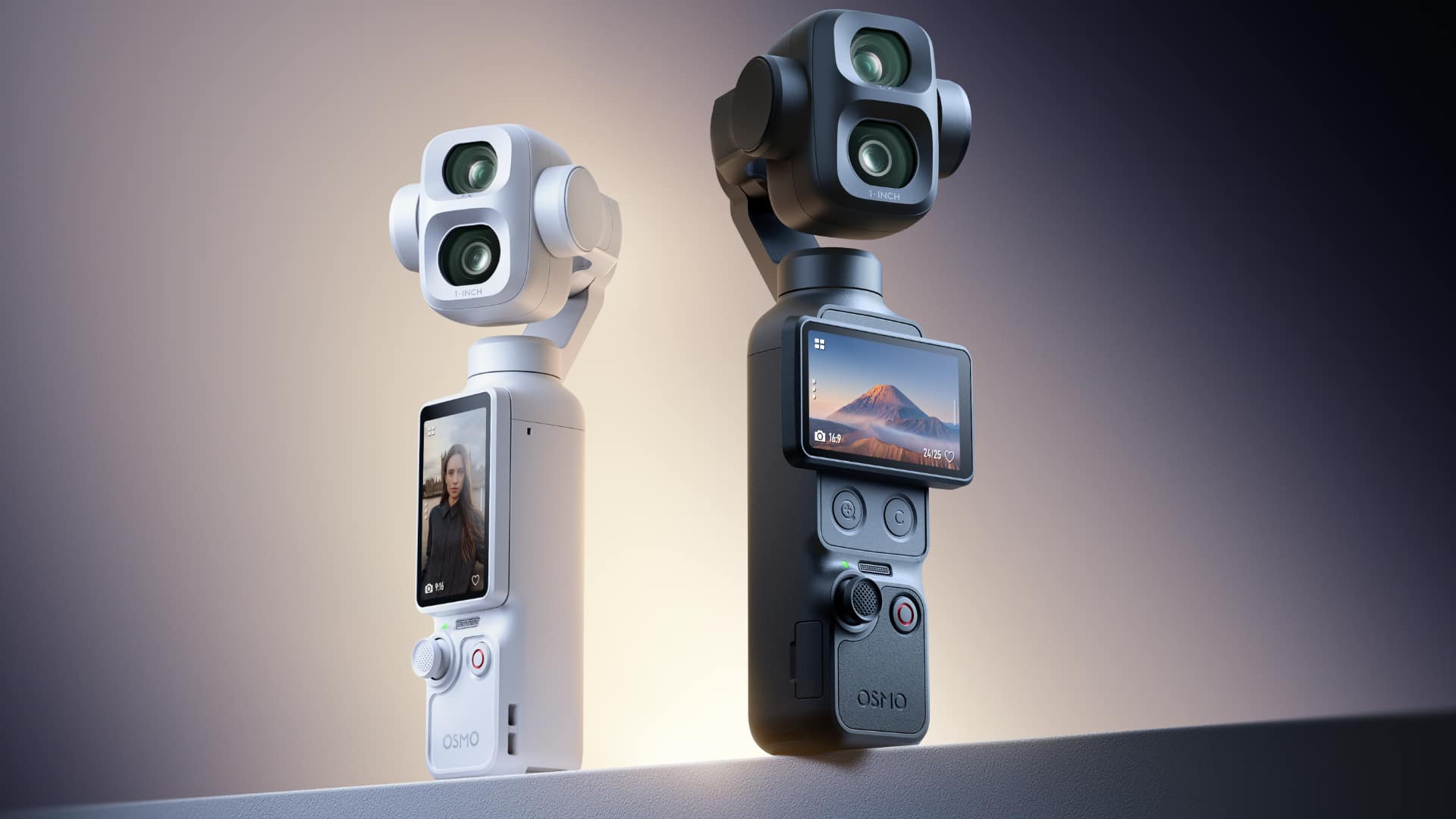
- DJI: Controls 73% of the overall global market, shipping an impressive 4.28 million units in Q2 alone—a massive 87% year-over-year increase.
- Insta360: Holds 20% of the global market, shipping 1.15 million units, representing a solid 40% year-over-year growth.
- Combined Duopoly: Together, DJI and Insta360 control 93% of the entire handheld smart camera market, leaving just 7% for GoPro and all other minor competitors combined.
2. Gimbal Cameras: The Growth Engine
- Volume & Growth: Gimbal cameras were the fastest-growing category by volume, shipping 2.80 million units in Q2—an 87% surge compared to Q2 2025.
- DJI’s Stronghold: DJI commands a 60% share of the gimbal camera segment alone, heavily anchored by the Osmo Pocket series. Analysts anticipate this figure will climb even higher in Q3 as figures for the newly launched Osmo Pocket 4P are fully factored in.
- Pricing: The average selling price (ASP) for gimbal cameras fell by 6% year-over-year to approximately $443, making stabilized pocket shooting more affordable than ever.
3. Action Cameras and the Battleground
- Volume & Growth: Action cameras—the segment where DJI, Insta360, and GoPro compete most fiercely—shipped 2.55 million units, up 47% year-over-year.
- Form-Factor Shifts: Detachable-form-factor action cameras experienced explosive growth, skyrocketing by over 300%, vastly outperforming traditional fixed-form models, which grew at a modest 22%.
- Pricing: The average selling price for action cameras dropped 4% to $338.
4. 360-Degree Cameras: A Steady Niche
- Volume: The 360 camera sector grew to over 530,000 units in Q2.
- Growth Rate: While positive, this segment is maturing at a slower pace, up only 4% year-over-year.
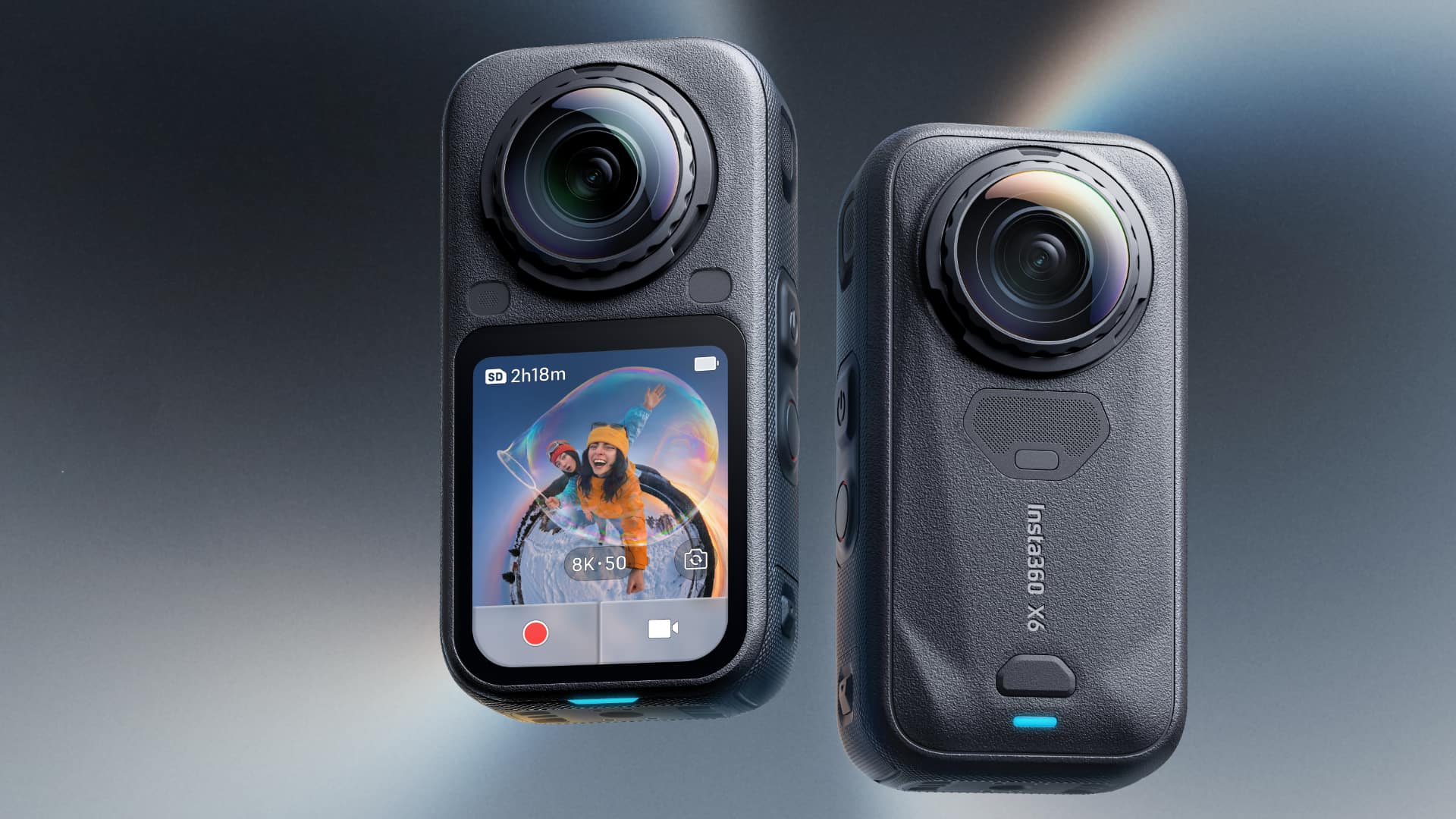
- Insta360’s Monopoly: Insta360 commands a commanding 73% share of the 360-degree camera segment, heavily bolstered by flagship releases like the high-resolution Insta360 X6.
Official Responses and Market Perspectives
Industry stakeholders, market analysts, and corporate leadership have responded to the IDC report with a mix of celebration, strategic repositioning, and cautious optimism regarding geopolitical hurdles.
The Rise of Insta360 and US Expansion
While DJI leads in raw volume due to its grip on the gimbal sector, Insta360 is aggressively playing a long-term strategic game, particularly in Western markets. Despite ongoing regulatory and political scrutiny facing Chinese tech hardware in the United States, Insta360 has doubled down on its physical retail presence. The opening of its high-profile flagship store in New York City’s Times Square signals a bold commitment to direct-to-consumer brand building.
Furthermore, industry insiders point out that Insta360’s upcoming product pipelines—including advanced spatial capture tools and the expansion of its Luna series of gimbal cameras—are explicitly designed to chip away at DJI’s near-monopoly in the stabilization market.
The Struggle of Legacy Competitors
The IDC data spells grim news for legacy market leader GoPro. According to the tracking data, GoPro’s shipments suffered catastrophic declines across its product portfolio in Q2 2026, with action camera shipments tumbling 49% and 360-degree camera shipments plunging 61%.
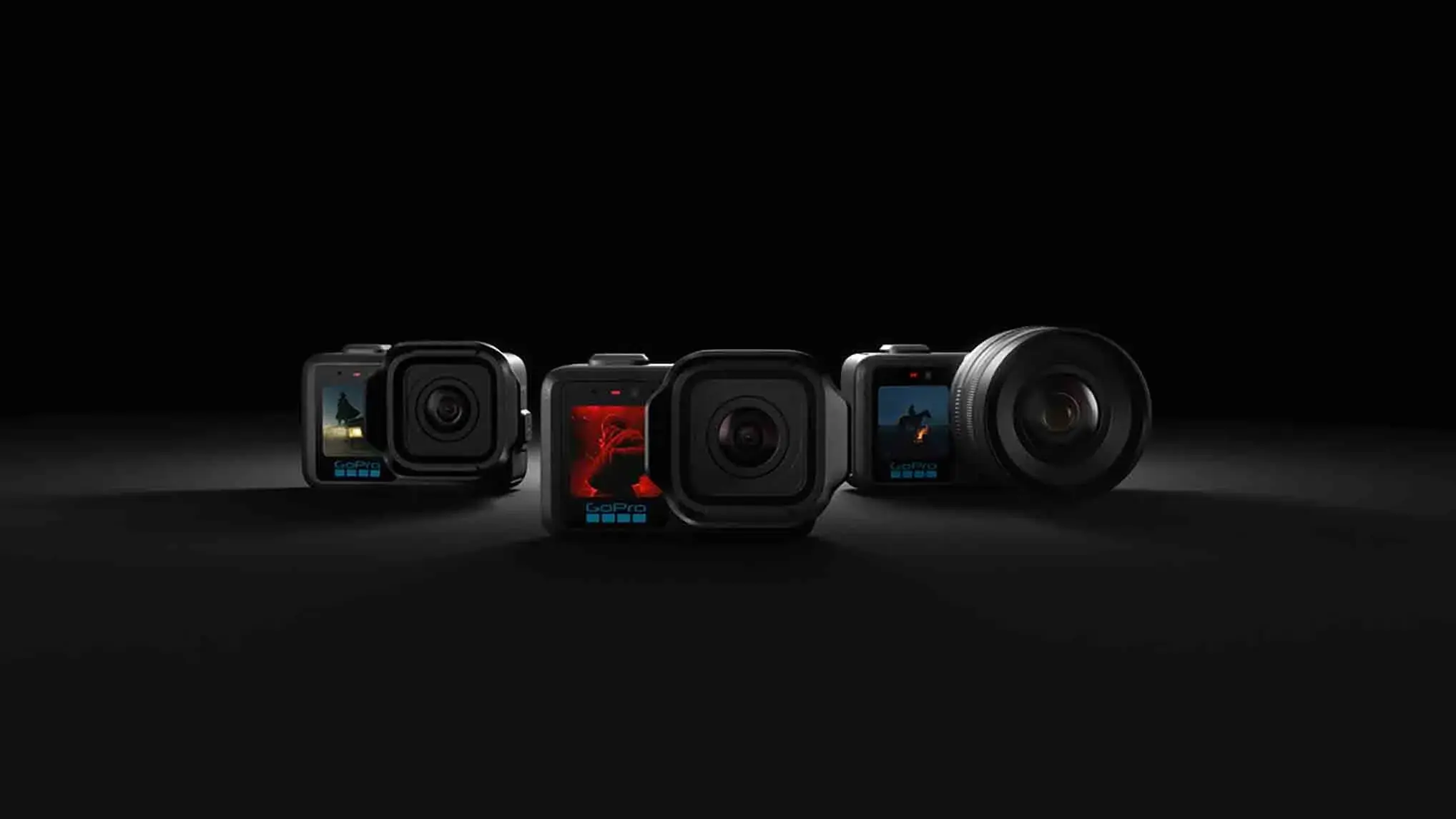
Industry watchers note that the introduction of GoPro’s long-anticipated Mission 1 series will be the ultimate litmus test for whether the iconic action camera brand can mount a successful turnaround, or if it will be permanently relegated to a minor player in an ecosystem now dominated by its agile Asian competitors.
Implications: The Road to 2030
The rapid consolidation of the handheld camera market into a two-horse race carries profound implications for consumers, retailers, and competing manufacturers alike.
1. Falling Prices and Democratized Production
With IDC noting steady declines in average selling prices across both gimbal (down 6%) and action cameras (down 4%), high-end stabilization and 4K/8K recording capabilities are increasingly accessible. As hardware commoditizes, brands will be forced to compete less on raw physical specifications and more on software ecosystems, AI-driven editing suites, and user-friendly companion apps.
2. Geopolitical and Regulatory Pressures
The looming shadow of regulatory restrictions on Chinese tech firms in the US market remains a wild card. While consumer demand for DJI and Insta360 hardware remains exceptionally high, any future policy shifts or import tariffs could radically alter supply chains and retail pricing structures in North America, potentially opening a brief window of opportunity for domestic or non-restricted competitors.
3. Long-Term Market Projections
Despite short-term hurdles, the macroeconomic outlook for the sector is exceptionally bright. IDC attributes part of Q2’s success to aggressive summer promotional campaigns, but its long-term forecast suggests structural, secular growth rather than a temporary pandemic-era spike. IDC predicts that global shipments of handheld smart cameras will compound at an annual rate of 20%, pushing total worldwide volume to nearly 41 million units annually by 2030.
As creators continue to demand lighter, smarter, and more versatile tools to feed the global appetite for video content, the battle lines for the remainder of the decade have been drawn. For now, the crown belongs jointly to DJI and Insta360—but in a market growing at 57% a year, the race is far from over.
