
Beyond the Minions: Why DreamWorks’ Forgotten Island is a Masterclass in Animated Storytelling
For decades, the landscape of feature-length animation has been dominated by a handful of titans. While the industry has seen massive shifts—ranging from Pixar’s integration into the Disney corporate machine to the relentless, yellow-hued saturation of Illumination Studios—one name has remained a consistent bastion of creative ambition: DreamWorks Animation. Since its inception, the studio has balanced massive commercial successes like Shrek and How to Train Your Dragon with poignant, risk-taking narratives like The Prince of Egypt and the more recent, critically acclaimed The Wild Robot.
With the release of Forgotten Island, DreamWorks once again asserts its status as a studio that prioritizes imaginative, emotionally resonant storytelling over the assembly-line sequel culture that has begun to plague its competitors.
The Core Narrative: A Study in Female Friendship
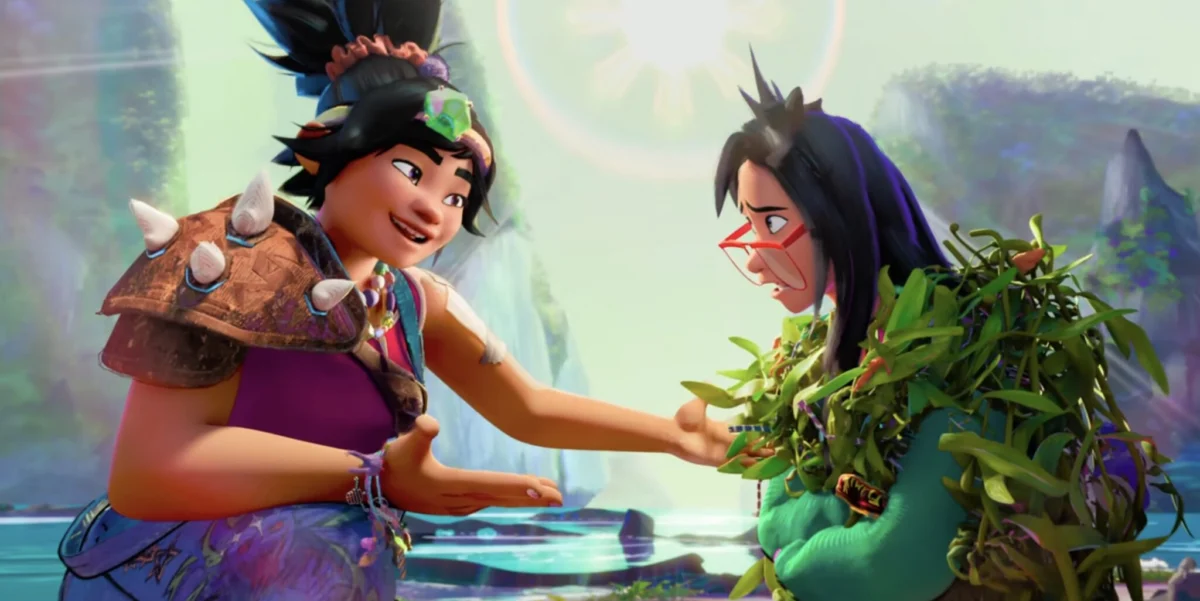
At its heart, Forgotten Island is a rare cinematic exploration of the complexities of girlhood. Too often, animation is bifurcated into stories for boys or gender-neutral "family" adventures. Forgotten Island carves out its own space, focusing on the volatile, life-altering, and deeply specific bond between two young women: Jo Yuson (voiced by H.E.R.) and Raissa Molina (Liza Soberano).
The film’s inciting incident is a testament to its character-driven focus. The duo’s friendship begins in the principal’s office—a classic trope subverted by the context. Jo, a fierce advocate for her grandmother’s stories, is punished for tackling a classmate who dismissed her heritage as mere fiction. Raissa, the brilliant, pedantic intellectual, is sent down the hall for passionately defending the reality of the mythical Manananggal. From these disparate but complementary sparks, an iconic partnership is born.
Chronology of an Adventure
The film tracks the duo through years of shared "shenanigans," grounded by the presence of Jo’s grandmother, or lola (Dolly de Leon). The lola serves as the bridge to Nakali, the titular forgotten island where Filipino folklore is not just a collection of bedtime stories, but a living, breathing reality.
The Path to Nakali
As the protagonists transition toward adulthood, the narrative arc shifts from childhood wonder to the encroaching reality of separation. Following the death of her grandmother, Jo finds herself adrift, working a dead-end job as a fast-food mascot. Simultaneously, the academically gifted Raissa reveals she is departing for CalTech. The tension culminates in a final, chaotic night of celebration where the pair discovers a mysterious key—a sand dollar—that transports them to the mythical realm of Nakali.

The Mystery of the Missing Memory
The narrative enters a high-stakes, "road-trip" phase when the pair wakes up on the island with no recollection of the preceding night and, crucially, the loss of their return key. The stakes are immediately raised by the introduction of:
- Manang (Lea Salonga): A powerful, vengeful vampire from whom Raissa has unwittingly stolen wings.
- Raww (Dave Franco): A "were-aspin" who becomes their reluctant guide.
- Batiba (Jenny Slate): A memory-hoarding demon who offers them a way off the island in exchange for the memories of their friendship.
The journey to retrace their steps becomes a metaphor for the fear of losing the connections that define our formative years.
Supporting Data: Technical Artistry and Cultural Research
Forgotten Island succeeds not just in its script, but in its technical execution. The animation team has seamlessly integrated anime-inspired action sequences with the classic, fluid DreamWorks house style.
The soundtrack, composed by Nathan Matthew David, is a standout element of the production. Beyond the strategic use of 80s and 90s nostalgia-inducing pop hits, the production team invested heavily in on-the-ground research in the Philippines. By integrating indigenous musical motifs, the soundscape provides a grounded, authentic texture to the fantastical setting of Nakali.
Visual gags, such as the introduction of Mermahn (a mermaid character voiced by Kevin McCann who wears starfish pasties and communicates in a bizarrely comedic fashion), ensure that the pacing remains tight and the tone never becomes overly solemn, despite the underlying emotional weight of the story.
Industry Implications and Criticisms
The release of Forgotten Island arrives at a pivotal moment for animation. In an online landscape often polarized by debates over "woke" storytelling, the film has faced pre-emptive criticism from certain corners of the internet. However, this reactionary skepticism ignores the film’s universal themes. By centering a narrative on Filipino mythology and the specific, often messy experience of female friendship, DreamWorks is not chasing a trend; it is filling a void in the market.

A Small Quibble
If there is a criticism to be leveled, it lies in the marketing versus the delivery. The film’s promotional materials teased a premise reminiscent of Eternal Sunshine of the Spotless Mind—a high-concept, psychological battle to retain memories of a loved one. The final film, while emotionally potent, opts for a more linear, quest-based narrative. While some may feel this resulted in a missed opportunity for a more cerebral exploration of memory, it remains a minor critique in what is otherwise a highly successful piece of storytelling.
The Cultural Significance of "Messy" Girlhood
Perhaps the most compelling aspect of Forgotten Island is its refusal to sanitize the female experience. The film posits that the bond between best friends is a "frontier all its own."
The revelation that Jo was the architect of their predicament—a decision driven by the selfish, desperate fear of losing her best friend to a future at CalTech—adds a layer of moral complexity rarely seen in mainstream animated features. It is a raw look at how jealousy, fear, and love intersect during the transition to adulthood.
Conclusion: Why It Matters
In an era where audiences are often served pre-packaged, focus-grouped content, Forgotten Island stands out as a genuine labor of love. It is a film that respects its audience’s intelligence and emotional maturity.
For the "90s kids" who grew up with the dawn of DreamWorks’ animation dominance, the film acts as a mirror, reflecting the same growth, loss, and enduring loyalty that shaped their own lives. It is a story about the people who witness our transformation from children to adults, and the lengths to which we will go to keep them in our lives.
As DreamWorks continues to navigate the changing tides of the animation industry, Forgotten Island serves as a strong signal that there is still a massive, hungry audience for original, culturally rich, and deeply human stories. If you have ever had a friend who was more like a sibling than a peer, Forgotten Island is not merely recommended viewing—it is essential. The theater may be where you start the film, but the emotional impact of Jo and Raissa’s journey will likely stay with you long after the final credits roll.
