
From Viral Snark to Silver Screen Stardom: Jordan Firstman’s Cinematic Evolution
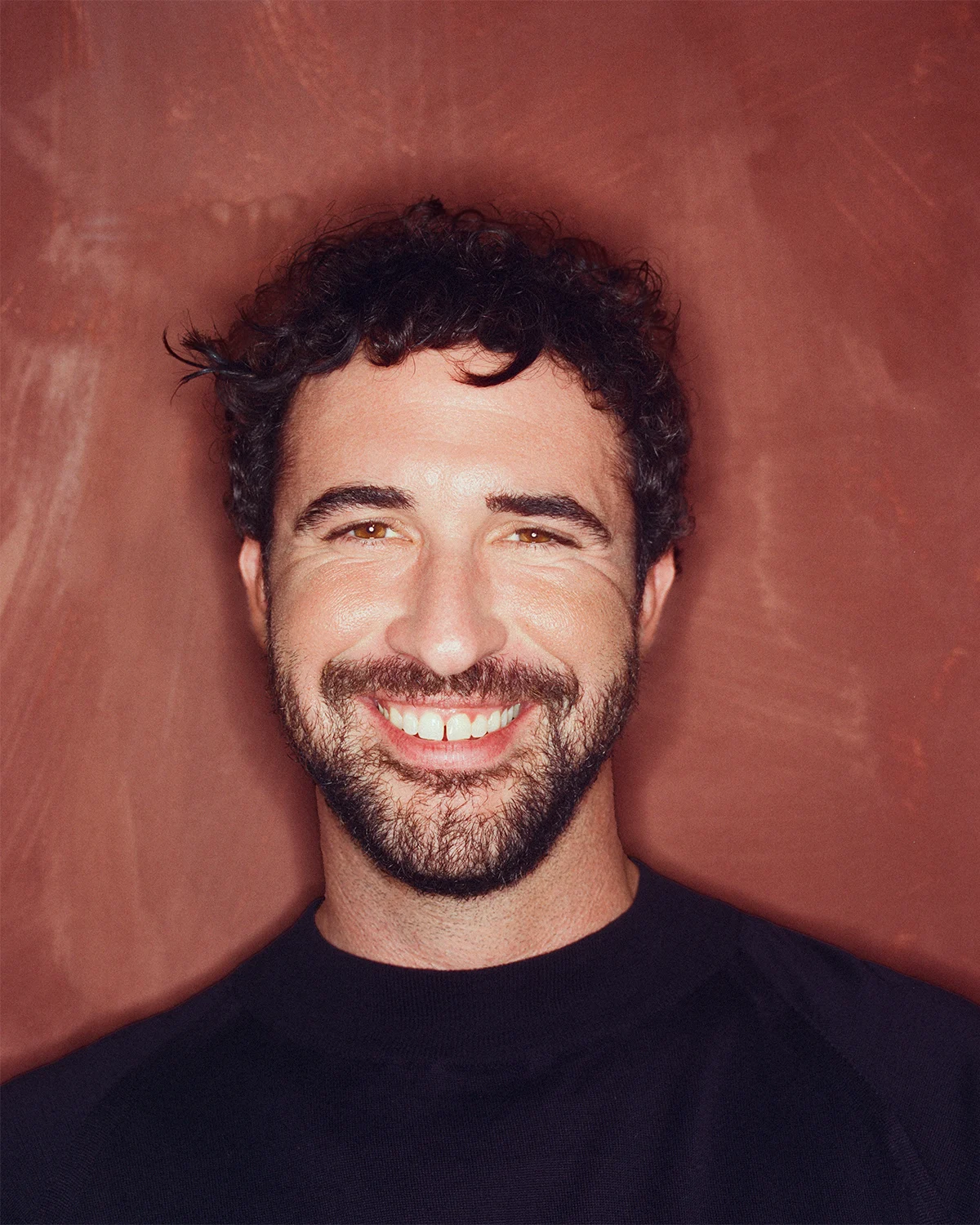
It is 3 p.m. at the Sunset Tower Hotel, the so-called "purgatory hour" that sits suspended between the power lunches of industry titans and the glamorous dinner service of Hollywood’s elite. For Jordan Firstman, it is the perfect time for an Aperol spritz and a trip down memory lane.
A decade has passed since the then-25-year-old was summoned to this same iconic location by über-producer Greg Berlanti. Back then, Firstman was a budding creator fighting for the integrity of his vision. He had sold a series to Sundance TV based on his short film, Call Your Father, but the network was pushing back against his casting choice: a 50-year-old openly gay actor.
"He wasn’t an unknown; he was a great working actor," Firstman recalls, his voice carrying the weight of a battle-hardened veteran. "The studio was like, ‘We would love to cast a gay actor, but there’s just no one that even touches the level of fame we need to justify you doing the show at this budget.’"
That moment was a crucible. Firstman stood his ground, eventually losing the project, which languished in the purgatory of network mergers before disappearing entirely. Today, at 35, Firstman is no longer fighting for a seat at the table—he is building the table himself. With his feature directorial debut, Club Kid, having sparked a massive $17 million bidding war and secured a coveted A24 release, Firstman has firmly arrived.

A Career Forged in the Digital Trenches
To the uninitiated, Firstman’s rise might seem like an overnight success story, the kind born from a single viral TikTok. To those who have followed his trajectory, however, his success is the culmination of years of sharp-witted labor.
Hailing from the small town of Northport, Long Island, Firstman followed the well-worn path of queer creatives to New York City. He cut his teeth in the writers’ rooms of cult favorites like The Other Two, Search Party, and Big Mouth. His reputation for razor-sharp social commentary was cemented in 2020 when he penned a sketch for the Independent Spirit Awards hosted by Aubrey Plaza. The segment, which highlighted gay representation in the year’s nominees, culminated in a standing ovation from a visibly moved Laura Dern.
Despite his mastery of the "Internet Gay" persona—a brand built on impish humor, crooked smiles, and a deep understanding of meme culture—Firstman long felt that directing was outside his wheelhouse. "It was the era of the TV auteurs," he explains, citing Phoebe Waller-Bridge and Donald Glover. "I had a voice, but the directing part was scary. I’m the person at the museum who has to ask why the painting is good. Words are the way I get my point across."
The Genesis of Club Kid
Firstman eventually moved past that trepidation, directing Club Kid in a grueling 26-day shoot. Working with a $5 million budget, he made bold, non-negotiable choices: he sacrificed his own fees to ensure the film was shot on 35mm film stock and included a vital location shoot in London.

The film is a raw, comedic, and deeply human look at Peter, a nightlife promoter who realizes he has lost a decade to the hedonistic cycle of ketamine, cocaine, and transient intimacy. The story takes a turn when his 10-year-old son, Arlo (played by newcomer Reggie Absolom), arrives on his doorstep.
"It’s a movie about growth," Firstman says. "I watched a 75-year-old conservative man leave the theater in tears at Telluride. Then we showed it to the 35-year-olds who do drugs in New York. I built the story to work on levels, with the top being a layer of warmth that feels like a hug. Beneath that, I explore some of my more transgressive ideas."
A New Wave of Queer Cinema
Club Kid arrives at a pivotal moment in Hollywood. It joins a 2026 slate of high-profile queer stories, including La Bola Negra from Javier Calvo and Javier Ambrossi, Andrew Scott’s Elsinore, and Jane Schoenbrun’s Teenage Sex and Death at Camp Miasma.
Unlike the queer cinema of the past, which often centered on trauma or the "coming out" narrative, these films treat queerness as a fundamental, non-negotiable aspect of the protagonist’s life. "I feel like there hasn’t been a defined generation of new filmmakers since the Safdie brothers era began," Firstman notes. "Our collective is so queer, and people are responding."

However, this shift has not been without its friction. Firstman’s brand has historically been "messy," and he has occasionally found himself at odds with the community he writes about. Last year, he faced significant backlash after criticizing the hit series Heated Rivalry for its depiction of gay sex. Rather than retreat, Firstman used his platform to satirize the controversy in collaboration with the show’s star, Hudson Williams. This ability to pivot and lean into the absurdity of online discourse has become his signature.
Strategic Implications and Market Realities
The $17 million deal with A24 places significant pressure on Club Kid to perform. Following the commercial underperformance of films like Bros (2022), the industry is watching closely to see if Firstman’s film can bridge the gap between niche appeal and mass-market profitability.
Firstman is intimately involved in the marketing strategy, from recruiting top-tier DJs for premiere parties to overseeing the rollout of merchandise that mirrors the film’s specific aesthetic. A24 is banking on word-of-mouth, a strategy bolstered by the film’s 100% "Fresh" rating on Rotten Tomatoes.
Critics and industry analysts point to the film’s unique balance of "Easter eggs" and universal themes. The script is peppered with references to pop culture—from Claire Danes’ 1998 comments about the Philippines to the infamous James Corden-Balthazar beef—yet it remains grounded in a relatable millennial malaise.

Looking Ahead: The Evolution of a Storyteller
Josh Hutcherson, Firstman’s co-star on I Love L.A., describes him as one of the most sensitive people in the business. "He has an abrasive and controversial mask he wears, and it’s very funny. His humor shakes up the right people. But he’s also got an amazing sensor for humanity."
That sensitivity is what ultimately elevates Club Kid from a series of vignettes into a coherent, emotional journey. As the interview at the Sunset Tower concludes, it is clear that Firstman has reached a level of maturity that aligns with his professional success.
"Life gives you what it gives you when it does," he reflects, contemplating his career. "I don’t know where I’d be now if that first show had been made. My voice and vision are more fully formed because of my experience."
As he departs for an L.A. screening moderated by Anora director Sean Baker, Firstman stops to hand over a final souvenir: a lighter branded with the film’s logo. It is a small gesture, but one that feels emblematic of a man who has finally learned how to light his own fire, ensuring that the next decade of his career will be defined not by the deals he tries to make, but by the art he refuses to compromise.

Production Notes:
- Location: Roleplay Design showroom
- Styling: Chloe and Chenelle, A Frame Agency
- Grooming: Kristen Shaw, A Frame Agency/St. Meto
- Wardrobe Credits: Looks featured include pieces from Gucci, Tom Ford, Dolce & Gabbana, Prada, and All Saints, with accessories by Tiffany.
