
The Relentless Search: Filmmaker Michaał Marczak and the Making of Closure
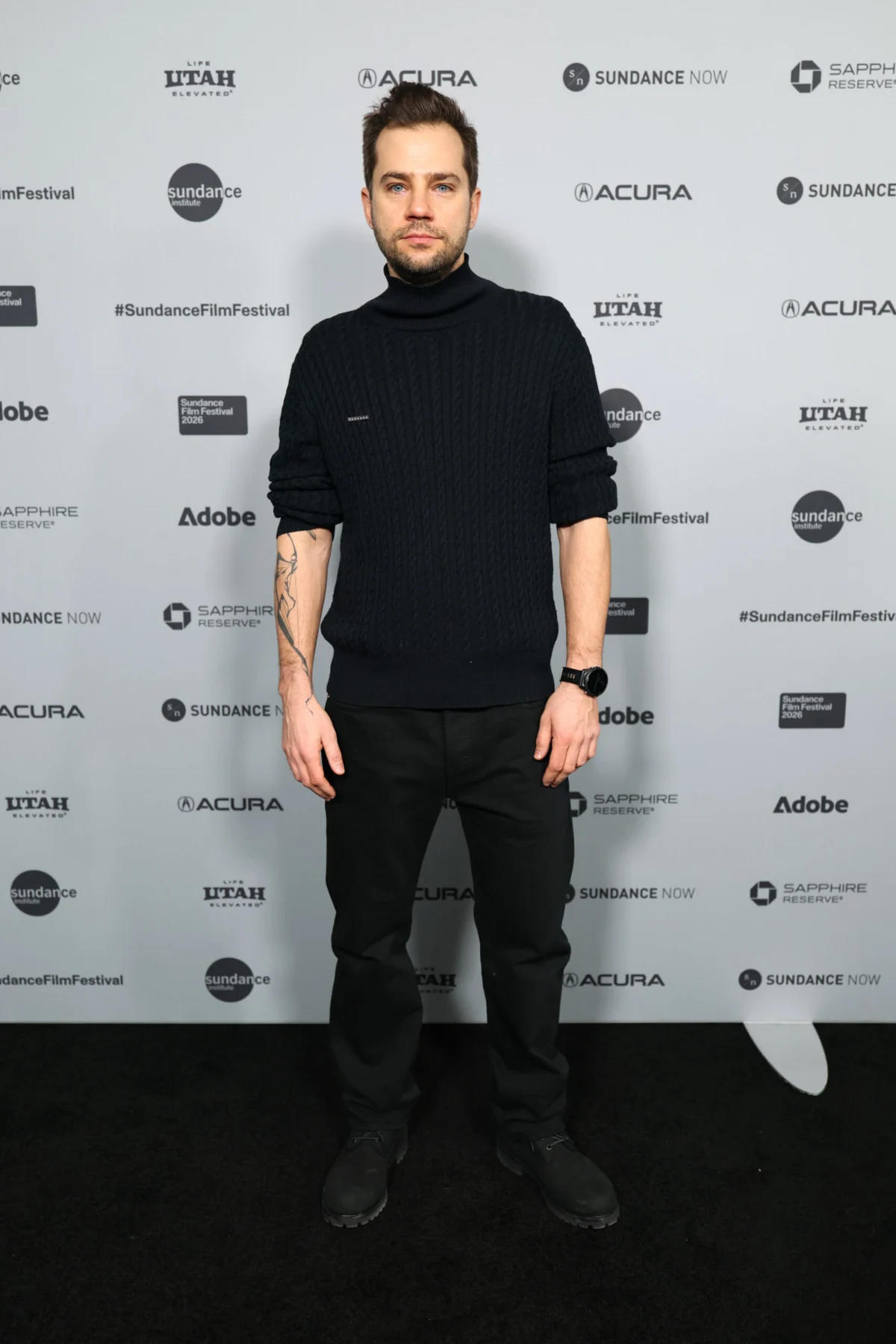
By [Your Name/Journalistic Staff]
The Sundance Film Festival has long served as a vital incubator for the world’s most provocative and poignant independent cinema. Among the standout features at the 2026 iteration of the festival is Closure, a haunting, deeply personal documentary by director Michaał Marczak. Through his lens, Marczak examines the limits of parental love and the harrowing endurance of the human spirit in the face of an impossible mystery.
As part of the festival’s "Give Me the Backstory" series, Marczak sat down to discuss the origins of his latest project, the role of his six-year-old son in the production, and how a decade-old act of youthful chutzpah at Sundance paved the way for his career as a filmmaker.
The Genesis of a Heartrending Search
The narrative of Closure is rooted in a profound and ongoing tragedy. In 2023, 16-year-old Krzysztof Dymiński disappeared, last seen standing on a bridge overlooking the Vistula—Poland’s longest and most storied river. While official missing-person investigations eventually stalled, the boy’s father, Daniel Dymiński, refused to accept the silence.
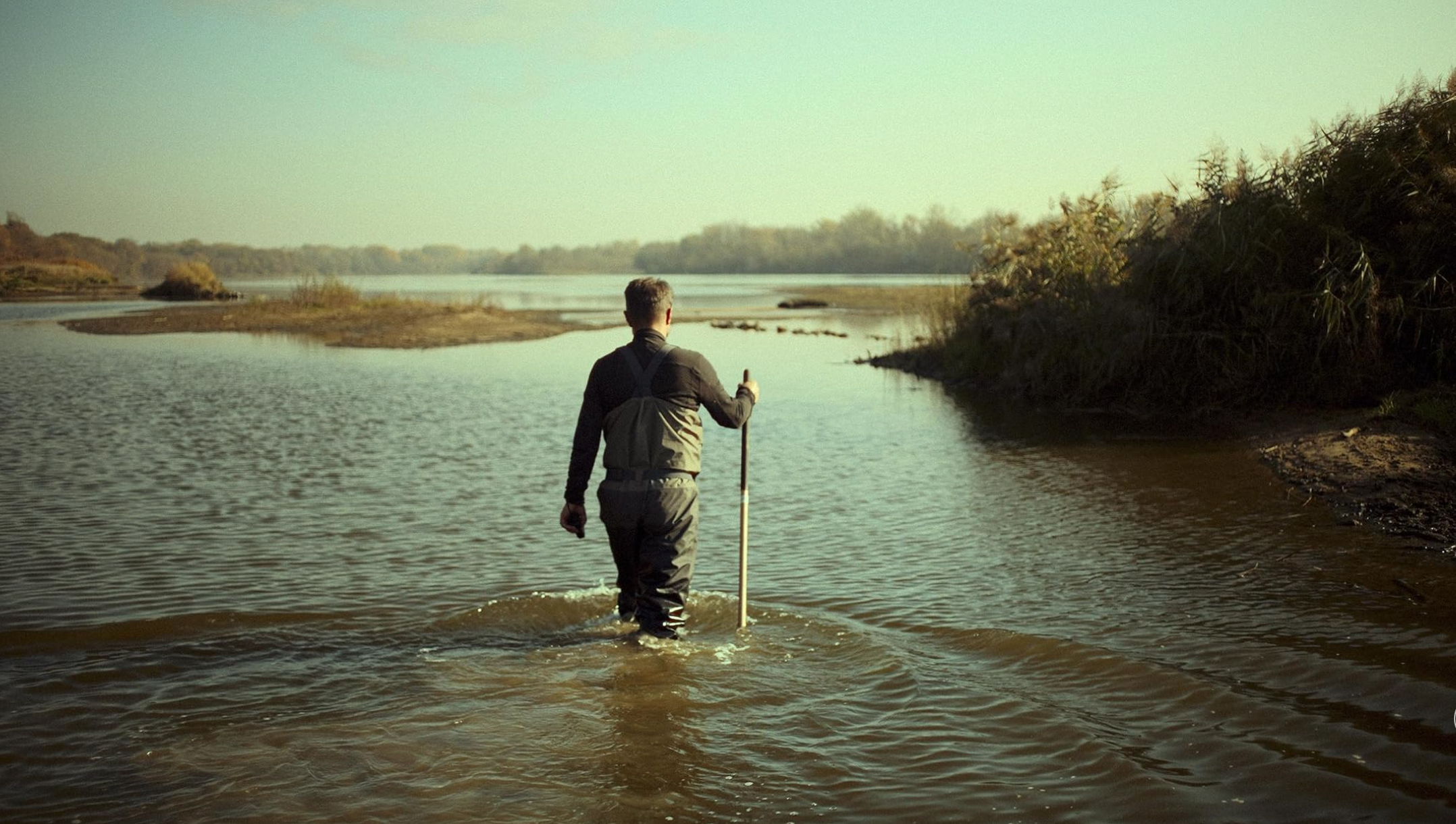
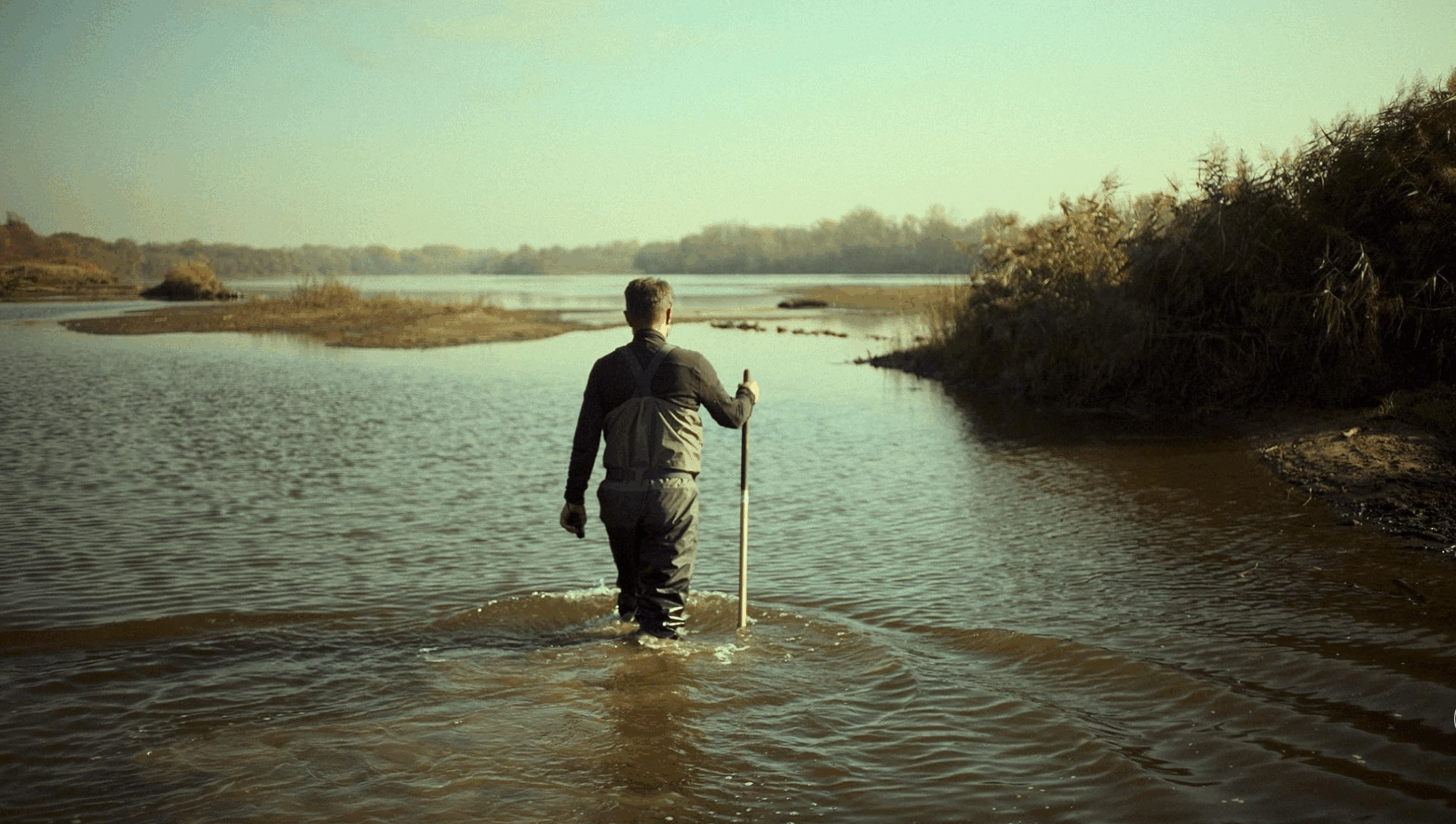
Closure follows Daniel’s relentless, year-long quest. Regardless of the season or the severity of the weather, Daniel continues to haunt the winding banks of the Vistula. Armed with aerial drones, underwater camera equipment, and a grim determination, he meticulously combs debris piles and muddy banks. Marczak’s film captures more than just a man searching for his son; it documents the transformation of a singular, private grief into a communal endeavor. As Daniel’s search continues, he begins to connect with other families suffering similar losses, turning his individual agony into a shared search for truth, hope, and, ultimately, closure.
"Reality," Marczak says, reflecting on the inspiration behind the project. "It keeps reminding me, again and again, that it can be far stranger—and far more compelling—than fiction."
A Filmmaker’s Early Education: From Forged Credentials to Sundance Mainstage
The story of how Marczak arrived at the 2026 Sundance Film Festival is as cinematic as his work. In a candid revelation, the director shared a "wild but true" anecdote from his youth. In 2000, at the age of 17, Marczak forged press credentials to attend the Sundance Film Festival. At the time, there was a vacuum of Polish media representation at the event, and the teenager managed to secure high-level access under the guise of an official representative.
"Instead of proper interviews, I mostly asked directors for filmmaking advice," Marczak recalls with a laugh. The ruse eventually turned into a legitimate career trajectory; once Polish media outlets discovered a "representative" was already on the ground, they began hiring him to write reports. This early, unconventional immersion into the festival culture solidified his commitment to the craft of documentary filmmaking.
The Influence of Loss and the Precision of the Frame
When asked about his path into cinema, Marczak points to a formative trauma: the death of his father when he was just 11 years old.
"I was drawn to documentary cinema after my father died," he explains. "Realizing I had almost no videos of him, I began filming my life obsessively, as if the camera could hold on to time for me." This early impulse evolved into a sophisticated directorial philosophy. Marczak realized that documenting life was not merely about hitting ‘record’; it required an intellectual and emotional rigor.
"For a scene to truly bring you back, it must be framed with precision, edited with intention," he notes. "Only then can a single image carry the weight of many moments." This philosophy is evident in Closure, where every shot of the Vistula river is imbued with the heavy atmosphere of searching, reflecting the internal landscape of a grieving parent.
Behind the Scenes: The "Camera Assistant" and the Home-Studio
The production of Closure was a family affair in more ways than one. When asked who was the first person he told upon learning that his film had been accepted into the 2026 Sundance Film Festival, Marczak didn’t hesitate: his six-year-old son, Maks.

Maks was deeply involved in the day-to-day operations of the documentary. "He was the camera assistant on the film," Marczak says. For a year, the family’s apartment served as a makeshift production hub—a hybrid of a living space and a professional camera rental facility. "We had so much gear, and Maks took great care of it. He was charging all the batteries when I came back home from the shoot."
Cinematic Philosophy: Beyond Legacies
When asked about the "lasting artistic legacy" he hopes his films leave behind, Marczak remains humble and focused on the immediate, visceral experience of the audience.
"I don’t care about legacies," he asserts. "What matters to me is having an impact on someone—just as certain films did when I was a kid. They struck me on a visceral level and allowed me to see the world through a different set of eyes."
This desire to reach the viewer on a human level dictates his approach to storytelling. He does not view Closure as a film for a specific demographic, though he acknowledges it will likely resonate most deeply with parents. Instead, he believes the story is meant for anyone "open to it."

When asked for advice for aspiring storytellers, Marczak emphasizes that technical perfection or a clever premise is only the beginning. "The page will take anything," he warns. "A great script or a great concept is important, but it isn’t everything. What truly matters is the magic that happens in front of the lens—and capturing it in the right way. That’s where the real power lies."
Implications of Closure
Closure arrives at a time when the documentary medium is increasingly tasked with handling the complexities of digital-age grief and the persistence of memory. By documenting Daniel Dymiński’s search, Marczak does more than provide a factual account of a missing person case; he provides a sociological study on the nature of hope.
The film suggests that the search for a lost loved one is a fundamental human drive that, when shared, can bridge the gaps between strangers. It challenges the traditional "conclusion" of news stories, which often move on once the headlines fade, by highlighting the persistent, daily reality of those left behind.
As the 2026 festival continues, Closure stands as a testament to the power of documentary cinema to transform private tragedy into public empathy. It is a work of patience, precision, and profound humanity, cementing Michaał Marczak’s position as one of the most vital voices in contemporary independent film.
For those looking to engage further with the themes of the festival, or to support the ongoing work of the Sundance Institute, information on programming and donation initiatives can be found on the official Sundance website. Whether through the lens of a 17-year-old with forged credentials or a seasoned director capturing the haunting currents of the Vistula, the Sundance legacy continues to evolve, shaped by the stories that refuse to be silenced.
