
The Apple Home Revolution: A Deep Dive into the New Ecosystem
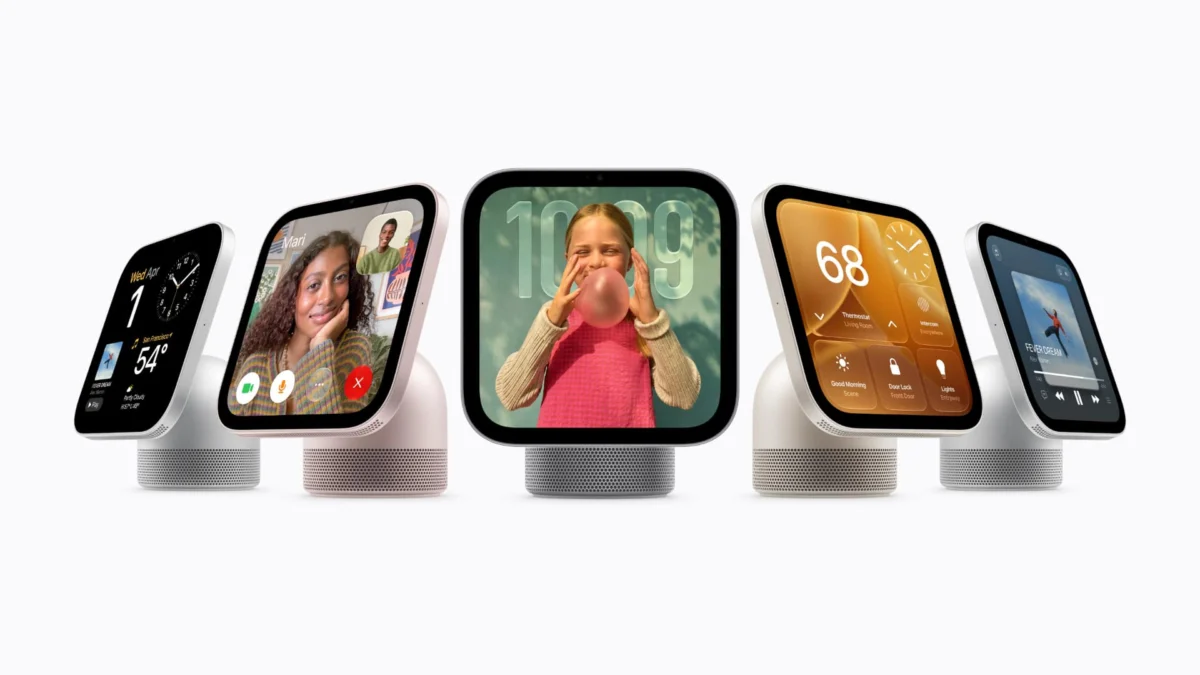
Apple has officially signaled a strategic pivot toward the domestic sphere with the launch of its ambitious "Home" range. By integrating advanced artificial intelligence, proprietary silicon, and a renewed focus on hardware-software synergy, Cupertino is looking to redefine the smart home experience. While the flagship Apple HomeView leads the charge, the broader rollout—including a premium-priced Apple TV and a redesigned HomePod mini—reveals a company doubling down on high-end, ecosystem-locked integration.
Main Facts: The New Lineup at a Glance
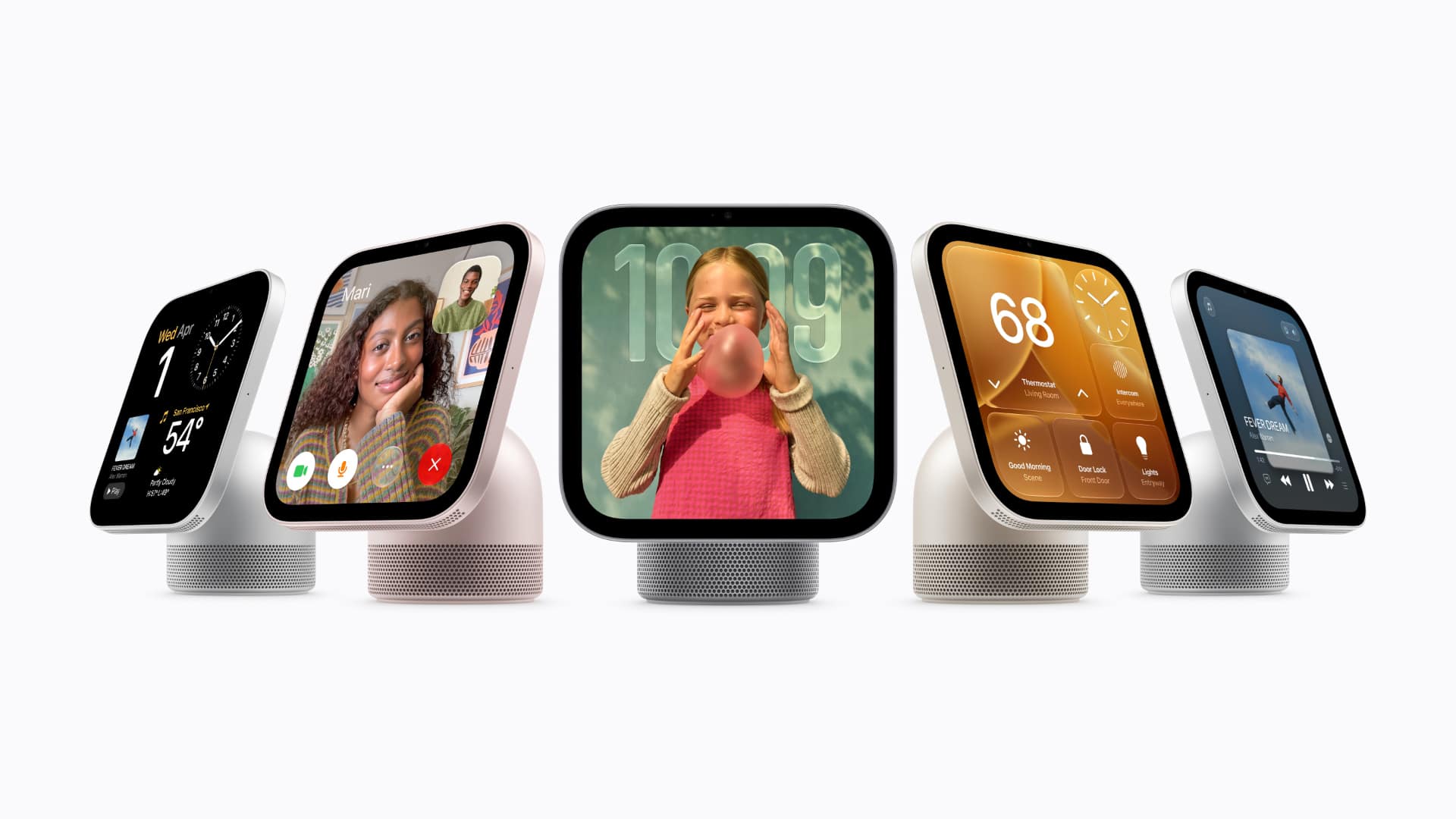
The centerpiece of this announcement is the Apple HomeView, a dedicated smart hub designed to serve as the brain of the modern residence. Priced at $299, it undercuts initial market speculation, yet it remains a premium play. Featuring a 7-inch Liquid Retina display mounted on a tilting stainless steel hinge atop an aluminum acoustic base, the device is powered by the A18 chip.
Beyond the HomeView, Apple has refreshed its television and audio hardware:
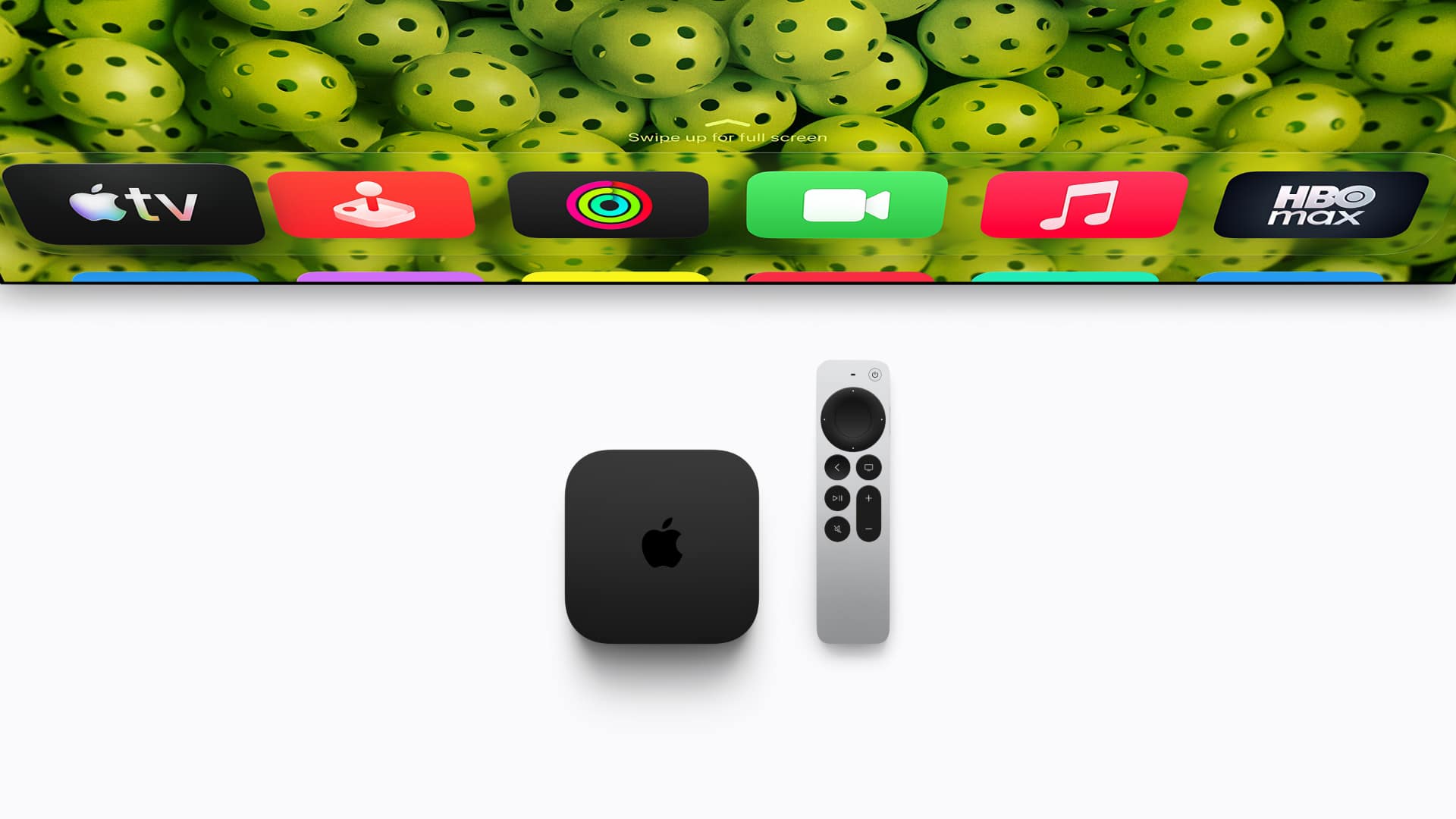
- Apple TV (4th Gen): Now retailing at $299, this device shifts the goalposts for home entertainment hardware, moving firmly into a luxury price bracket.
- HomePod mini 2: Updated with the S10 chip and new "Sound Glow" visual feedback, it positions itself as the essential audio building block for the new Home ecosystem at $149.
- Apple Home Collection: A new line of smart home accessories, including 2.5K security cameras, video doorbells, and thermostats, developed in collaboration with LG Electronics and Schneider Electric.
Chronology of the Rollout
The path to this launch has been marked by careful internal development and strategic external partnerships.
- Pre-Announcement Phase: Throughout the year, speculation regarding an "Apple smart display" dominated tech forums. Analysts correctly identified the shift toward a unified home hub but often overestimated the price, anticipating a $350+ entry point.
- The Launch Event: Apple’s recent press drop detailed the immediate availability of pre-orders for the HomeView and the new Apple TV, with a shipping date set for November 13 in major markets including the US, UK, Canada, Australia, India, and New Zealand.
- Regional Staggering: Singapore’s pre-order window opens October 15, while South African consumers will gain access through authorized resellers.
- The EU Hurdle: A significant caveat to this global rollout is the total absence of the HomeView from the European Union. Apple has confirmed that ongoing regulatory friction regarding the features of its new Siri AI has delayed the product’s debut in the region, highlighting the growing complexity of launching AI-heavy hardware in markets with stringent digital privacy laws.
Supporting Data: Hardware and Specifications
The HomeView
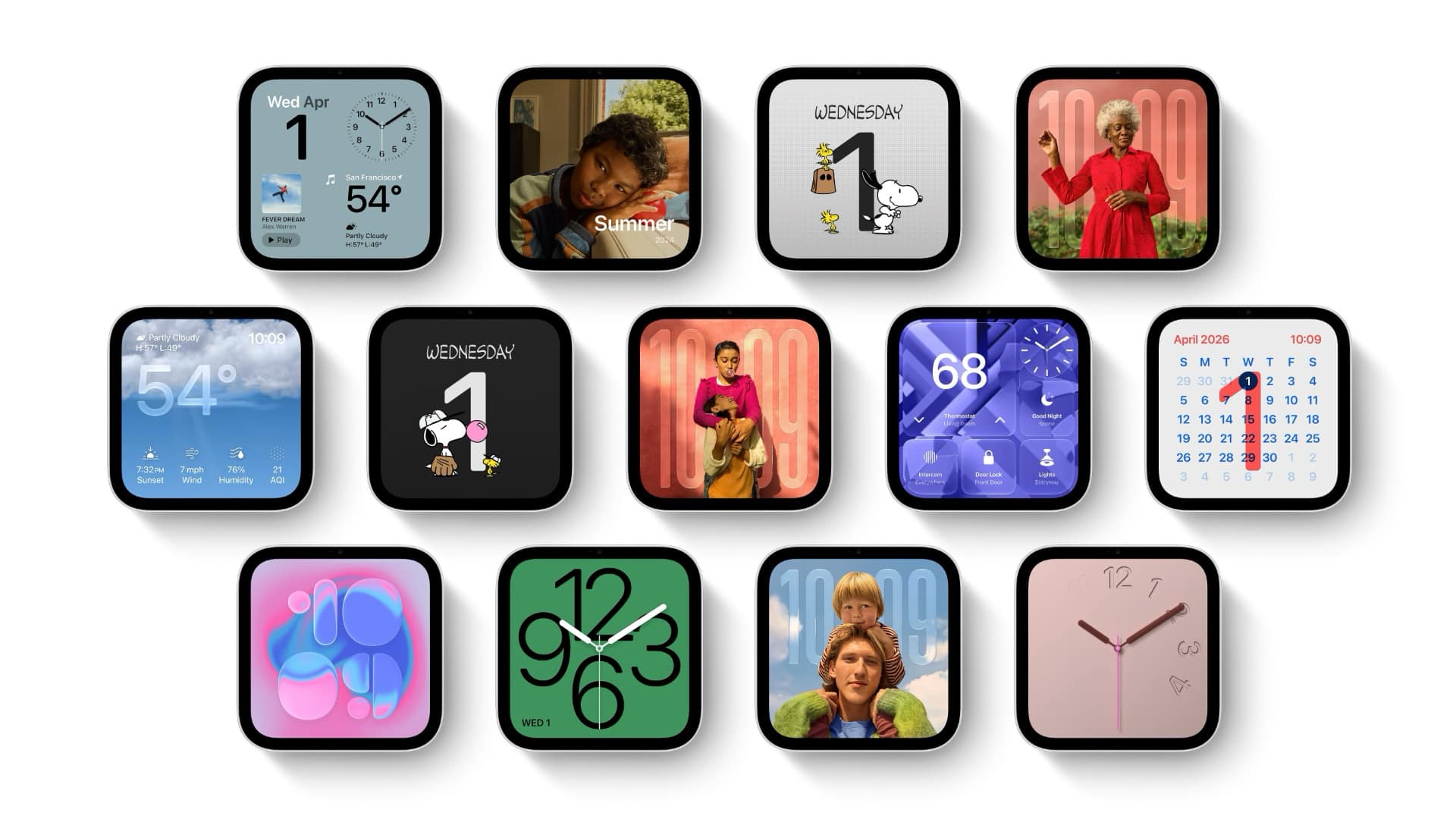
The device is a marvel of engineering, boasting a brightness range of 0.3 to 500 nits. While the 7-inch display is optimized for intuitive touch, the real innovation lies in its intelligence. It utilizes advanced facial recognition to distinguish between up to six individual users, serving up personalized widgets and app layouts. The audio setup is equally sophisticated, featuring a custom down-firing woofer and dual force-canceling passive radiators—a stark contrast to the audio-compromised nature of typical wall-mounted smart panels.
The Apple TV (4th Gen)
The $299 price point for the new Apple TV is a bold move. It justifies this cost through high-end specifications: the A19 chip (enabling native AV1 decoding), WiFi 7, Gigabit Ethernet, and HDMI 2.1 support. Furthermore, it introduces a quad-speaker surround sound capability, allowing users to sync four HomePod mini 2s for a professional-grade home theater experience. The integration of Bluetooth 6 and a redesigned remote—which includes a built-in speaker and Precision Finding—rounds out the hardware suite.
The HomePod mini 2
Equipped with the S10 chip, the new HomePod mini 2 is designed for seamless spatial awareness. Its "Sound Glow" feature uses the top surface to pulse in sync with music, utilizing color palettes derived from album artwork. It also acts as an environmental monitor, listening for specific acoustic signatures like smoke or carbon monoxide alarms.
Official Responses and Strategic Positioning
Apple’s messaging emphasizes "life at home." In its promotional materials, the company stresses that these devices are not merely gadgets, but a cohesive environment.
"We are creating a home that listens, sees, and anticipates," a spokesperson noted, highlighting the focus on privacy-first AI. However, the company remains relatively tight-lipped regarding the specific regulatory negotiations currently stalling the EU release. Industry observers suggest that Apple is likely unwilling to "dumb down" the Siri AI features for European users, preferring to delay the launch until they can provide the full, intended experience.

Regarding the price hikes for the Apple TV, Apple maintains that it is offering a "cinematic experience" that justifies the jump from standard streaming hardware. By targeting the enthusiast market, they are attempting to distance the Apple TV from the "disposable" nature of cheaper streaming sticks.
Implications: The High Cost of the "Apple Home"
Market Competitive Landscape
The introduction of the Apple Home Collection—the partnership with LG and Schneider—marks a shift in how Apple treats third-party peripherals. By "branding" these devices, Apple is creating a walled garden for the home. While consumers gain the benefit of guaranteed compatibility, the cost of entry is undeniably high. At $249 for a video doorbell, the Apple-branded LG gear is significantly more expensive than the established Ring or Nest ecosystems.
The Privacy vs. Utility Debate
The reliance on Siri AI is the defining feature of this generation. By moving processing to the A-series chips, Apple is doubling down on "on-device" intelligence. This is a critical selling point for privacy-conscious users, but it also creates a divide between Apple and its competitors who rely heavily on cloud-based processing. The EU delay serves as a stark reminder that this "on-device" AI is not yet a universal standard.
The Financial Barrier
The most immediate implication for the consumer is the "Premium Tax." By positioning the Apple TV at $299 and the HomeView at the same price, Apple is effectively telling the market that the smart home is no longer a budget-friendly pursuit. For the average household, this represents a significant investment.
Future Outlook
The success of this strategy hinges on the "interconnectivity" promise. If the Apple TV, HomePod mini 2, and HomeView can indeed function as a unified, lag-free ecosystem that simplifies daily tasks—from answering the door to managing multi-room audio—the price might be forgiven by the loyal base. However, if the software experience is even slightly disjointed, the $299 barrier will become a major obstacle for mainstream adoption.
In conclusion, the new Apple Home range is a testament to the company’s confidence in its brand loyalty. By moving into higher price brackets and tighter ecosystem integration, Apple is betting that its users value a seamless, high-performance, and private smart home experience above the lower price points offered by competitors. Whether the market is ready to follow Apple into this expensive new era of home technology remains to be seen, but the initial hardware lineup is undeniably one of the most sophisticated, and uncompromising, collections the company has ever released.
