
Uncontainable Spirit: Editor Turned Director Carla Gutiérrez Brings Frida Kahlo’s True Voice to the 2024 Sundance Film Festival
By Lucy Spicer (Enriched & Expanded)
One of the most thrilling aspects of the Sundance Film Festival is occupying a front-row seat to the evolving future of independent cinema. While audiences often learn a great deal about filmmakers through the finished art they share on screen, there is always a deeper narrative behind the creators themselves. As part of the ongoing "Give Me the Backstory!" series, we peel back the artistic layers to explore the journey of celebrated editor-turned-director Carla Gutiérrez, whose directorial debut, Frida, premiered in the U.S. Documentary Competition at the 2024 Sundance Film Festival.
Main Facts: A Landmark Directorial Debut
Carla Gutiérrez is no stranger to the Sundance Institute. Her history with the organization spans more than a decade, marked by prestigious collaborations, advisory roles, and accolades. However, the 2024 Festival represents a monumental shift in her career trajectory: her transition from master editor to visionary director.
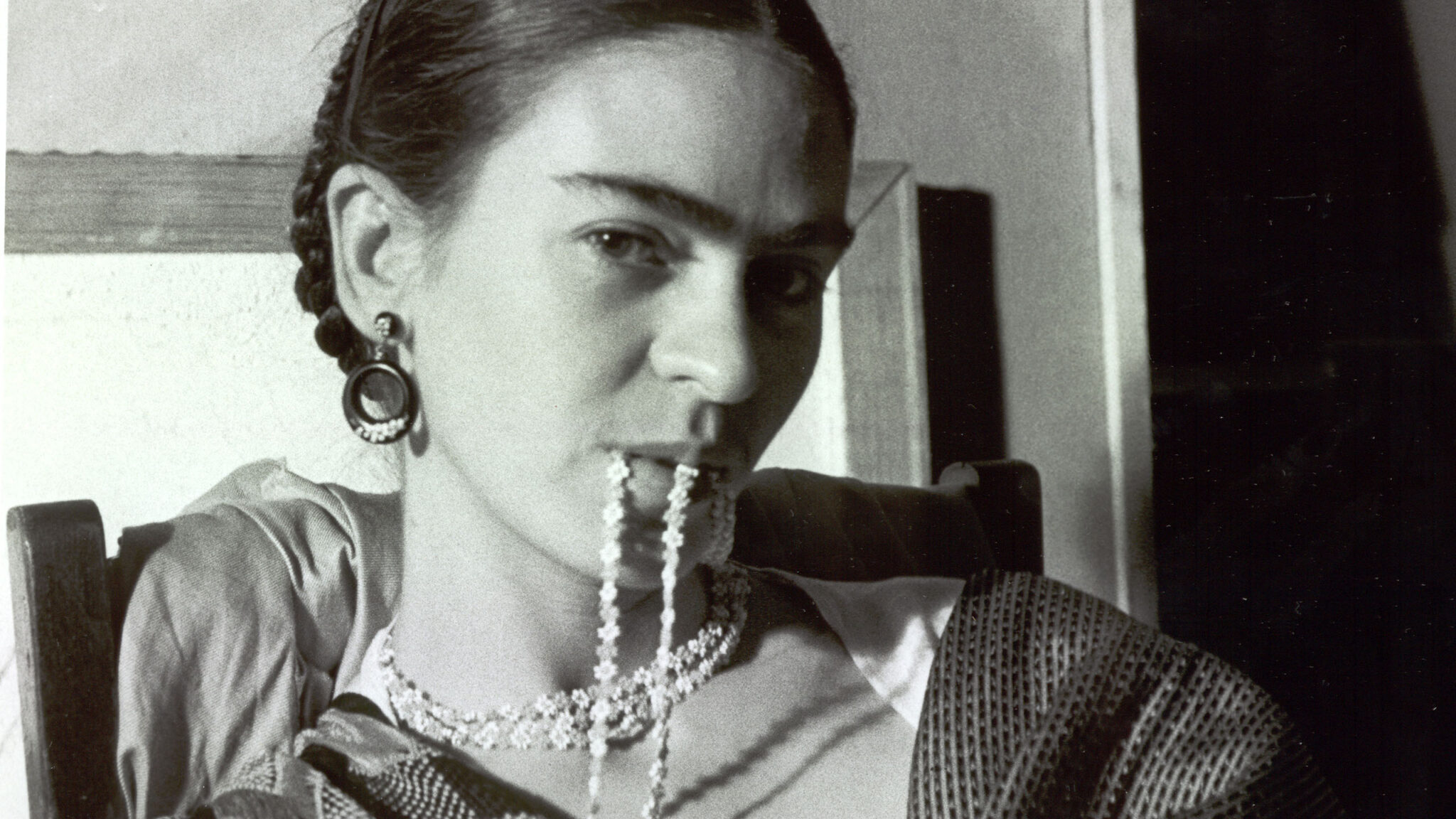
Her debut feature, Frida, offers an intimately crafted portrait of legendary Mexican artist Frida Kahlo. Rather than relying on standard biographical tropes or external academic narration, Gutiérrez chose a radically immersive approach. The documentary tells Kahlo’s legendary story entirely in the artist’s own words, pulling directly from her personal diary entries, intimate letters, illuminating essays, and rare print interviews.
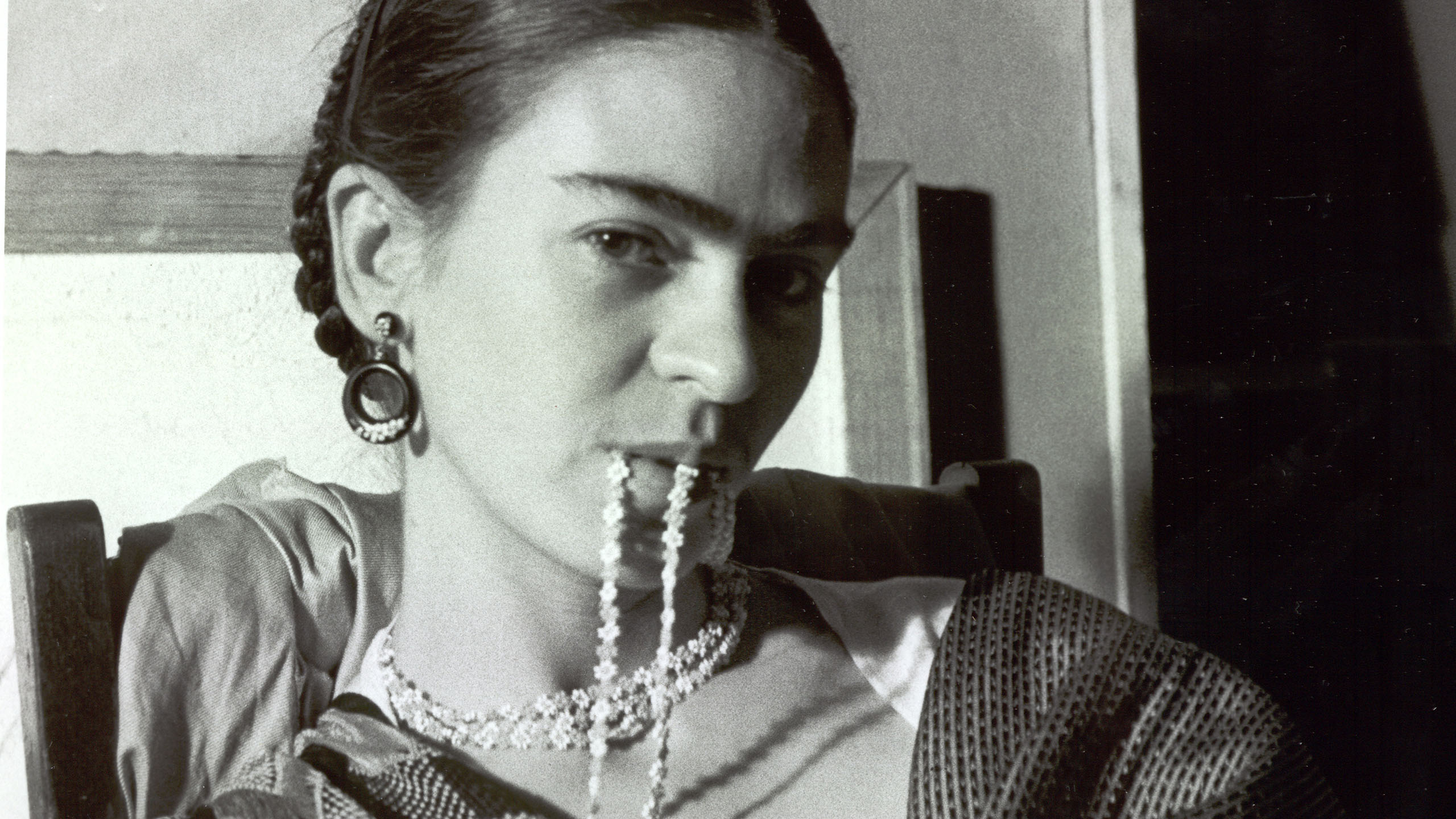
Competing in the elite U.S. Documentary Competition at Sundance, Frida has captured widespread attention for its vibrant color palette, innovative animation style, and profound emotional resonance, cementing Gutiérrez as a formidable new voice in feature-length documentary filmmaking.
Chronology: From Immigrant Inspiration to Sundance Stardom
Gutiérrez’s connection to Frida Kahlo is not a recent professional calculation; it is a lifelong artistic and personal dialogue that began decades ago.
- Age 19: Gutiérrez encounters a Frida Kahlo painting for the very first time. Titled Borderline, the piece depicts Kahlo standing between the borders of the United States and Mexico. As a recent immigrant from Latin America navigating a foreign country while desperately missing her homeland, Gutiérrez sees her own inner turmoil vividly reflected in Kahlo’s brushstrokes.
- The Editing Career: Over the years, Gutiérrez hones her craft in the editing room, building an impressive resume. Her deep ties to the Sundance Institute take root: she serves as an advisor at the Sundance Institute Documentary Edit and Story Lab twice, acts as a juror, and participates as an advisor in the digital 2020 Art of Editing Lab and Fellowship. That same year, she is honored with the Sundance Institute | Adobe Mentorship Award for Editing. Four of the feature films she edited premiere at the Festival.
- The Attic Discovery: While researching Kahlo’s life for her directorial debut, Gutiérrez, alongside producer Katia Maguire and associate producer Laura Pilloni, secures permission to visit the home of Hayden Herrera—the preeminent Frida Kahlo scholar whose definitive 1983 biography shaped decades of academic study. In a moment straight out of a cinematic treasure hunt, the team raids Herrera’s attic, uncovering original research materials, primary source writings, and full interview transcripts with individuals close to Kahlo that had sat boxed away for over four decades.
- January 2024: Frida makes its world premiere at the 2024 Sundance Film Festival, marking Gutiérrez’s triumphant debut behind the camera.
Supporting Data and Creative Process
Transitioning from editing to directing requires a unique set of skills, particularly when handling archival material of historical magnitude. Gutiérrez opened up about the logistical and creative hurdles of bringing Frida to life.
Assembling a Bilingual Powerhouse
Documentary filmmaking, Gutiérrez notes, relies heavily on trust, vulnerability, and collaboration. To tackle the monumental task of chronicling Kahlo, she assembled a fully bilingual creative team led by producer Katia Maguire. This cultural and linguistic fluency allowed the team to deeply comprehend the nuances of Kahlo’s native Spanish expressions, poetry, and letters.
The Challenge of Scattered Thoughts
While the archival writings of Frida Kahlo offered a goldmine of raw emotion, they presented a distinct structural challenge for a filmmaker. Unlike traditional documentary subjects who sit down for guided interview questions outlining their life stories, Kahlo’s thoughts were fragmented across decades of diaries, personal letters, and notes.
"It wasn’t as though we were dealing with interviews where an interviewer is guiding someone through their lives," Gutiérrez explains. "So it was both rewarding, but also challenging to take small pieces from her writings to make a strong narrative out of them."
Musical Inspiration
Throughout the grueling editorial and directorial process, Gutiérrez found constant motivation in contemporary art as well. She noted that Marissa Mur’s song "Amores" served as a foundational creative touchstone, playing on a loop throughout the production journey and setting the emotional cadence for the film.
Official Responses and Perspectives
When asked what motivated her to finally step into the director’s chair after a celebrated career as an editor, Gutiérrez pointed directly to the supportive ecosystem of the independent film community and her enduring relationship with the Sundance Institute.

"Who is going to say no to a Sundance premiere?!" Gutiérrez remarks with enthusiasm. "Especially having been able to see closely how the Institute fosters new voices and really lifts up filmmakers of color. For this reason, it is very special for me to premiere my directorial debut at the Sundance Film Festival."
Gutiérrez also reflected on the broader cultural themes that drew her to Kahlo’s life and work, hoping the film resonates far beyond traditional art circles.
"Frida’s art explores themes of female empowerment, motherhood, disability, obsessive love, gender fluidity, pain, and loss," she states. "I’d like the film to reach people who connect with these themes and anyone who finds inspiration and solace in art."
When asked what legacy she hopes to leave through her cinematic debut, Gutiérrez emphasizes the uncontainable nature of female expression:
"I want audiences to connect with Frida’s unstoppable need to release her emotions. Throughout history, women have been contained by societal pressures that have then forced us to contain ourselves. Frida’s spirit was uncontainable. Her heart bled freely onto her canvases. With this film, I hope to inspire people that letting one’s voice out, loudly, is a good thing."
Implications: Redefining Biographical Documentaries
Carla Gutiérrez’s transition from elite editor to visionary director with Frida signals a significant evolution in biographical documentary storytelling. By subverting the conventional reliance on talking-head historians and external narrators, Gutiérrez pioneers a deeply subjective, impressionistic style that honors her subject’s internal reality.
Furthermore, the film’s success at the 2024 Sundance Film Festival highlights the increasing visibility and cultural impact of women of color behind the camera. By centering Kahlo’s struggles with disability, gender fluidity, pain, and societal constraints, Gutiérrez bridges a nearly century-old artistic legacy with contemporary conversations surrounding bodily autonomy, identity, and mental health.
As Frida continues to find audiences worldwide, it stands as a testament to the power of archival excavation, bilingual collaboration, and the unyielding conviction that women’s stories—when told in their own unfiltered voices—can shake the cultural landscape.
