
Beyond the First Draft: Veteran Screenwriter Glenn Benest on the Art, Craft, and Discipline of Hollywood Storytelling
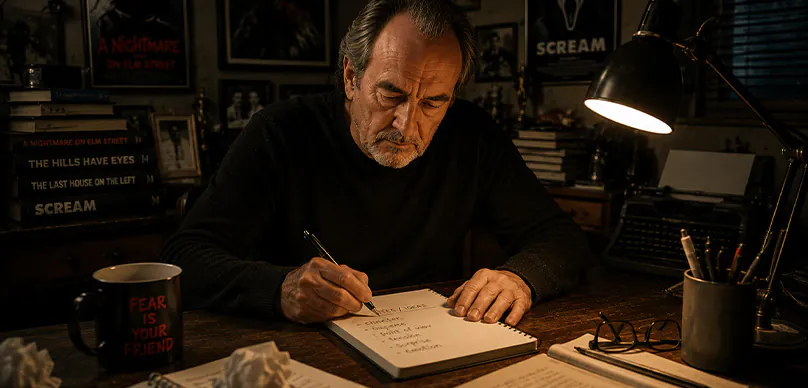
Every emerging screenwriter harbors the same quiet, hopeful delusion: that their inaugural script will burst forth from the imagination fully formed, a stroke of untouched genius that will leave studio executives weeping and checkbooks opening. Yet, the unyielding reality of the film industry rarely aligns with this romantic fantasy.
In a deep-dive masterclass on the realities of the craft, veteran screenwriter, educator, and mentor Glenn Benest dismantles the myth of effortless inspiration. Having collaborated with legendary horror auteur Wes Craven and spent decades guiding writers through the treacherous waters of script development, Benest offers a philosophy anchored not in sudden flashes of muse-driven brilliance, but in relentless persistence, surgical revision, and the indispensable value of informed mentorship. For Benest, professional screenwriting is less a testament to raw, untamed talent and more a masterclass in continuous refinement.
Main Facts: The Anatomy of a Screenwriting Career
At its core, Benest’s philosophy addresses the fundamental friction between the romanticized view of Hollywood and the grueling blue-collar reality of writing for the screen.
- The Power of the Page: Benest asserts that for a screenwriter, a diploma is practically worthless. While film school can provide vital networking and equipment access for directors and cinematographers, a writer’s ultimate—and often only—currency is an exceptional screenplay. Your script opens doors; your résumé is an afterthought.
- Genre Demands: Working closely with horror master Wes Craven taught Benest that genre storytelling operates under a social contract. Audiences buy tickets expecting specific emotional payoffs—scares in horror, suspense in thrillers, laughs in comedy. Dialogue and character development are crucial, but they must ultimately serve the core promise of the genre.
- The Myth of the Perfect First Draft: Paralyzed by the expectation of immediate perfection, many novice writers never finish their first script. Benest advocates for getting the story onto the page without self-censorship. The first draft’s only purpose is to exist; true writing happens during the rewriting phase.
- The Need for Guided Feedback: Not all criticism is created equal. Random feedback from friends and family often breeds confusion rather than clarity. Writers need specialized, professional guidance that diagnoses structural flaws while fortifying the writer’s creative confidence.
Chronology: From Harvard Playwright to Hollywood Mentor
To understand how Benest arrived at his hard-earned industry insights, one must trace a career path that bridge high-brow theatrical traditions with the commercial demands of modern Hollywood.
The Academic Foundation and the Pivot to Film
Benest’s creative journey did not begin with daydreams of multiplexes and blockbuster action sequences. He initially aspired to be a playwright, immersing himself in dramatic literature as an undergraduate at Harvard University before pursuing a Master of Fine Arts (MFA) in playwriting at UCLA.
The theater gave Benest a profound appreciation for sharp dialogue, architectural structure, and the nuances of live performance. However, it also delivered a harsh financial reality: very few playwrights make a sustainable living. Recognizing that his theatrical storytelling skills could reach a vastly wider audience through cinema without compromising his dramatic integrity, Benest made the pivotal transition into screenwriting.
Collaborating with a Horror Master
One of the defining chapters of Benest’s professional evolution occurred when he crossed paths with Wes Craven before the director became a household name. Collaborating on projects such as A Stranger in Our House and later Deadly Blessing, Benest sat front row as a master filmmaker systematically dissected fear, tension, and audience psychology.
Working with Craven demystified the horror genre. Benest learned that originality in commercial filmmaking rarely means inventing a completely novel plot out of thin air. Instead, it frequently stems from breathing new life into familiar tropes—subverting expectations while delivering the visceral thrills that audiences demand.
Mentorship and the Genesis of Scream
Benest’s knack for nurturing raw talent culminated in his mentorship of Kevin Williamson during the embryonic stages of Scream—a film that would fundamentally revitalize the slasher genre in the 1990s.
Reflecting on the phenomenon, Benest highlights why the script achieved such massive cultural resonance. It did not merely imitate horror traditions; it playfully dissected them in real-time. By balancing sharp, metatextual wit with authentic, white-knuckle suspense, the screenplay allowed audiences to laugh at the genre’s clichés without ever diffusing the genuine terror on screen. This delicate tonal balancing act remains one of the hardest maneuvers for any writer to execute, proving the immense value of rigorous workshops, constructive criticism, and collaborative brainstorming.
Supporting Data & Industry Insights: The Mechanics of Rewriting
What separates the amateur from the professional? According to Benest, it is an intimate understanding of the rewriting process and an absolute refusal to rely on unguided intuition.
The Danger of Ill-Informed Feedback
Writers are inherently vulnerable creatures, laying their psychological and emotional excavations onto the page for public consumption. When they seek feedback too early—or from the wrong sources—the psychological damage can derail a project.
Benest argues that casual notes from well-meaning friends, family members, or amateur peers frequently exacerbate structural flaws rather than curing them. Because these readers lack an analytical framework for screenwriting, their feedback often targets surface-level symptoms instead of deep-rooted structural breaks.
Just as an elite Olympic athlete would never trust their training regimen to a random spectator on the street, screenwriters require experienced coaches. A true mentor understands the architecture of a three-act structure, pacing, character arcs, and the fragile psychology of the creative process. If a series of script revisions consistently leaves the material feeling weaker, the fault rarely lies with the writer’s innate capability; rather, it points directly to the toxic or misguided nature of the advice they are attempting to execute.
Conquering the Blank Page
The paralysis of the blank page claims countless promising careers. Writers often freeze up because they confuse the drafting phase with the polishing phase, attempting to chisel Michelangelo’s David out of marble before the block has even been quarried.
Benest’s antidote to this psychological barrier is beautifully simple: give yourself permission to write badly. The initial draft is merely an excavation site. Problems cannot be solved, diagnosed, or excised until they are physically manifest on the page. Only once the narrative arc exists from Fade In to Fade Out can the arduous, rewarding work of rewriting truly begin. Subsequent drafts peel back the layers—addressing theme in one pass, pacing in the next, and dialogue polish in a third—until the screenplay finally matches the writer’s initial vision.
Official Perspectives: The Philosophy of Discipline Over Inspiration
The romantic archetype of the tortured artist waiting for a lightning bolt of divine inspiration is, in Benest’s view, one of the most destructive myths propagated by popular culture.
"Excellence isn’t reserved for the naturally gifted; it’s earned by those willing to keep rewriting until the story finally becomes everything it was meant to be."
Throughout his decades in the trenches of Hollywood and his extensive experience teaching the next generation of storytellers, Benest has observed that raw talent is vastly overrated. Countless brilliantly imaginative people wash out of the industry because they lack the emotional fortitude to endure rejection, criticism, and the grueling, unglamorous work of page-one rewrites.
Conversely, writers with moderate raw talent frequently achieve sustained, lucrative careers simply through unyielding discipline, humility, and a willingness to learn. By stripping away the ego and treating screenwriting as a craft to be studied rather than a mystical gift to be waited upon, writers can reclaim control over their creative destinies.
Implications: What This Means for the Next Generation of Filmmakers
As the entertainment landscape undergoes seismic shifts—driven by the democratization of digital filmmaking tools, the rise of streaming algorithms, and changing audience consumption habits—the core tenets championed by Glenn Benest remain profoundly relevant.
1. The Death of the Shortcut
In an era dominated by "how to write a script in 21 days" seminars and automated AI writing tools, Benest’s philosophy serves as a necessary anchor. There are no shortcuts to emotional resonance. Audiences can inherently sense when a script has been manufactured by a formula rather than forged through deep structural discipline and human experience.
2. The Resurgence of Community and Mentorship
As the film industry becomes increasingly decentralized, aspiring filmmakers often attempt to write in isolation, sequestered behind glowing laptop screens in remote home offices. Benest’s career underscores the vital importance of creative communities. Great scripts are rarely born in a vacuum; they are incubated, tested, and polished through rigorous peer workshops, tough-love mentorship, and collaborative friction.
3. Redefining Success in Hollywood
Ultimately, Benest’s life’s work reframes what it means to "make it" in the entertainment industry. Success is not an overnight lottery win orchestrated by a miraculous first script. It is found in the quiet, unglamorous persistence of opening a document, facing a flawed scene, and doing the hard work of rewriting it until it sings.
For the aspiring screenwriter staring down a flashing cursor on a blank document, Glenn Benest’s message is both sobering and deeply liberating: stop waiting for perfection, embrace the messy process of creation, and never stop rewriting.
