
The Evolution of Mobile Photography: Leica Unveils LUX 2.0 and a Refined Hardware Ecosystem
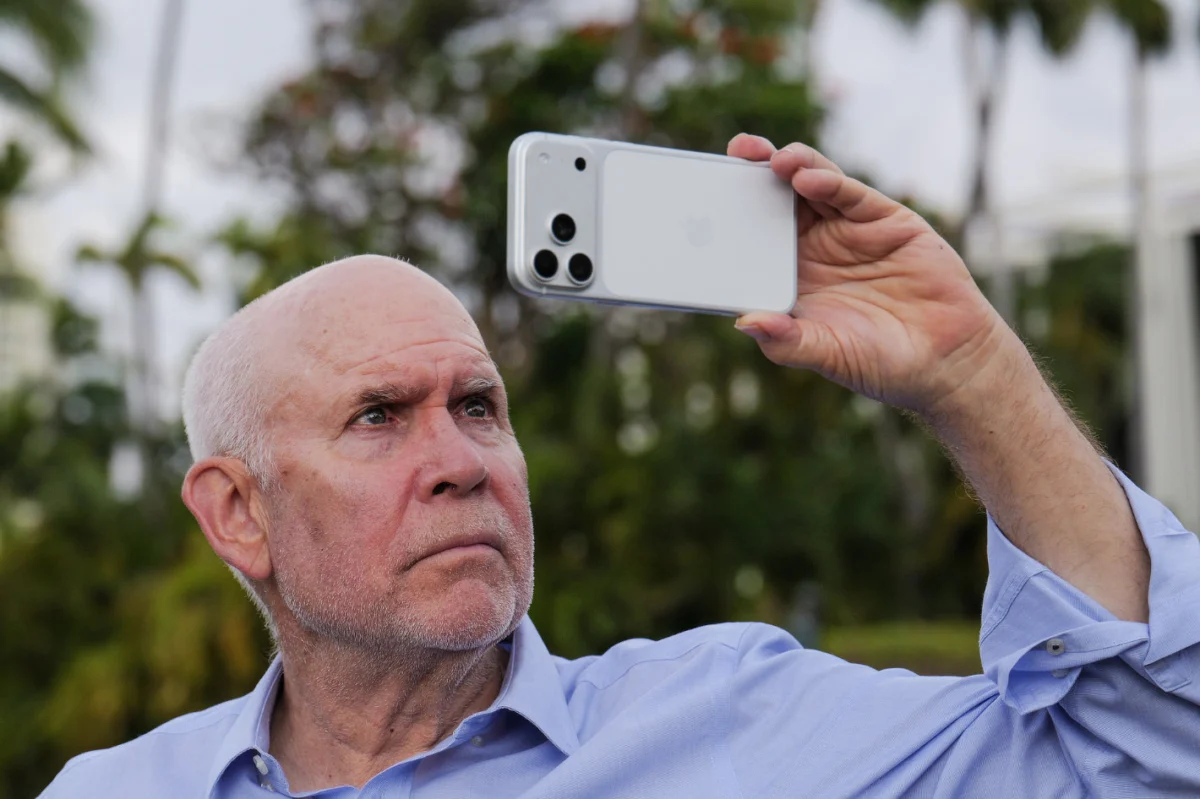
In the rapidly converging worlds of professional photography and mobile technology, few partnerships have been as consequential as the one forged by Leica. With the release of Leica LUX 2.0 and a suite of premium hardware accessories, the legendary German camera manufacturer is not merely iterating on an app; it is redefining the tactile experience of mobile photography. By bridging the gap between the computational power of the iPhone 18 series and the ergonomic legacy of traditional rangefinder cameras, Leica is positioning itself as the premier choice for the mobile-first creative.
Main Facts: A Hardware-Software Symbiosis
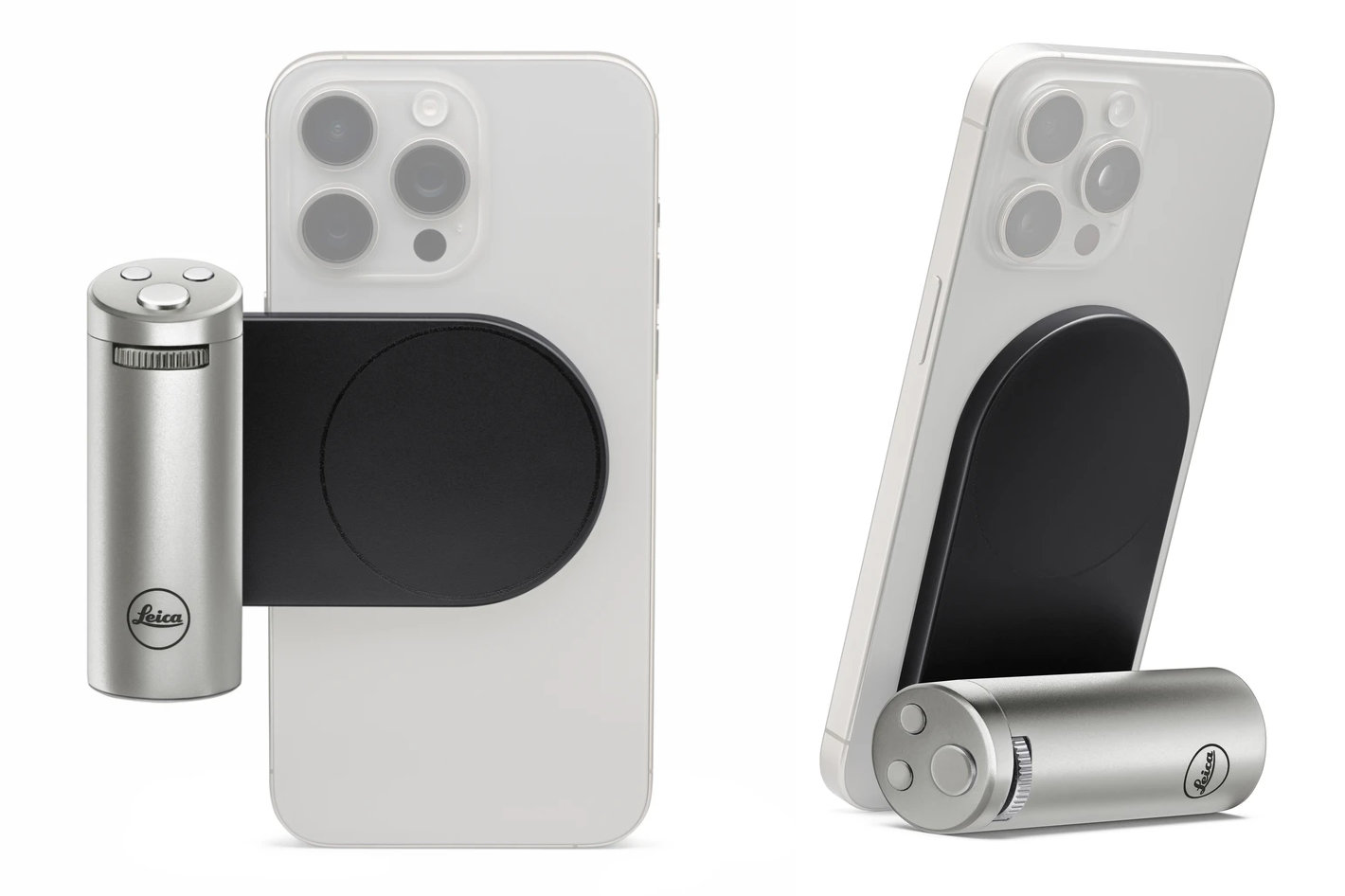
The headline announcement from Wetzlar is twofold: the launch of the Leica LUX 2.0 software update and the introduction of a new silver-finish camera grip alongside specialized protective leather cases for the iPhone 18 Pro and Pro Max.
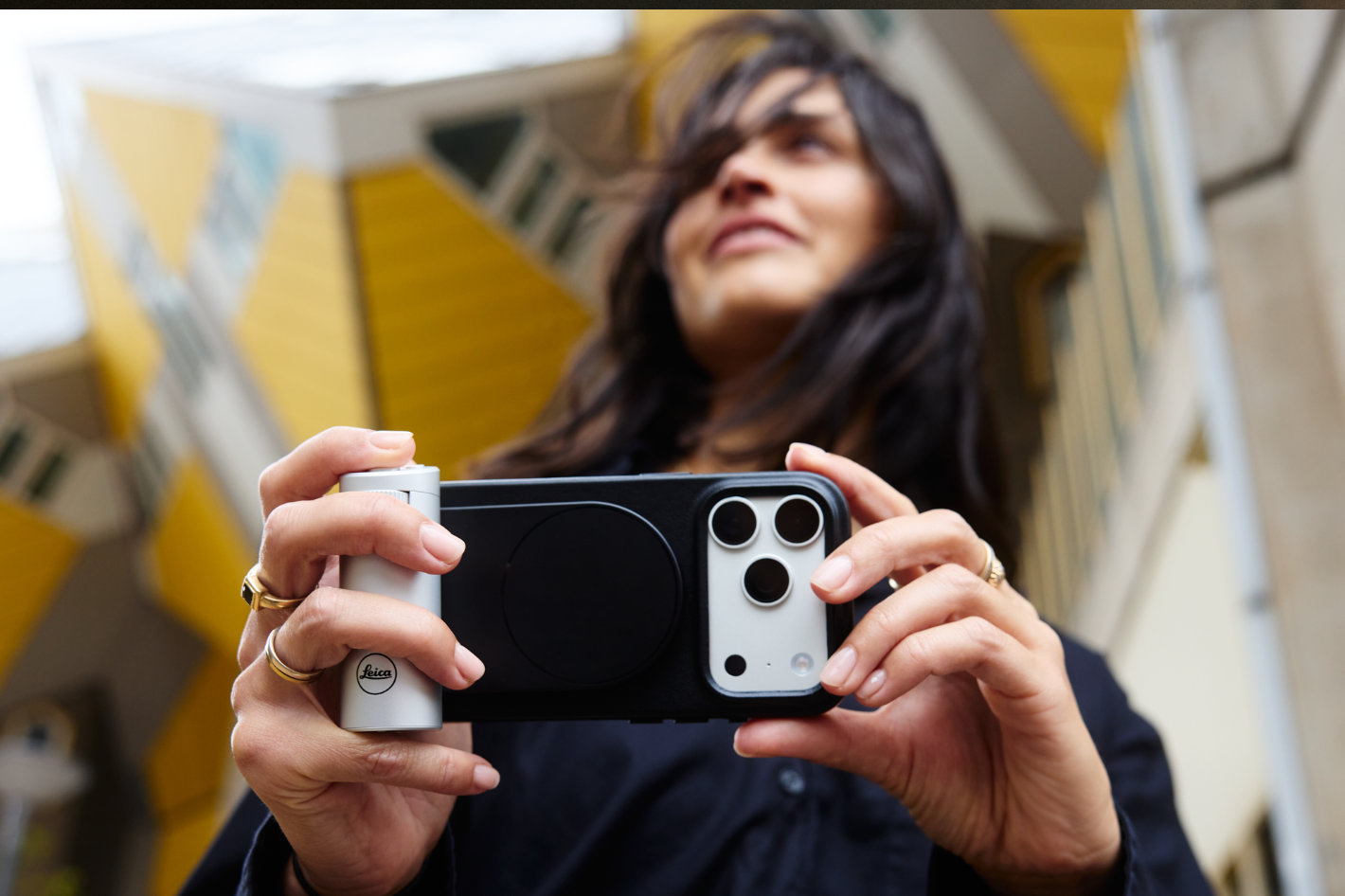
The Leica LUX grip, which connects seamlessly via MagSafe and communicates through Bluetooth, brings a genuine mechanical feel to the digital-first iPhone. It features a two-stage shutter release—a staple of dedicated cameras—allowing users to focus with a light press before committing to the exposure. Complementing this are a precise setting wheel and two customizable function buttons, providing physical tactile control over ISO, shutter speed, and white balance without the need to toggle through screen menus.
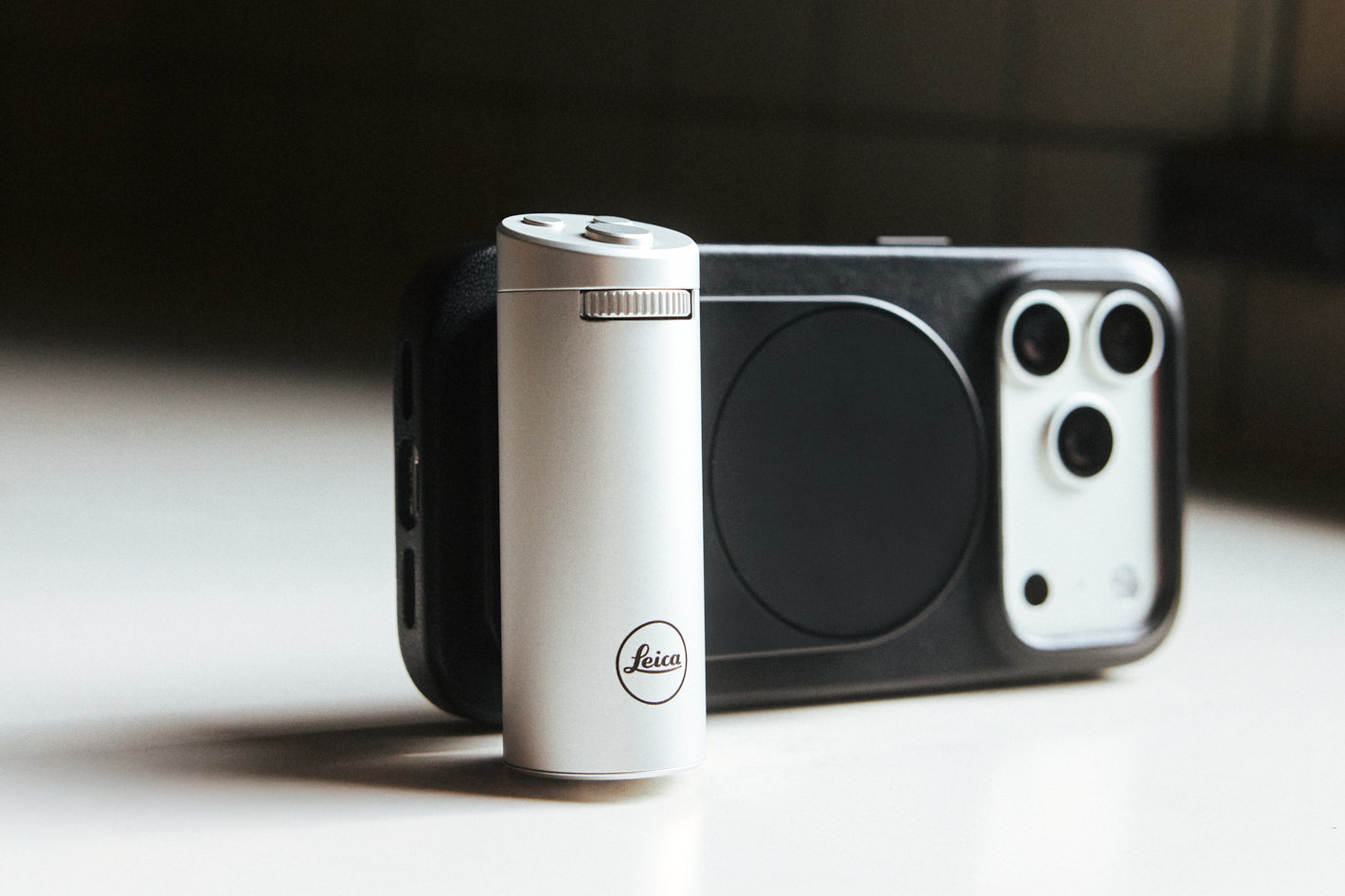
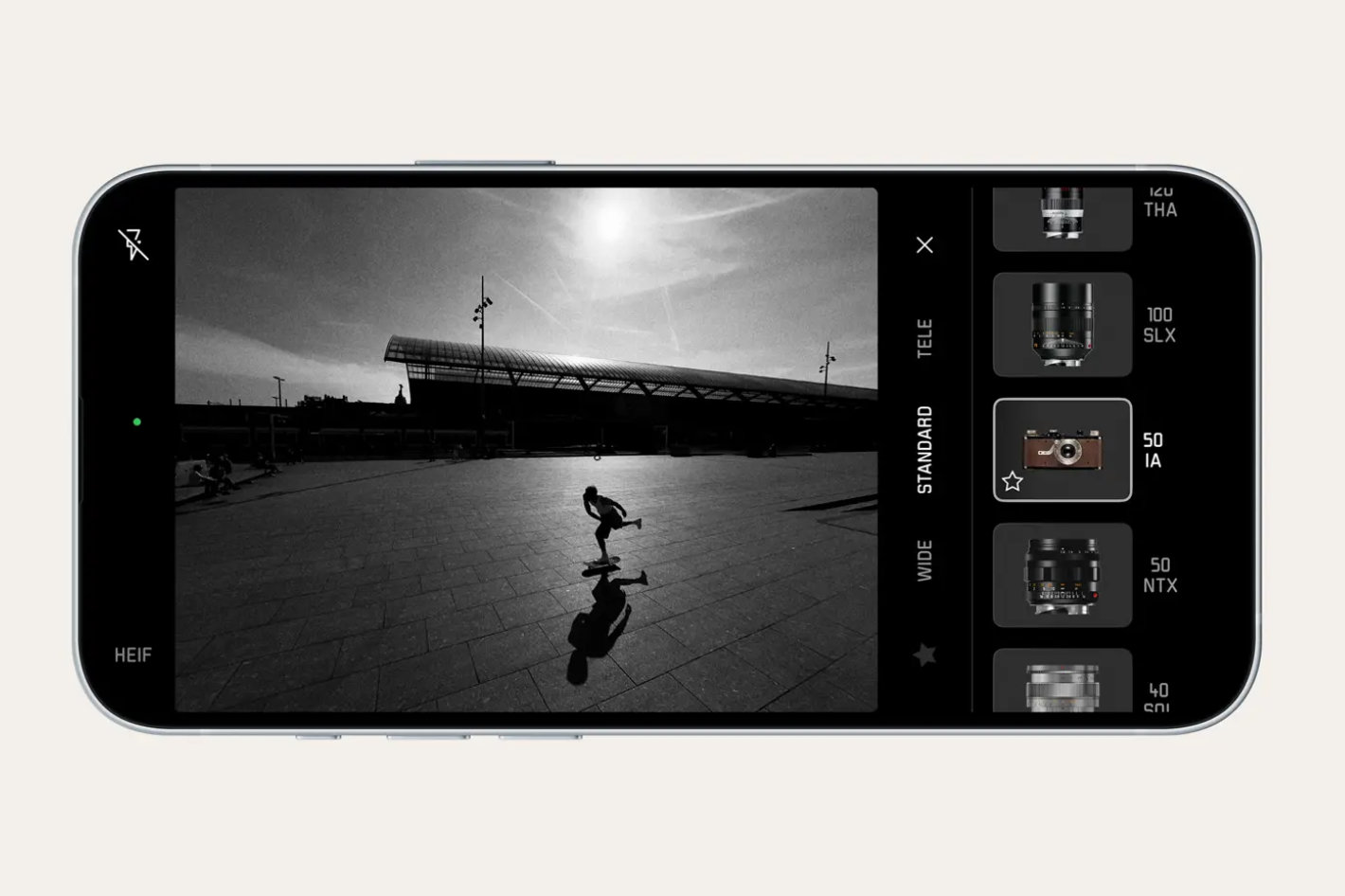
Powering this ecosystem is the Leica LUX app. While the hardware provides the interface, the software provides the soul. Version 2.0 marks the most significant architectural shift in the app’s history, introducing a gallery interface aligned with the Leica FOTOS app, a redesigned UI incorporating Apple’s "Liquid Glass" design language, and an expanded suite of "Leica Looks."
The Chronology: From Launch to Version 2.0
Since its debut in early 2024, the Leica LUX app has witnessed a meteoric rise, garnering millions of downloads and maintaining a stellar 4.8-star rating across over 25,000 reviews. This trajectory underscores a clear market demand for professional-grade manual controls on mobile devices.
- Q1 2024: Leica launches the initial version of the LUX app, bringing the proprietary "Leica Look" and lens simulations to the masses.
- Mid-2024: The app receives continuous improvements, including the integration of Leica Perspective Control, specialized halation effects, and monochrome-specific color filters.
- Late 2024 (Present): The release of version 2.0. This update synchronizes the app’s workflow with the broader Leica ecosystem, specifically the Leica FOTOS app, and adds full compatibility for the newly released iPhone 18 series.
This rapid, two-month release cycle demonstrates Leica’s commitment to staying ahead of the curve, ensuring that their mobile software is as dynamic as the hardware it supports.
Supporting Data: By the Numbers
To understand the success of this initiative, one must look at the engagement metrics provided by Leica. With "hundreds of thousands" of active monthly users, the app has moved beyond a novelty tool for brand enthusiasts into a legitimate workflow component for professional photographers.
- Hardware Endurance: The Leica LUX grip is designed for serious field use, boasting a battery capacity of up to 1,000 shots per charge, rechargeable via a standard USB-C port.
- Compatibility: The system supports a wide range of devices, starting from the iPhone 12 and extending through the latest iPhone 18 Pro and Pro Max iterations.
- Subscription Model: While the base app remains free, the "Leica LUX PRO" tier is available for $6.99 monthly or $69 annually. The company offers a seven-day free trial, ensuring users can evaluate the pro-level features—such as full manual control and advanced RAW editing—before committing.
- Integration Capabilities: A key differentiator for version 2.0 is the direct workflow integration. Users can now export their images directly from the Leica LUX app into industry-standard editing suites, including Adobe Lightroom and Capture One, alongside the existing Darkroom integration.
Official Responses and Strategic Vision
Marius Eschweiler, Leica Camera AG’s Vice President of Mobile, frames this update as a strategic move toward "system integration."
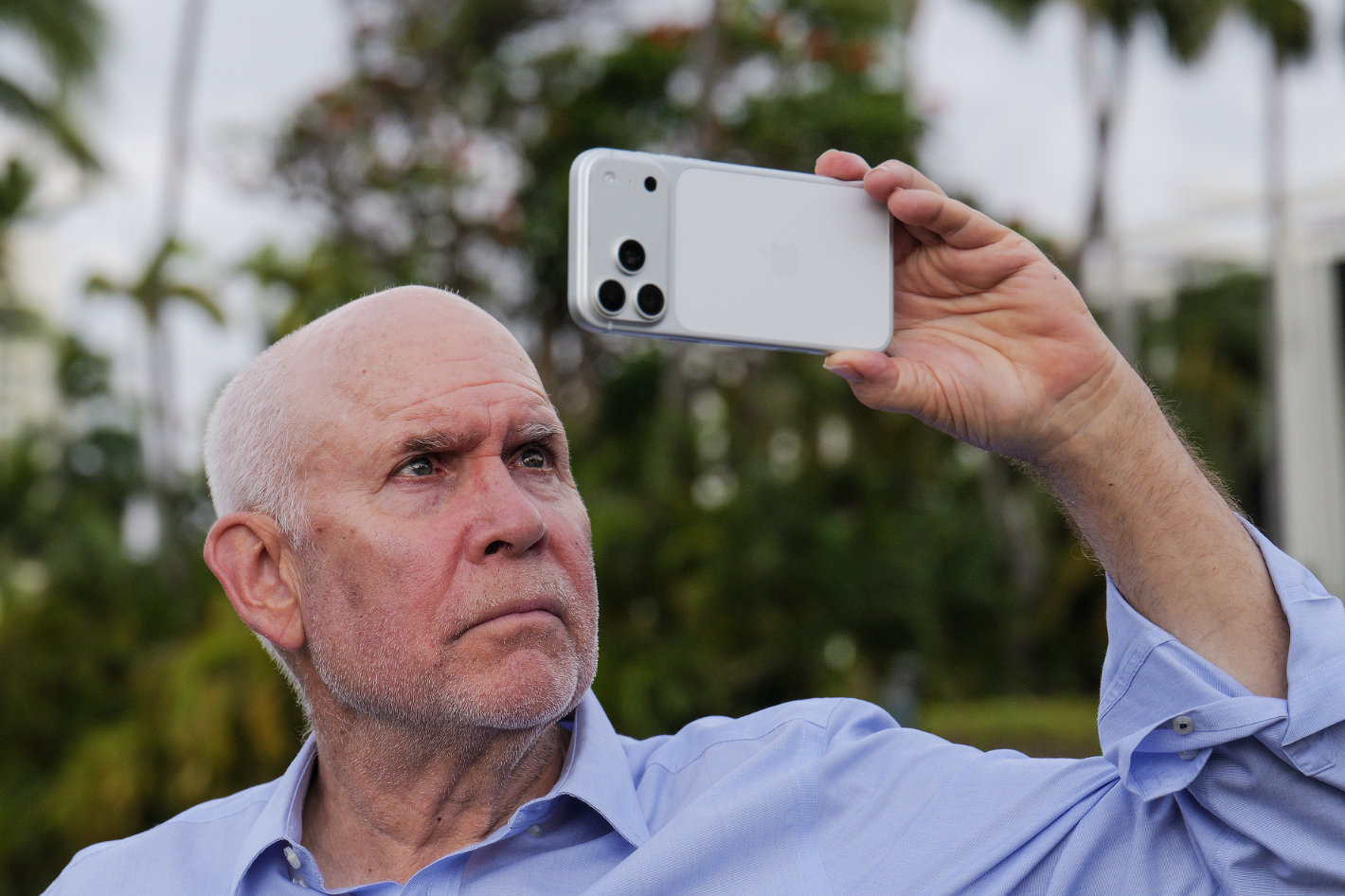
"With Leica LUX 2.0, mobile photography is becoming more closely integrated with the Leica system," says Eschweiler. "The shared gallery, the new user interface, and Steve McCurry’s Artist Look offer photographers new ways to develop their own visual language using an iPhone. Together with the silver Leica LUX grip and matching cases, the result is a coordinated range for mobile photography."
The inclusion of an "Artist Look" by legendary photographer Steve McCurry is not merely a marketing gimmick; it is an attempt to codify the "Leica aesthetic"—a specific rendering of color, contrast, and micro-detail that has historically been the hallmark of Leica’s glass. By bringing this to a digital sensor on an iPhone, Leica is democratizing a "look" that was previously locked behind a five-figure investment in a M-series camera.
Implications for the Industry
The release of the silver grip and the 2.0 app update signals several critical shifts in the photography landscape.
1. The Death of the "Snapshot" Mentality
By providing a physical shutter button, a grip, and deep manual controls, Leica is actively encouraging users to treat their iPhone as a primary camera rather than a casual capture device. The physical act of holding a grip changes the user’s posture and patience, leading to more deliberate, well-composed photographs.
2. Standardization of Professional Mobile Workflows
The adoption of the Leica FOTOS gallery interface within the LUX app is a masterclass in UX design. It creates a unified experience for photographers who might use a Leica Q3 in the field but rely on their iPhone for street photography or quick social media updates. When the operating logic of two devices is identical, the barrier to switching between them is lowered, keeping the photographer firmly within the "Leica ecosystem."
3. Hardware-Software Co-dependency
The shift toward a closed-construction leather case for the iPhone 18 Pro, which replaces the open cut-out for the camera button, shows that Leica is now designing for the holistic physical experience. They are no longer just selling software; they are selling a tactile experience. This signals a future where mobile photography accessories are treated with the same engineering rigor as traditional camera accessories.
4. The "Pro" Subscription Model in Photography
Leica’s move to push the PRO subscription confirms that the future of high-end photography apps is service-based. By offering a "freemium" model that includes a trial for the pro tier, they are capturing both the casual hobbyist and the professional who needs advanced RAW controls and color science accuracy.
Conclusion: The Future of the "Pocket Leica"
The introduction of the silver LUX grip and the 2.0 software update confirms that Leica is playing a long game in the mobile sector. They are not attempting to compete with the sheer processing power of the iPhone’s own camera app; instead, they are providing a refined, elevated layer of control for those who value the "Leica experience."
For the mobile photographer, this means that the line between a dedicated camera and a smartphone is thinner than ever. Whether it is the integration of Steve McCurry’s aesthetic sensibilities or the tactile feedback of a mechanical shutter release, Leica is successfully transferring its century-long legacy into the palm of the modern user. As they continue to update the app every two months, we can expect the boundary between professional photography and mobile convenience to blur further, ultimately resulting in a more empowered creative class.
