
The End of the Action Era? GoPro Faces Existential Financial Crisis
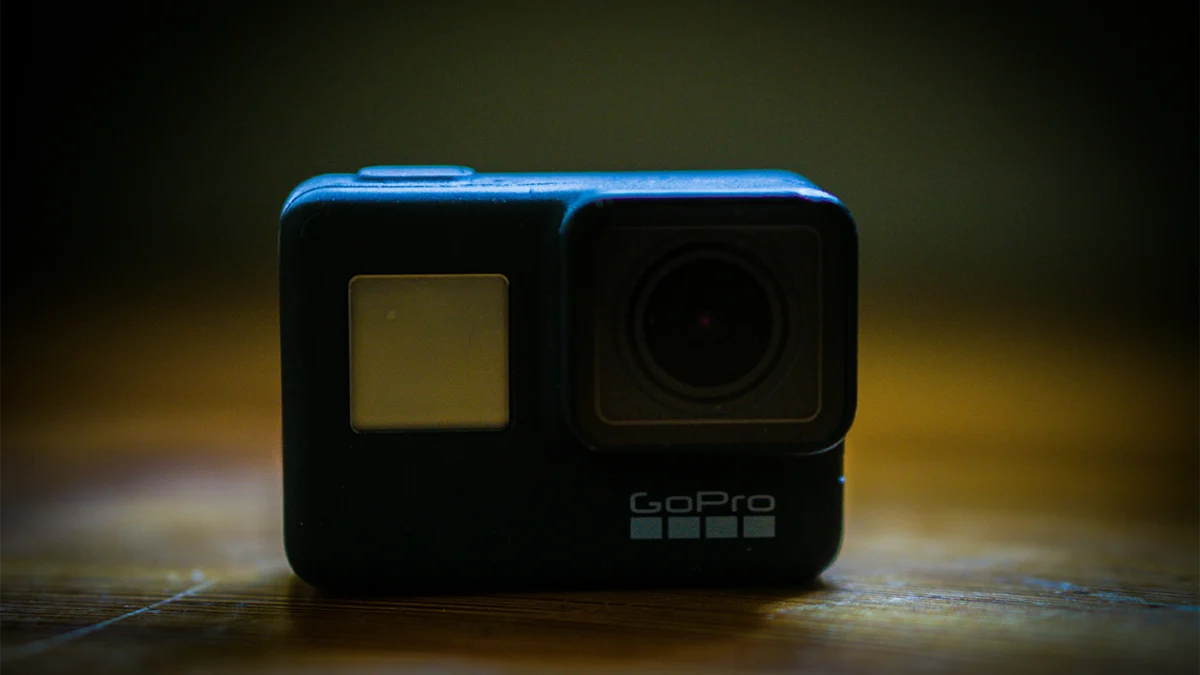
The trajectory of GoPro, once the undisputed titan of the action camera market, has taken a harrowing turn. What was once a symbol of adventure, adrenaline, and innovative cinematography now finds itself teetering on the precipice of insolvency. In a series of disclosures that have shaken both the tech sector and the filmmaking community, GoPro has officially signaled to the U.S. Securities and Exchange Commission (SEC) that there is "substantial doubt" regarding the company’s ability to remain a going concern.
This sobering admission is the culmination of a months-long downward spiral characterized by aggressive workforce reductions, stagnant market growth, and a desperate search for a strategic lifeline. As the company grapples with mounting debt and a shifting competitive landscape, the question is no longer whether GoPro can reclaim its former glory, but whether it can survive the year.
A Chronology of Decline: From Market Leader to Financial Peril
The erosion of GoPro’s market position did not happen overnight, but the acceleration of its financial decline has been startlingly rapid. To understand the current crisis, one must look at the timeline of the company’s recent strategic failures and administrative pivots.
April 2026: The First Wave of Retrenchment
The instability became public in April 2026, when GoPro announced a sweeping restructuring plan that included laying off 23% of its global workforce. At the time, management framed the move as a "necessary realignment" to streamline operations and focus on core revenue drivers. However, industry analysts viewed the move as a desperate attempt to staunch the bleeding caused by ballooning operational costs and shrinking profit margins.
May 2026: The Search for a Suitor
By May, the situation had deteriorated further. The company confirmed it was actively exploring "strategic alternatives," a corporate euphemism for putting the company on the auction block. During this period, GoPro hinted at a radical pivot, suggesting it might look to move into the defense and aerospace sectors—industries that, while lucrative, are far removed from the consumer-grade action cameras that built the brand’s reputation.
June 2026: The "Going Concern" Warning
The most critical blow arrived on June 1, 2026, when the company filed a Form 8-K with the SEC. This filing, which serves as a mandatory notification to shareholders regarding material changes in a company’s financial status, contained the most alarming language possible for an investor: an explicit admission that the company may not have the liquidity to satisfy its upcoming financial obligations.
Supporting Data: The Anatomy of a Financial Collapse
The financial woes of GoPro are not merely a result of bad luck; they are the consequence of a "perfect storm" of internal mismanagement and external market pressures.
PricewaterhouseCoopers’ Audit Findings
In the June 8-K filing, GoPro included a supplementary report from its independent auditor, PricewaterhouseCoopers LLP. The accounting firm did not mince words, noting that the company has consistently incurred operating losses and generated negative operating cash flows.
These figures are particularly damning when juxtaposed against the company’s debt structure. GoPro’s financial agreements contain specific covenants—legal benchmarks for performance—that, if breached, could trigger an immediate demand for the repayment of massive debt tranches. The audit highlights that if these obligations were to become due within the next 12 months, the company lacks the liquid assets to cover the costs.
The Macroeconomic Squeeze
While GoPro has struggled with internal efficiency, external factors have compounded its misery. A significant, global spike in memory component prices has severely impacted the company’s bottom line. Because memory is a foundational component of digital imaging devices, the rising cost of production has forced GoPro to either absorb the costs—eroding profit margins—or raise prices, which further alienates a consumer base already looking toward more affordable, feature-rich alternatives.
Market Share Erosion
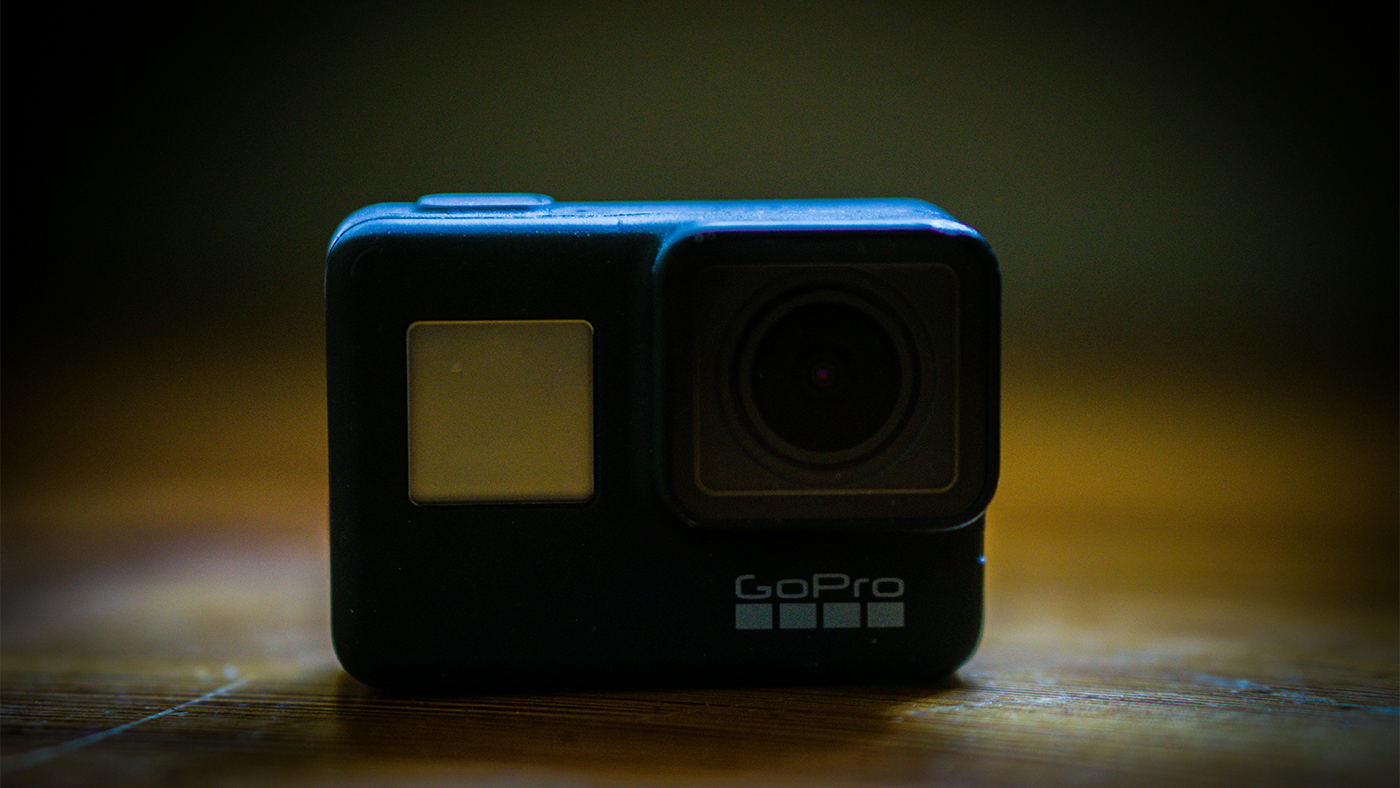
For years, GoPro enjoyed a near-monopoly on the POV camera market. However, the rise of agile, high-tech competitors like DJI and Insta360 has effectively dismantled that hegemony. These competitors have not only matched GoPro’s hardware quality but have often surpassed them in software integration, AI-driven stabilization, and user-friendly creative tools. GoPro’s inability to innovate at the speed of its rivals has left it in a precarious position, struggling to justify its premium price point in a crowded market.
Official Responses and Investor Sentiment
To date, GoPro’s leadership has maintained a posture of stoic, if not strained, silence regarding the finer details of its recovery plan. The company has avoided broad press conferences, preferring to let the legal filings speak for themselves. This lack of proactive communication has left shareholders and the tech press to parse the dry, legalistic language of SEC documents.
The market’s response to the June filing was swift and brutal. GoPro’s share price plummeted 14% immediately following the disclosure. While the stock has seen a marginal recovery in the weeks since, the underlying sentiment remains bearish. Investors are clearly unconvinced that a pivot to defense, or a potential merger, will yield the immediate capital injection required to save the firm.
Implications: The Future of the Action Camera
The implications of a potential GoPro collapse extend far beyond the balance sheets of Wall Street. For the filmmaking community, the brand is synonymous with a revolution in content creation.
The End of an Ecosystem?
If GoPro were to cease operations or be liquidated, it would leave a massive void in the ecosystem of adventure cinematography. The company’s proprietary software, its cloud subscription service, and its specialized mounting ecosystem are deeply integrated into the workflows of millions of creators. A sudden exit would not only disrupt these creators but would also force the industry to contend with a consolidation of the market into the hands of perhaps one or two major players—a scenario that rarely benefits the consumer.
Strategic Pivot or Final Breath?
The company’s stated intent to pivot toward the defense and aerospace industries is a high-stakes gamble. While government contracts offer more stability than the volatile consumer electronics market, transitioning a company built on B2C marketing and retail distribution into a B2B defense contractor is a monumental undertaking. Success would require a complete overhaul of the company’s organizational culture, manufacturing standards, and regulatory compliance protocols.
What Lies Ahead
As we look toward the remainder of 2026, the situation remains fluid. The company is currently engaged in a high-stakes search for a buyer or a strategic merger partner. For the brand to survive, it needs more than just a capital injection; it needs a vision that can compete with the current industry leaders.
Whether this marks the final chapter for the iconic action camera company or the beginning of a desperate, late-stage transformation remains to be seen. What is clear, however, is that the current financial path is unsustainable. If the company fails to secure the necessary funding or find a viable merger partner to satisfy its debt obligations, we may be witnessing the final days of a brand that fundamentally changed how we capture our world.
For the legions of filmmakers, athletes, and adventurers who built their portfolios on the back of GoPro technology, the next few months will be a period of anxious uncertainty. The hope is for a solution that preserves the legacy of the brand—but the reality of the numbers suggests that the window for salvation is closing fast. As the tech industry continues to evolve at a blistering pace, GoPro’s struggle serves as a stark reminder: in the world of consumer technology, even the most revolutionary pioneers can be left behind if they fail to adapt to the changing tide.
