
A Decade and a Half Later, James Gunn’s "Super" Stands as a Prescient Deconstruction of Heroism, Foreshadowing a Blockbuster Career

Los Angeles, CA – June 6, 2026 – It’s a remarkable trajectory that few filmmakers could have predicted. In 2010, James Gunn, a director with a burgeoning but still niche following, released a small, independent film titled Super. Met with divisive reviews and a decidedly modest box office performance, the dark comedy about a man donning a makeshift superhero costume to combat crime seemed destined to remain a cult curiosity. Fast forward sixteen years, and Gunn is now at the helm of DC Studios, a titan of the superhero genre. Looking back at Super through the lens of his subsequent, monumental successes – the Guardians of the Galaxy trilogy, the critically acclaimed Peacemaker series, and the upcoming DC Universe reboot with Superman – it becomes abundantly clear that this seemingly obscure film was not an anomaly, but rather a foundational blueprint for the thematic and stylistic preoccupations that would define his career. Super isn’t just aging well; it’s revealing itself as a prescient deconstruction of heroism, a raw outpouring of personal catharsis, and a vital stepping stone toward the blockbuster auteur he is today.
The Unlikely Genesis of a Visionary
The narrative of James Gunn’s ascent is a testament to artistic perseverance and the power of personal expression. In the early 2000s, Gunn had already established himself as a writer with a knack for blending horror, comedy, and a distinctive brand of irreverent charm, notably with Scooby-Doo and Zack Snyder’s Dawn of the Dead remake. His directorial debut, Slither (2006), a critically lauded but commercially overlooked horror-comedy, showcased his burgeoning talent for genre subversion. However, the period leading up to Super was marked by personal upheaval. Following the dissolution of his marriage to actress Jenna Fischer in 2007, Gunn channeled his frustrations and a simmering anger into a project he had envisioned since 2002.
Super, shot in late 2009 and early 2010, was a deeply personal endeavor. It was an opportunity for Gunn to confront a tumultuous period in his life and to process a potent cocktail of rage and disillusionment. The film’s shoestring budget belied the immense creative ambition and raw emotional honesty poured into its production. While its reception was polarized, with some critics dismissing its bleakness and others praising its audacious vision, a re-evaluation today suggests that Super‘s initial reception may have overlooked its profound artistic merit and its uncanny foreshadowing of Gunn’s future directorial endeavors. The film’s enduring power lies not in its broad appeal, but in its unflinching exploration of the darker facets of heroism and the human psyche.
A Crucible of Anger: Deconstructing the "Superhero" Ideal
At its core, Super is a visceral and unapologetic exploration of rage. The film centers on Frank (Rainn Wilson), a deeply disturbed but fundamentally decent man who, after losing his wife to a drug dealer, experiences religious visions and decides to become a superhero. Armed with a modified wrench and an unwavering, albeit misguided, sense of justice, Frank’s vigilantism is brutal, bloody, and often disturbing. He is not a paragon of virtue, but a broken man lashing out at a world he perceives as unjust.

This raw, unfiltered anger is the film’s driving force. Frank’s descent into vigilantism is a direct response to his perceived powerlessness and the shattering of his personal world. He believes that by enacting violent retribution, he can reclaim control and, perhaps, win back his wife. This portrayal starkly contrasts with the idealized, often sanitized versions of heroism prevalent in mainstream cinema. Super forces audiences to confront the uncomfortable reality that the line between hero and villain can be perilously thin, and that the motivations behind heroic acts can be deeply rooted in personal pain and anger.
The character of Frank serves as a potent, albeit extreme, avatar for Gunn’s own internal struggles. Having grown up in a religious household, Frank’s journey is imbued with a sense of divine calling, albeit one warped by his psychological state. He strives to see the good, but his anger frequently overwhelms him. This duality is mirrored in Libby (Elliot Page), a volatile and nihilistic woman who becomes Frank’s partner in crime-fighting. Libby embodies the more anarchic, violent, and self-destructive aspects of Gunn’s creative persona. In a bold and cathartic narrative move, Gunn has Libby meet a gruesome end, seemingly purging these darker impulses from himself and the narrative. This act of artistic self-exorcism, while brutal, paved the way for a more balanced and nuanced approach to his future projects.
The Unforeseen Bridge to Cosmic Success: Guardians of the Galaxy and Beyond
The impact of Super on James Gunn’s career trajectory cannot be overstated. Despite its limited commercial success, the film garnered the attention of Kevin Feige, the visionary architect of the Marvel Cinematic Universe. Feige’s unparalleled ability to identify and nurture talent led him to entrust Gunn with the monumental task of bringing the ragtag crew of Guardians of the Galaxy to the big screen. This was a bold move, especially considering Super‘s decidedly un-Marvel-like tone and subject matter.
It’s a compelling argument that without the cathartic release and thematic deconstruction offered by Super, Gunn might not have been ready to helm Guardians of the Galaxy. The film served as a crucial crucible, allowing him to confront and, to a degree, sublimate his darker, more Troma-esque inclinations. While elements of that raw, gonzo sensibility are undeniably present in all three Guardians films and in Peacemaker, they are now tempered by a profound understanding of heart and character. Super was the unfiltered expression of rage; Guardians and Peacemaker are the stories of characters grappling with that rage, finding healing, and ultimately embracing connection and love.

In Guardians of the Galaxy, the raw, vengeful impulses that fueled Frank are channeled into characters like Rocket Raccoon, but Gunn masterfully ensures that these darker traits do not overshadow the core of the story. Similarly, Peacemaker delves into the trauma and anger that drive its titular character, but ultimately offers a message of redemption and the importance of chosen family. Even the gleeful embrace of gore and absurdity, embodied by Vigilante, serves to highlight the narrative’s underlying emotional resonance. Gunn learned to wield his darker sensibilities with greater precision, using them to illuminate the struggles and triumphs of his characters, rather than allowing them to consume the narrative.
The Path to Superman: Embracing Kindness in a Chaotic World
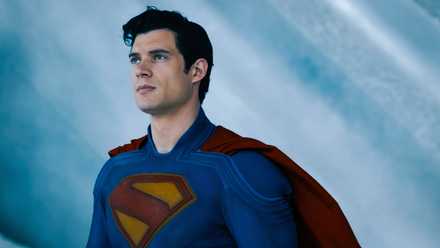
The ultimate testament to Super‘s enduring significance lies in its direct lineage to James Gunn’s stewardship of the DC Universe, particularly his upcoming Superman film. The film’s exploration of flawed individuals seeking purpose and meaning, and its eventual turn towards the transformative power of empathy, directly informs Gunn’s vision for the Man of Steel.
Superman would simply not exist in its current form without the foundational work of Super. The cathartic act of creating Super, particularly the character of Libby and her explosive, albeit tragic, arc, allowed Gunn to process and release the raw anger that had defined his earlier work. This emotional clearing allowed him to envision a Superman who embodies kindness not as a weakness, but as a radical act of defiance in a cynical world. The violent outbursts of Frank, the man who stabs Kevin Bacon’s character repeatedly for petty transgressions, are a stark contrast to the Superman who champions empathy and understanding.
The journey depicted in Super – a journey from rage and disillusionment to a more balanced and hopeful perspective – is the very arc that Gunn now brings to his DC Universe. While his previous films often showcased characters wrestling with their inner demons and external conflicts, Superman represents a culmination of that growth. It’s a film that acknowledges the struggles, the pain, and the inherent messiness of existence, but ultimately posits that kindness, resilience, and connection are the true superpowers.
Conclusion: A Masterclass in Artistic Evolution
Is Super a perfect film? Perhaps not in the traditional sense. Its raw edges and unflinching bleakness were, and remain, challenging for some audiences. However, its artistic integrity and its profound impact on James Gunn’s career are undeniable. Sixteen years after its release, Super stands as a crucial piece of evidence in understanding the creative evolution of one of contemporary cinema’s most compelling storytellers.
It was the crucible where Gunn confronted his own darkness, a cathartic purge that paved the way for the beloved characters of the Guardians of the Galaxy and the morally complex heroes of Peacemaker. More importantly, it was the necessary precursor to a DC Universe that, under his guidance, promises to champion the very virtues that Frank, in his misguided way, was searching for: justice, purpose, and the enduring power of the human spirit. Super reminds us that even in the darkest of narratives, the seeds of hope and the potential for profound change can always be found. It is a testament to the fact that sometimes, the most brutal deconstructions are the very foundations upon which the most inspiring visions are built.
