
Bridgers Ignites Madison Square Garden with a Groundbreaking Device-Free Sonic Sanctuary
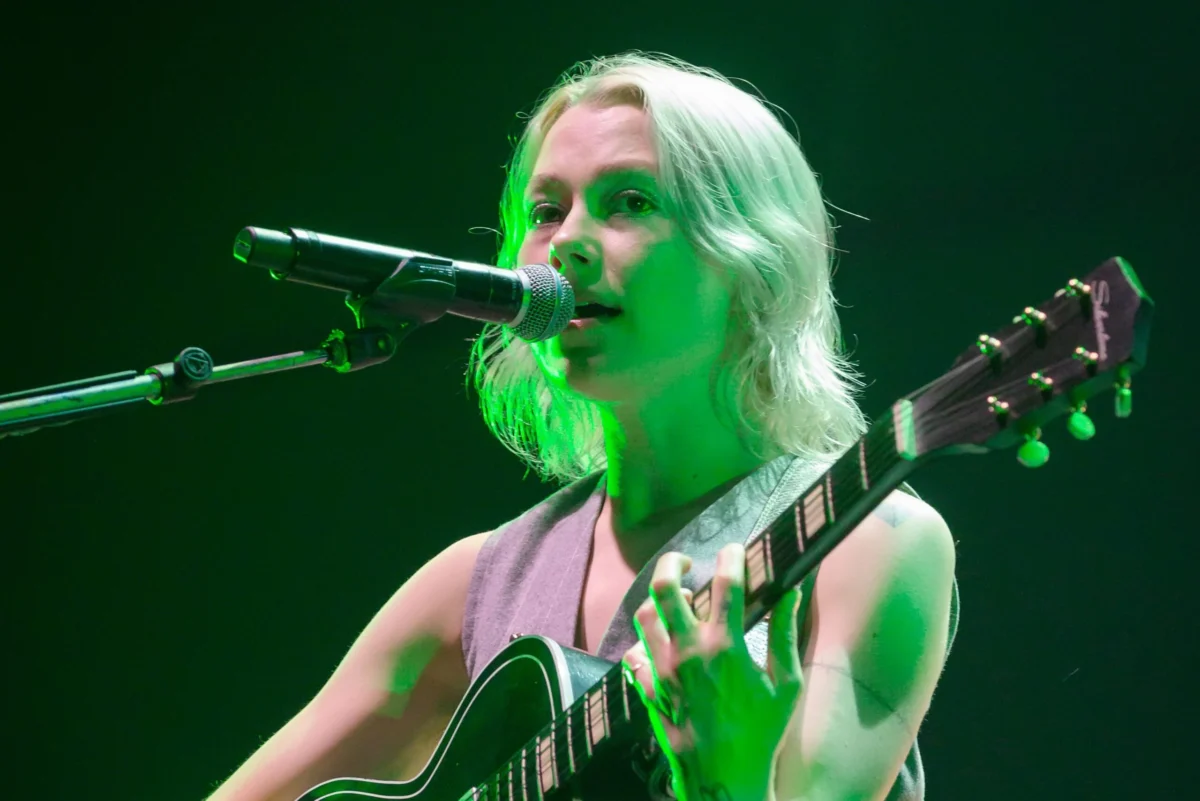
New York, NY – In a bold and unprecedented move, Phoebe Bridgers transformed the iconic Madison Square Garden into a digital detox zone for an estimated 18,000 adoring fans on Thursday night. The acclaimed singer-songwriter orchestrated a special acoustic concert where attendees willingly surrendered their smartphones and other recording devices, ushering in an era of focused, unadulterated musical immersion. This landmark event, not only for Bridgers but for the venue itself, served as a powerful statement on the evolving relationship between artists, audiences, and the pervasive influence of the digital world.
The Genesis of a Digital Silence: Bridgers’ Vision for Uninterrupted Connection
The evening began with Bridgers herself acknowledging the unique atmosphere. "It’s weird not having a phone, isn’t it?" she mused to the assembled crowd, her voice echoing through the cavernous arena. "I love it. I appreciate you allowing this to be an internet-free zone." Her playful warning, "And if any of you stuck an Apple Watch up your ass to record this, please don’t post it on the internet – I’m trusting you," drew a wave of laughter and applause, instantly solidifying the shared understanding of the night’s intention.
This "Device Free Show" was not a spontaneous decision but a meticulously planned initiative. The stringent rules, detailed in a sternly worded statement on Madison Square Garden’s website upon the benefit concert’s announcement, were a testament to Bridgers’ commitment to her artistic vision. The concert, a $1-per-ticket benefit for the Community Justice Exchange’s Immigration Bond Freedom Fund – an organization that provides bail money for ICE detainees – was sponsored by the Tidal streaming service. The announcement laid out clear directives: "No cellphones, No cameras, No tablets, No laptops, No smart watches, No Bluetooth enabled headphones."
Upon arrival, attendees were required to have their small devices secured in Yondr pouches. These pouches, designed to be locked until the end of the event, ensured that devices remained inaccessible throughout the performance. Guests retained possession of their pouches, with designated "Yondr unlocking stations" strategically placed in the lobby for those who needed to access their phones. The venue’s statement concluded with a plea for cooperation: "We appreciate your cooperation in creating a device-free viewing experience." Even reporters were informed that pens, pencils, and paper were prohibited, a measure seemingly implemented to curb the premature dissemination of inaccurate song titles or lyrics online.
While similar rules had been implemented for Bridgers’ previous, smaller club shows in less prominent markets, the sheer scale of executing such a policy at Madison Square Garden presented a significant logistical challenge. However, Bridgers and the venue staff managed to pull off the feat with remarkable efficiency. Despite the initial lengthy queues to have devices pouched, the process moved swiftly. Courteous staff members meticulously recorded guests’ seating information onto custom tickets before securing their phones, further reinforcing the personalized and deliberate nature of the experience. Security personnel also employed handheld telescope devices, scanning the audience throughout the show to ensure adherence to the policy.
A Journey Back in Time: Reclaiming the Concert Experience
The decision to enforce a device-free environment transcended mere prevention of unauthorized recordings. It was a deliberate attempt to evoke a bygone era of live music, a time when artists could experiment with new material without the immediate pressure of instant online dissemination, and audiences could engage with a performance without their view being obstructed by a sea of glowing screens. This focus on presence aimed to cultivate an intimacy rarely found in today’s hyper-connected concert landscape.

The stage itself was a meticulously crafted homage to the 1970s rec room. Bridgers, accompanied by guitarist Christian Lee Hutson, sat on a couch draped with a retro knit blanket. Flanking them were vintage lamps, a boxy television set, black-light posters, and a lava lamp, all contributing to a nostalgic and intimate ambiance. Live video feeds of the performance, often interspersed with footage from the prop television, were broadcast onto the arena’s central scoreboard screen. The intentional graininess of these visuals further amplified the retro aesthetic, reminiscent of old television broadcasts. Keyboardist Nick White was the only other musician, with percussion limited to an occasional bass drum operated by Hutson’s foot. The overall vibe was undeniably "Stranger Things," an impression heightened when, during moments of intense musical build-up, the lamps flickered ominously, evoking the presence of the show’s antagonist, Vecna.
In an unplanned but poignant throwback to an earlier concert culture, a spontaneous wave of cigarette lighters illuminated the arena during a particularly emotional song, replacing the ubiquitous glow of phone screens and creating a breathtaking, communal visual.
A Masterclass in Acoustic Storytelling and New Horizons
Bridgers, armed with an array of acoustic guitars and a Mellotron keyboard positioned within reach of the couch, opened the show with beloved fan favorites: "Motion Sickness," "Waiting Room," "Kyoto" (during which Hutson masterfully mimicked the keyboard hook on harmonica), and "Moon Song." The anticipation, however, was palpable for the substantial unveiling of new material, the first since the critically acclaimed 2023 album by her supergroup boygenius.
Bridgers proceeded to deliver seven new tracks consecutively, a bold move that journalists were respectfully asked not to extensively detail. These new compositions largely retained her signature melodic sensibility, razor-sharp lyrical wit, and profound emotional vulnerability. At least one song appeared to chronicle the raw pain of a significant breakup. However, Bridgers also ventured into uncharted territory. She introduced one track as a "country song," seamlessly adopting the genre’s stylistic nuances and cadences with impressive ease. Another featured a dynamically intense finale, her voice soaring to its upper register with a menacing power that captivated the audience.
Throughout the evening, Bridgers engaged frequently with the audience, her conversational style weaving through the musical tapestry. She posed whimsical questions, such as inquiring about the presence of "defective parents," and spoke with candid reflection about her late father, a man whose conservative upbringing she acknowledged he managed to transcend, despite their own complex relationship. Bridgers also extended her gratitude to Tidal for sponsoring the event and for their commitment to "paying artists more than any other platform." She announced an upcoming fall tour, with dates subsequently released hours later, confirming that these future performances would also adopt the device-free policy. While she twice referenced her presence in the home of the beloved New York Knicks, it wasn’t until the show’s conclusion that a fan’s enthusiastic "Let’s go Knicks!" finally broke the focused atmosphere.
Most profoundly, Bridgers expressed her deep appreciation for the audience’s support of the benefit’s cause, her voice resonating with a passionate declaration: "I fucking hate ICE agents."

In a moment of genuine surprise, she introduced a song "we’ve never played before," prefacing it with a lighthearted plea, "So if I fuck it up, don’t tell anyone." While the lyrics remained undisclosed, specific references within the song elicited cheers from the New York audience, hinting at its resonant themes.
The concert culminated with Bridgers thanking her band, sound and lighting crew, and guitar technician by name. She then encouraged the audience to join her in a communal scream during the set closer, "I Know the End." As the song reached its frenetic climax, Bridgers left the couch and moved to the front of the stage, engaging in a cathartic headbanging session—the evening’s sole moment of unadulterated rock energy. This powerful conclusion provided a fitting release for an otherwise introspective and demanding performance that required significant engagement from its attendees.
The Broader Implications: Redefining the Concert Experience
Beyond the immediate artistic and emotional impact, Bridgers’ Madison Square Garden spectacle carries significant implications for the future of live music. In an era saturated with the constant urge to document and share experiences online, this concert offered a refreshing counterpoint. It underscored the value of being fully present, of experiencing art without the filter of a screen or the pressure to curate an online persona. Bridgers’ success in implementing this policy on such a grand scale positions her as a pioneer, potentially inspiring other artists and venues to adopt similar initiatives.
The move aligns with a growing trend of artists prioritizing fan-centric experiences, where the focus shifts from social media documentation to genuine human connection and shared artistic appreciation. The very concept of a "device-free zone" in a major arena, once seemingly a niche proposition, has now been proven viable and profoundly impactful.
The logistical hurdles, though considerable, were overcome, demonstrating that with careful planning and clear communication, such ambitious policies can be successfully implemented. The positive reception from both the audience and critics suggests a latent desire for such intentional experiences.
As the evening drew to a close, the only lingering regret for many attendees, and indeed for this reporter, was not having conceived of the Yondr pouch concept years prior. Phoebe Bridgers’ device-free concert at Madison Square Garden was more than just a musical performance; it was a profound statement on the power of undivided attention, a testament to the enduring magic of live music when experienced with all senses fully engaged, and a compelling vision for the future of how we connect with art and with each other.
