
The Moral Ambiguity of Vengeance: Frank Grillo Defends Rick Flag Sr.’s Ruthless Path in the New DCU
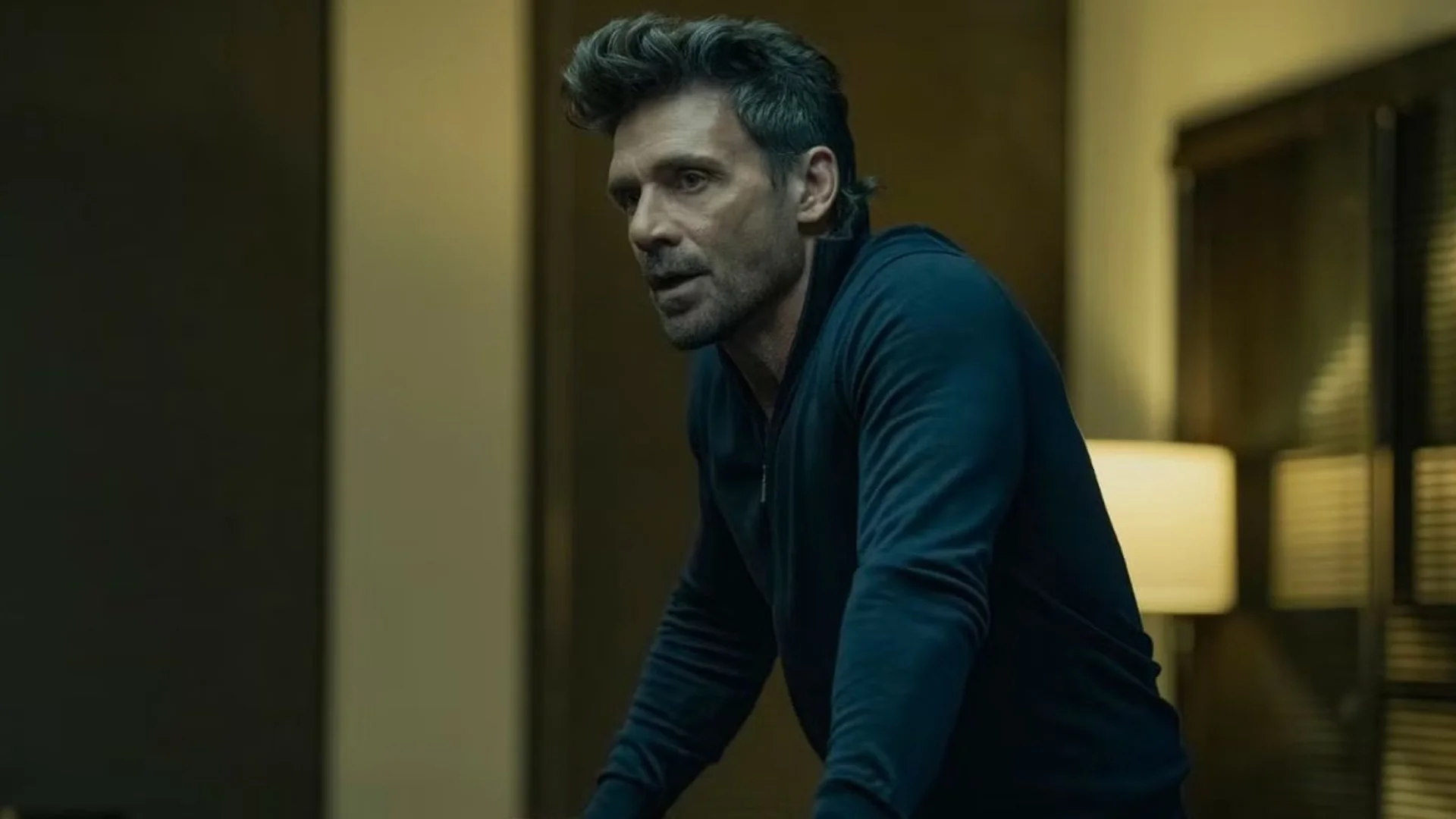
In the sprawling, interconnected tapestry of James Gunn’s revitalized DC Universe (DCU), few characters have sparked as much polarized debate as Rick Flag Sr. Brought to life with gritty, uncompromising intensity by Frank Grillo, the character has quickly ascended to the status of a primary antagonist—or perhaps a misunderstood anti-hero—depending on one’s perspective. Following the explosive and controversial conclusion of Peacemaker Season 2, fans have been left reeling by Flag Sr.’s decision to exile Christopher Smith to the perilous prison world of Salvation.
However, Frank Grillo is having none of the criticism. In a recent candid discussion regarding his character’s moral compass, the actor pushed back against the narrative that his character has "gone too far," asserting that his actions are not only logical but fundamentally justified by the trauma of losing his son.
The Catalyst of Conflict: A Father’s Grief
To understand the vitriol directed at Rick Flag Sr., one must return to the events of James Gunn’s The Suicide Squad. The death of Rick Flag Jr. at the hands of Peacemaker remains the foundational trauma of the current DCU narrative. For Flag Sr., the nuance of Christopher Smith’s eventual guilt or his internal moral struggles is irrelevant.
"Peacemaker killed my son! Let me help you here. He murdered my son, my child," Grillo stated during an interview with MovieWeb. When confronted with the interviewer’s suggestion that Smith feels remorse, Grillo’s response was characteristically blunt: "Whose problem is it, mine or yours? You’re crazy."
This exchange highlights the core of the character’s psyche. Flag Sr. is not a traditional comic book villain motivated by a desire for global domination or nihilistic destruction. He is a man acting out of the most primal human instinct: retributive justice for the loss of a child. By trapping Peacemaker on an alien prison planet, Flag Sr. isn’t just seeking punishment; he is ensuring that the man who destroyed his family line suffers a fate as bleak and isolated as the grief he has been forced to carry.
Chronology of a Vendetta
The arc of Rick Flag Sr. is a masterclass in building a character through the fallout of previous entries. His trajectory can be mapped as follows:
- The Loss: The death of Rick Flag Jr. in The Suicide Squad serves as the inciting incident for the elder Flag’s emergence into the spotlight of the DCU.
- The Escalation: As seen throughout Peacemaker Season 2, Flag Sr. uses his vast resources and governmental influence to track and dismantle the people associated with his son’s death.
- The Climax: The Season 2 finale, where he orchestrates the permanent removal of Peacemaker from the board, marks a turning point where Flag Sr. moves from a grieving observer to an active, dangerous player.
- The Future: His confirmed, significant role in the upcoming Man of Tomorrow suggests that his influence will continue to ripple through the DCU, likely complicating the lives of the Justice League and their associates.
This sequence of events positions Flag Sr. as a "slow-burn" antagonist. Unlike villains who reveal their plans in grand speeches, Flag Sr. is systematic. He operates from the shadows of the intelligence community, making his actions all the more menacing because they are backed by the weight of authority.
Official Responses and Actor Perspective
Frank Grillo’s commitment to the role is total. In an industry where actors often seek to humanize their villains to make them "likable," Grillo is leaning into the friction. He appears genuinely baffled by the notion that his character is being perceived as a villain, or even as "hated."
"Right now, I am [hated]? I didn’t know that!" Grillo remarked when informed of the audience’s reaction. This lack of concern for public opinion mirrors the character’s own lack of concern for the morality of his methods. For Grillo, the character’s motivation is so ironclad that he doesn’t feel the need to offer a public relations defense of his actions.
This perspective provides a fascinating contrast to the other characters in the DCU. While figures like Superman represent an idealized morality, Flag Sr. represents the "real world" consequence of violence. He serves as a mirror held up to the heroes, asking them, "What happens when you kill, and the people left behind decide to hold you accountable?"
Implications for the Future: Man of Tomorrow
The stakes are set to rise significantly with the 2027 release of Man of Tomorrow. Frank Grillo has teased that his character is an integral piece of the narrative, which is already shaping up to be a dense, character-driven epic.
The film, which focuses on a forced alliance between Superman and his arch-nemesis Lex Luthor to combat the threat of Brainiac, represents a major shift in tone. Nathan Fillion, who portrays Guy Gardner, hinted at the depth of the sequel: "In the first movie, we learn a lot about who Superman is. In Man of Tomorrow, I think we’ll learn more about who Lex Luthor is."
The inclusion of Rick Flag Sr. in this environment is telling. If Lex Luthor is the intellectual threat to the DCU, Rick Flag Sr. acts as the tactical, grounded threat—a man who understands how to manipulate the power structures of Earth to achieve his ends. With a cast that includes Aaron Pierre as John Stewart, Milly Alcock as Supergirl, and Xolo Maridueña as Blue Beetle, the film is clearly positioning itself as a pivotal moment in the franchise. The presence of Flag Sr. among these titans suggests that his revenge mission is far from over and that he may be willing to leverage the impending Brainiac crisis to further his own goals.
The Ethical Debate: Justice or Vengeance?
The core question the audience must grapple with is whether Flag Sr. has become the very thing he despises. By utilizing cold, calculating, and arguably "villainous" tactics to punish Peacemaker, he has distanced himself from the moral high ground.
However, the DCU has always thrived on these shades of grey. In a world of gods and monsters, the human element—the parent who loses a child—is often the most compelling. Supporters of Flag Sr. argue that in a universe where the "good guys" frequently cause collateral damage, someone like Flag Sr. is a necessary consequence of those actions. Critics, meanwhile, point to the cold-blooded nature of his prison-world exile as evidence that his grief has morphed into a dangerous, unchecked obsession.
As we look toward the future of the DCU, it is clear that James Gunn is not interested in simple binaries. Whether one views Rick Flag Sr. as a tragic father or a calculating monster, it is impossible to look away.
Looking Ahead: A Roadmap for the DCU
The path to 2027 is paved with significant releases that will undoubtedly shape the context of Flag Sr.’s next appearance.
- October 23, 2026: The release of Clayface, which promises to dive into another complex, potentially sympathetic antagonist, further setting the stage for a universe where the lines between villain and victim are constantly blurred.
- July 9, 2027: The theatrical debut of Man of Tomorrow. This will likely be the definitive test for Rick Flag Sr. How will he interact with characters like Superman, who generally operate on a code of mercy that Flag Sr. clearly rejects?
As fans continue to debate his actions on social media and forums, one thing is certain: Frank Grillo’s Rick Flag Sr. has cemented himself as a cornerstone of the new DCU. Whether he is a man seeking closure or a man who has lost his soul to vengeance, his presence ensures that the stakes of every future story remain intensely personal.
Ultimately, the audience is left with the same question Grillo poses to his detractors: If the law fails to punish those who break the world, is the man who takes the law into his own hands a villain, or the only person brave enough to act? For now, we wait to see how the rest of the DC Universe answers that question when Man of Tomorrow hits the big screen.
