
The Lost Christmas: Inside the Cancellation of Doctor Who’s Most Controversial Special
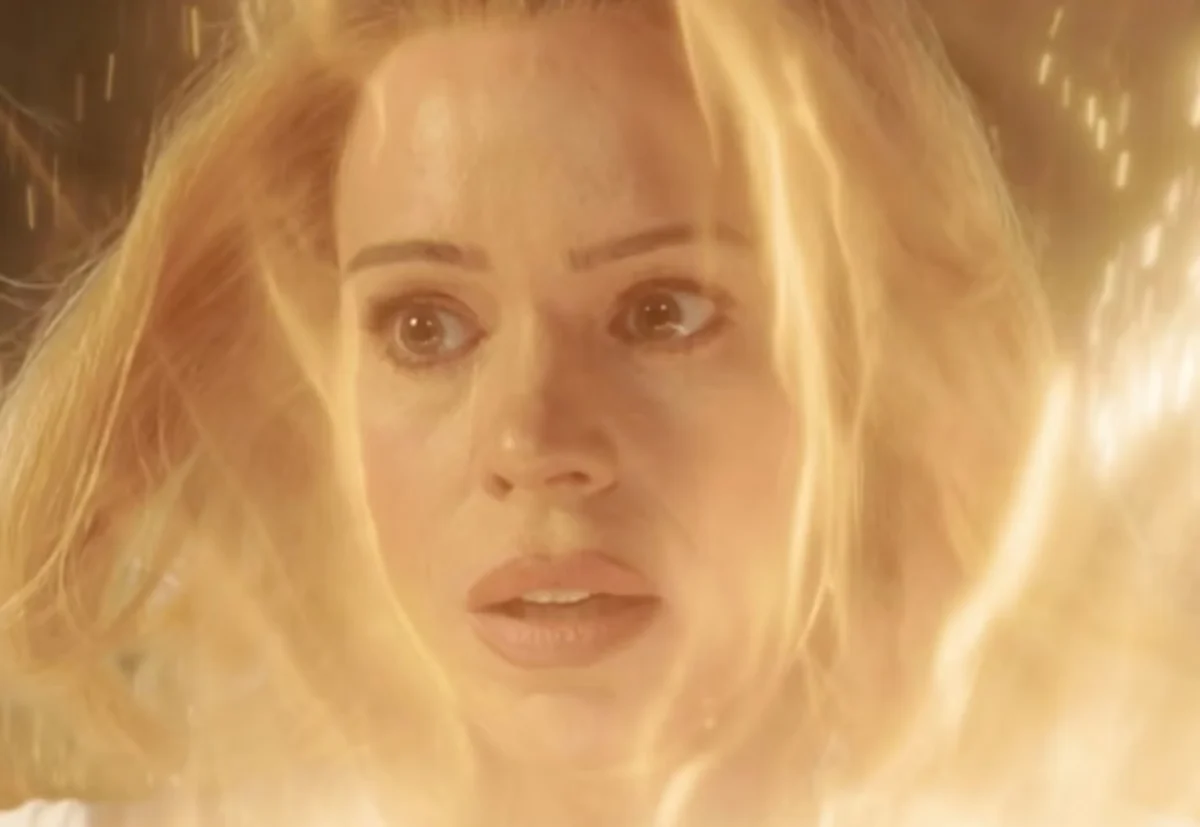
The long-running science fiction institution Doctor Who finds itself in a state of suspended animation. Following the conclusion of Ncuti Gatwa’s tenure as the Fifteenth Doctor—a dramatic exit that saw his incarnation regenerate into a form portrayed by Billie Piper—the franchise has hit a significant production wall. The highly publicized partnership between the BBC and Disney, intended to propel the show into a new era of global prominence, has fractured, leaving the series’ future in a state of professional limbo.
While the show remains on indefinite hiatus, the discourse has shifted from the adventures of the Time Lord to the administrative and creative crises behind the scenes. Central to this period of uncertainty is the revelation that a planned 2026 Christmas Special, which was intended to serve as a bridge between eras, was quietly scrapped in June 2026. Through a candid excerpt from his forthcoming memoir, published recently in The Guardian, showrunner Russell T. Davies has provided a rare, unvarnished look at the internal friction that led to the death of an episode that never was.
A Chronology of the "Lost" Special
The trajectory of the 2026 Christmas Special can be traced back to the BBC’s desire to maintain a consistent presence in the holiday television landscape. Following the end of Ncuti Gatwa’s run, the network viewed a standalone Christmas episode as a vital anchor to signal to viewers that the brand remained active and committed to its legacy.
- Early 2026: Russell T. Davies, having overseen the most recent series, was approached by the BBC to spearhead a holiday special. Despite his reservations, he began conceptualizing a narrative that leaned heavily into classic Doctor Who iconography.
- Spring 2026: Davies fleshed out a script centered on an “olde-worlde” English village juxtaposed with a massive, mysterious spaceship. The plot featured an outer-space festival dubbed “Winternox” and the inclusion of a Dalek legion, with what Davies described as a “very unexpected” twist buried within the narrative.
- May 2026: As the production schedule tightened, the reality of the show’s scheduling conflicts and its awkward position in the series’ broader canon began to weigh on Davies. He approached the BBC with a formal recommendation to abandon the project.
- June 2026: The BBC officially confirmed the cancellation of the special, effectively ending plans for a Christmas installment and leaving the narrative cliffhanger—the appearance of Billie Piper as the Doctor—unresolved.
The Creative Friction: "Neither Fish Nor Fowl"
The decision to cancel the special was not born of a single failure, but rather a profound creative realization regarding the integrity of the show’s storytelling. Davies, in his memoir, offers a surprisingly blunt assessment of the project’s inherent flaws. He noted that as the production timeline moved forward, he became increasingly cognizant of the “awkward place” the episode would occupy in the Doctor Who universe.
“There’s a huge era behind us, there’s a huge era ahead of us, what’s this thing in the middle?” Davies writes. He described the special as an anomaly—a standalone event that lacked the necessary momentum to push the series forward, yet lacked the foundation to act as a proper finale or premiere.
Perhaps most damning was his assessment of the fan base’s potential reaction. Despite the episode being designed as a fan-service vehicle, Davies recognized the irony that it was precisely the kind of episode “that fans would not be pleased by.” He identified it as “neither fish nor fowl,” a project that existed primarily to fill a scheduling slot rather than to tell a meaningful story. This self-awareness, while perhaps frustrating to those who longed for a holiday outing, speaks to the high standards Davies maintains for the franchise’s narrative coherence.
The "Piper Problem" and the Ease of Continuity
The most significant casualty of the cancellation is the lingering question of the Doctor’s appearance. With the regeneration into Billie Piper—a nod to the character Rose Tyler, who defined an entire generation of the show—left as the final image of the Gatwa era, the audience is left with a massive, unexplained plot point.
However, Davies remains unfazed by the narrative complexity this creates. In his memoir, he draws a comparison to the 1996 television movie, which introduced the controversial—and later largely ignored—notion that the Doctor was “half-human.”
“Doctor Who problems are simple to solve,” Davies writes. “A new production team can either seize hold of that appearance happily, or—and this is more likely—they can explain the event away with exactly seven words. Painless. That’s not a problem, that’s a piece of piss.”
This philosophy—that the internal logic of Doctor Who is malleable and easily corrected—is a hallmark of Davies’ tenure. It suggests that the upcoming production team, whoever they may be, will have total freedom to either embrace the legacy of the Piper regeneration or discard it entirely, effectively “resetting” the show’s status quo with minimal effort.
The Strategic Implications for the BBC
The collapse of the Disney partnership and the subsequent pause in production have raised serious questions about the BBC’s long-term strategy for Doctor Who. Once the jewel in the crown of British television, the show now faces a period of transition that could determine its survival in an increasingly crowded streaming market.
The cancellation of the Christmas special is, in many ways, a microcosm of the current crisis. It highlights the tension between the network’s desire for “tentpole” content and the creative requirements of a show that thrives on complex, long-form storytelling. By opting to scrap a subpar project rather than rushing it to air, the BBC and Davies have signaled that they are unwilling to compromise the show’s legacy simply to fill a holiday slot.
However, the silence that follows the cancellation is deafening. Without a clear timeline for the show’s return, the risk of losing momentum is high. The "Disney era" brought with it increased production budgets and a broader international audience, but the loss of that partnership leaves the BBC to navigate the costs and logistical challenges of modern Doctor Who production on its own.
The Road Ahead
As the industry looks toward 2027 and beyond, the status of Doctor Who remains a topic of intense speculation. Will the next iteration of the show lean into the meta-textual chaos of the regeneration cliffhanger, or will it opt for a clean slate?
Davies’ memoir excerpt serves as a final word on the recent past, providing closure to a chapter that never truly began. For the fans, the "Lost Christmas" of 2026 will likely be remembered as a strange footnote in the show’s 60-plus-year history—a moment where the production of the show collided with the reality of its own creative limitations.
For now, the TARDIS remains grounded. Yet, if history has taught us anything about Doctor Who, it is that the series has a remarkable capacity for rebirth. Whether that comes through a bold new vision, a return to its roots, or simply seven words of explanation, the show’s ability to move past its own “problems” is what has kept it on the air for over six decades. The Christmas special may be dead, but the Doctor’s journey, however obscured, continues to hover on the horizon.
