
The Game Continues: Mike P. Nelson Tapped to Direct Next Chapter in the Billion-Dollar ‘Saw’ Franchise
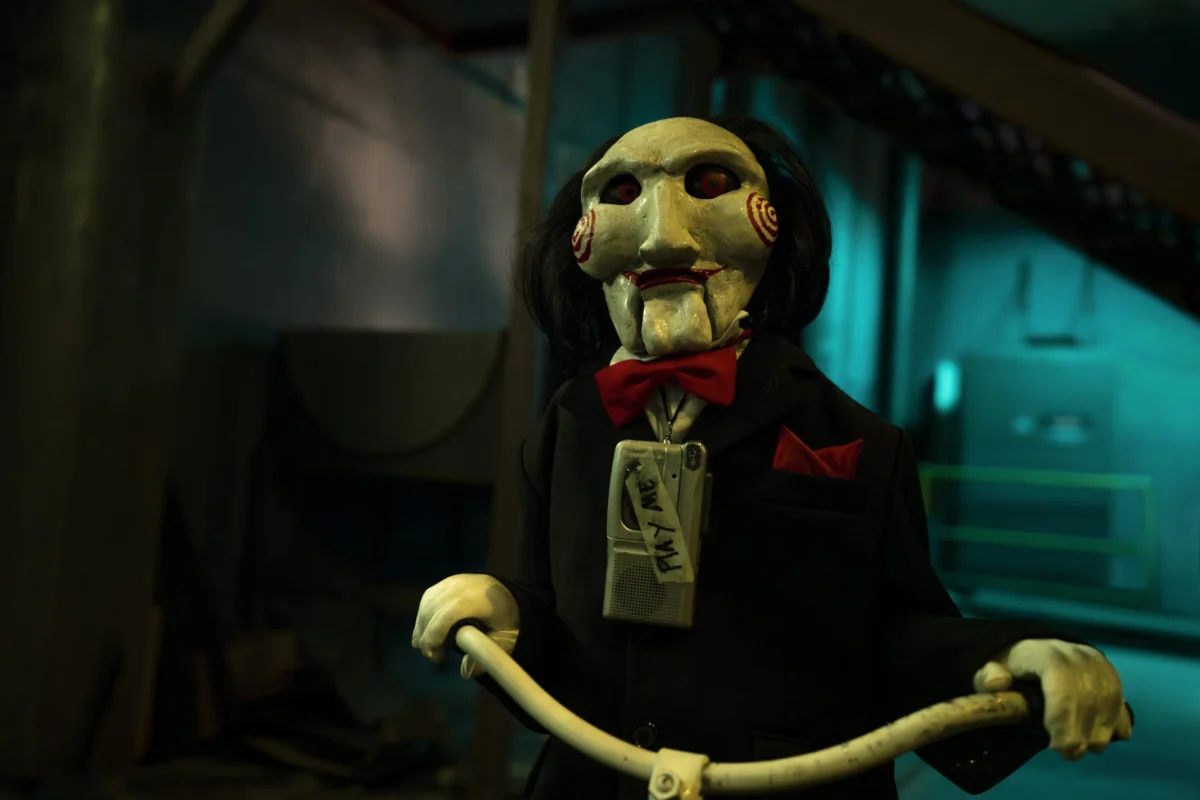
The Saw franchise, a cornerstone of modern horror that redefined the "torture porn" subgenre and turned low-budget independent filmmaking into a global box-office juggernaut, is officially entering a new era. In a major industry development, director Mike P. Nelson has been tapped to helm the next installment of the long-running series.
This transition marks a significant moment for the franchise, representing the first time original architect James Wan has regained direct creative control under the banner of his production company, Atomic Monster, in collaboration with Blumhouse. As the series moves forward, the appointment of Nelson signals a desire to blend the franchise’s grimy, visceral roots with a fresh, contemporary directorial vision.
The Architect and the Apprentice: A New Creative Direction
The announcement confirms that the next Saw film will be steered by a powerhouse creative team. While Mike P. Nelson takes the director’s chair, the project’s foundation is being laid by a powerhouse production trio: James Wan, Leigh Whannell, and Jason Blum.
The screenplay has been penned by the writing duo Gregory Weidman and Geoff Tock, whose recent work on the highly anticipated Dune: Prophecy series has garnered industry praise for their ability to balance intricate world-building with high-stakes tension. For fans of the franchise, the involvement of original creators Wan and Whannell—the men who started it all in a 2004 indie hit—offers a promise of continuity. Their return to a producer capacity ensures that while the director may be new, the DNA of the series remains intact.
Chronology: From Indie Sensation to Global Phenomenon
To understand the significance of this new installment, one must look at the sprawling, complex legacy of the Saw franchise.
- 2004: The Genesis. James Wan and Leigh Whannell release Saw, a taut, claustrophobic thriller that introduced the world to John Kramer, aka "Jigsaw." With a modest budget of approximately $1.2 million, the film grossed over $100 million worldwide, effectively launching a cultural phenomenon.
- 2005–2010: The Annual Ritual. For seven consecutive years, the franchise became a Halloween staple, releasing a new film every October. This era established the franchise’s signature: intricate mechanical traps, non-linear storytelling, and the morally grey "games" played by Jigsaw.
- 2017–2021: Rebirth and Expansion. After a hiatus, the franchise returned with Jigsaw (2017) and the Chris Rock-led spinoff Spiral: From the Book of Saw (2021), attempting to modernize the series with new detectives and varying takes on the Jigsaw legacy.
- 2023: The Return to Form. Saw X was released to critical acclaim, largely praised for returning the focus to Tobin Bell’s John Kramer. By grounding the narrative in character-driven stakes rather than just "trap-of-the-week" spectacle, the franchise proved it still had significant box-office legs.
- 2025 and Beyond: With the announcement of Mike P. Nelson as director, the franchise looks to bridge the gap between its classic, grounded roots and the evolution of the genre.
Supporting Data: The Proven Track Record of Mike P. Nelson
The choice of Mike P. Nelson is not an accidental one. He has spent the last several years carving out a reputation as a filmmaker who understands the visceral language of horror.
Nelson’s directorial filmography highlights a talent for creating atmospheric dread and high-intensity survival narratives. His work on the 2021 reboot of Wrong Turn demonstrated his ability to take a long-running, gritty franchise and inject it with a sharper, more modern edge. Furthermore, his 2025 remake of Silent Night, Deadly Night and his recent Fantastic Fest title, Beware Boiúna, have showcased his range. Whether dealing with slasher-style horror or folk-horror aesthetics, Nelson has proven he can manage the technical demands of practical effects and the pacing requirements of a thriller—two skills essential for any Saw director.
Official Responses: A Mutual Vision for the Future
The excitement surrounding the project is palpable, as evidenced by the official statements from the key players involved. James Wan, whose career was catapulted by the success of the original Saw, emphasized the importance of safeguarding the franchise’s identity.
"Making the original Saw was a defining experience for me, so it was essential to find a director who would honor that world," Wan stated. "Mike has a raw, distinctive filmmaking voice with an inventive approach to the genre, and I believe he’ll bring something truly unique and special to the franchise."
For his part, Nelson expressed both reverence for the source material and excitement for the script provided by Weidman and Tock. "Greg and Geoff and James have crafted such a wild script that brings the mystery of the original while exploring new insane bloody ideas that meld so well with the brutal moral compass of the franchise," Nelson remarked. "Let the games begin!"
The Anatomy of the ‘Saw’ Formula
What makes a Saw movie successful? It is a delicate balance of three primary ingredients:
- The Moral Compass: At the heart of every film is the Jigsaw philosophy—that life is a gift, and those who waste it or cause suffering must be "rehabilitated" through extreme physical trials.
- The Mechanical Spectacle: The traps are the franchise’s calling card. They are works of art—gruesome, complex, and deeply symbolic. The engineering behind these devices is a hallmark of the series’ production design.
- The Puzzle Box Narrative: Saw films are famous for their "gotcha" moments, non-linear editing, and twists that recontextualize the entire plot.
By hiring a director who prioritizes a "raw, distinctive voice," the production team is clearly aiming to lean into the visceral reality of these traps while maintaining the psychological complexity that keeps audiences guessing until the final frame.
Implications: The Future of Horror Franchises
The hiring of Mike P. Nelson is a strategic move that reflects a broader trend in Hollywood: the marriage of established intellectual property with auteur-driven directorial talent. By bringing in a director who has honed his craft in the indie horror trenches, Atomic Monster and Blumhouse are signaling that they want the Saw series to feel dangerous and unpredictable again.
The involvement of Dune: Prophecy writers also suggests that the narrative might lean more heavily into the lore and the psychological fallout of the games. With the industry moving away from bloated, CGI-heavy horror, the Saw franchise’s commitment to practical, tangible terror feels more relevant than ever.
What Fans Can Expect
While plot details remain under lock and key, we can infer the direction of the film based on the team assembled. We are likely to see a shift toward:
- Elevated Practical Effects: The franchise’s history relies on the audience believing in the physical stakes of the traps.
- Moral Ambiguity: Given the writing team’s background, expect a screenplay that asks difficult questions about justice and retribution.
- The Jigsaw Legacy: With Tobin Bell’s resurgence in Saw X, it is highly probable that the new film will continue to explore the shadow that John Kramer casts over the world, whether through flashbacks, legacy characters, or new disciples.
As the production gears up, the industry will be watching closely. The Saw franchise has survived for two decades, proving that as long as there is an audience for high-stakes psychological horror, the games will never truly end. For Mike P. Nelson, this is the biggest stage of his career, and for the fans, it represents a new, potentially blood-soaked chapter in one of horror’s most enduring sagas.
"Let the games begin" is more than just a tagline—it is a promise that the next installment will be looking to push the boundaries of what is possible within the series, ensuring that the legacy of Jigsaw remains as sharp and unforgiving as the traps themselves.
