
Snake Plissken Returns: Zack Snyder’s Ambitious—and Controversial—Vision for ‘Escape from New York’
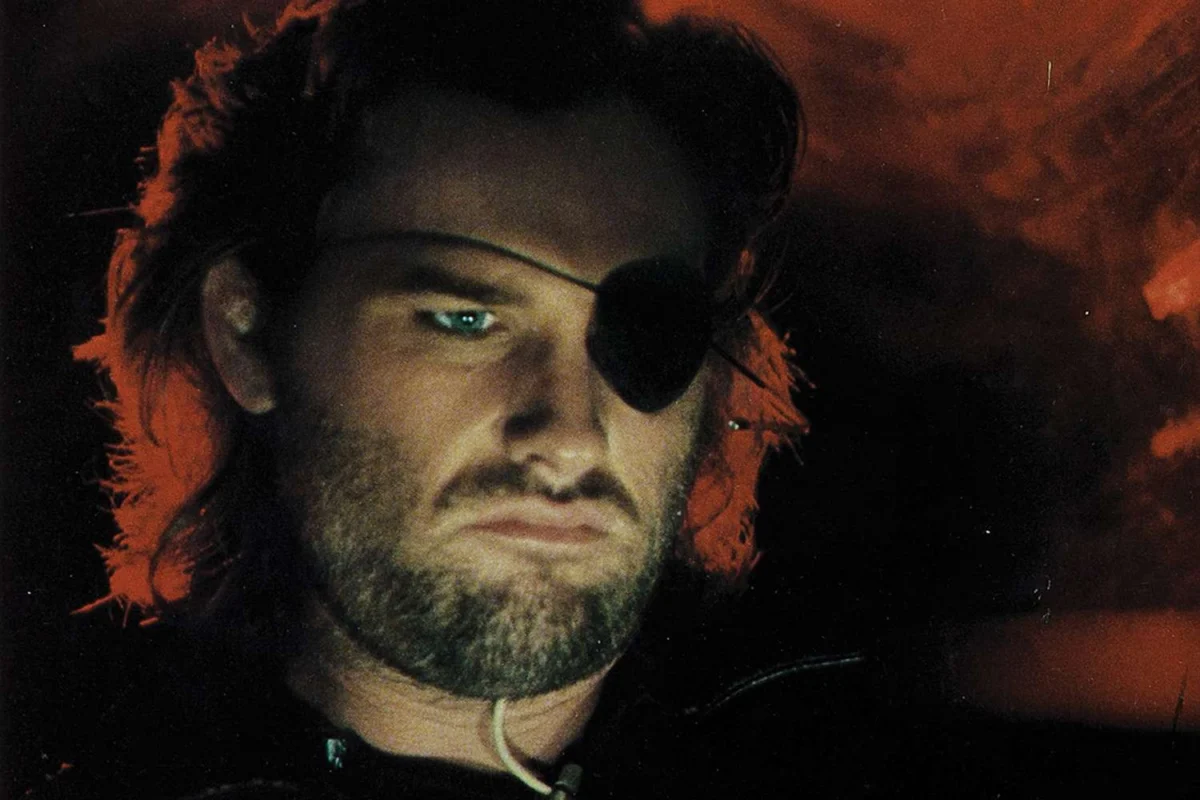
When Hollywood’s appetite for intellectual property intersects with the distinct, polarizing stylistic choices of a director like Zack Snyder, the results are rarely quiet. The latest project to emerge from the Snyder development pipeline is a high-profile remake of John Carpenter’s 1981 cult masterpiece, Escape from New York. For fans of the original dystopian thriller, the announcement has triggered a complex mix of nostalgia, skepticism, and intense curiosity.
Having previously cut his teeth on the horror genre with his 2004 reimagining of George A. Romero’s Dawn of the Dead, Snyder is no stranger to the high-stakes world of remaking seminal classics. However, as details begin to surface regarding his vision for the Snake Plissken saga, it is becoming clear that Snyder is not looking to reinvent the wheel—but rather to polish it with a high-gloss, period-accurate finish.
Main Facts: The Anatomy of a Remake
The core premise of Snyder’s Escape from New York remains tethered to the DNA of the original. The film centers on the high-concept conceit of a future where Manhattan has been transformed into a maximum-security prison. When the President of the United States crashes into the island, a cynical, eyepatch-wearing former Special Forces operative named Snake Plissken is sent in to retrieve him.
Snyder’s approach, as revealed in a recent appearance on the Happy Sad Confused podcast, is decidedly retro. Rather than updating the film to a modern-day setting or projecting it into a future beyond 1997, Snyder intends to double down on the aesthetic and temporal sensibilities of the 1981 original.
"The movie is going to be set in ’97, from the perspective of 1981," Snyder explained. "I set the movie [in] the war between the United States Police Force and the criminal elements. It takes place, I think, July 9th, 1981, which is the release date of the original movie."
This commitment to period accuracy suggests that Snyder is not interested in a "modernized" version of the story, but rather an immersive, stylistic homage that attempts to capture the grit and grime of the Reagan-era cinematic landscape.
Chronology: From Cult Classic to Modern Development
To understand the gravity of this project, one must look at the timeline of the Escape franchise and Snyder’s own career trajectory.
- 1981: John Carpenter releases Escape from New York, starring Kurt Russell. The film becomes a defining piece of sci-fi cinema, known for its minimalist synth score, low-budget ingenuity, and the creation of one of action cinema’s most enduring anti-heroes.
- 1996: Carpenter and Russell reunite for Escape from L.A., a satirical, over-the-top sequel that failed to reach the same critical heights as its predecessor.
- 2004: Zack Snyder makes his directorial debut with the Dawn of the Dead remake, proving he could navigate the demands of a beloved horror property while establishing his signature visual flair.
- 2023–2024: After years of rumors and failed development cycles—including potential versions by directors like Robert Rodriguez and Leigh Whannell—it was officially confirmed that Zack Snyder was attached to develop a new take on the property.
- Present Day: Snyder has moved from the conceptual phase to active dialogue, confirming the film’s temporal setting and thematic goals in public forums.
Supporting Data: Why "Kitsch and Camp" Matter
Snyder’s fascination with the original film stems from a deep appreciation for its tonal balance. In his interview, he highlighted the specific alchemy that makes Escape from New York a perennial favorite.
"Talk about a movie that’s the perfect combination of kitsch and camp," Snyder noted. "It’s all the things, that’s why I love it. But also, it’s in a way that’s satire and can get to us. We can make comments about government and all the overreach or whatever you want to call it, the People’s Liberation Front of America, all that stuff."
From a data perspective, the "kitsch and camp" factor is exactly what original fans fear losing in a modern remake. Modern Hollywood blockbusters often suffer from "prestige-ification," where the jagged edges of a cult film are sanded down in favor of sterile CGI and self-serious dialogue. Snyder’s explicit mention of these elements suggests he intends to preserve the satirical, slightly absurd nature of Carpenter’s vision rather than stripping it away for a gritty, "grounded" reboot.
Furthermore, the mention of the "People’s Liberation Front of America"—the revolutionary group in the film—highlights that Snyder sees the original as a reflection of contemporary headlines. Despite being set in 1997, the themes of government overreach and societal fragmentation are, according to Snyder, "quite current, in some ways."
Official Responses and Casting Speculation
While Snyder has been vocal about the direction of the film, he remains notably tight-lipped regarding the most pressing question on every fan’s mind: Who will play Snake Plissken?
Kurt Russell’s performance is arguably the most essential element of the original film. It is a performance defined by physical presence, a raspy, gravel-voiced delivery, and a level of coolness that is difficult to replicate. Replacing an icon is a thankless task, and Snyder’s silence likely stems from the realization that any name attached to the role will immediately face intense public scrutiny.
Social media and industry speculation have already floated several names, ranging from action stalwarts to younger actors known for their intensity. However, as of now, the studio and Snyder have kept their casting strategy under lock and key. The absence of a release date further complicates the timeline, suggesting the project is still in the early stages of pre-production or script refinement.
Implications: The Ethics and Economics of Remakes
The announcement of this project has reignited a broader debate within the film industry regarding the necessity of remakes. When a director with a massive budget and a dedicated fanbase decides to revisit a film as culturally significant as Escape from New York, the implications are twofold.
1. The Creative Stagnation Argument
Critics of the modern studio model argue that Hollywood has become a closed loop, relying on existing IP to mitigate financial risk. When a film like Escape from New York is remade, it raises the question: Why not invest that studio money in original dystopian concepts that challenge audiences in new ways? The reliance on "pre-sold" titles suggests a lack of imagination, a point that is often leveled at high-profile directors who choose to revisit established classics rather than creating new ones.
2. The Artistic Preservation Argument
Conversely, proponents argue that cinema is a medium that evolves. If a director of Snyder’s stature can inject fresh energy into a classic—using modern technology to realize a vision that Carpenter might have been limited by in 1981—the remake could serve as a gateway for younger generations to discover the source material. By maintaining the 1981 aesthetic, Snyder is attempting a delicate tightrope walk: honoring the past while justifying the existence of the present production.
3. The "Snyderverse" Effect
Zack Snyder brings a very specific visual language to his work—slow-motion action, high-contrast lighting, and a grand, operatic scope. Integrating this style into the lean, mean, and minimalist world of John Carpenter is a stylistic gamble. If successful, it could redefine the "remake" as a medium for stylistic remixing. If it fails, it risks being seen as a bloated, overly indulgent interpretation of a film that was perfect in its simplicity.
Conclusion: A High-Stakes Bet
Zack Snyder’s Escape from New York is destined to be one of the most talked-about projects in the coming years. By choosing to lock the film into the 1981 perspective, he is making a bold statement about his respect for the original source material. Yet, the challenge remains: can he capture the distinct, low-budget charm of a John Carpenter thriller while utilizing the massive, stylized machinery of his own filmmaking process?
As the industry waits for further casting announcements and a projected release date, one thing is certain: the eyes of the sci-fi community are fixed firmly on Manhattan. Whether this remake serves as a worthy successor or a cautionary tale about the perils of revisiting the classics, it is clear that Snake Plissken is not ready to retire just yet. The war between the police and the criminal elements is being rewritten, and the final cut—much like the streets of the island itself—remains a dangerous place to tread.
