
The Future of the Rage Virus: Danny Boyle Provides a Sobering Update on ’28 Years Later Part III’
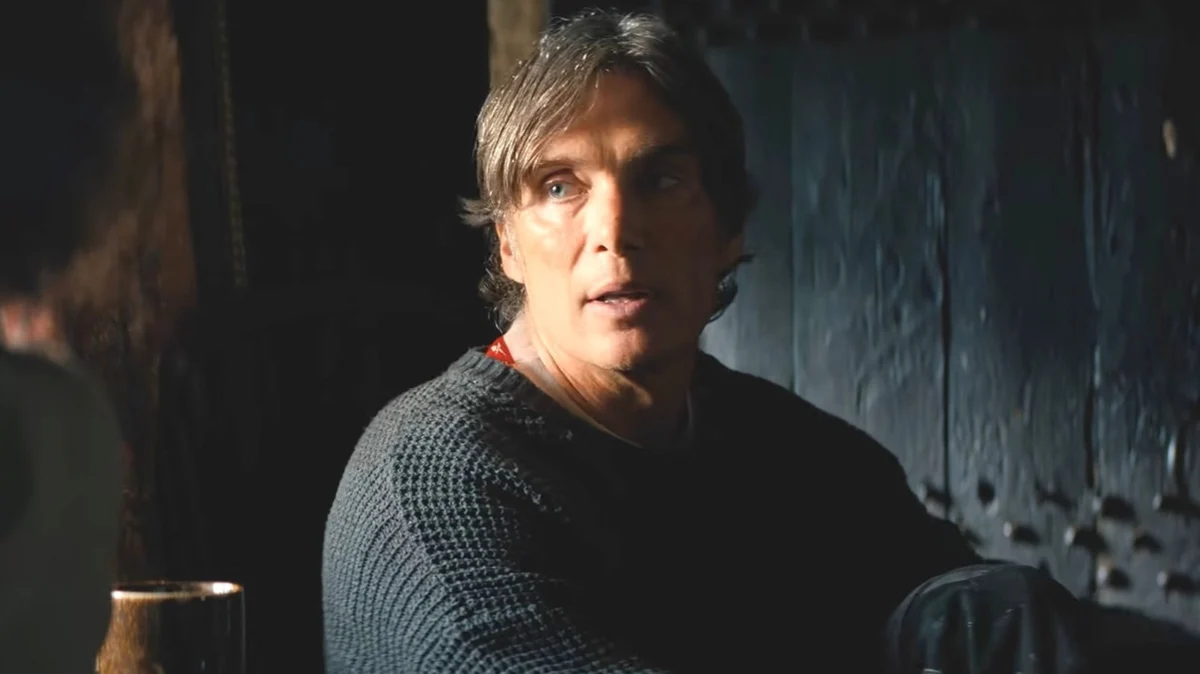
The cinematic landscape of the 21st century was irrevocably altered in 2002 when director Danny Boyle and screenwriter Alex Garland unleashed 28 Days Later. By replacing the lumbering, supernatural ghouls of classic horror with the hyper-kinetic, terrifyingly fast "Infected," the film revitalized the zombie genre and launched the career of Cillian Murphy. Now, two decades later, the franchise finds itself at a crossroads. Following the release of the 2025 installment 28 Years Later and its 2026 sequel 28 Years Later: The Bone Temple, fans have been clamoring for a definitive conclusion to this new trilogy. However, recent comments from Danny Boyle suggest that the next chapter is far from a certainty.
The State of the Franchise: An Official Update
During a recent appearance at the London Film Festival, Danny Boyle offered a candid assessment regarding the status of a potential third film in the 28 Years Later trilogy—which would technically serve as the fifth entry in the overall franchise. Addressing the eager press, Boyle stated that the project is currently "on the back burner."
This update comes as a sobering reality check for those who anticipated a rapid expansion of the series following the success of the recent sequels. Boyle’s comments highlight the logistical and creative hurdles inherent in modern blockbuster filmmaking. According to the director, the project is not merely a matter of desire; it is a matter of alignment. "We are in a position where we need the right elements to converge," Boyle noted. "At the moment, the financing and the scheduling have put this on the back burner."
The Garland Factor: Creative Bottlenecks
Central to the delay is the inseparable partnership between Danny Boyle and writer Alex Garland. Garland, who penned the original 2002 hit and has been the narrative architect of the recent installments, is currently occupied with what is arguably the most ambitious project of his career.
Garland is currently serving as the writer and director for the high-budget A24 adaptation of the acclaimed video game Elden Ring. With a production budget reportedly exceeding $100 million, the project is a massive undertaking that demands Garland’s full creative focus. The film, which is currently slated for a wide release on March 3, 2028, boasts an ensemble cast considered to be one of the most prestigious ever assembled for a video game adaptation. Boyle has been vocal about his reluctance to move forward on another 28 film without Garland’s involvement, acknowledging that the franchise’s DNA is inextricably linked to the screenwriter’s specific, bleak vision of societal collapse.
Chronology: A History of Infection
To understand why the potential delay of 28 Years Later Part III is significant, one must look back at the erratic but influential history of the "Rage Virus" saga.
The Genesis (2002)
Released in the shadow of the post-9/11 world, 28 Days Later captured a specific cultural anxiety. Shot on low-budget, handheld digital cameras, the film’s gritty aesthetic—most notably the empty, haunting shots of a deserted London—became iconic. It was a massive financial success, turning an $8 million budget into an $83 million global box office return.
The First Expansion (2007)
28 Weeks Later, directed by Juan Carlos Fresnadillo, shifted the focus from the initial outbreak to the military-led attempt to repopulate London. While it lacked the intimate touch of Boyle’s original, it was a critical and commercial success, grossing over $72 million on a $15 million budget. Following this, the series went into a prolonged state of hibernation.
The Modern Resurrection (2025–2026)
The franchise returned in 2025 with 28 Years Later, followed by the 2026 sequel 28 Years Later: The Bone Temple. These films moved the timeline significantly forward, exploring a world where humanity had seemingly stabilized, albeit under the constant, looming threat of the infected. These films reignited interest in Cillian Murphy’s character, Jim, whose fate had remained an open-ended mystery for years.
The "Jim" Question: Cillian Murphy’s Uncertain Role
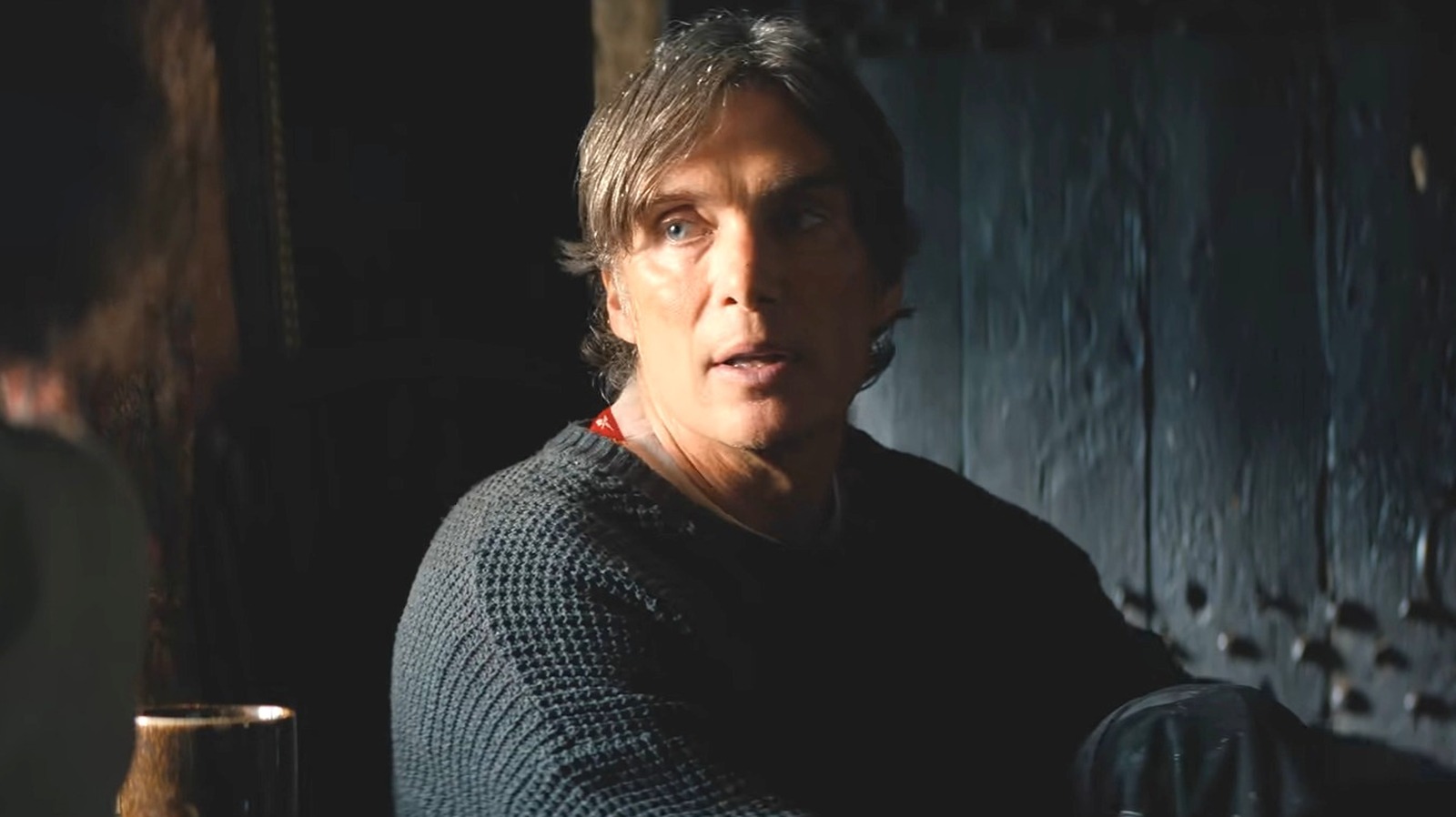
The return of Cillian Murphy has been the singular most discussed element of the franchise’s recent resurgence. After years of speculation, fans finally received a payoff in the 2026 film The Bone Temple. In a brief but poignant uncredited cameo, audiences were reunited with Jim, the bicycle courier who started it all.
The reveal was a masterclass in narrative restraint: Jim, older and hardened, is shown living in a secluded, fortified existence, teaching his daughter the nuances of history and politics while maintaining the lethal vigilance required to survive in a world where the infected still roam.
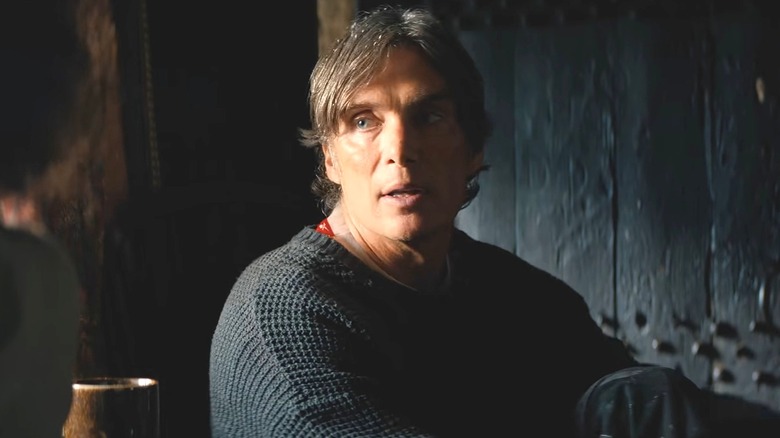
While reports from outlets like Deadline have suggested that Murphy is "in talks" to reprise his role in a more substantial capacity for a potential fifth film, these discussions remain in their infancy. Whether or not Jim will lead the next chapter remains one of the most guarded secrets in Hollywood, largely because the project itself lacks a finalized production roadmap.
Economic and Strategic Implications
The "back burner" status of the next film speaks volumes about the current economic climate of the film industry. Franchise fatigue is a genuine concern for studios, and even a legacy brand like 28 Days Later must compete for resources.
The financial success of the 28 franchise has always relied on its "high concept, low cost" model. The original film’s success was built on its lean, efficient production. In an era where $100 million-plus budgets are the norm for genre films, the challenge for the producers of 28 Years Later Part III is to maintain the visceral, gritty, and grounded feel of the series while navigating the demands of modern studio financing.
Furthermore, the "Elden Ring" project at A24 represents a shift in how prestige horror/fantasy is being produced. If Garland’s Elden Ring performs as well as industry analysts expect, his market value and creative demand will only increase, potentially lengthening the wait for a return to the Rage Virus universe.
What Lies Ahead?
While the immediate future of the franchise is quiet, the cultural impact of the 28 series remains potent. The imagery of a deserted London, the terrifying sprint of the infected, and the existential dread that permeates every frame of these films have left an indelible mark on cinema.
Fans should not necessarily view the "back burner" update as a cancellation. In the world of prestige filmmaking, projects often enter a period of incubation. Danny Boyle and Alex Garland have demonstrated a profound respect for the source material, opting to wait for the right creative and logistical alignment rather than rushing into a project that doesn’t meet their high standards.
For now, the infected remain dormant. Whether or not they will be stirred again depends on the convergence of three factors: the conclusion of Alex Garland’s current commitments, the securing of a budget that preserves the franchise’s unique aesthetic, and the willingness of Cillian Murphy to step back into the shoes of the character that made him an international star. Until then, the story of the Rage Virus remains a compelling, if currently paused, piece of modern horror history.
