
The Snake Returns: Zack Snyder’s Vision for the ‘Escape from New York’ Remake
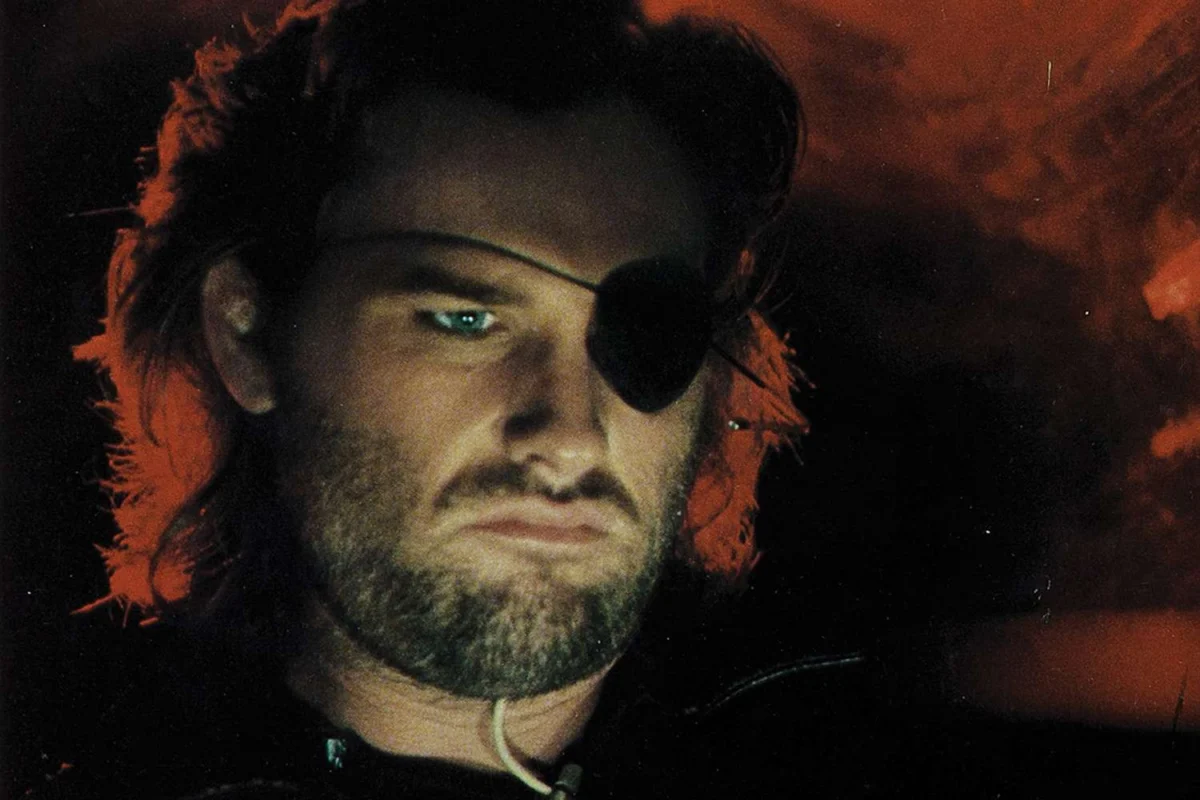
In the landscape of modern Hollywood, few topics spark as much polarized debate as the prospect of remaking a cinematic classic. When the project involves a filmmaker as stylistically distinct as Zack Snyder and a property as sacred as John Carpenter’s 1981 dystopian masterpiece Escape from New York, the industry takes notice. Having previously cut his teeth on the remake circuit with the 2004 reimagining of George A. Romero’s Dawn of the Dead, Snyder is now stepping back into the shadow of a genre titan. As he develops his take on the adventures of Snake Plissken, questions regarding creative necessity, nostalgia, and the evolution of the action genre have reached a fever pitch.
The Core Revelation: Snyder’s Creative Strategy
The project, which has been in the early stages of development for some time, recently gained significant clarity following Snyder’s appearance on Josh Horowitz’s Happy Sad Confused podcast. For those anticipating a radical departure—perhaps a modern-day setting featuring contemporary geopolitical anxieties—Snyder’s comments offer a surprising, almost retro-fitted perspective.
Rather than updating the setting to the 21st century, Snyder intends to lock the film firmly within the temporal constraints of its predecessor. "The movie is going to be set in ’97, from the perspective of 1981," Snyder revealed. By tethering the narrative to the specific historical viewpoint of the original production, Snyder is opting for a stylistic period piece that captures the aesthetic and thematic essence of the Reagan-era anxiety that fueled Carpenter’s original vision. He clarified that the film is set to take place on July 9, 1981—the exact date of the original film’s theatrical release—placing the viewer directly into the crucible of the war between the United States Police Force and the criminal factions within the Manhattan super-prison.
Chronology of a Cult Classic
To understand the weight of Snyder’s task, one must appreciate the legacy of Escape from New York.
- 1981: John Carpenter, fresh off the success of Halloween, releases Escape from New York. With a modest budget of $6 million, the film becomes a cult sensation, cementing Kurt Russell’s status as an action icon and defining the "gritty urban dystopia" subgenre for the 1980s.
- 1996: Carpenter and Russell reunite for the sequel, Escape from L.A., which adopts a more satirical and heightened tone, though it fails to reach the critical heights of the original.
- 2000s–2010s: Various iterations of a remake are rumored, with names like Len Wiseman and Robert Rodriguez attached at different intervals. None reach fruition.
- 2023–2024: News emerges that Zack Snyder is spearheading a new development cycle for the property, sparking immediate fan discourse.
- 2024: Snyder confirms his creative direction during the Happy Sad Confused podcast, signaling that the project has moved from theoretical development into a more concrete conceptual phase.
Supporting Data: The Genre Landscape
The decision to remake Escape from New York fits into a broader industry trend of "legacy mining." According to data from box office analysts, films based on established Intellectual Property (IP) continue to dominate theatrical revenue, even when faced with mixed critical reception.
However, the "remake" subgenre faces unique hurdles. In the last decade, high-profile remakes have seen varying degrees of success. While Denis Villeneuve’s Dune (an adaptation of the source material, though not a remake of the 1984 film) proved that a visionary director could successfully re-interpret a classic, other attempts at recreating 80s action staples have often struggled to find their own identity. Snyder’s challenge will be to balance the "kitsch and camp" that he openly admires with the gravitas required for modern audiences who demand more than just aesthetic replication.
Official Responses and Creative Philosophy
Snyder’s defense of his approach relies on a deep-seated appreciation for Carpenter’s original tone. During his podcast interview, he highlighted the specific elements that make the 1981 film a masterwork of its time.
"Talk about a movie that’s the perfect combination of kitsch and camp," Snyder noted. "It’s all the things, that’s why I love it. But also, it’s in a way that’s satire and can get to us."
Snyder argues that the themes present in the original—government overreach, the collapse of civil infrastructure, and the rise of the People’s Liberation Front of America—are not relics of the past. By keeping the setting in 1981’s vision of 1997, he hopes to create a "historical" satire that functions as a mirror to current events. He suggests that the headlines of the 80s, in many ways, remain "quite current." By avoiding a modern-day setting, Snyder aims to bypass the "reboot fatigue" that often accompanies films that try too hard to be "relevant" by shoehorning in social media, smartphones, or contemporary politics.
The Search for the Next Snake
Perhaps the most contentious aspect of the production is the inevitable casting of the lead. Snake Plissken is not merely a character; he is a cinematic archetype—the cynical, eye-patched, one-man army who serves as the moral center of an immoral world. Kurt Russell’s performance is so inextricably linked to the character that replacing him feels, to many, like an impossible task.
Snyder has remained tight-lipped regarding who might step into the role. While industry insiders have speculated about various A-list action stars, Snyder’s silence suggests he may be looking for someone who can embody the specific physicality and world-weary cynicism that Russell perfected. Whether he chooses a seasoned veteran or a rising star, the casting announcement will undoubtedly serve as the litmus test for the film’s potential success.
Implications for the Industry
The implications of this project are twofold. First, it highlights the ongoing tension between "auteur" filmmaking and studio-mandated IP management. Zack Snyder is one of the few directors with the clout to dictate the terms of a remake; his insistence on keeping the film rooted in its original time period suggests a desire to pay homage rather than overwrite the original.
Second, it raises the question of whether the audience’s appetite for 80s nostalgia has a ceiling. We have seen the success of Stranger Things and Top Gun: Maverick, which prove that audiences love the aesthetic of the 80s. However, when a director attempts to inhabit a specific classic film, the risks of alienation are higher. If Snyder succeeds, he could set a new template for how to handle classic IP—treating the original as a period-specific artifact rather than a blueprint to be updated. If he fails, the project may serve as a cautionary tale about the limits of re-creating lightning in a bottle.
Looking Ahead
As of this writing, there is no official release date for Escape from New York. The project remains in the early stages of development, with the script and production design likely to be the primary focus for the next several months.
Whether this remake ultimately serves as a worthy successor to Carpenter’s vision or a point of contention among purists, it is clear that Zack Snyder is approaching the material with a specific, articulated philosophy. By choosing to honor the original’s timeline, he is signaling that he isn’t trying to replace Escape from New York; he is trying to step inside it. In a world of fast-paced, high-tech reboots, that decision alone makes the project one of the most fascinating developments in the current film landscape. The Snake will return, but whether he will command the same respect he held in 1981 remains the great unanswered question of the project.
