
The Shadow of the Emperor: Deconstructing the Final Trailer for ‘Dune: Part Three’
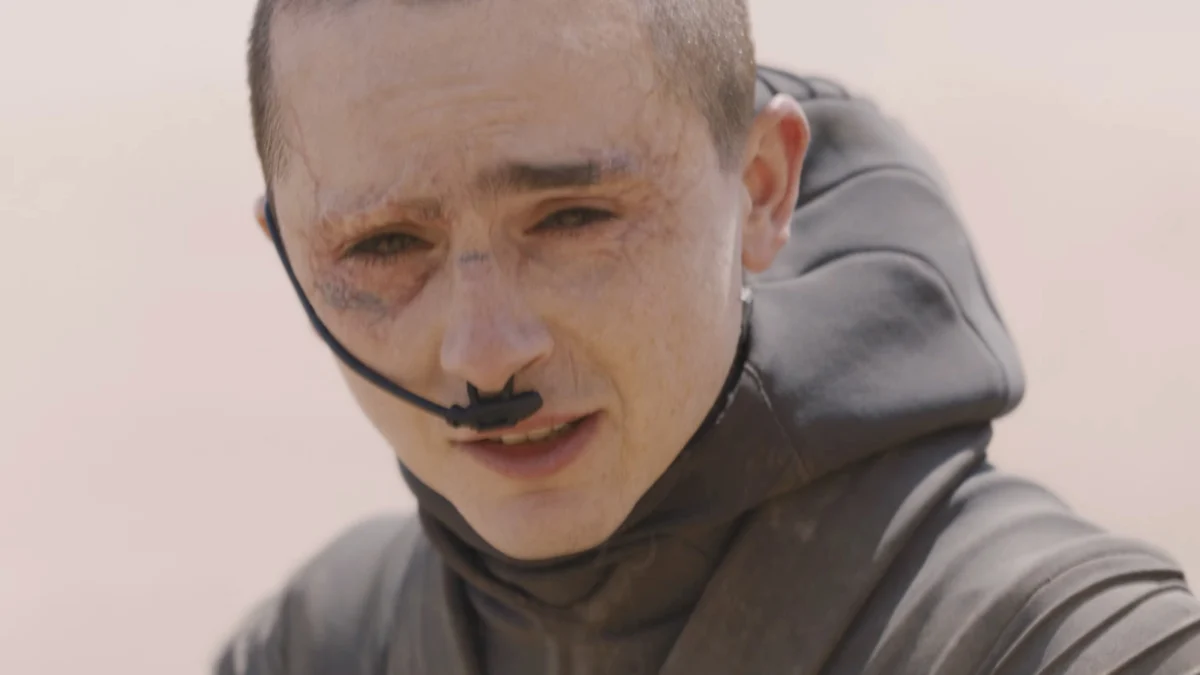
It is time to return to the scorched, spice-laden sands of Arrakis. Warner Bros. has officially unveiled the final trailer for Denis Villeneuve’s Dune: Part Three, a cinematic event that promises to redefine the trajectory of modern science fiction. Picking up nearly two decades after the cataclysmic events of Dune: Part Two, the film—based on Frank Herbert’s seminal novel Dune: Messiah—aims to complete the transformation of Paul Atreides from the reluctant hero of the desert into a figure of galactic terror.
As the trailer suggests, the "Muad’Dib" that audiences once cheered for has undergone a metamorphosis into something far more dangerous. With the film’s release date firmly set for December 18, 2026, the global anticipation for what Villeneuve calls a "sophisticated epilogue" has reached a fever pitch.
The Evolution of the Atreides Legacy: A Chronological Context
To understand the weight of this final chapter, one must look back at the narrative arc established by Villeneuve’s ambitious diptych. The first film introduced us to Paul Atreides (Timothée Chalamet) as the noble scion of House Atreides, thrust into a political meat-grinder on the desert planet of Arrakis. By the conclusion of Part Two, the narrative shifted gears from traditional space opera to a cautionary tale about the dangers of messianic fervor.
Paul’s decision to unleash a holy war upon the Imperium was presented as the "least-worst" option among a series of terrifying visions. However, the cost of this choice was the widespread devastation of the galaxy. Dune: Part Three picks up twenty years later, bridging the gap between the rise of a revolutionary and the stagnation of a tyrant.
The Path to Dictatorship
The timeline of Dune is one of slow-burn political decay. Following his ascension to the throne, Paul has spent two decades consolidating power. The upcoming film will document the inevitable backlash against this "Muad’Dib," exploring how a man who sought to save his people became the primary architect of their suffering. This chronological leap allows Villeneuve to present an older, hardened Paul, burdened not by the weight of destiny, but by the weight of his own atrocities.
Analyzing the Final Trailer: A Portrait of a Villain
The latest trailer is a masterclass in visual storytelling, reinforcing the narrative shift from hero-centric fantasy to a claustrophobic psychological thriller. The most striking imagery involves a stark, almost monastic aesthetic—Paul is no longer the charismatic youth of the desert, but a bald, imposing Emperor whose reach has spanned galaxies.
The Breakdown of Allegiances
The footage highlights the unraveling of Paul’s most intimate relationships, most notably with Chani (Zendaya). In the aftermath of the holy war, Chani has become the ideological anchor of the opposition. The trailer teases a complex dynamic where the love that once defined their connection has been replaced by the cold reality of political betrayal. The inclusion of new, terrifying threats—and the resurfacing of old ghosts—suggests that Paul’s reign is far from secure.
Official Perspectives and Creative Vision
Director Denis Villeneuve has been vocal about his desire to subvert expectations with this third installment. Unlike the grand, sweeping adventure of the previous films, Part Three is designed to act as a thematic "correction."
"This is not a hero’s journey in the traditional sense," Villeneuve remarked in recent press interactions. "Frank Herbert wrote Dune: Messiah because he was disappointed by the way readers interpreted the first book. He wanted to ensure that no one walked away thinking Paul Atreides was a savior."
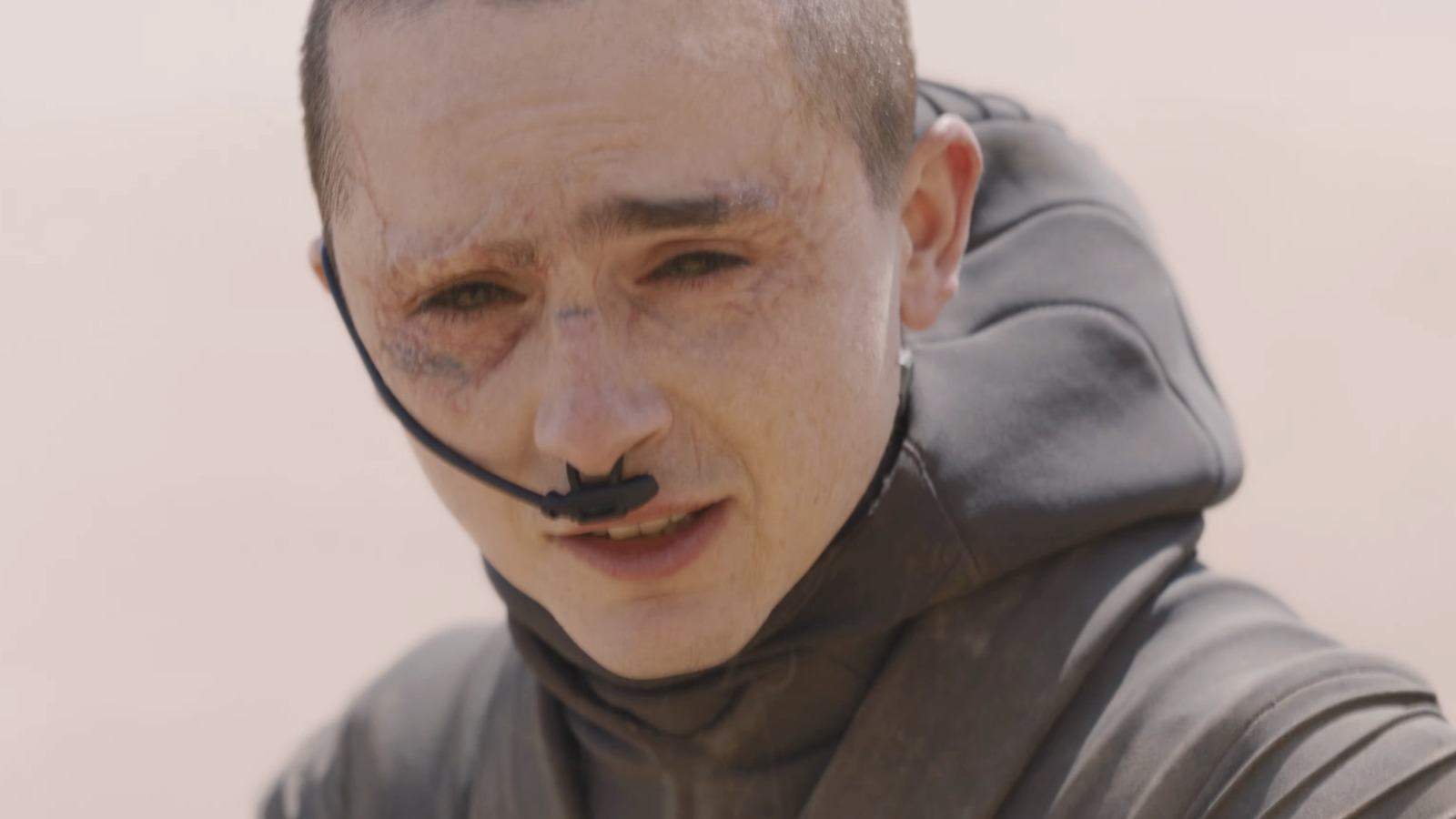
Timothée Chalamet has echoed these sentiments, describing the film as "its own beast." In an industry dominated by franchises that prioritize fan service, Chalamet’s portrayal of a man trapped by his own hubris offers a rare, dark exploration of power. The actor has noted that the script requires a performance that is less about "winning" and more about the slow erosion of a man’s soul under the crushing pressure of an imperial crown.
Thematic Implications: The Burden of Prophecy
The core conflict of Dune: Part Three revolves around the true cost of power. By deconstructing the "Chosen One" trope, Villeneuve forces the audience to confront the dangers of charismatic leadership.
The Philosophical Weight of ‘Messiah’
The novel Dune: Messiah is widely regarded as a deconstructionist text. It examines how religion is weaponized, how myths are manufactured, and how the "good guys" of history are often just the victors who managed to consolidate the most power. The implications for the film are clear: we are watching the slow-motion collapse of an Empire, not from the perspective of an invading rebel force, but from the perspective of the man at the center of the storm.
The Global Scope of the Conflict
The trailers have hinted at a massive, galaxy-spanning conspiracy. As rebellion brews in the shadows of the Imperial Palace, the film promises to introduce new power players, including the enigmatic face-dancers and the political machinations of the Bene Gesserit, who are no longer content to act as the puppet masters from the sidelines.
Production and Anticipation: Why 2026 Matters
The December 18, 2026, release date for Dune: Part Three serves as a symbolic anchor for the conclusion of what is arguably the most significant sci-fi project of the 21st century.
- Cinematography: Returning cinematographer Greig Fraser is expected to push the boundaries of what is possible with desert-based lighting, moving from the golden, sun-drenched hues of the first two films into a colder, more sterile, and terrifying visual language.
- Narrative Complexity: With two decades of history to cover, the pacing will likely be more deliberate than the action-heavy Part Two. The film intends to function as a "sophisticated epilogue," focusing on dialogue, political maneuvering, and the inevitable consequences of the holy war.
- The Industry Impact: The success of this trilogy could signal a shift in how studios approach high-concept literature. By refusing to soften the edges of Herbert’s more cynical material, Villeneuve has proven that audiences are hungry for "hard" science fiction that respects their intelligence.
Conclusion: The Final Reckoning
As we await the final chapter, the questions remaining are as vast as the desert of Arrakis. Will Paul find redemption, or is he destined to be consumed by the fire he started? Is Chani the catalyst for his downfall, or his final, tragic link to his humanity?
The final trailer confirms one thing: Dune: Part Three will not be a comfortable watch. It is a film about the consequences of ambition, the fragility of morality, and the horror that lurks behind the mask of a god. As the Imperium prepares for its final stand, audiences should prepare for a cinematic experience that will likely leave them reeling long after the credits roll.
For those who have followed the journey from the spice fields of Caladan to the throne room of the Emperor, the wait until 2026 will be the final test of patience—a fitting prelude to a film that is fundamentally about the devastating cost of waiting for a savior who was never truly there.
