
The Marvel Horizon: Anticipation Peaks as Marvel Television Takes the Stage at NYCC 2026
Introduction: A Milestone Year at the Javits Center
The atmosphere inside Manhattan’s Javits Center is electric as New York Comic Con (NYCC) celebrates a monumental milestone: its 20th anniversary. Amidst the sea of cosplayers, industry professionals, and fans from across the globe, one particular corner of the convention has become the epicenter of speculation and excitement. Marvel Television, under the strategic guidance of Marvel Studios, is preparing to pull back the curtain on its small-screen slate for the coming year.
As the industry converges on the Empire Stage—a 3,000-seat venue currently reaching capacity—the focus is singular: the future of the Marvel Cinematic Universe (MCU) on Disney+. With Marvel Television head Brad Winderbaum set to preside over the proceedings, the anticipation is palpable. This panel is not merely a collection of teasers; it is a vital checkpoint for a studio that has spent the last two years recalibrating its television strategy to focus on higher quality, deeper narrative cohesion, and long-term character arcs.
The Core Lineup: What to Expect
While the full scope of the announcements remains under wraps, the industry chatter has centered on several key pillars of the current Marvel TV landscape. The excitement is fueled by a mix of highly anticipated sequels and bold new creative directions.
1. VisionQuest: The Dark Horse of the MCU
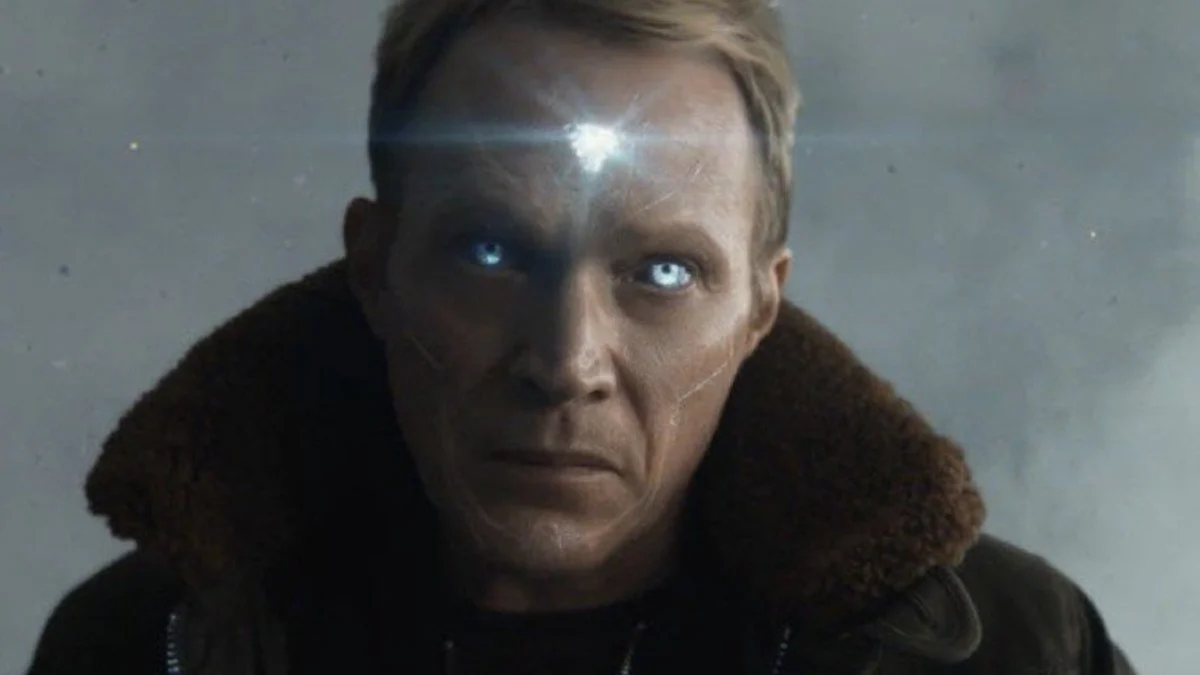
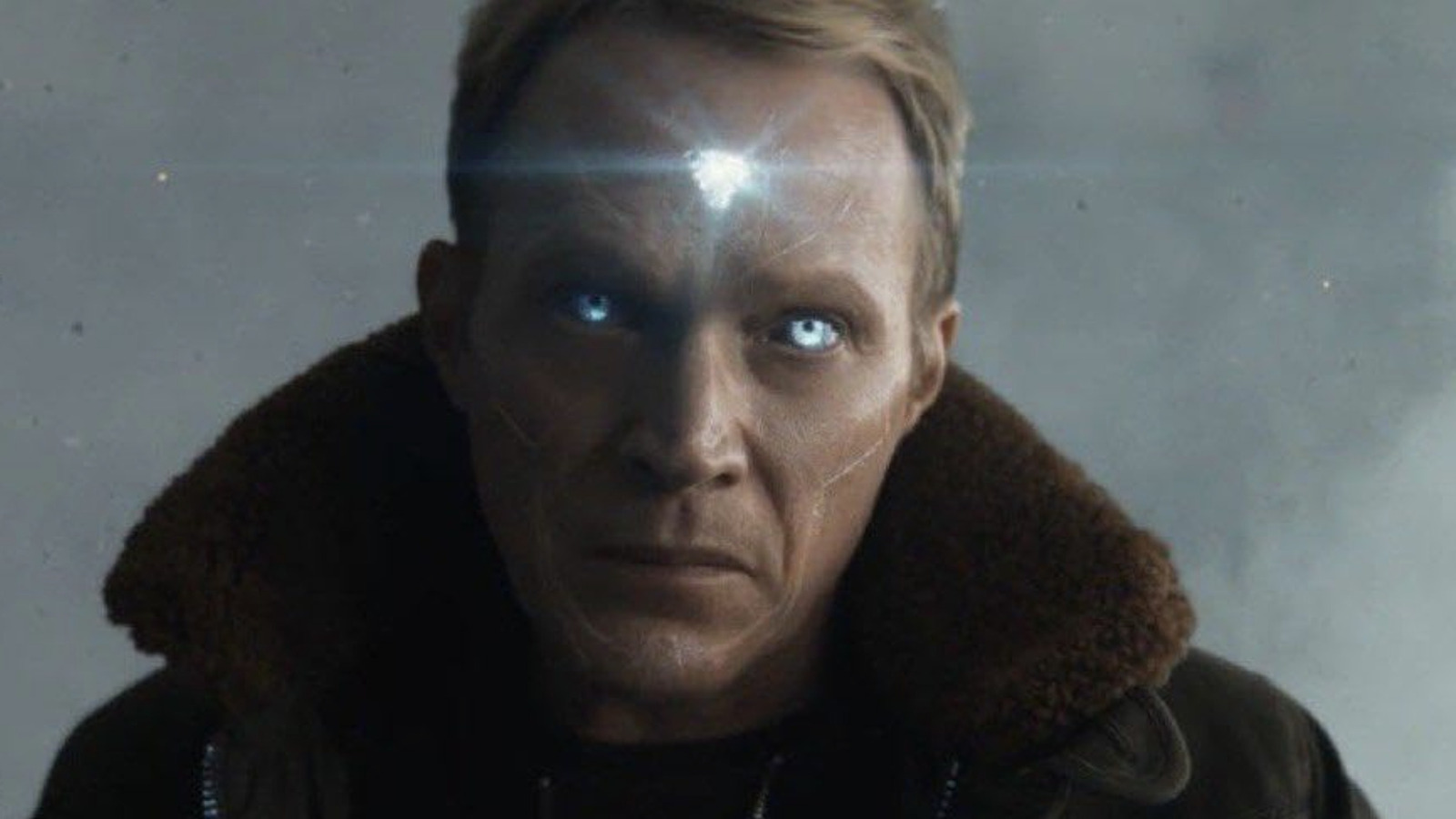
Perhaps the most discussed project on the docket is VisionQuest. With Paul Bettany reprising his iconic role and James Spader returning to voice the terrifying Ultron, the series promises to be a psychological and philosophical deep dive into the nature of consciousness. Following the events of WandaVision, fans are eager to see how the reconstructed Vision navigates a world that has evolved in his absence.
2. Daredevil: Born Again – The Final Chapter?
The resurgence of Matt Murdock has been one of Marvel’s most successful pivots. With rumors circulating that the third season of Daredevil: Born Again may serve as a definitive conclusion to this specific arc of the series, the stakes have never been higher. Fans are expecting a gritty, street-level finale that ties together the loose ends of the Kingpin’s empire and the legal complexities of Hell’s Kitchen.
3. The Animated Renaissance: X-Men ’97 and Spider-Man
Marvel Animation has proven to be a powerhouse in its own right. X-Men ’97 has been lauded as a masterclass in reviving classic aesthetics with modern narrative complexity. The panel is expected to address the direction of the next season, while the second season of Your Friendly Neighborhood Spider-Man promises to expand the scope of the web-slinger’s adventures in a way that pays homage to his Silver Age roots while pushing the medium of animation forward.
Chronology of the 2026 Marvel TV Strategy
To understand the significance of today’s panel, one must look at the timeline of Marvel Television’s evolution since 2024.
- Q1 2024: Marvel Studios announces a restructuring of its television arm, shifting toward a traditional "showrunner" model to ensure narrative consistency across its Disney+ offerings.
- Late 2024 – 2025: A period of refinement. Projects like Agatha All Along and the initial seasons of Daredevil prove that "event television" works best when it builds organically upon the established cinematic universe.
- October 8, 2026: NYCC marks the "State of the Union" for Marvel TV. This panel represents the first time the studio is publicly aligning its 2027 slate with the broader multi-phase plans of the MCU.
Supporting Data: The Power of the Small Screen
The data behind the shift in Marvel’s focus is clear. According to recent streaming analytics, engagement for episodic Marvel content peaks when shows are connected to the "Multiverse Saga" but retain enough independence to stand as distinct genre pieces.
The inclusion of high-profile actors like Paul Bettany and the return of legacy villains like Ultron suggests a move toward "Prestige Television." By leveraging established star power, Marvel is effectively closing the gap between the box-office dominance of its films and the narrative flexibility of its streaming series. Furthermore, the 3,000-seat capacity of the Empire Stage reflects a significant increase in physical marketing investment compared to the more modest presentations of previous years.
Official Responses and Industry Sentiment
In the lead-up to the event, Marvel Studios executives have been guarded but optimistic. Brad Winderbaum, who has emerged as the architect of this new era of Marvel TV, noted in a brief pre-panel press interaction that the studio is "listening to the audience more than ever."
"We aren’t just making content to fill a queue," a source close to the production stated on the condition of anonymity. "The goal for this year’s NYCC reveal is to show the fans that we have a roadmap. Whether it’s the horror-inflected tone of VisionQuest or the high-octane drama of Daredevil, we want to prove that the MCU is a tapestry, and the television side is where we can weave the most intricate threads."
Implications: A New Era for the MCU
The implications of today’s announcements extend far beyond the immediate joy of the fans in the room.
The Convergence of Mediums
As the MCU moves deeper into its next major phase, the line between "TV" and "Film" is becoming increasingly blurred. The success of the projects announced today will likely dictate the green-lighting of future crossovers. If VisionQuest succeeds in its experimental narrative, we can expect Marvel to take more risks with its anthology storytelling.
Retention and Long-Term Engagement
For Disney+, the stakes are equally high. Marvel content remains one of the primary drivers of subscriber retention. By announcing definitive endings (like the potential conclusion of Daredevil) and clear seasonal arcs, Marvel is shifting away from the "endless content" model toward a "season-by-season" event model. This ensures that fans feel a sense of progression rather than fatigue.
The Role of Animation
Finally, the spotlight on X-Men ’97 and Spider-Man signals that Marvel views animation as a premier storytelling medium, not just a secondary tier. The success of these series has opened the door for more experimental animated projects that can tackle stories which would be prohibitively expensive or tonally inconsistent for live-action, effectively expanding the MCU’s footprint into new creative territories.
Conclusion: The Wait is Almost Over
As the clock ticks toward 3:45 PM EDT, the energy inside the Javits Center is reaching a crescendo. The banners for VisionQuest and the promise of "special guests" have turned this into the most anticipated event of the convention.
Whether these reveals result in a massive paradigm shift or a refinement of the current formula, one thing is certain: Marvel Television is positioning itself to define the cultural conversation for the next twelve months. We are at the threshold of a new chapter in the MCU, and for those who have followed the long, winding road of the past two decades of New York Comic Con, this moment feels like a homecoming—a reminder that in the world of Marvel, the story never truly ends; it just evolves.
Stay tuned for our live updates as the panel begins. The secrets of the Marvel Universe are about to be laid bare.
