
Beyond the Jump Scare: Why Rob Savage’s Other Mommy Left Audiences Wanting More—And 8 Horror Masterpieces That Deliver True Dread
Published: October 13, 2026
By Sarah Polonsky, Senior Music Editor & Film Journalist
Main Facts
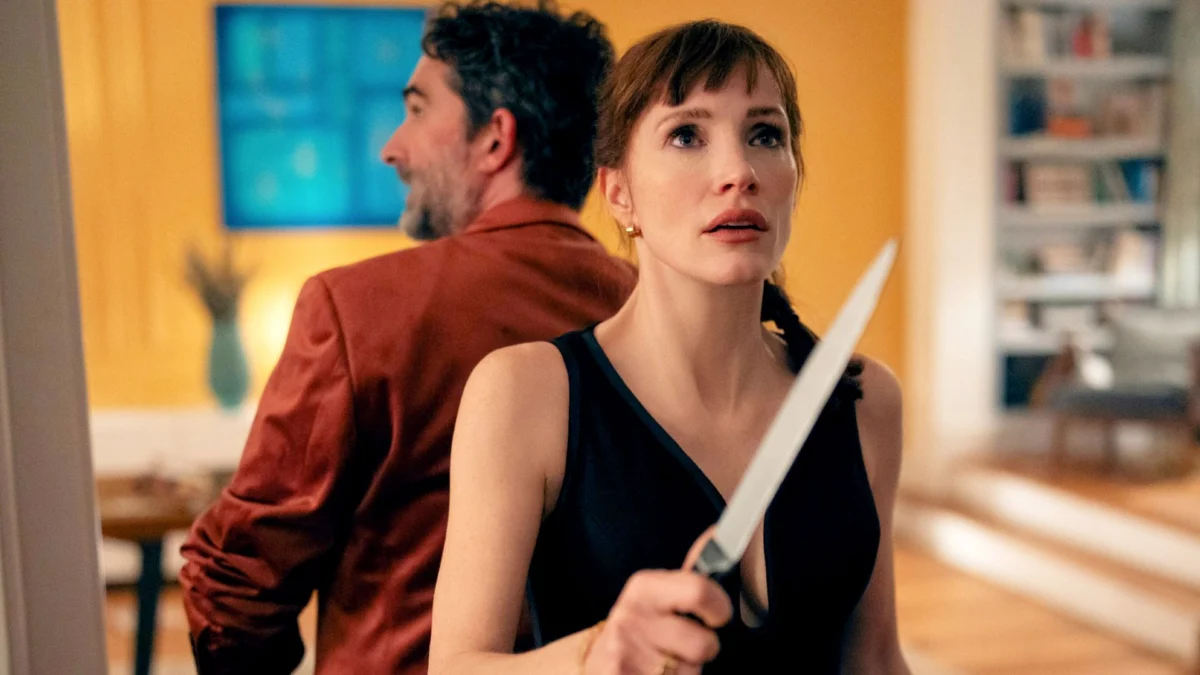
The cinematic horror landscape experienced a major commercial paradox in October 2026. Rob Savage’s latest directorial effort, Other Mommy, stormed domestic and international box offices to claim the number-one spot during its opening weekend following its theatrical release on October 9, 2026. Based on Josh Malerman’s celebrated novel Incidents Around the House and starring Academy Award winner Jessica Chastain alongside young breakout talent Arabella Olivia Clark, the film boasted an undeniably high-concept premise.
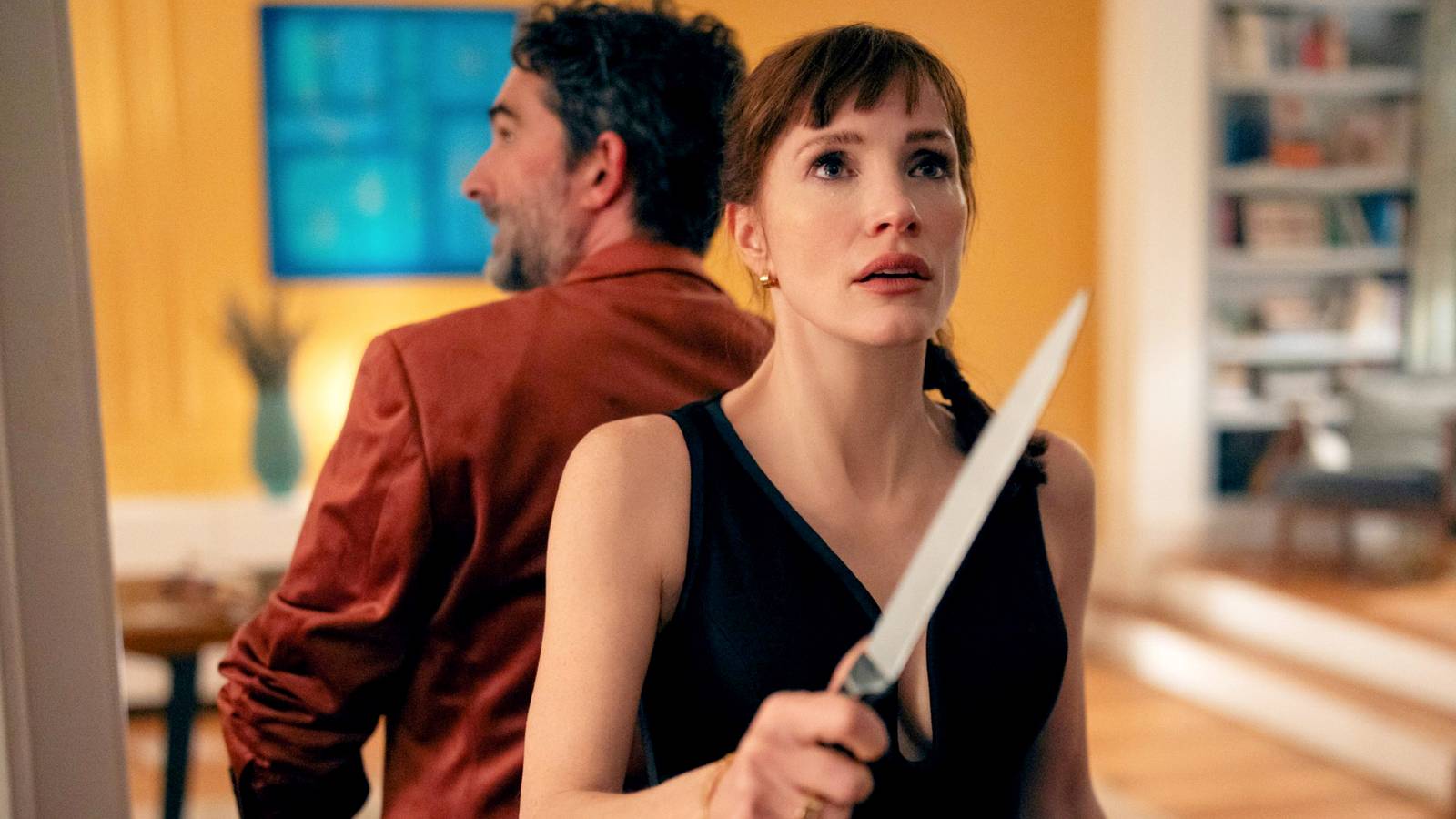
Chastain pulls double duty, playing both a devoted mother and a shape-shifting supernatural entity that impersonates her, preying upon the emotional vulnerabilities of a young girl named Bela.
Despite capturing the top financial slot at the box office, Other Mommy suffered a severe critical backlash. Major critical outlets, including Screen Rant, lambasted the picture for favoring superficial, predictable jump scares over deeply atmospheric, sustained tension—ultimately dragging the film down to a dismal 16% approval rating on Rotten Tomatoes. While casual moviegoers rushed out for the initial thrill, discerning horror enthusiasts found themselves searching for a cinematic experience that trades cheap startles for a lingering, bone-chilling sense of dread.

Chronology of Events
The trajectory of Other Mommy from page to screen, and its subsequent cultural dialogue, follows a carefully orchestrated timeline:
- The Source Material: Josh Malerman publishes Incidents Around the House, earning widespread acclaim for its claustrophobic, deeply personal depiction of a malicious entity that exploits familial love.
- Pre-Production & Casting: Director Rob Savage—hailed for his pandemic-era screen thriller Host—attaches himself to the project. Academy Award winner Jessica Chastain signs on to star and produce, bringing heavy dramatic weight to the creature feature alongside child star Arabella Olivia Clark.
- The Theatrical Release: Other Mommy opens in theaters worldwide on October 9, 2026, backed by a strong marketing push emphasizing Chastain’s dual role.
- Opening Weekend Disconnect: Over its first three days, the film manages to top the domestic box office, fueled by curiosity surrounding its high-profile cast and source material.
- Critical Backlash: Simultaneously, reviews drop across major trade publications and critical aggregators like Rotten Tomatoes, where the film settles at a weak 16%. Reviewers point out that despite technical polish, the movie relies too heavily on routine audio stings and predictable visual cues.
- The Search for True Terror: In the wake of the critical divide, audiences and critics alike begin pivoting toward historical and modern horror benchmarks—films that successfully prove dread is far more potent than a sudden loud noise.
Supporting Data & Critical Consensus
The commercial triumph versus critical failure of Other Mommy highlights a recurring friction point within modern horror cinema: the battle between accessibility and artistic subversion. Box office data confirms that mainstream audiences remain hungry for studio horror, especially when anchored by recognizable star power like Jessica Chastain. However, the 16% Rotten Tomatoes score indicates a widening gap between marketing-driven ticket sales and audience satisfaction.

Industry analysts note that films relying primarily on jump scares often experience steeper second-week box office drop-offs because word-of-mouth focuses on the fleeting nature of the scares rather than the depth of the narrative. By comparison, genre milestones that prioritize slow-burn psychological trauma—such as Ari Aster’s Hereditary or William Friedkin’s The Exorcist—maintain long-term cultural footprints, elevated critical standing, and enduring physical media sales.
Official Responses & Industry Context
Neither director Rob Savage nor star Jessica Chastain has issued a formal defensive statement regarding the film’s critical reception, though industry insiders point to the inherent difficulties of adapting dense psychological novels into mainstream supernatural thrillers. Savage, whose career has been defined by high-concept horror, has frequently spoken in past interviews about the tightrope walk between commercial studio expectations and satisfying hardcore genre devotees.
For Savage, whose breakout success Host (2020) rewrote the rules of micro-budget pandemic filmmaking, the contrast between his minimalist past works and his large-scale studio projects highlights an ongoing debate in contemporary horror: Does bigger budget and cleaner CGI inherently dilute the primal, raw terror of the unknown?
Implications for the Horror Genre
The box office success paired with the critical panning of Other Mommy sends a clear message to Hollywood studios: star power and high-concept premises can secure an opening weekend audience, but they cannot mask a reliance on formulaic scare tactics.

As viewers become increasingly desensitized to modern jump-scare mechanics, filmmakers are forced to look deeper into psychological dread, environmental claustrophobia, and emotional devastation to leave a lasting mark. To understand how horror can truly infiltrate the subconscious and keep viewers awake long after the credits roll, one need only look back at the definitive genre masterpieces that outclass contemporary studio misfires.
8 Horror Masterpieces That Deliver True Dread
For horror fans left craving genuine terror after watching Other Mommy, these eight films demonstrate how the genre achieves lasting psychological impact.

1. The Conjuring (2013)
James Wan’s modern supernatural classic proves that what you don’t see is infinitely more terrifying than what is placed directly in front of the camera. Chronicling the terrifying experiences of the Perron family in their Rhode Island farmhouse and the paranormal investigators Ed and Lorraine Warren (Patrick Wilson and Vera Farmiga), the film utilizes spatial awareness, subtle audio cues, and agonizing pacing. The legendary clapping sequence remains a masterclass in building tension out of thin air, shunning cheap startles in favor of an inescapable atmosphere of malevolence.
2. The Ring (2002)
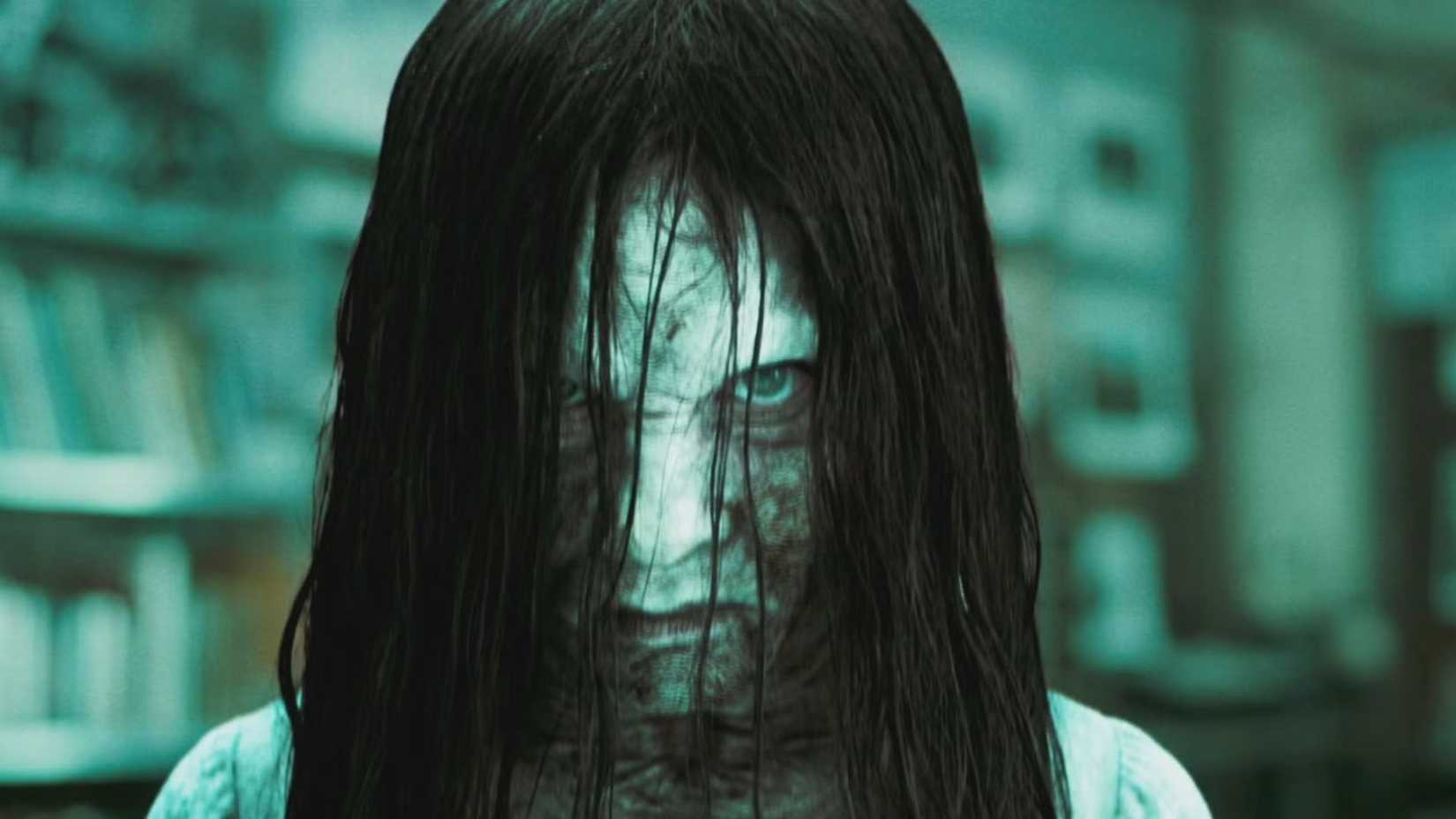
Gore Verbinski’s American adaptation of the J-horror phenomenon transformed an everyday household item—the television set—into an instrument of ultimate doom. Naomi Watts stars as journalist Rachel Keller, racing against a literal seven-day death sentence tied to a cursed videotape. The film weaves an oppressive, blue-tinted blanket of dread across every frame. Unlike films that telegraph their scares, The Ring infuses its entire runtime with a sense of irreversible fate, culminating in a bleak, unforgettable finale.
3. Host (2020)
Before stepping into high-budget studio filmmaking, Rob Savage directed Host, a terrifying 56-minute lockdown-era project filmed entirely through computer screens. Following a group of friends holding an ill-advised online seance, the movie maximizes the psychological claustrophobia of video conferencing software. Unexplained background movements, abrupt disconnections, and fleeting glimpses of entities in empty rooms make it arguably more effective than Other Mommy. Notably, physiological audience studies have ranked Host among the most genuinely terrifying viewing experiences of the modern era.
4. Event Horizon (1997)
Paul W.S. Anderson took deep-space sci-fi and injected it with pure, unadulterated hellish imagery. When a rescue crew led by Captain Miller (Laurence Fishburne) boards a lost experimental starship, they discover that its gravity drive has punched a hole straight into a dimension of unimaginable torture. Anchored by Sam Neill’s terrifying descent into madness, Event Horizon offers grotesque visual poetry and an oppressive atmosphere that lingers in the mind for days.
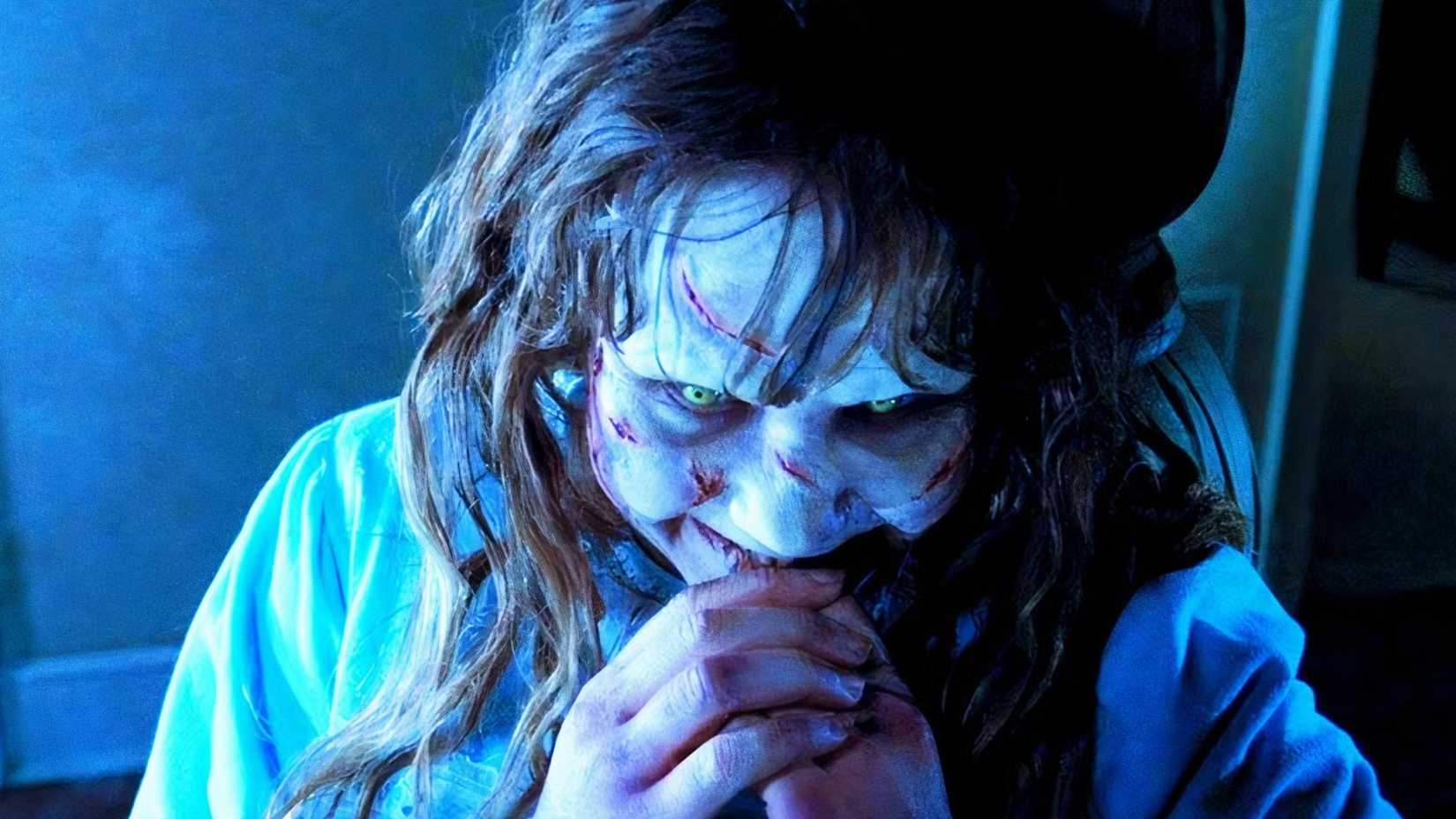
5. The Descent (2005)
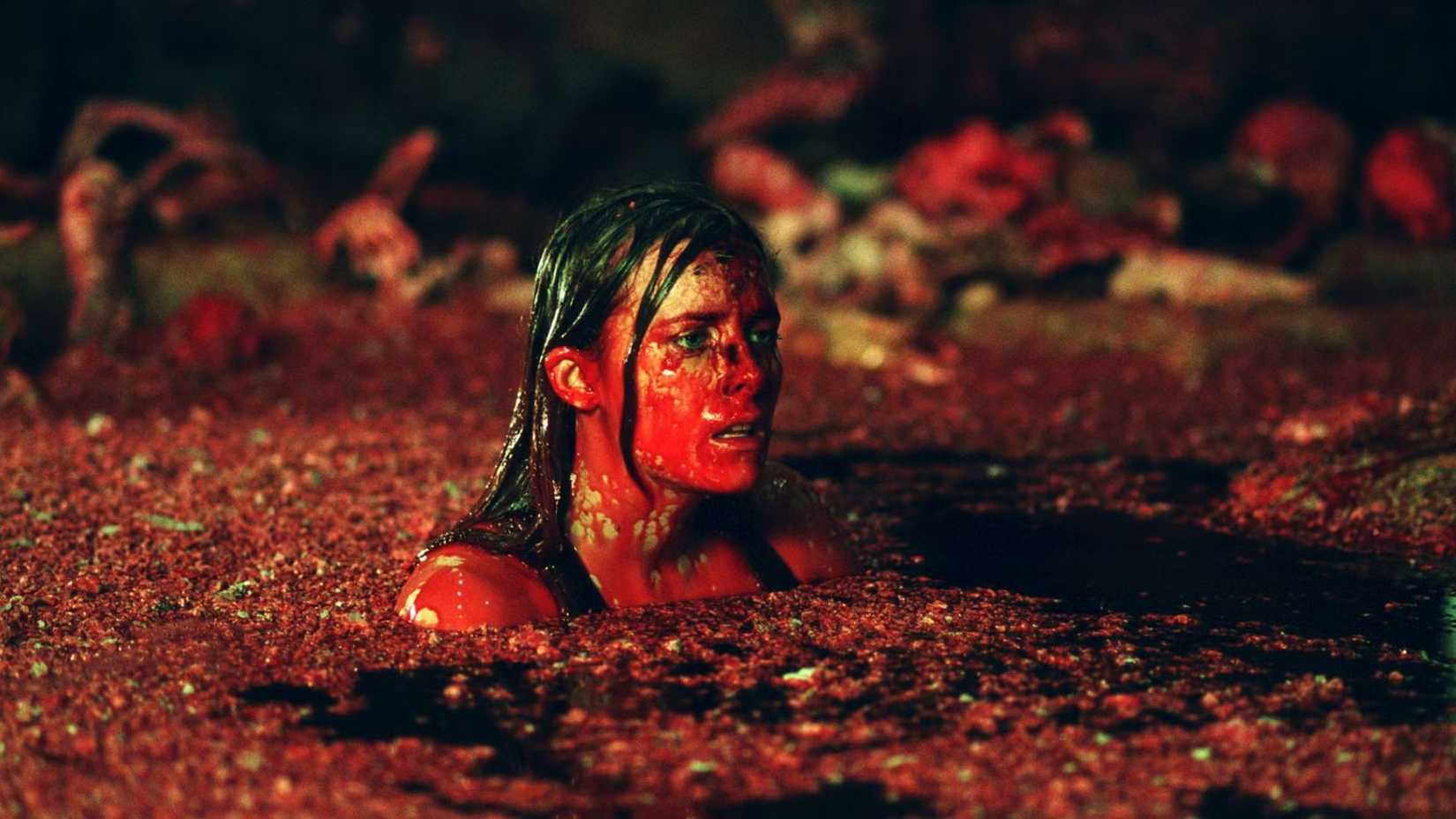
Neil Marshall’s survival horror masterpiece weaponizes the natural phobias of darkness, isolation, and tight spaces long before its cave-dwelling monsters ever step into the light. Following a group of adventurous women trapped in an uncharted subterranean labyrinth, the film relies heavily on physical vulnerability and psychological friction. The terror of being buried alive blends seamlessly with ferocious creature design, making The Descent a harrowing endurance test from start to finish.
6. The Exorcist (1973)
William Friedkin’s cinematic milestone remains the gold standard of supernatural horror over half a century after its premiere. By framing the demonic possession of 12-year-old Regan MacNeil (Linda Blair) first as a harrowing, helpless medical mystery, Friedkin grounds the supernatural in stark, heartbreaking reality. The juxtaposition of clinical coldness and grotesque spiritual violation creates a profound sense of helplessness that modern jump-scare flicks rarely replicate.

7. Sinister (2012)
Scott Derrickson’s Sinister taps into a uniquely sickening brand of dread: the feeling that you are viewing footage that was never meant to be seen. Ethan Hawke plays a true-crime writer who moves his family into a murder house, unknowingly unleashing a child-devouring deity named Bughuul through a cache of disturbing Super 8 home movies. The grainy, silent snuff films discovered in the attic are soundtracked by industrial nightmares, establishing a sense of inescapable doom that outshines standard haunted-house tropes.
8. Hereditary (2018)
Ari Aster’s directorial debut redefines modern psychological and supernatural horror by binding its terrors directly to the agonizing weight of familial grief. Toni Collette delivers a career-defining performance as Annie Graham, whose family unravels following a series of unspeakable tragedies and unholy ancestral secrets. Aster constructs a deeply unsettling environment where everyday conversations feel volatile and deeply unsafe. By refusing to offer easy narrative comfort or conventional relief, Hereditary leaves audiences psychologically bruised, proving that the most terrifying monsters are often those closest to home.
