
A Symphony of Sleight of Hand: Gary Lionelli’s Score for ‘The Only Living Pickpocket in New York’ Set for Digital Release
Main Facts: The Sound of a Vanishing City
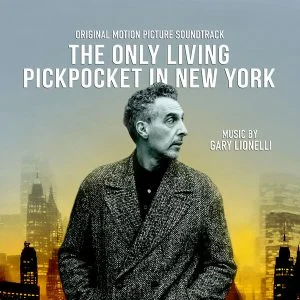
Milan Records has officially announced the upcoming digital soundtrack release for the highly anticipated crime thriller The Only Living Pickpocket in New York. The original score, composed by the acclaimed Gary Lionelli, is set to arrive on all major streaming and digital download platforms tomorrow, October 16.
Lionelli, a composer whose resume boasts profound, atmospheric work on heavy-hitting documentaries such as O.J.: Made in America, Downfall: The Case Against Boeing, and Nuclear Family, brings a distinct, grounded sensibility to this urban narrative. The soundtrack serves as the auditory heartbeat of a film that explores the intersection of old-world grit and the relentless pace of modern gentrification.
The Only Living Pickpocket in New York is the latest directorial effort from Noah Segan, who has crafted a narrative centered on the irony of an aging master thief struggling to navigate a city that has largely moved past the need for—or awareness of—his archaic skillset. Featuring a powerhouse ensemble cast including John Turturro, Giancarlo Esposito, Tatiana Maslany, Will Price, and Steve Buscemi, the film serves as both a tense race-against-time thriller and a melancholic love letter to a bygone era of the Big Apple.
Chronology: From Sundance to the Streets
The journey of The Only Living Pickpocket in New York has been one of slow-burn momentum. The film first captured critical attention during its debut at this year’s Sundance Film Festival, where it was lauded for its sharp screenplay and the undeniable chemistry of its lead performers.
Following its successful festival circuit run, Sony Pictures Classics secured the distribution rights, positioning the film for a strategic theatrical rollout. The release strategy follows a tiered approach designed to maximize the film’s prestige footprint. The theatrical release is scheduled to commence on Friday, October 23, in select markets across New York and Los Angeles. Following this initial engagement, the film will broaden its reach with a nationwide expansion on October 30, bringing the story of the titular pickpocket to audiences across the country.
The release of the score on October 16 serves as a precursor to the film’s arrival in theaters, allowing fans of Lionelli’s work and film score enthusiasts to immerse themselves in the soundscape of the movie before the visual narrative takes center stage.
Supporting Data: The Anatomy of the Soundtrack
The soundtrack album, consisting of 19 tracks, offers a window into the film’s stylistic shifts. From the evocative "Back to the Bronx" to the poignant "The Last Payphone in New York," the tracklist reflects a blend of suspense and nostalgia.
Tracklist:
- Back to the Bronx (2:18)
- Rosie (1:52)
- Triangle Below Canal (1:41)
- The Penny Trick (2:03)
- That’s Where He Got You (1:16)
- We Got a Ping (0:57)
- The Busted Pawn (3:54)
- Do You Know Who I Am? (1:44)
- Pell Street (0:34)
- The Last Payphone in New York (1:15)
- Cup of Coffee (2:33)
- We Don’t Have Old Shit (1:04)
- Lock Picking (2:00)
- Reefing the Kick (1:40)
- You’ll Always Be My Girl (2:59)
- 1969 (1:09)
- The Fix Is In (1:34)
- It’s Pretty Late, Harry (2:18)
- Bringing Rosie Home (1:54)
The track titles themselves suggest a narrative arc that moves from the technical aspects of the pickpocket’s craft—such as "The Penny Trick" and "Lock Picking"—to the deeply personal stakes represented by "Bringing Rosie Home" and "You’ll Always Be My Girl." Lionelli’s background in documentary scoring is evident here; the music is designed to act as a witness to the protagonist’s struggle, providing a sense of realism that complements the film’s gritty aesthetic.
Official Responses and Creative Vision
Director Noah Segan has described the film as an attempt to capture the "vanishing energy" of a city that constantly reinvents itself. By casting icons like John Turturro and Steve Buscemi, Segan taps into a specific type of cinematic history—actors who are synonymous with the New York film tradition.
"When working with Gary [Lionelli]," Segan noted in a recent production brief, "the goal was never to create a generic ‘heist’ score. We needed the music to feel like it had been living in the walls of the city for fifty years, just like our protagonist. We wanted the sound of copper, concrete, and anxiety."
Gary Lionelli’s approach to the score focused on the contrast between the protagonist’s aging, analog methods and the digital reality of the world he now inhabits. The track "We Got a Ping" stands in stark opposition to the more traditional orchestral swells found in "The Busted Pawn," mirroring the protagonist’s difficulty in dealing with modern security measures and surveillance technology.
Sony Pictures Classics has expressed high confidence in the film, noting that the combination of Segan’s direction and the seasoned performances of the cast makes it a standout entry in their autumn slate. The decision to release the soundtrack a week ahead of the theatrical debut is a deliberate move to build anticipation and engage the film’s target demographic of cinephiles and score collectors.
Implications: A Commentary on Modernity
The core conflict of The Only Living Pickpocket in New York is not merely about the theft of a USB stick, but about the obsolescence of human skill in an era dominated by digital footprints. The USB stick, which the protagonist must return to avoid the wrath of a vengeful crime family, acts as a MacGuffin that forces the main character to confront his own place in the modern world.
The Death of the Analog Thief
In a city where transactions are increasingly contactless and security is largely automated, the "pickpocket" is a historical curiosity. The film explores the desperation that arises when a person’s identity—their very way of making a living—is erased by the march of progress. This theme is reflected in the soundtrack, where moments of quiet reflection and jazz-influenced motifs are frequently interrupted by discordant, modern textures.
The Artistic Legacy of the Cast
The inclusion of John Turturro in the lead role brings a weight of authenticity to the project. Turturro has long been a fixture of New York-based independent cinema, and his ability to convey weariness and resilience makes him the perfect vessel for this story. With the addition of Giancarlo Esposito and Steve Buscemi, the film functions as a mini-reunion of sorts for actors who have defined the character-driven crime thriller genre over the last three decades.
Market Positioning and Future Impact
As Sony Pictures Classics pushes the film into the competitive fall release window, the reception of the soundtrack will serve as a bellwether for the film’s overall appeal. If the score resonates with audiences, it will likely bolster the film’s critical standing, potentially positioning it for awards consideration in technical categories.
The digital release by Milan Records is strategically timed. By allowing the music to circulate before the film’s wide release, the studio is cultivating an atmosphere of "must-see" prestige. For Lionelli, this project represents a shift from the non-fiction world into a stylized narrative space, showcasing his versatility as a composer who can synthesize complex human emotions into a cohesive auditory experience.
In conclusion, The Only Living Pickpocket in New York promises to be a film that speaks to the tension between the past we cherish and the future we cannot stop. With its blend of high-stakes crime, poignant character study, and a score that serves as a bridge between two worlds, it is poised to be a significant addition to the cinematic canon of New York City. Fans are encouraged to keep an eye on the official Milan Records platforms tomorrow, as the full immersive experience of Gary Lionelli’s score becomes available to the public.
