
Celebrating Senior Stories on Screen: Film Independent and Humana Launch Groundbreaking Shorts Initiative
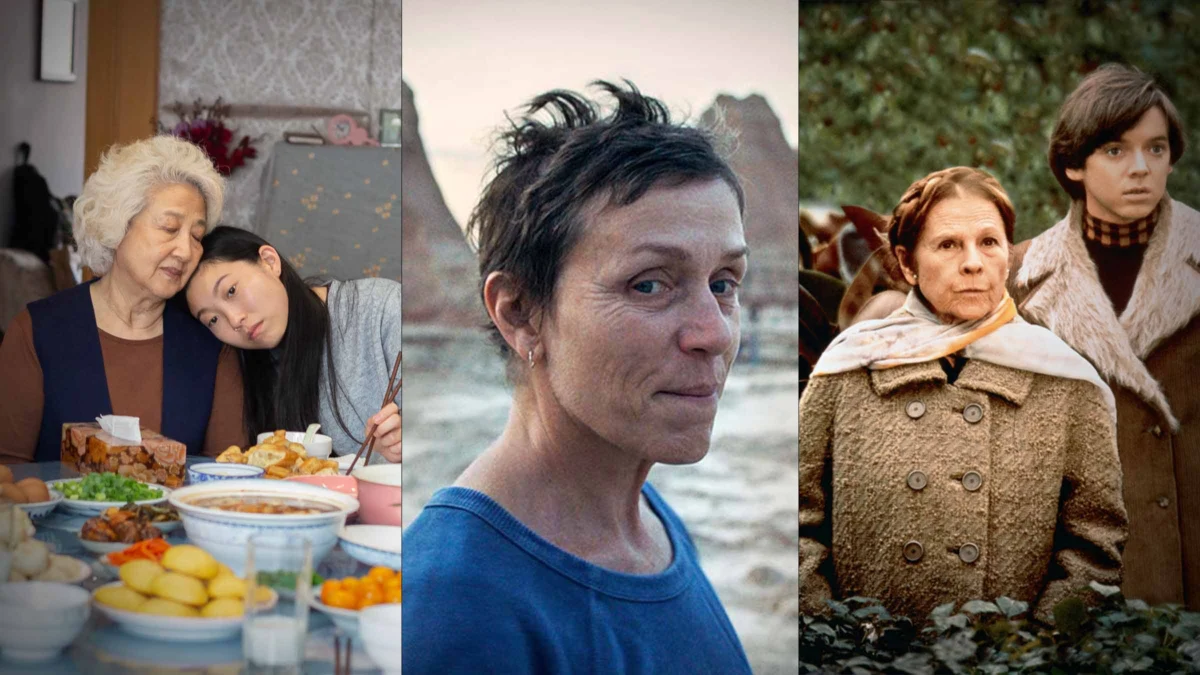
In honor of Grandparents Month, the cinematic landscape offers a rich tapestry of storytelling that reframes how society views aging. From Spirit Award-winning performances and high-stakes survival dramas to eccentric romantic comedies and poignant coming-of-old-age sagas, cinema repeatedly proves that life remains full of richness, surprise, and thrills at any stage.
Amplifying this vital cinematic tradition, Film Independent has announced a transformative new partnership. Through the newly minted Film Independent x Humana Shorts initiative, the organization is moving beyond its traditional role as a champion of indie cinema to step directly into the arena as both a funder and producer. This milestone program aims to bring authentic, senior-centered narratives to the forefront, celebrating the contributions of older adults to society while sparking vital conversations about modern aging.
Main Facts: The Film Independent x Humana Shorts Initiative
The newly launched initiative represents a major structural shift for Film Independent, bridging the gap between artistic advocacy and direct production backing.
- The Core Mission: The program will support five distinct Director and Producer teams in creating original short films. These projects are tasked with authentically celebrating the vital societal roles of seniors while raising awareness around contemporary issues affecting older adults.
- Funding and Budget: Each selected project will receive a slice of a $100,000 all-in production budget.
- Comprehensive Support: Going beyond financial backing, Film Independent will shepherd the selected filmmakers through the entire project lifecycle. This includes publicity campaigns, marketing and distribution strategy consultation, and both virtual and in-person screenings projected through 2028.
- Timeline and Key Deadlines:
- Project Completion: All five shorts are slated for completion by the end of 2027.
- General Application Deadline: Applications close on October 26, 2026.
- Extended Member Deadline: Film Independent Members receive an extended deadline of November 2, 2026.
For filmmakers interested in applying, submissions are currently open via the Film Independent Submittable portal, with full program guidelines available on the Film Independent website.
Chronology: Evolution of an Organization and Its Cinema
To understand the weight of this new initiative, it helps to examine how cinema has treated aging over the decades, mirroring the shifting cultural attitudes toward seniors.
1970s–2000s: The Foundations of Late-Life Rebellion
- 1971 — Harold and Maude (Dir. Hal Ashby): A cornerstone of unorthodox romance, this dark comedy paired a death-obsessed young man (Bud Cort) with a life-affirming, free-spirited 79-year-old woman (Ruth Gordon). Driven by a memorable Cat Stevens score, it established that vitality has no expiration date.
- 2003 — The Triplets of Belleville (Dir. Sylvain Chomet): This eccentric animated musical demonstrated that elderly heroines could drive high-octane action, following the relentless Madame Souza as she pedals across the Atlantic to rescue her grandson.
2010s: Vulnerability, Transition, and Self-Discovery
- 2011 — Beginners (Dir. Mike Mills): Christopher Plummer claimed a Best Supporting Male Spirit Award for his touching portrayal of an elderly father who comes out as gay late in life, inspiring his adult son (Ewan McGregor) to pursue authentic vulnerability.
- 2013 — All Is Lost (Dir. J. C. Chandor): Proving physical grit knows no age, a 77-year-old Robert Redford carried this nearly dialogue-free maritime survival thriller, battling a sinking sailboat and the vast open ocean.
- 2016 — Toni Erdmann (Dir. Maren Ade): This acclaimed tragicomedy featured Peter Simonischek as a retired, prank-loving father attempting to reconnect with his corporate-climbing daughter through an outrageous alter ego, winning the Spirit Award for Best International Feature.
- 2018 — Can You Ever Forget Me? (Dir. Marielle Heller): Richard E. Grant earned Spirit Award recognition for his vibrant turn alongside Melissa McCarthy in a heartfelt biographical crime caper about literary forgery.
- 2019 — The Farewell (Dir. Lulu Wang): Zhao Shuzhen won a Spirit Award for her moving portrayal of a matriarch whose family gathers under the guise of a wedding to quietly say goodbye following a terminal diagnosis.
2020s: Modern Realism and the New Production Paradigm
- 2020 — Nomadland (Dir. Chloé Zhao): Frances McDormand anchored this seminal portrait of modern economic precarity, playing an older seasonal worker living out of her trailer. The film swept the Spirit Awards, taking home Best Feature.
- 2020 — Some Kind of Heaven (Dir. Lance Oppenheim): A piercing documentary that pulls back the manicured curtains of The Villages, America’s largest retirement community, examining the emotional realities behind engineered leisure.
- 2024 — Familiar Touch (Dir. Sarah Friedland): Capturing cognitive decline with acute empathy, Kathleen Chalfant starred as Ruth, a woman navigating the transition into an assisted living facility. The film picked up multiple Spirit Award nominations, including a win for Friedland in the "Someone to Watch" category.
- 2026 and Beyond: Film Independent enters its new capacity as a production house, setting a hard deadline for the completion of the Film Independent x Humana Shorts by late 2027, with exhibition and touring planned through 2028.
Supporting Data: The Impact of Senior-Centric Cinema
The commercial and critical success of senior-led narratives underscores a massive, underserved appetite in the entertainment market. Statistical and critical metrics highlight this trend:
- Award Recognition: Over the past decade, senior-led or senior-themed films have consistently dominated independent circuits. For instance, Nomadland won the Academy Award for Best Picture alongside its Independent Spirit Award dominance, proving that stories focusing on older demographics resonate universally across all audience segments.
- Demographic Shifts: According to global census data, the population of adults aged 65 and older is growing faster than all other age groups. Despite this, studies on media representation frequently reveal that older adults are underrepresented or stereotyped in mainstream media. Initiatives like the Film Independent x Humana Shorts directly combat this gap.
- Budget Allocations: The $100,000 all-in budget for the five short films represents a focused, high-impact injection of capital into short-form media, which traditionally struggles for reliable institutional funding compared to feature-length projects.
Official Responses and Organizational Vision
By evolving from a purely supportive ecosystem into a direct funder and producer, Film Independent has charted a bold new course for artist development.
Historically, cultural institutions support filmmakers by offering grants, labs, and networking opportunities. However, the Film Independent x Humana Shorts initiative marks a structural evolution. Organization leadership emphasizes that this move fulfills a long-standing desire to support creators across the entire lifecycle of their artistic endeavors—stretching seamlessly from initial funding and physical production through to marketing, festival distribution, and public celebration.
By aligning with Humana—an organization deeply entrenched in senior health and well-being—the partnership ensures that the resulting films will not only be artistically ambitious but socially resonant. The initiative actively seeks projects that destigmatize aging, challenge ageism, and highlight the vibrant, multifaceted contributions seniors make to contemporary society.
Implications: What This Means for the Future of Indie Film
The launch of this initiative carries profound implications for independent filmmakers, regional storytelling, and the broader cultural conversation around aging.
- A Blueprint for Institutional Funder-Producers: If the Film Independent x Humana Shorts model proves successful, it could serve as a template for other cultural non-profits. Rather than waiting for completed films to filter through festival submission boxes, organizations may increasingly take a proactive role in commissioning specific, socially impactful content from the ground up.
- Amplifying Marginalized Narratives: Ageism in Hollywood is a well-documented systemic issue. By providing targeted funding and robust publicity campaigns for senior-centric stories, the initiative validates older protagonists as complex, commercially viable subjects worthy of narrative depth.
- Sustaining Creative Careers: For the five selected Director and Producer teams, the security of a guaranteed budget coupled with holistic career support (including festival strategy and distribution consultation) offers a rare safety net in the high-risk independent film market.
How to Get Involved
Filmmakers eager to contribute to this shifting paradigm have until October 26, 2026 (or November 2, 2026 for Film Independent Members) to submit their pitches.
For those who wish to support Film Independent’s expanded mission of championing diverse independent voices, memberships and donations can be secured directly through the Film Independent Membership portal and Donation page.
