
Uncovering the Shadows: ‘Soul Patrol’ Brings a Hidden Chapter of Vietnam History to the Big Screen
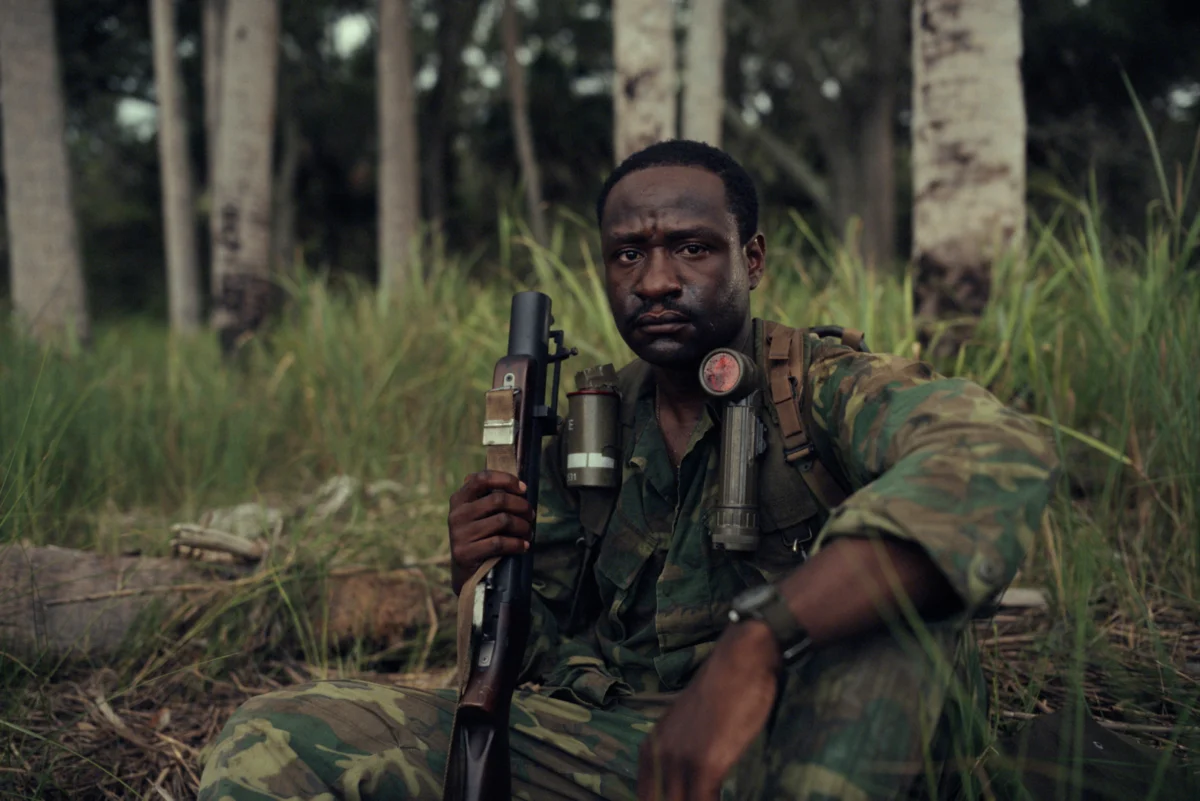
The Vietnam War remains one of the most heavily scrutinized conflicts in American history, yet for decades, the narratives of specific soldiers—particularly those of color—remained buried under the weight of institutional silence and systemic erasure. This November, director J.M. Harper’s award-winning documentary Soul Patrol seeks to rectify that omission. Following a celebrated debut at the 2026 Sundance Film Festival, where it secured the prestigious Directing Award for U.S. Documentary, the film is set for a theatrical release on November 6, perfectly timed to coincide with Veterans Day observances.
Soul Patrol is not merely a historical record; it is an immersive, emotionally resonant exploration of identity, brotherhood, and the profound dissonance of serving a country that offered these men little in return.
The Core Narrative: An Elite Unit in the Crosshairs
The film focuses on the remarkable story of the U.S. Army’s first all-Black Long-Range Reconnaissance Patrol (LRRP) team. Operating deep behind enemy lines in the dense, treacherous jungles of Vietnam, this elite unit was tasked with the most dangerous assignments: reconnaissance, ambush, and intelligence gathering.
Director J.M. Harper, known for his incisive work on As We Speak, spent years meticulously gathering evidence to reconstruct the unit’s wartime reality. The film relies heavily on a treasure trove of archival material, much of which was sourced from the veterans’ personal collections. Audiences are treated to raw Super 8 footage, candid photographs, and intimate audio recordings that offer a sensory immediacy rarely found in documentaries of this scale.
The narrative anchor of the film is Ed Emanuel, an executive producer on the project and the author of the 2003 memoir Soul Patrol: The Riveting True Story of the First African American LRRP Team in Vietnam. It was Emanuel’s candid documentation that served as the initial blueprint for Harper, providing the necessary emotional and tactical scaffolding for the film.
A Chronology of Memory: From the Jungle to the Reunion
The documentary follows a dual-track timeline, oscillating between the harrowing combat missions of the late 1960s and a present-day reunion.
The Combat Years
In the late 1960s, the members of the Soul Patrol operated in a world of extreme isolation. Being a small, specialized unit of Black soldiers in a military still grappling with racial integration meant that their camaraderie was both a survival mechanism and a political statement. The film captures their tactical brilliance and their psychological endurance as they navigated a terrain that was as hostile to their presence as it was to their mission.

The 50th-Anniversary Reunion
Five decades later, the surviving members of the team convened at a hotel, a setting that the film treats as a "liminal space." In this quiet, controlled environment, the ghosts of the past are invited to the table. The reunion serves as the film’s emotional climax, where the passage of time is measured not in years, but in the lingering scars of unresolved trauma. Here, the camaraderie of the jungle is tested by the realities of aging, memory, and the long-term impacts of war.
Supporting Data: The Cost of Service
To understand the significance of Soul Patrol, one must consider the historical context of the Vietnam War. While Black soldiers served at disproportionately high rates during the conflict, their contributions were often overshadowed by the civil rights struggles occurring simultaneously on the home front.
The documentary provides a stark look at the "contradictions of fighting for freedom abroad while facing inequality at home." By utilizing government archival records alongside personal artifacts, the film provides a data-driven look at the demographics of the Vietnam-era military.
- Participation Rates: African Americans made up approximately 11% of the U.S. population in the 1960s but accounted for a higher percentage of combat deaths during the early years of the war.
- Specialized Roles: The LRRP teams were among the most highly trained and high-risk units in the Army. The formation of an all-Black unit was an anomaly that defied the era’s racial segregationist tendencies, making the unit’s success a matter of both military achievement and social resistance.
- The Return Home: The film highlights the "post-war reality," where many of these men returned to a nation that was not ready to acknowledge their service, nor address the systemic inequalities that persisted despite their loyalty.
Critical Perspectives and Official Reception
The film’s critical reception has been nothing short of rapturous. Upon its Sundance premiere, IndieWire noted the film’s refusal to rely on easy generalizations. Instead, it prioritizes the subjective, lived experiences of the men involved.
"Soul Patrol admirably never tries to sum up the full experience of what Vietnam was, rather just trying to sum up what it was for these men," wrote the IndieWire reviewer. "In the film’s closing stretch, it turns its attention to the men’s difficult experiences returning home from the war, with a candor and a vulnerability that’s hard not to tear up from."
The most poignant takeaway comes from a member of the unit featured in the film: "We need to tell the stories to look at where we were at, where we come from, and where we headed. You need to know your beginning before you can figure out your ending."
Implications: Why This Story Matters Now
The release of Soul Patrol arrives at a time of national reckoning regarding how we remember and honor our history. By elevating the voices of the first Black LRRP team, the film challenges the traditional monolithic portrayal of the Vietnam War veteran.

A Catalyst for Historical Dialogue
The film serves as a catalyst for discussions on how the U.S. military handles diversity and how the public narrative of war is constructed. By centering the story on the personal archives of the veterans, Harper empowers the subjects to control their own historical footprint. It forces the audience to confront the "surreal" nature of returning to a civilian life that often feels like a foreign country compared to the intensity of the battlefield.
The Institutional Legacy
For historians and military scholars, Soul Patrol represents a vital addition to the record of special operations. It bridges the gap between military history and the sociology of the Vietnam era, providing a case study in how small-unit dynamics function under the pressure of both external threats and internal social biases.
The Theatrical Experience
Kino Lorber, the distributor behind this project, has emphasized the importance of the communal viewing experience for a film of this nature. Beginning November 6, the film will be available in select theaters across the country.
The choice of a November release is deliberate. As the nation approaches Veterans Day on November 11, Soul Patrol offers a necessary, if difficult, meditation on what it means to be a veteran. Special screenings have been arranged for the week of the holiday, designed to facilitate discussions between veterans, historians, and the public.
For those unable to attend in person, the release of the exclusive trailer (available for viewing through various media outlets) provides a glimpse into the visual style of the film—a blend of grainy, authentic 1960s footage and crisp, modern-day interviews that create a bridge across the decades.
Conclusion
Soul Patrol is more than a documentary; it is a restorative act of memory. By documenting the experiences of a unit that was nearly lost to the pages of history, J.M. Harper has created a work that challenges us to look closer at the stories we tell about our past. As the surviving members of the unit share their truths, they provide a blueprint for a more honest understanding of the American experience—one that accounts for both the courage of the individual and the complexities of the nation they served.
As we move toward the November 6 release date, the film stands as a testament to the idea that, as one veteran eloquently put it, "You need to know your beginning before you can figure out your ending." In the case of these men, and the nation that sent them into the jungle, that process of discovery is only just beginning.
