
Cinematic Legacy and Digital Accessibility: Navigating Where to Stream the Psychological Thriller Masterpiece What Ever Happened to Baby Jane?
Main Facts: The Enduring Allure of a Cinematic Shocker
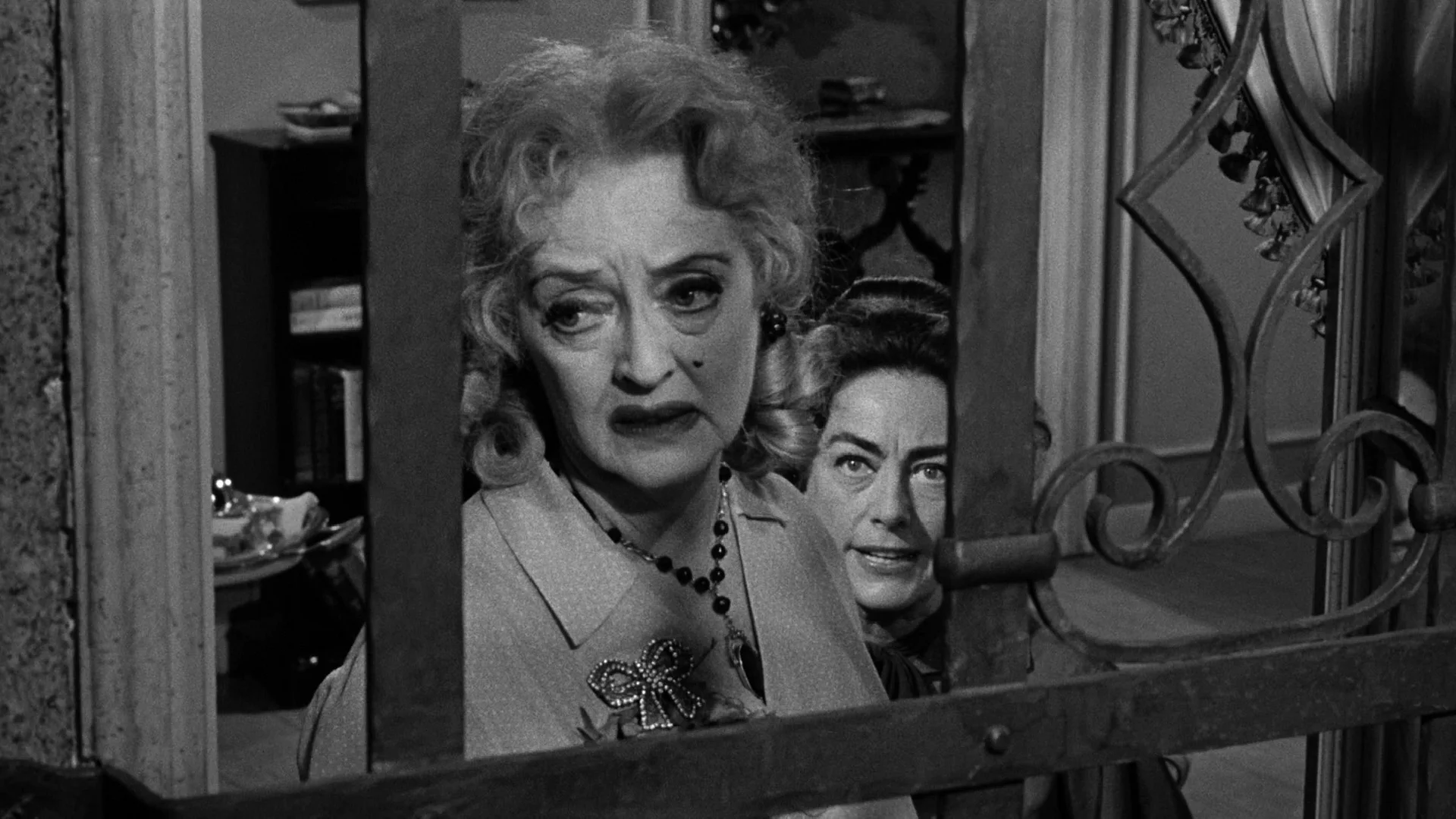
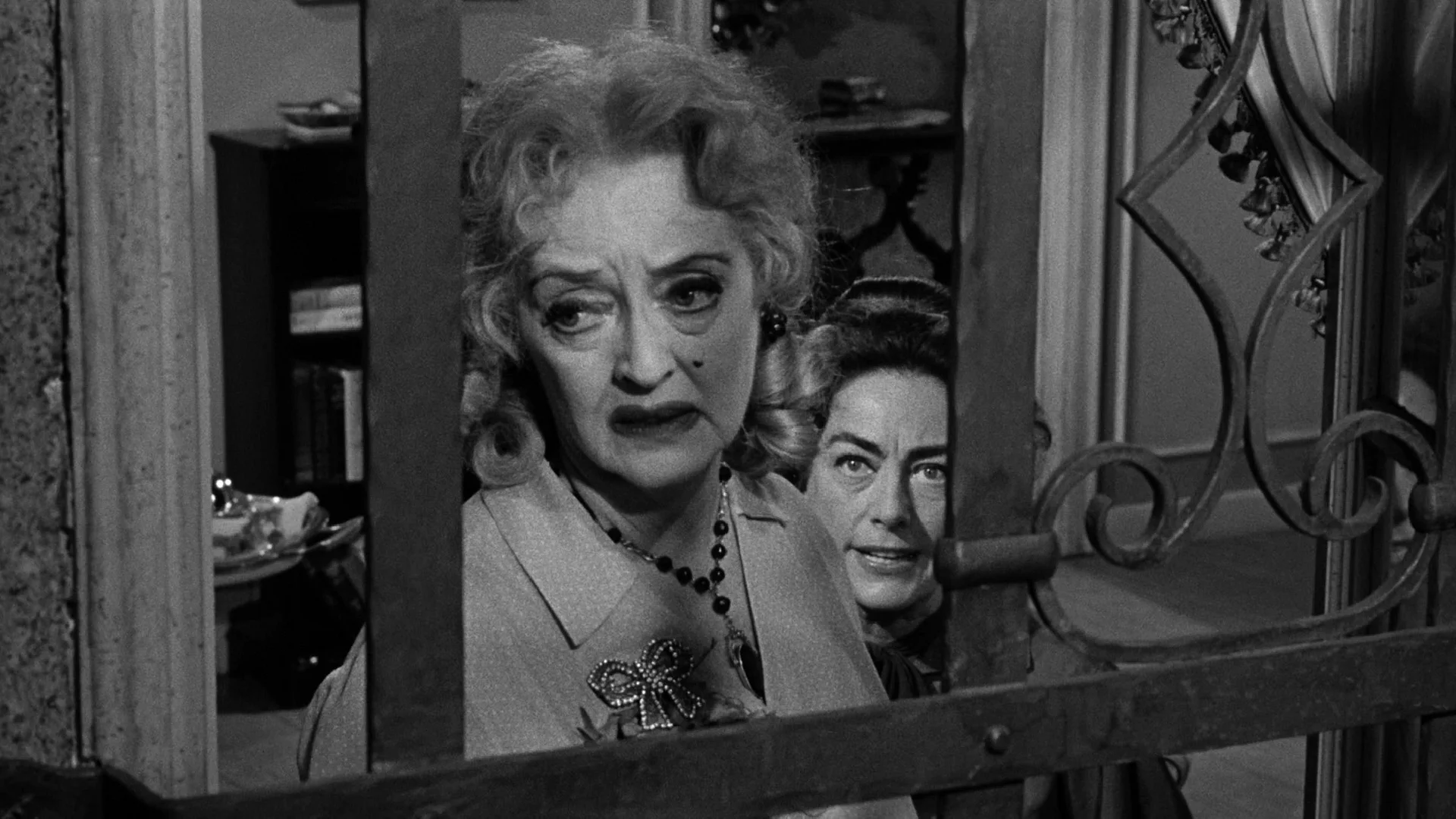
Decades after its initial theatrical run, What Ever Happened to Baby Jane? remains a towering achievement in American cinema, a cornerstone of psychological horror, and a masterclass in cinematic camp and suspense. Directed by Robert Aldrich and released by Warner Bros. in 1962, the film brought together two legendary titans of Hollywood’s golden age—Bette Davis and Joan Crawford—in a combustible, highly publicized onscreen pairing that mirrored their notorious real-life rivalry.
Based on the 1960 novel of the same name by Henry Farrell, the narrative follows Baby Jane Hudson, a former child star who lives in a decaying Hollywood mansion with her sister, Blanche Hudson, a successful film actress whose career was cut short by a tragic, paralyzing automobile accident. As Jane descends deeper into bitterness, dementia, and madness, she subjects the wheelchair-bound Blanche to psychological and physical torment, culminating in one of the most chilling and iconic conclusions in film history.
Today, as cinephiles, film historians, and modern audiences seek out ways to experience or revisit this landmark feature, navigating the fragmented digital landscape of streaming availability can prove complex. Platforms like the American Film Institute (AFI) continue to curate resources, educational materials, and viewing guides to help audiences discover where classic masterpieces can be legally streamed, purchased, or rented online.
Despite changing licensing agreements, shifting distribution rights, and the proliferation of niche streaming platforms, What Ever Happened to Baby Jane? remains widely accessible across major digital storefronts. Understanding how to access this classic title is part of a broader modern cultural movement to preserve, study, and celebrate the rich heritage of the moving image.
Chronology: From Pulp Novel to Silver Screen Icon and Digital Era
To fully appreciate the cultural footprint of What Ever Happened to Baby Jane?, one must examine its historical trajectory—from literary sensation to cinematic phenomenon, and finally to its current status as a digitally preserved artifact available for streaming worldwide.
1960: The Literary Genesis
Author Henry Farrell publishes What Ever Happened to Baby Jane?, a gripping psychological thriller novel that delves into the dark side of Hollywood fame, aging, and sibling rivalry. The book strikes a nerve with the public, immediately capturing the attention of filmmakers looking for high-concept, character-driven thrillers in the wake of Alfred Hitchcock’s massive success with Psycho (1960).
1962: The Theatrical Release and Cultural Earthquake
Director Robert Aldrich acquires the rights, bringing Bette Davis and Joan Crawford together under severe budgetary and scheduling constraints. Upon its release in October 1962, the film becomes a massive box-office success. It turns conventional Hollywood glamour on its head, proves that older female-led thrillers can dominate the box office, and earns five Academy Award nominations, including a Best Actress nod for Bette Davis.
The Late 20th Century: Home Video and Television Syndication
As physical media evolves through VHS, LaserDisc, and eventually DVD, What Ever Happened to Baby Jane? finds a new lease on life among generations of horror fans and midnight-movie enthusiasts. The film is frequently broadcast on television and studied in university film departments, cementing its status as an essential text in the study of melodrama and the "Hag Horror" (or psycho-biddy) subgenre.

The 21st Century: The Transition to Streaming
With the advent of video-on-demand (VOD) services and subscription streaming platforms in the 2000s and 2010s, classic Hollywood cinema begins migrating to digital ecosystems. Platforms such as Amazon Prime Video, Apple TV, Google Play, and specialized archival distributors make it easier than ever for global audiences to stream What Ever Happened to Baby Jane? in restored digital high definition, ensuring the film remains relevant to contemporary audiences.
Supporting Data: Critical Reception, Box Office, and Digital Availability Metrics
The enduring legacy of What Ever Happened to Baby Jane? is backed by remarkable metrics spanning its initial release and its modern digital footprint.
Box Office and Financial Impact
- Production Budget: Approximately $980,000—a modest budget even for its time.
- Box Office Gross: Over $9 million globally during its initial theatrical run, yielding a substantial profit margin and proving the commercial viability of thrillers starring veteran actresses over the age of fifty.
- ROI: One of the most profitable independent-style studio releases of the early 1960s, revitalizing the waning careers of both leading ladies.
Accolades and Critical Acclaim
- Academy Awards: Nominated for 5 Oscars, winning Best Costume Design (Black-and-White) for Norma Koch. Bette Davis received her tenth Best Actress nomination for her tour-de-force performance as Jane Hudson.
- Rotten Tomatoes Rating: Maintains a critically acclaimed approval rating consistently hovering above 90%, praised for its unrelenting tension, dark humor, and iconic performances.
- AFI Recognition: Frequently cited in American Film Institute retrospectives and education initiatives celebrating the greatest thrillers and character performances in American cinema history.
Digital Streaming and VOD Distribution
- Subscription Services: Availability rotates periodically across platforms like Max (formerly HBO Max), Criterion Channel, or Turner Classic Movies (TCM) partnerships, depending on regional licensing windows.
- Digital Rental/Purchase: Widely available in HD and 4K digital upgrades across major platforms, including Amazon Prime Video, Apple TV, Vudu (Fandango at Home), and Google Play.
- Physical Media Resurgence: Continues to sell via boutique Blu-ray releases (such as the Warner Archive Collection), which feature restored prints, audio commentaries, and archival documentaries.
Official Responses: Institutions, Preservationists, and Industry Stakeholders
The ongoing availability of What Ever Happened to Baby Jane? on streaming networks is the result of deliberate preservation efforts by cultural institutions, legal guardians of copyright, and non-profit organizations dedicated to film history.
The Role of the American Film Institute (AFI)
Organizations like the American Film Institute play a crucial role in directing audiences toward legitimate streaming channels for classic films. Through digital resource portals, educational guides, and public awareness campaigns, the AFI helps bridge the gap between historic cinematic masterworks and modern digital consumers. By providing clear guidance on where to stream titles like What Ever Happened to Baby Jane?, the AFI fulfills its 501(c)(3) non-profit mission to "advance the art of the moving image by empowering storytellers and inspiring audiences."

Studio Preservation and Digital Restoration
Warner Bros., through its archival and home entertainment divisions, has invested heavily in digital restoration initiatives. Recognizing the global demand for classic titles on streaming platforms, studios routinely remaster legacy films from original camera negatives. Official statements from studio archivists emphasize that making classic films accessible via on-demand streaming is vital for introducing younger generations to the foundational works of American cinema.
Privacy, Cookies, and Digital Compliance
As users access streaming guidance and film database websites, digital infrastructure relies on transparent data practices. Major cultural and informational portals adhere to strict privacy frameworks—such as GDPR compliance in Europe and standard privacy overviews in the United States—ensuring that visitor data regarding cookie preferences, site navigation, and user experience analytics are handled securely while audiences search for cinematic content online.
Implications: What Streaming Accessibility Means for Classic Cinema
The ease with which modern audiences can access What Ever Happened to Baby Jane? carries profound implications for film education, cultural preservation, and the commercial viability of classic cinema in the digital age.
Democratization of Film History
Gone are the days when viewing a 1962 psychological thriller required catching a late-night television broadcast or tracking down an out-of-print VHS tape. Today, instantaneous digital streaming democratizes access to film history. A student in a remote town, a casual film fan browsing on a smartphone, or a seasoned film historian can access the same digitally restored print of What Ever Happened to Baby Jane? within seconds. This accessibility fosters a continuous, unbroken dialogue between past cinematic eras and modern viewers.

Re-evaluating Gender, Aging, and Hollywood Tropes
The film’s availability on mainstream streaming services allows contemporary audiences to re-examine its complex themes through modern lenses. Long before psychological thrillers tackled complex questions of gaslighting, elder abuse, and the societal erasure of aging women in entertainment, What Ever Happened to Baby Jane? laid bare the grotesque realities of obsession and decay. By streaming the film, modern viewers contribute to ongoing critical discussions regarding how Hollywood portrays women, mental health, and the darker side of celebrity culture.
The Economic Model of Digital Preservation
As streaming platforms continuously update their libraries, the inclusion of mid-20th-century classics proves that archival cinema retains robust commercial and cultural value. Revenue generated from digital rentals, purchases, and subscription licensing directly funds ongoing film preservation projects. Every time a viewer streams What Ever Happened to Baby Jane?, they actively participate in a financial and cultural ecosystem that values, protects, and sustains the rich heritage of the silver screen for future generations.
