
NCIS: Origins Ramps Up the Tension: A Deep Dive into "My Own Worst Enemy"
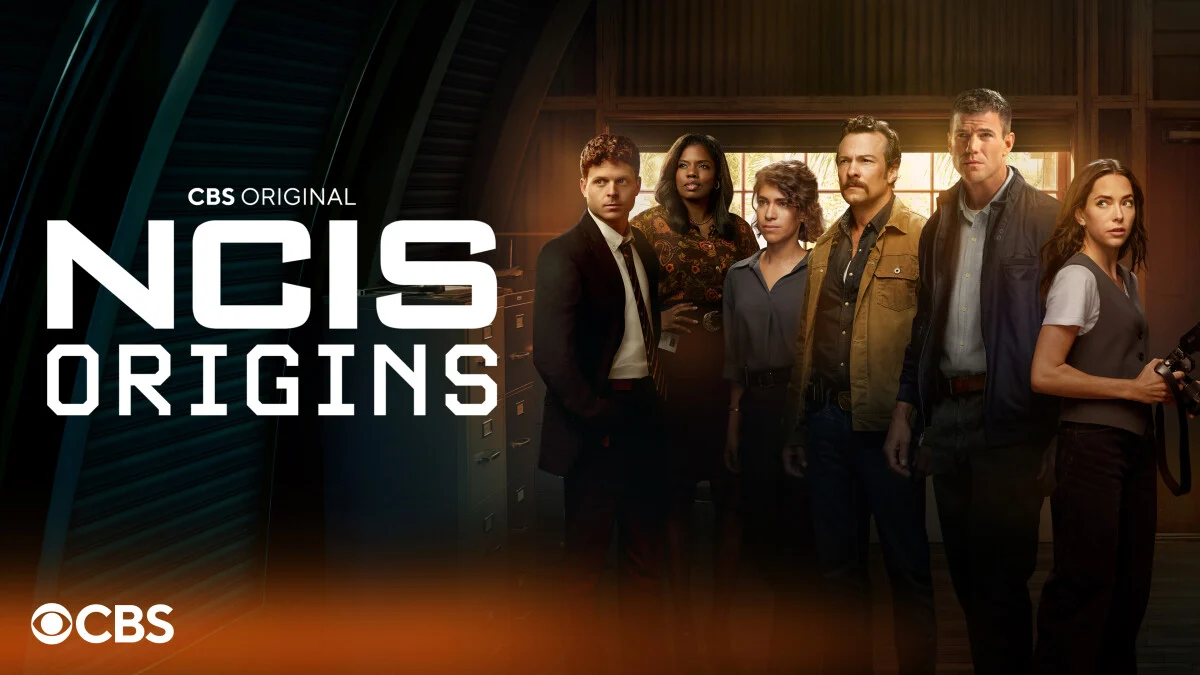
The expansion of the NCIS universe continues to captivate audiences with the latest installment of NCIS: Origins. As the prequel series progresses into its second season, fans are being treated to a more intimate and gritty exploration of the formative years of Leroy Jethro Gibbs. The release of the trailer for Season 3, Episode 2, titled "My Own Worst Enemy," signals a pivotal moment for the Camp Pendleton team, promising high-stakes drama, internal conflict, and the continued unraveling of the mysteries that defined Gibbs’ early career.
The Evolution of a Legend: Main Facts and Series Context
NCIS: Origins serves as a narrative bridge between the modern-day procedural juggernaut and the early 1990s, when a younger, raw version of Leroy Jethro Gibbs—portrayed by Austin Stowell—first stepped into the shoes of a special agent. Narrated by the iconic Mark Harmon, who originated the role of Gibbs, the series provides a nostalgic yet fresh perspective on the character’s psychological landscape.
In "My Own Worst Enemy," the narrative focus shifts to the immediate aftermath of the previous season’s climactic events. The series continues to chronicle the operations of the NCIS Camp Pendleton office, led by the legendary Mike Franks (played by Kyle Schmid). The episode trailer hints at a shift in power dynamics and the psychological toll taken on the team, particularly in light of the harrowing car crash that left the fate of Lala dangling at the end of the previous season.
As viewers have come to expect from the franchise, the episode promises to balance high-octane investigative work with the personal demons that inevitably shape a legendary agent.
A Chronology of Conflict: Defining Moments in the Prequel
To understand the weight of "My Own Worst Enemy," one must look at the trajectory of the series thus far. NCIS: Origins was conceived not merely as a "origin story" but as a character study. By situating the show in the early 90s, creators David J. North and Gina Lucita Monreal have successfully captured the analog tension of an era before the digital revolution, where investigative work relied heavily on intuition, legwork, and internal unit cohesion.
The first season established the foundation of the Camp Pendleton team. Season two has accelerated the stakes, introducing more complex threats that force Gibbs to evolve from a grieving widower into a seasoned investigator. The central mystery surrounding the aftermath of the car crash has served as the emotional anchor for the current season. As the team struggles to recover, the trailer for episode two suggests that the external dangers they face are now being mirrored by fractures within the team—hence the title, "My Own Worst Enemy."
Supporting Data: The Talent Behind the Lens
The success of NCIS: Origins is rooted in its robust cast and the seasoned production team at the helm. The series features a strong ensemble:
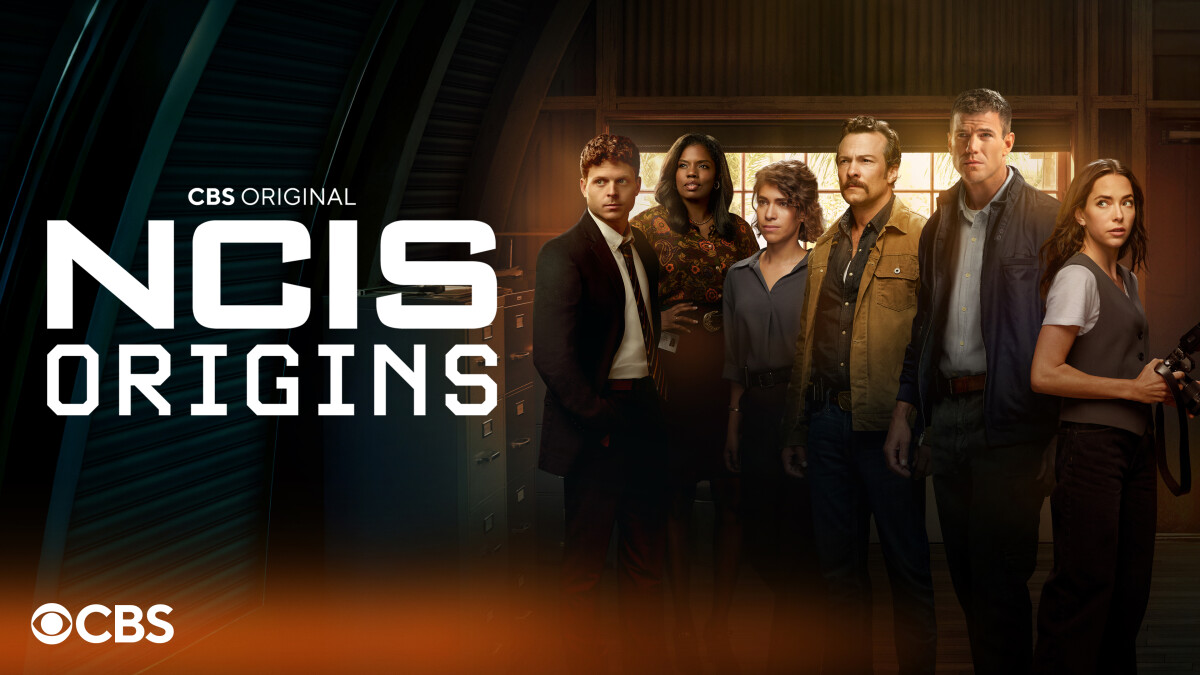
- Austin Stowell as Leroy Jethro Gibbs
- Mariel Molino as Lala
- Kyle Schmid as Mike Franks
- Tyla Abercrumbie as Field Operation Support Officer Mary Jo Sullivan
- Diany Rodriguez as Special Agent Vera Strickland
- Caleb Foote as Special Agent Benjamin "Randy" Randolf
The executive production team is headlined by David J. North, Gina Lucita Monreal, Mark Harmon, and Sean Harmon. This combination of veteran NCIS franchise producers and fresh creative talent ensures that the show maintains the "DNA" of the original series while exploring darker, more cinematic themes. The production is spearheaded by CBS Studios, which has invested significantly in period-accurate set designs and atmospheric lighting to distinguish Origins from the rest of the NCIS slate.
Official Responses and Creative Vision
The creative team has been vocal about their desire to move beyond the traditional "case-of-the-week" format. In various interviews, executive producers have described NCIS: Origins as a "psychological thriller at its core."
"We wanted to show the audience that Gibbs wasn’t born a legend," David J. North noted in a recent press briefing. "He was forged through loss, error, and the grueling reality of early 90s law enforcement. ‘My Own Worst Enemy’ is about the realization that the greatest obstacles to justice aren’t always the criminals we chase, but the ghosts we carry."
The inclusion of Mark Harmon as the narrator is more than just a stylistic choice; it acts as a thematic anchor, reminding the audience that every decision made by the young Gibbs in the 90s has long-term repercussions for the man viewers met in 2003.
Implications for the NCIS Universe
The release of the "My Own Worst Enemy" trailer has significant implications for the wider franchise. By deepening the lore surrounding Mike Franks and his early relationship with Gibbs, the show is retroactively enriching the history of the original NCIS series. Fans are now seeing the "why" behind the "what" that was established over two decades of television history.
Furthermore, the show’s performance on both CBS and Paramount+ has solidified it as a pillar of the network’s streaming strategy. The "trailers as marketing" model has proven highly effective; by providing short, punchy previews that emphasize emotional stakes over plot spoilers, the production team has successfully managed to keep a high level of engagement on social media platforms.
The thematic shift toward the "my own worst enemy" trope also suggests that the show is willing to take risks. Television procedurals often fear alienating viewers by making their protagonists too flawed or vulnerable. However, by centering on Gibbs’ early vulnerabilities, NCIS: Origins is effectively cultivating a more mature, invested audience that values character development over simple plot resolution.
The Art of the Teaser: How "My Own Worst Enemy" is Marketed
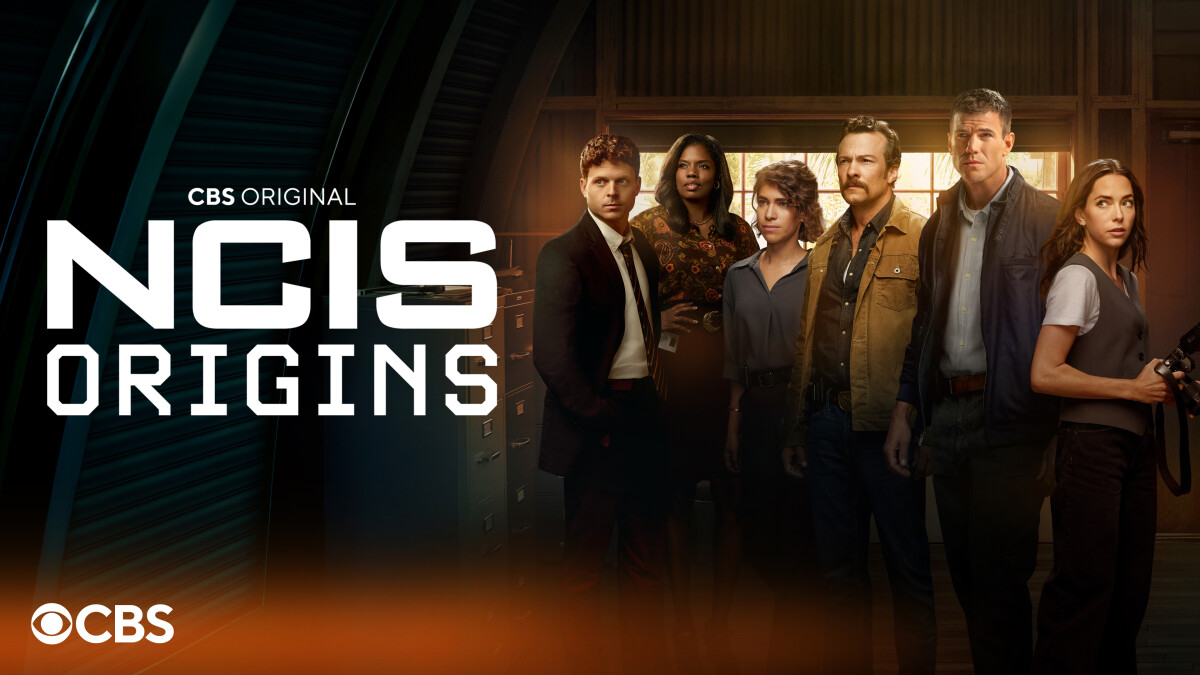
The trailer for the second episode is a masterclass in modern television promotion. Utilizing a blend of quick-cut action sequences and slow, moody character beats, the promo creates a sense of urgency. The use of sound design—a hallmark of the NCIS brand—is particularly effective here, with the tension building toward a crescendo that leaves the audience questioning the loyalty of the main characters.
In the digital age, a trailer is not merely an advertisement; it is a vital part of the viewer’s experience. It creates a space for speculation, with fans dissecting every frame for clues about character fates. By releasing these trailers in conjunction with broader social media campaigns, CBS ensures that NCIS: Origins remains part of the weekly cultural conversation.
Conclusion: Looking Ahead
As we approach the air date for "My Own Worst Enemy," the anticipation among the NCIS fanbase is palpable. The combination of established, beloved characters and the gritty, high-stakes storytelling of the prequel era has proven to be a winning formula. Whether it is the evolution of the Gibbs-Franks dynamic or the unfolding mystery of the team’s internal struggles, NCIS: Origins continues to prove that there is plenty of life left in the long-running franchise.
Viewers can catch the episode on CBS, with streaming availability immediately following on Paramount+. As the season progresses, one thing remains certain: the team at Camp Pendleton will continue to face the past while fighting for the future, proving that in the world of NCIS, the most dangerous enemy is often the one you see in the mirror.
For more information on the show, fans are encouraged to follow the official CBS social media channels and participate in the ongoing discussions surrounding the series’ development.
