
The Era of Pure Evil: Defining the 15 Best Television Villains of the 2020s (So Far)
Main Facts: The Shift from Antiheroes to Unfiltered Antagonists
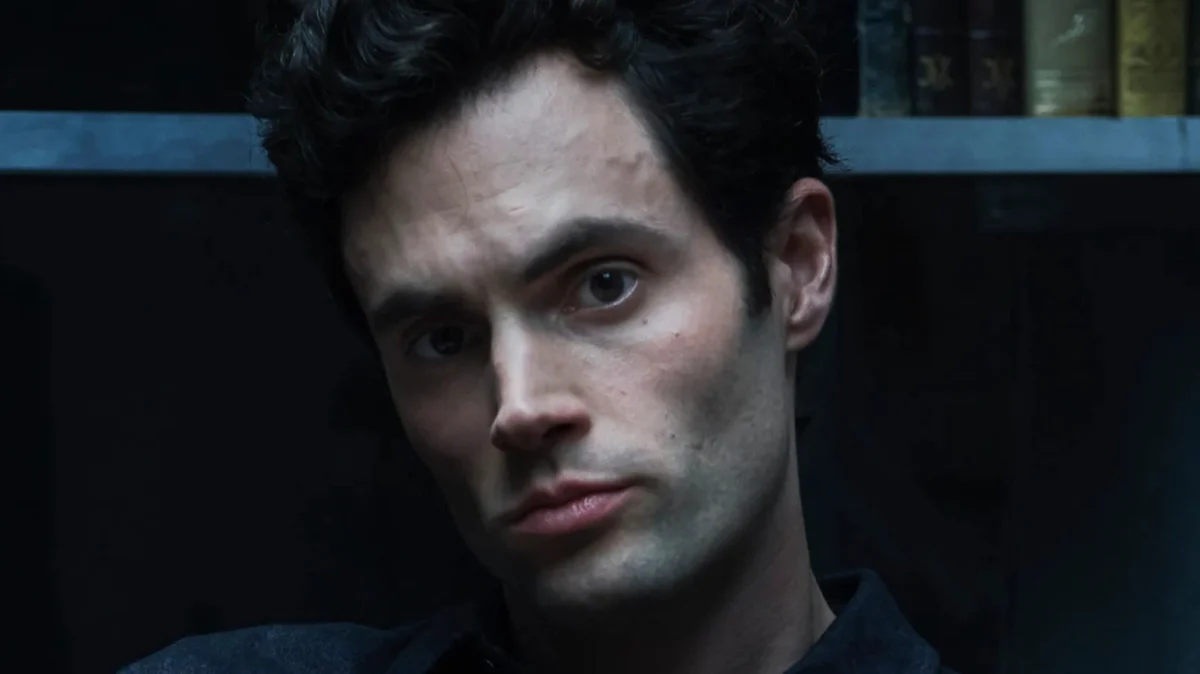
Every decade of television is predominantly shaped by its heroes, but the 2020s are undeniably being defined by their villains. For years, prestige television was obsessed with the morally conflicted antihero—the brooding mobster, the socially conscious serial killer, the rule-breaking detective caught in a gray world. However, the cultural landscape of the 2020s has largely abandoned that hand-wringing. Modern showrunners are increasingly asking audiences to immerse themselves in true, unadulterated evil. Today, a series can introduce a straight-up stalker and murderer and implicitly trust that viewers will stick around to watch him narrate his growing body count.
Beyond villainous protagonists, this decade has birthed a staggering variety of compellingly vile antagonists who directly mirror modern cultural anxieties. As the once-unassailable dominance of superhero cinema and television begins to wane, pop culture has given rise to the "Evil Superman" trope. Simultaneously, widespread institutional distrust has inspired fictional political tyrants and violent bureaucrats, while a cultural hunger for radical change has translated into empathetic yet deeply misguided revolutionaries. Most chillingly, a vast majority of these modern villains share a single, twisted, and profoundly human motivation: love.
Chronology and Rankings: The 15 Definitive Television Villains of the Decade
15. Nate Jacobs (Euphoria — HBO)
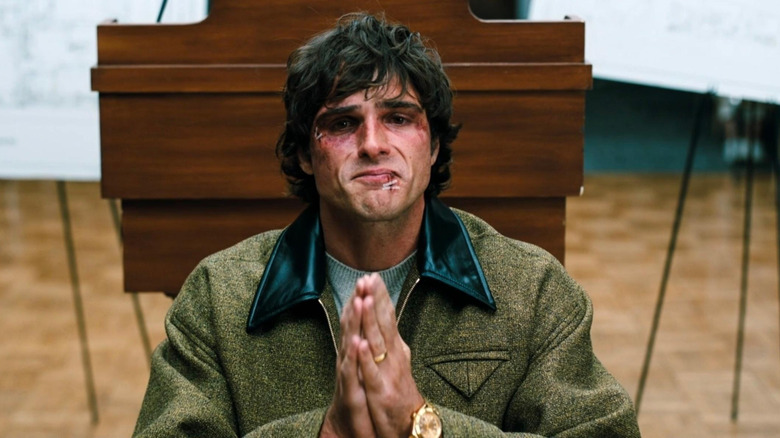
Though its later production delays proved divisive, Euphoria captured the cultural zeitgeist when its second season aired in 2022. That run also cemented Jacob Elordi’s Nate Jacobs as the most intensely hated television teenager since King Joffrey.
In Season 1, Nate established his malice by terrorizing and blackmailing Jules (Hunter Schafer), violently abusing his girlfriend Maddy (Alexa Demie), and framing an innocent man for his crimes. Season 2 attempted a grim humanization through his father’s past, but instead turned Nate into a colder, quieter sociopath—culminating in a harrowing scene where he breaks into Maddy’s house to play a "joke" involving Russian roulette.
14. Rupert Mannion (Ted Lasso — Apple TV)
Truly menacing comedy villains are a rare breed. The late Anthony Stewart Head delivered the decade’s finest comedic antagonist in the loathsome Rupert Mannion. As the former owner of AFC Richmond and the narcissistic, adulterous ex-husband of Rebecca Welton (Hannah Waddingham), Rupert is universally despised within the show’s universe.
Yet, Rupert remains deeply three-dimensional. He genuinely loves Richmond and is moved by Rebecca’s emotional vulnerability. However, these brief flashes of humanity only highlight his capacity for cruelty—such as maliciously weaponizing the news of an impending child with his new wife to shatter Rebecca’s emotional peace.
13. Harmony Cobel (Severance — Apple TV+)
Severance is a masterclass in workplace dread, featuring standout antagonists like Seth Milchick (Tramell Tillman) and Helena Eagan (Britt Lower). Yet Patricia Arquette’s Harmony Cobel stands alone as the series’ most psychologically terrifying threat.
Operating both inside Lumon Industries as a ruthless floor supervisor and outside as Mark’s (Adam Scott) seemingly harmless next-door neighbor "Mrs. Selvig," Cobel’s invasion of privacy is total. Though her arc takes a complex, collaborative turn in Season 2, her initial reign of terror makes her an unforgettable corporate tyrant.
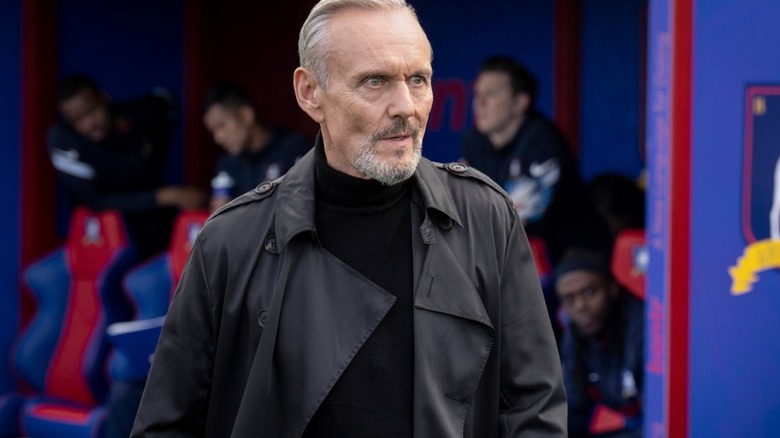
12. Nolan Grayson / Omni-Man (Invincible — Prime Video)
J.K. Simmons’ portrayal of the super-dad turned extraterrestrial conqueror is a landmark performance of the 2020s. While Nolan’s later redemption arcs in subsequent seasons soften his edge, his impact as a Season 1 villain is legendary.
The pilot episode’s shocking massacre of the Guardians of the Globe completely upended the traditional superhero genre, recontextualizing Omni-Man’s subsequent brutality—including his devastating physical and psychological beatdown of his own son, Mark (Steven Yeun).
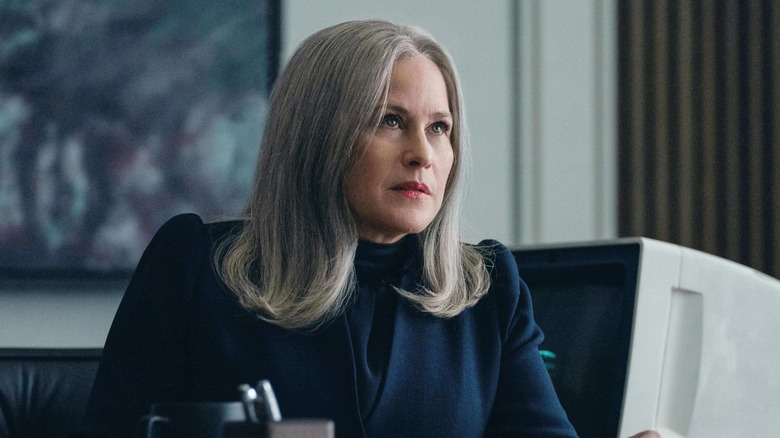
11. Ishido Kazunari (Shōgun — FX)
As the de facto leader of the Council of Regents in FX’s acclaimed historical epic, Ishido Kazunari (Takehiro Hira) initially cuts an imposing figure. He stands as the primary political roadblock to Lord Toranaga (Hiroyuki Sanada).
While Ishido ultimately proves to be outmaneuvered by Toranaga’s masterclass in long-term planning, his ruthless bureaucratic enforcement and sheer oppressive presence define the shifting power dynamics of feudal Japan.
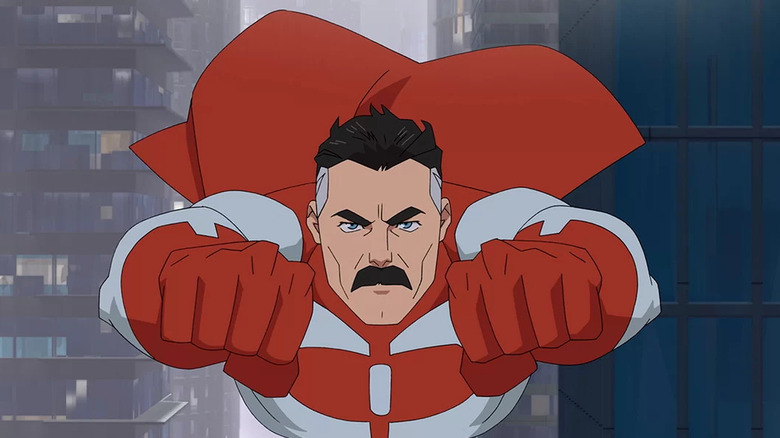
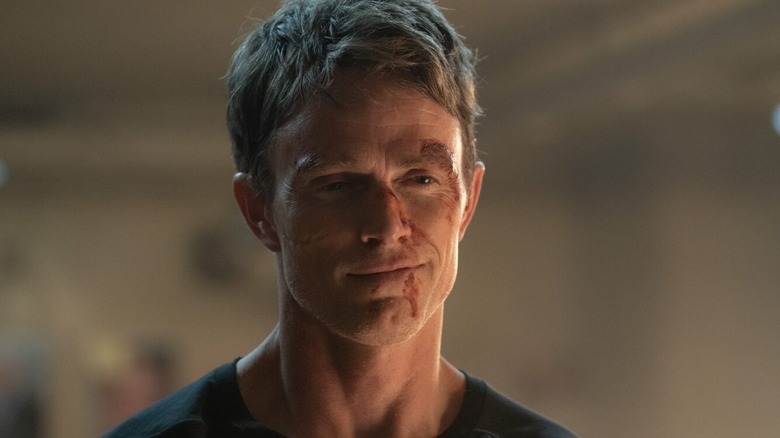
10. Benjamin Poindexter / Bullseye (Daredevil: Born Again — Disney+)
For fans of the Marvel Netflix era, Wilson Bethel’s return as Benjamin Poindexter in Disney+’s Born Again was a triumphant homecoming. Seizing the character’s unhinged potential right from the premiere—where he tragically claims the life of Foggy Nelson (Elden Henson)—Bethel blends empathetic brokenness with terrifying physical precision. His twisted psychology makes his "heroic" moments feel infinitely more dangerous than redemptive.
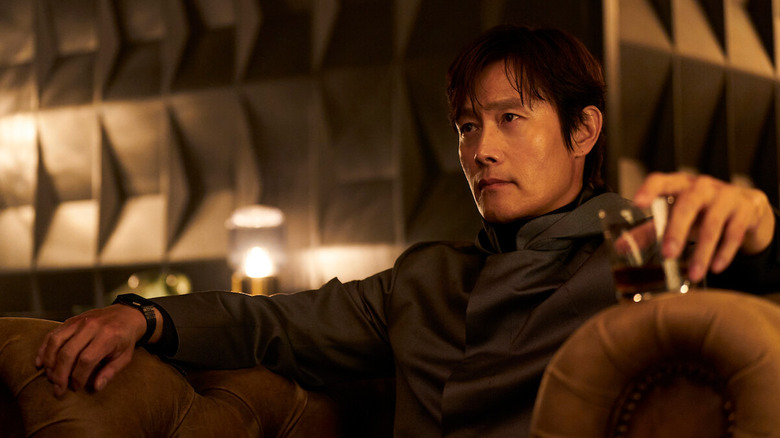
9. Hwang In-ho / The Front Man (Squid Game — Netflix)
As the chilling face of the global phenomenon Squid Game, Lee Byung-hun’s Front Man commanded attention throughout Season 1. The narrative’s brilliant twist unmasked him as Hwang In-ho, the missing brother of the police detective investigating the games. By transitioning from a masked authority figure to a participant embedding himself directly into the deadly games as Player 001, In-ho proved to be the anchor of the series’ unfolding mythology.
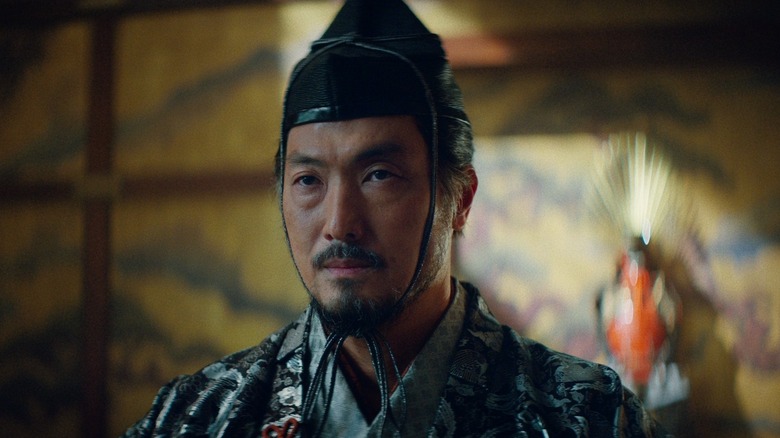
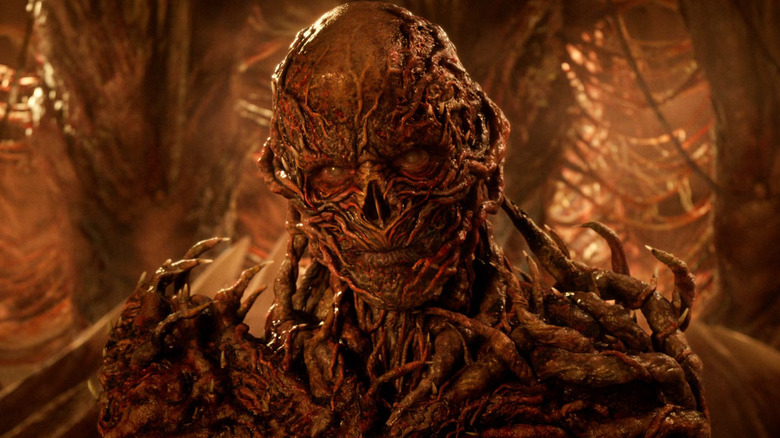
8. Henry Creel / Vecna (Stranger Things — Netflix)
Jamie Campbell Bower’s arrival in Stranger Things Season 4 injected much-needed existential dread into the Netflix megahit. Combining practical creature effects with a deeply personal psychological assault, Vecna’s systematic targeting of Hawkins’ vulnerable youth—most notably immortalized in the iconic "Dear Billy" sequence—solidified him as the definitive horror television villain of the decade.
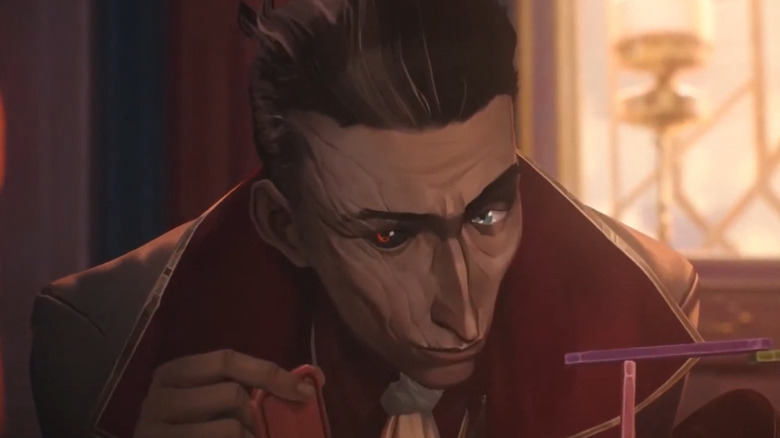
7. Silco (Arcane — Netflix)
Arcane revitalized video game adaptations largely due to its rich, morally gray character writing. Jason Spisak’s Silco is a masterclass in sympathetic villainy. Driven by a lifetime of oppression in the Undercity, his revolutionary zeal is matched only by his profound, unconditional love for his adopted daughter, Jinx (Ella Purnell). His tragic end remains one of the most emotionally resonant demises in recent animation history.
6. Joe Goldberg (You — Netflix)
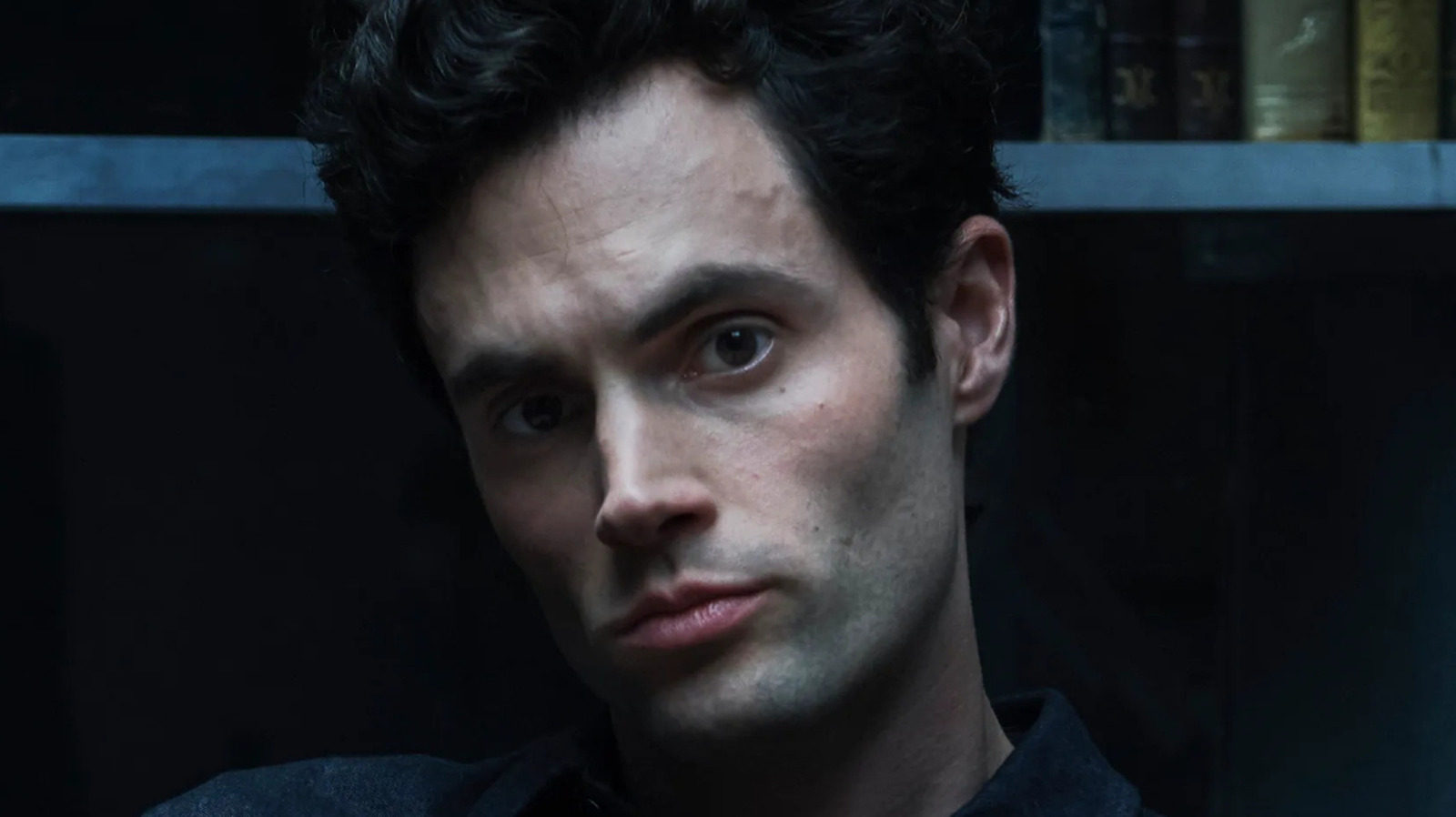
Penn Badgley’s portrayal of the literate, murderous stalker Joe Goldberg has spent years deconstructing the modern antihero archetype. Over multiple seasons—peaking with his toxic romance with Love Quinn (Victoria Pedretti) and concluding with a brilliant metafictional takedown in the final season—You systematically peeled away Joe’s charming narrator facade to expose a hollow, unrelenting serial killer.
5. Larry Hall (Black Bird — Apple TV+)
Paul Walter Hauser delivered an astonishing, terrifying performance as real-life suspected serial killer Larry Hall in Apple TV’s harrowing miniseries. Hauser completely transforms, adopting a timid posture and a melodic, detached vocal cadence. Watching Taron Egerton’s undercover protagonist extract casual confessions of horrific crimes makes Hauser’s performance the definitive true-crime television acting masterclass of the decade.
4. Dedra Meero (Andor — Disney+)
In a franchise defined by operatic space wizards and ancient dark lords, Denise Gough’s Dedra Meero introduced a chillingly modern flavor of villainy to Star Wars. As an ambitious Imperial Security Bureau officer, Dedra’s banality and methodical cruelty—culminating in the calculated, false-flag atrocities of the Ghorman Massacre—turn systemic fascism into a deeply personal, bureaucratic nightmare.
3. Logan Roy (Succession — HBO)
Brian Cox’s patriarch Logan Roy dominated prestige television across the late 2010s and early 2020s. Wielding affection and financial ruin with Shakespearean ruthlessness, Logan played his children against one another like instruments. Crucially, his shockingly early exit in Season 4 proved that a true titan of villainy can cast a poisonous, inescapable shadow long after they have left the room.
2. Lalo Salamanca (Better Call Saul — AMC)
Transformed from a throwaway line in Breaking Bad into an absolute force of nature, Tony Dalton’s Lalo Salamanca injected Better Call Saul with apex-predator terror. Impossibly charming, endlessly resourceful, and completely devoid of traditional morality, Lalo’s presence shattered the calm of Albuquerque’s criminal underworld, ultimately serving as the catalyst for the tragic downfall of characters like Howard Hamlin.
1. Homelander (The Boys — Prime Video)
Taking the crown as the definitive television villain of the 2020s is Antony Starr’s Homelander. Blending razor-sharp political satire with a terrifying psychological portrait of a godchild starved of genuine affection, Starr created a cultural icon of entitlement and fragility. Equal parts pathetic and terrifying, Homelander’s ongoing quest to dominate a world that he views beneath him has defined the pop-cultural conversation of the decade.
Supporting Data & Cultural Impact
The cultural shift toward unrepentant villains is supported by streaming analytics and critical reception across platforms like Netflix, HBO, Apple TV+, and Prime Video. According to audience engagement metrics, series featuring complex, dark antagonists—such as The Boys, Succession, and Squid Game—routinely outperform traditional hero-centric narratives in long-tail viewership retention. Industry analysts point to societal fatigue with institutional stability and traditional superhero archetypes as primary drivers for the popularity of "Evil Supermen" and corporate despots.
Official Responses and Creator Insights
Showrunners and actors have frequently spoken about the deliberate narrative choice to strip away sympathetic justifications for these characters:
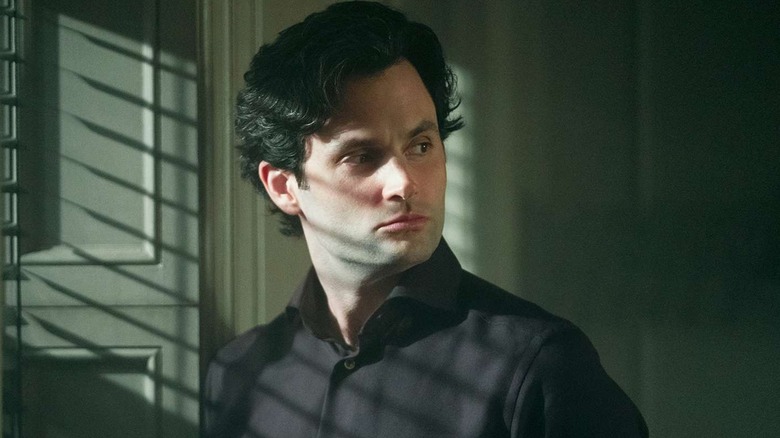
- Penn Badgley (You) emphasized the necessity of breaking the antihero illusion, noting in interviews that the creative team deliberately constructed the final seasons to ensure audiences could no longer romanticize Joe Goldberg’s actions.
- Antony Starr (The Boys) has frequently highlighted the complex duality of playing Homelander, balancing the character’s terrifying omnipotence with a desperate, pathetic need for external validation.
- Brian Cox (Succession) defended Logan Roy’s harsh parenting and business tactics by framing him as a product of genuine generational survival, though acknowledging the catastrophic psychological wreckage left in his wake.
Implications for the Future of Television
The overwhelming cultural resonance of villains like Homelander, Lalo Salamanca, and Logan Roy signals a permanent evolution in prestige television writing. As viewers grow increasingly comfortable consuming narratives devoid of moral safety nets, future television is likely to dive even deeper into psychological horror, institutional corruption, and unmasked narcissism. The era of the redeemable antihero has effectively closed; in its place, the reign of true, unapologetic television villainy has firmly established its legacy for the 2020s and beyond.
