
Beyond the Meme: How The Sixty-Year Mission Seeks to Reclaim the Soul of Star Trek

For six decades, Star Trek has cast an unparalleled shadow over the landscape of science fiction. It is a franchise that has survived cancellations, reboots, and the inevitable cycle of pop-culture commodification. Yet, for all its talk of "Infinite Diversity in Infinite Combinations," the public perception of the Star Trek fandom has often been reduced to a singular, somewhat reductive image: the obsessive, basement-dwelling stereotype immortalized by William Shatner’s legendary 1986 Saturday Night Live sketch, "Get A Life."
In his sweeping new documentary, The Sixty-Year Mission: How Star Trek Changed Television and the World, director Mark Altman attempts to dismantle these tropes. Clocking in at 134 minutes, the film is an ambitious, exhaustive, and deeply personal attempt to pivot the conversation away from the "nerd" caricature and back toward the franchise’s core philosophical tenets: optimism, scientific curiosity, and a steadfast commitment to social justice.
The Weight of a Legacy: The Challenge of the Original Series
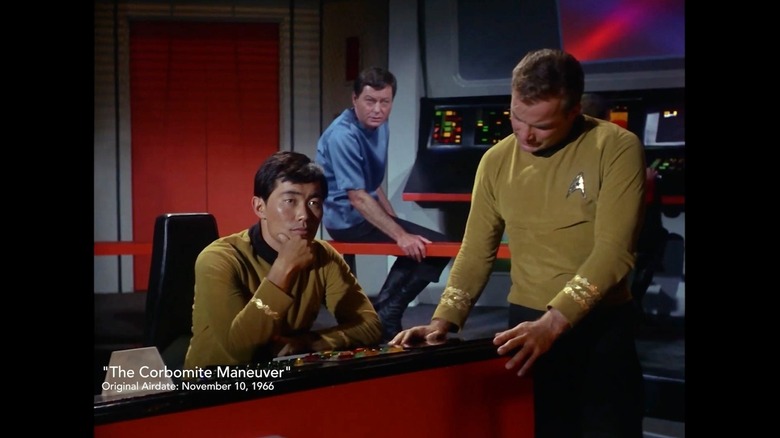
To understand the gravity of The Sixty-Year Mission, one must first acknowledge the immense burden of the franchise’s history. For generations, the holy trinity of Captain James T. Kirk (William Shatner), Spock (Leonard Nimoy), and Dr. Leonard "Bones" McCoy (DeForest Kelley) defined what Star Trek was. It wasn’t until the 1987 debut of The Next Generation that the cultural gatekeepers of the fandom finally accepted that the universe was larger than one bridge crew.
However, as the franchise expanded into dozens of films, spinoff series, and an ocean of internet memes, the original message risked dilution. Altman’s documentary arrives at a pivotal moment—the 60th anniversary of the property—to act as a corrective lens. By weaving together rare, intimate interviews with the surviving cast members of the Original Series, Altman aims to remind viewers that Star Trek is not merely an "artifice of pop culture," but a cultural touchstone that has shaped modern ethics.

Chronology: From the Final Frontier to the Global Stage
The documentary serves as a comprehensive, albeit selective, history of the franchise. It moves chronologically, though it is less concerned with the "behind-the-scenes" trivia that often plagues fan-focused retrospectives and more focused on the why of the series.
- The Genesis: The film explores the mid-1960s, a time when Gene Roddenberry’s vision of a utopian future was considered a radical gamble. It examines the socio-political climate that allowed for a multi-ethnic, multi-species crew to exist on network television during the height of the Cold War and the Civil Rights movement.
- The Survival Years: It covers the post-cancellation era, where fan letters saved the show, arguably inventing the modern concept of "fandom" as an activist force.
- The Cinematic Era: The documentary bridges the gap between the small-screen origins and the multi-billion dollar film franchise, setting the stage for a planned sequel that will dive deep into the chaotic, high-stakes production of Star Trek: The Motion Picture and the legendary status of The Wrath of Khan.
Beyond the Screen: George Takei and the Power of Personal Narrative
Perhaps the most powerful segment of The Sixty-Year Mission involves George Takei. While many fans remember Takei for his portrayal of Hikaru Sulu, the documentary shifts the tone sharply when Takei recounts his childhood in a United States internment camp for Japanese citizens during World War II.
This segment is not just a biography; it is a vital, sobering reminder of Star Trek’s function as a cautionary tale. As Altman notes, the experience of having one’s citizenship questioned based on ancestry is a central, recurring theme in the franchise’s narrative. "It’s a cautionary tale about the future: Who’s ‘American’ and who’s not," Altman explains. By anchoring these massive space-faring adventures in the grounded, traumatic realities of its cast, the film effectively strips away the "silly sci-fi" veneer that critics often apply to the show, replacing it with a humanistic weight.
Official Perspective: The Director’s Vision
During an exclusive interview at New York Comic Con, Altman was candid about his motivations. When asked what he hoped to add to the already crowded field of Trek analysis, his answer was rooted in reclaiming the narrative from the "Get A Life" shadow.

"I think, for better or worse, the brilliant Saturday Night Live skit ‘Get A Life’ that Shatner did… has defined what Star Trek fans are to a generation," Altman told me. "And I think I was trying to recapture the conversation and say Star Trek is more than ‘Get a Life.’ Star Trek is about celebrating these values of hope and optimism and embracing science and demonizing xenophobia and all these things that Star Trek gave us."
Altman is careful to emphasize that his film is not a "competitor" to other documentaries like Denise Crosby’s Trekkies. He views the ecosystem of Trek content through the lens of the show’s own philosophy: infinite diversity. "We are telling the story in a way that no one else has done it… It’s not a horse race. That’s a great documentary telling that story; ours is telling a very different story."
Implications: Why This Documentary Matters Now
The implications of The Sixty-Year Mission are far-reaching. In an era of extreme political polarization, where science is frequently treated as a matter of opinion rather than objective fact, the documentary’s insistence on "the Star Trek values" feels less like nostalgia and more like a manifesto.
- Reclaiming the Fanbase: By focusing on the intellectual and moral contributions of the show, the documentary invites a new, more casual audience to appreciate the franchise not as a niche hobby, but as a framework for better living.
- Archival Preservation: By capturing these stories from the remaining Original Series cast members, Altman has created a primary source document that will become essential as the pioneers of the franchise pass into history.
- The Sequel Promise: The tease of a second film focused on the filmography—particularly the production hell of the late 70s—suggests that Altman is committed to a multi-part exploration of the franchise that mirrors the complexity of its subject matter.
Conclusion: A Living, Breathing Legacy
As the credits roll on the 134-minute runtime, it becomes clear that The Sixty-Year Mission is not intended to be the final word on Star Trek. It is, instead, a continuation of the dialogue. It serves as a bridge between the show’s humble, experimental beginnings and its current status as a global monolith.
For the veteran fan, the documentary provides the rare, humanizing look at the people behind the iconic characters. For the casual viewer, it offers an entry point into why this series has survived for sixty years. Most importantly, for the culture at large, it challenges the reductive memes that have dogged the fandom for decades. Star Trek was never just about rubber masks and phasers; it was about the audacity to believe in a better, more unified future. Mark Altman’s documentary succeeds because it dares to treat that belief with the seriousness it deserves.
The Sixty-Year Mission: How Star Trek Changed Television and the World is currently playing exclusively in Regal theaters. As the franchise marches toward its seventh decade, it is clear that the final frontier remains a place of endless discovery.
