
The "Brenaissance" Continues: Why 1999’s The Mummy is Dominating Streaming Charts Ahead of Anticipated Sequel
By Shrishty Mishra | Updated October 6, 2026
Main Facts: A Timeless Classic Rises Again
More than two decades after its initial theatrical run, Stephen Sommers’ 1999 action-adventure masterpiece The Mummy continues to defy the sands of time. The film has officially resurfaced on Netflix’s global top 10 streaming charts, according to recent data from FlixPatrol.
This unexpected streaming resurgence places the iconic blockbuster in elite company, standing shoulder-to-shoulder with contemporary prestige films and thrillers. These include Russell Crowe’s Unabomber, Denzel Washington’s action-packed The Equalizer 3, Demi Moore’s body-horror sensation The Substance, and Robert De Niro’s suspenseful The Whisper Man.
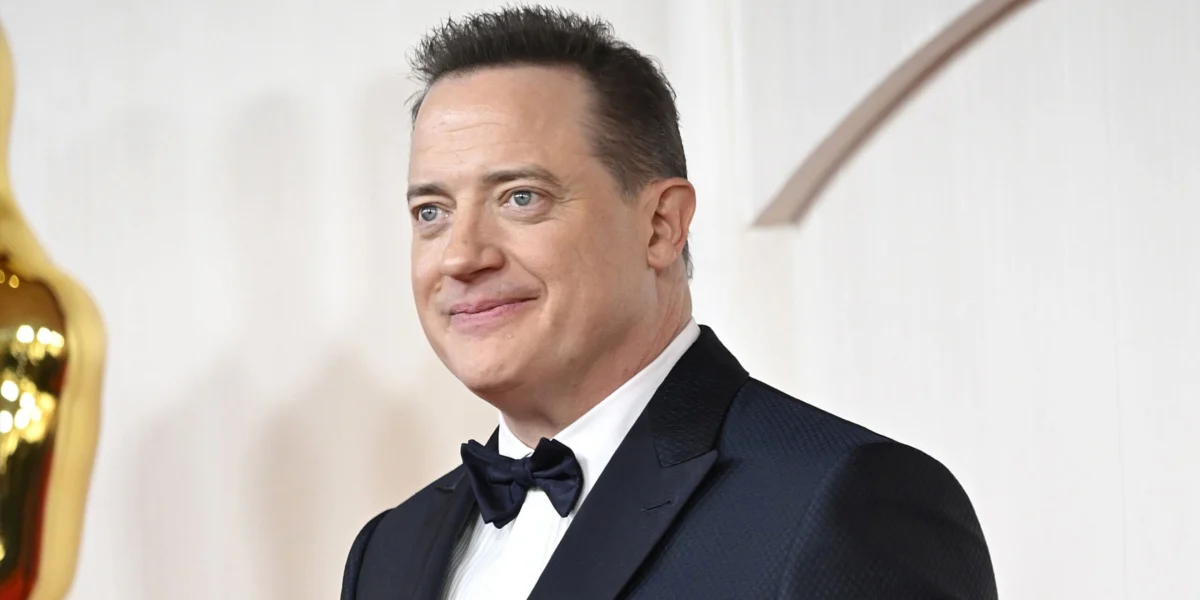
For millions of viewers worldwide, diving back into the treacherous, treasure-laden ruins of Hamunaptra is more than just a nostalgic trip down memory lane—it is a timely celebration of the ongoing cultural phenomenon known as the "Brenaissance." Lead actor Brendan Fraser, whose career has experienced a monumental revitalization, remains a beloved fixture of modern pop culture, drawing fresh eyes to the cinematic milestones that originally cemented his status as an international movie star.
Chronology: From 1999 Box Office Smash to the Modern "Brenaissance"
The Birth of a Franchise (1999)
Released in the summer of 1999, The Mummy was an instant commercial success that carved out a unique space in cinematic history. Blending elements of swashbuckling adventure, supernatural horror, romantic comedy, and sweeping epic scale, the film introduced audiences to a vibrant world unlike anything else on the big screen at the time.
The narrative followed the roguish adventurer Rick O’Connell (Brendan Fraser), the brilliant, clumsy librarian Evelyn Carnahan (Rachel Weisz), and her opportunistic pickpocket brother Jonathan (John Hannah). Together, their reckless archaeological expedition at the ancient, cursed city of Hamunaptra accidentally awakens Imhotep (Arnold Vosloo), a high priest suffering from a gruesome, centuries-old damnation.
Expanding the Mythos and Missteps (2001–2008)
The massive success of the original film—grossing over $418 million worldwide—paved the way for 2001’s The Mummy Returns. This sequel successfully raised the stakes by having Rick and Evelyn’s young son, Alex, targeted by a resurrected Imhotep. Notably, the sequel also served as the feature film acting debut for Dwayne "The Rock" Johnson as the menacing Scorpion King.
However, the franchise stumbled when it attempted to pivot away from its Egyptian roots. The 2008 threequel, The Mummy: Tomb of the Dragon Emperor, shifted the setting to ancient China. Despite bringing back Fraser and John Hannah (with Maria Bello replacing Rachel Weisz as Evelyn), the film failed to capture the magic of its predecessors, leading fans and critics to largely discard the entry.
The Fall and the "Brenaissance" (2010s–Present)
Following a challenging period in his personal life and career during the 2010s, Brendan Fraser stepped away from major Hollywood blockbusters. However, a massive groundswell of fan appreciation eventually sparked what the internet fondly dubbed the "Brenaissance."
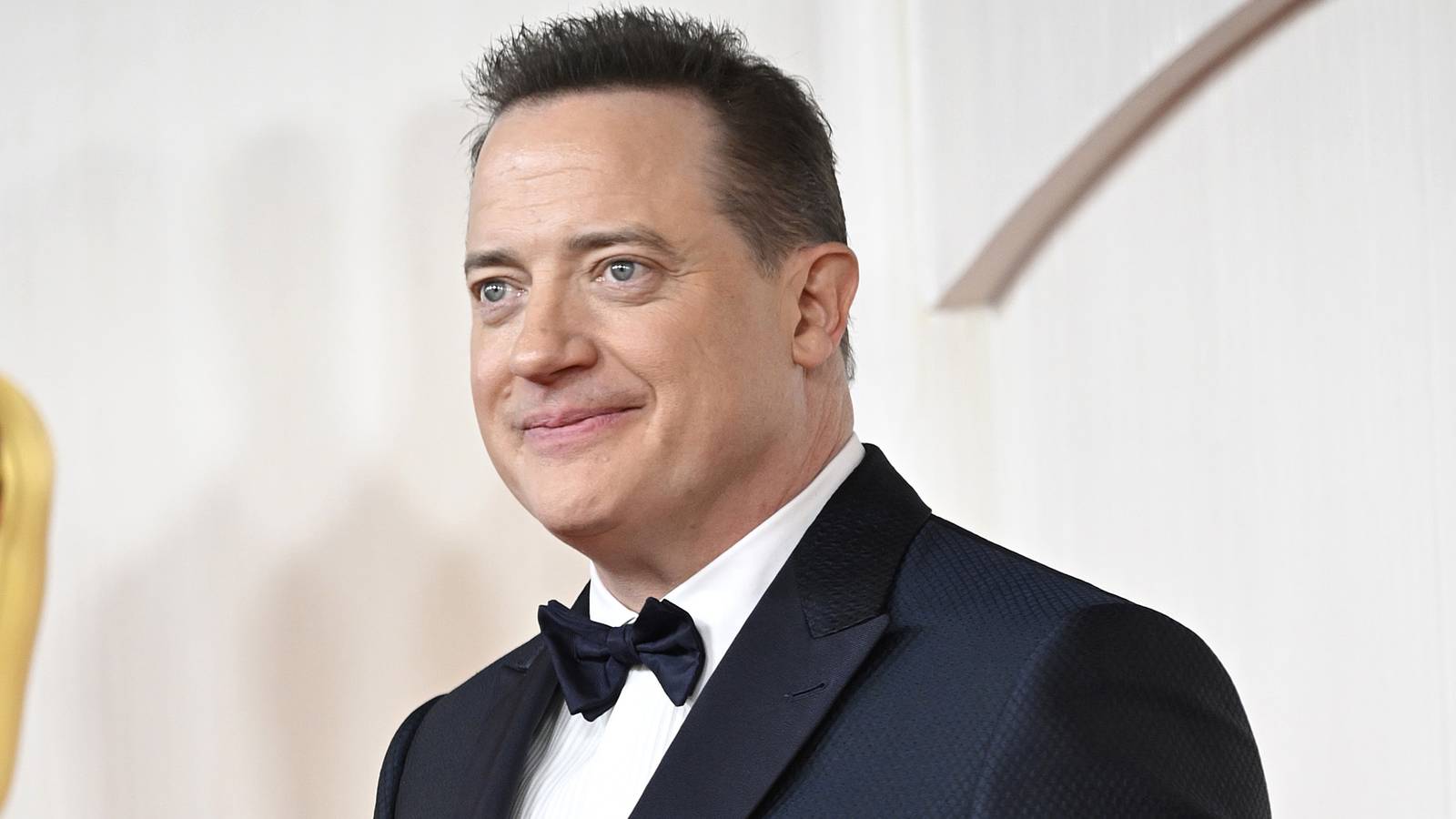
This career revival reached its zenith when Fraser collaborated with acclaimed director Darren Aronofsky on The Whale (2022). His searing, emotionally resonant performance earned him widespread critical acclaim and the Academy Award for Best Actor. Rather than resting on his laurels, Fraser leveraged his post-Oscar momentum to curate a dynamic, respected veteran filmography. He delivered a bombastic, corrupt turn as a defense lawyer in Martin Scorsese’s Oscar-winning epic Killers of the Flower Moon, showcased his comedic timing in Brothers, and starred in the tense, historical D-Day ticking-clock thriller Pressure.
Supporting Data: Box Office, Ratings, and Streaming Metrics
The Mummy has always possessed strong underlying metrics, proving that its enduring appeal is backed by both commercial performance and fan loyalty:
- Global Box Office: Grossed an impressive $418 million worldwide during its theatrical run in 1999.
- Critical & Audience Reception: Holds a 62% Tomatometer approval rating on Rotten Tomatoes, accompanied by a much higher 75% audience score, demonstrating its lasting connection with everyday viewers.
- Streaming Dominance: Currently ranking among Netflix’s global top 10 alongside major contemporary titles like The Equalizer 3 and The Substance, proving that library titles with strong character chemistry can continually outpace newer, algorithm-driven content.
- Star-Studded Ensemble: Features an unforgettable supporting lineup including Kevin J. O’Connor (Beni Gabor), Jonathan Hyde (Dr. Allen Chamberlain), Oded Fehr (Ardeth Bay), Erick Avari, Stephen Dunham, Corey Johnson, and Tuc Watkins.
Official Responses and Industry Context: The Horizon of The Mummy 4
The resurgence of the 1999 classic on streaming platforms is not happening in a vacuum. Rumors, whispers, and tentative developments surrounding a potential fourth installment in the franchise—provisionally tracked by fans as The Mummy 4—have whipped the nostalgic community into a frenzy.
While details regarding the plot and official greenlights remain closely guarded secrets, industry insiders note that studios are increasingly eager to tap into proven intellectual properties backed by bankable, beloved talent. With Fraser currently experiencing a career renaissance and public appetite for legacy sequels at an all-time high, the stars appear to be aligning for Rick O’Connell’s return.
Although official studio responses regarding The Mummy 4 have remained measured, the sheer volume of online engagement and Netflix streaming numbers send a clear, unmistakable message to Hollywood executives: audiences are more than ready to step back into the desert sands.
Implications: Why We Crave Cinematic Comfort Food
The sudden dominance of The Mummy on modern streaming charts highlights a profound shift in consumer behavior. In an era saturated with grim, hyper-serialized television universes and CGI-heavy blockbusters that demand intense emotional investment, audiences are increasingly seeking out cinematic "comfort food."
The Mummy represents a golden era of Hollywood filmmaking—a time when blockbusters prioritized tangible chemistry, practical effects, witty banter, and unpretentious fun over complex cinematic universes. The film’s success proves that great characters and timeless pacing will always triumph over fleeting trends.
As fans binge the original adventure on Netflix while keeping their fingers crossed for The Mummy 4, Brendan Fraser’s extraordinary career arc serves as a poignant reminder that true star power, much like the immortal Imhotep, can never truly be buried. Stay tuned to Collider for more updates on Brendan Fraser’s upcoming projects and the potential continuation of The Mummy franchise.
