
The Auteur Enters the Arena: Quentin Tarantino Heads to the West End
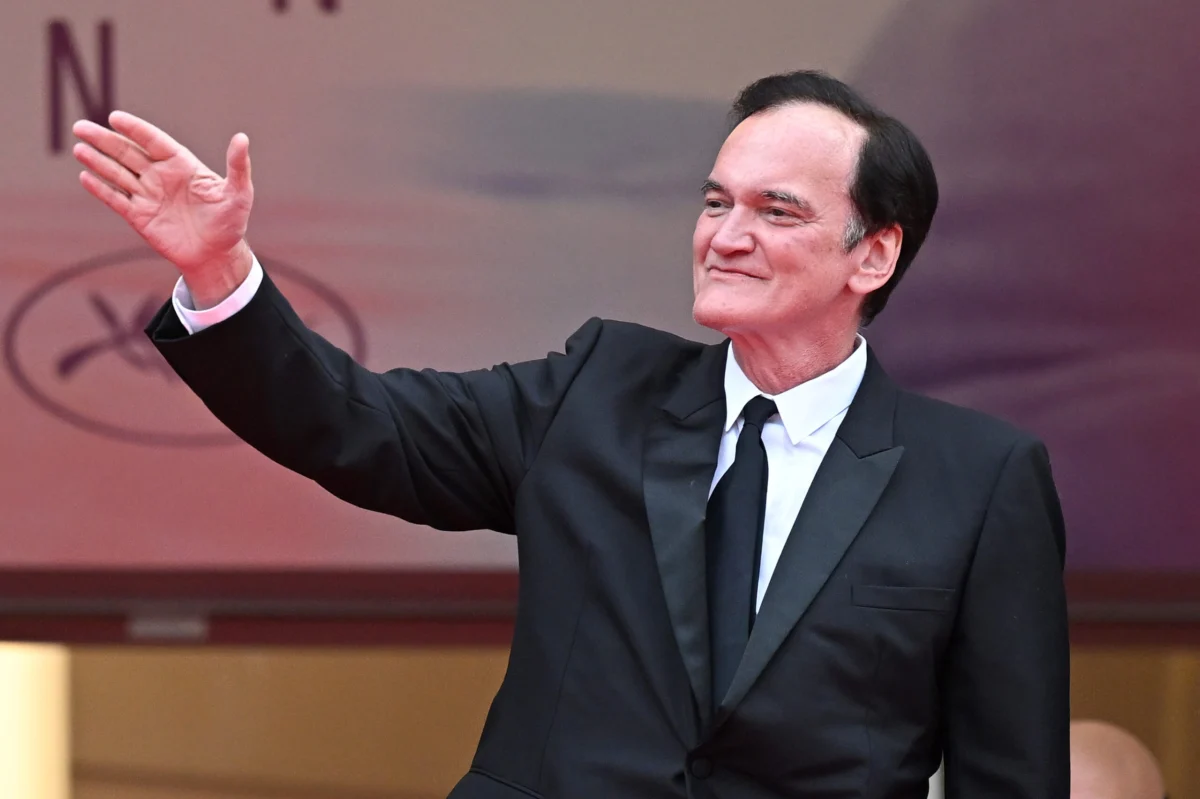
The Unlikely Marriage of Cinematic Grit and Theatrical Grandeur
Shakespeare. Ibsen. O’Neill. Tarantino?
For over a century, London’s West End has served as the ultimate proving ground for the world’s most formidable playwrights. It is a hallowed space of velvet curtains, historic architecture, and a notoriously discerning audience. Now, the district prepares to welcome an unlikely titan: Quentin Tarantino. The director who defined the 1990s with the neon-soaked dialogue of Pulp Fiction and reshaped the historical epic with Inglourious Basterds is stepping away from the silver screen to bring his singular brand of pop-culture obsession, non-linear narrative, and stylized mayhem to the London stage.
The project, titled The Popinjay Cavalier, is billed as a "rambunctious comedy of deception and disguise." According to early production notes, the play draws heavy inspiration from the grand swashbuckling epics of the golden age of cinema, filtered through the hyper-violent and self-referential lens that has become the Tarantino trademark. With Sacha Baron Cohen—the chameleon-like satirist behind Borat and Brüno—tapped to headline the production, the West End is bracing for an event that promises to be as irreverent as it is ambitious. Previews are scheduled to begin on February 23, with the official opening night set for March 18.
A Chronology of the Auteur’s Stage Aspirations
To understand the weight of this announcement, one must look at the historical trajectory of Tarantino’s career and his long-simmering relationship with the theater.
- The Early Years (1990s): While Tarantino’s rise to prominence was firmly rooted in independent film, he maintained a fascination with the claustrophobic tension of stagecraft. His screenplays, famously dialogue-heavy, were often described by critics as "theatrical in their stillness."
- The 2003 Stumble: Tarantino’s previous interaction with the stage is often cited as a cautionary tale. In 2003, he starred in an ill-fated revival of Frederick Knott’s Wait Until Dark on Broadway. The production was panned by critics, serving as a reminder that the transition from camera lens to proscenium arch is fraught with danger.
- The Cinematic Zenith (2010s–2024): Following a string of massive successes, including Django Unchained and Once Upon a Time in Hollywood, rumors began to swirl that Tarantino was looking for new creative outlets.
- The Pivot (2026): With the announcement of The Popinjay Cavalier, Tarantino has signaled a definitive shift. He has opted to step back from the director’s chair for the upcoming sequel to his 2019 hit, The Further Mis-Adventures of Cliff Booth, handing those reigns to David Fincher to focus entirely on his London debut.
The Production Landscape: A Heavyweight Collaboration
The scale of The Popinjay Cavalier is evidenced by its backing. The production is being steered by a high-powered alliance between Sony Pictures Entertainment—which shepherded the commercial and critical triumph of Once Upon a Time in Hollywood—and Sonia Friedman, arguably the most influential producer currently working in the West End.
Friedman’s involvement is a significant indicator of the production’s seriousness. Her track record, which includes the critically lauded, Tony-winning revival of Merrily We Roll Along and the recent sensation Stereophonic, suggests that this is not merely a "vanity project" for a famous director. It is a commercial and artistic endeavor designed to hold its own against the most prestigious plays in the city.

Official Responses and the "Virginity" of the Director
The reaction to the announcement has been electric, marked by the distinct personalities of the two leads. In a formal statement, a notably restrained Tarantino expressed his enthusiasm: "I’m keen with anticipation to give the West End a great night out."
Sacha Baron Cohen, however, offered a far more characteristic response. Speaking on the collaboration, the actor was both enthusiastic and intentionally provocative: "Quentin called, I said yes before he even got to say his first ‘motherf—er.’ When the best director in the world calls, you don’t ask questions. I am beyond delighted that we will be losing our West End virginity together, and I have made him promise not to be gentle."
The chemistry between the two—both known for their subversive, boundary-pushing styles—is expected to be the production’s primary draw. For Baron Cohen, the role offers a rare opportunity to return to the live performance roots of his early career, albeit within a highly structured, scripted environment.
Implications for the Future of Cinema and Theater
Tarantino’s move to the West End arrives at a crossroads in his career. He has famously and repeatedly promised that his next film will be his final cinematic outing. By choosing to dedicate his creative energy to the stage rather than his final film, Tarantino is sparking a debate about the "death" of the auteur in the current studio climate.
The Comparison to Historical Peers
If Tarantino finds success, he will join an elite, albeit small, fraternity of directors who have moved seamlessly between film and theater. Figures such as Elia Kazan and Mike Nichols managed to master both mediums, effectively blurring the lines between cinematic pacing and stage presence. However, the distinction remains: Kazan and Nichols were masters of directing existing scripts. Tarantino, by contrast, is a writer-director who rarely works with source material other than his own imagination.
The "Transfer" Potential
The theater world is already speculating about a Broadway transfer. If The Popinjay Cavalier captures the imagination of London’s critics and audiences, the pressure to bring the production to New York will be immense. For a director who has built his legacy on the "big screen experience," the potential for a long-running, hit Broadway play could serve as the perfect coda to a career defined by massive cultural impact.

The Impact on the "Final Film"
Perhaps most importantly, the London production necessitates a delay in the production of what is intended to be his final film. This delay has caused no small amount of anxiety among his fanbase, many of whom are wondering if the stage might eventually replace the screen entirely as his primary canvas.
Conclusion: A Gamble Worth Taking
Quentin Tarantino is no stranger to taking risks. From the low-budget gamble of Reservoir Dogs to the sprawling historical revisionism of his later years, he has consistently defied the expectations of the industry. Moving to the West End is arguably his most significant gamble to date.
The theater is a medium that demands a different kind of discipline—one that cannot be fixed in the editing suite or polished with a quick reshoot. It is raw, immediate, and unforgiving. Whether The Popinjay Cavalier becomes a legendary milestone in theatrical history or a footnote in the career of a film icon remains to be seen. But one thing is certain: for the first time in his career, Tarantino will be able to hear the audience’s reaction in real-time. Given his penchant for dialogue and high-stakes drama, that may be exactly the kind of feedback he has been looking for all along.
As the production gears up for its February preview, the eyes of both Hollywood and the West End are fixed on the marquee. The "Popinjay" is coming, and London is waiting to see if it sings.
