
Unearthing the Shadows of History: J.M. Harper’s ‘Soul Patrol’ Reclaims a Lost Chapter of the Vietnam War
By Alex Billington
October 7, 2026
The Vietnam War has been dissected, dramatized, and debated in cinema for half a century. From the visceral intensity of Platoon to the philosophical dread of Apocalypse Now, the conflict has occupied a central, if often singular, space in the American cultural consciousness. Yet, for all the thousands of hours of film dedicated to the jungles of Southeast Asia, a profound silence has persisted regarding the contributions and harrowing experiences of the first Black special operations teams.
With the release of the first teaser trailer for Soul Patrol, director J.M. Harper is poised to shatter that silence. Winner of the prestigious Best Director prize for U.S. Documentary at the 2026 Sundance Film Festival, Soul Patrol is not merely a war documentary; it is a haunting, surreal, and deeply intimate interrogation of memory, patriotism, and the lingering, jagged edges of unresolved trauma.
The Core Narrative: A Reckoning with the Past
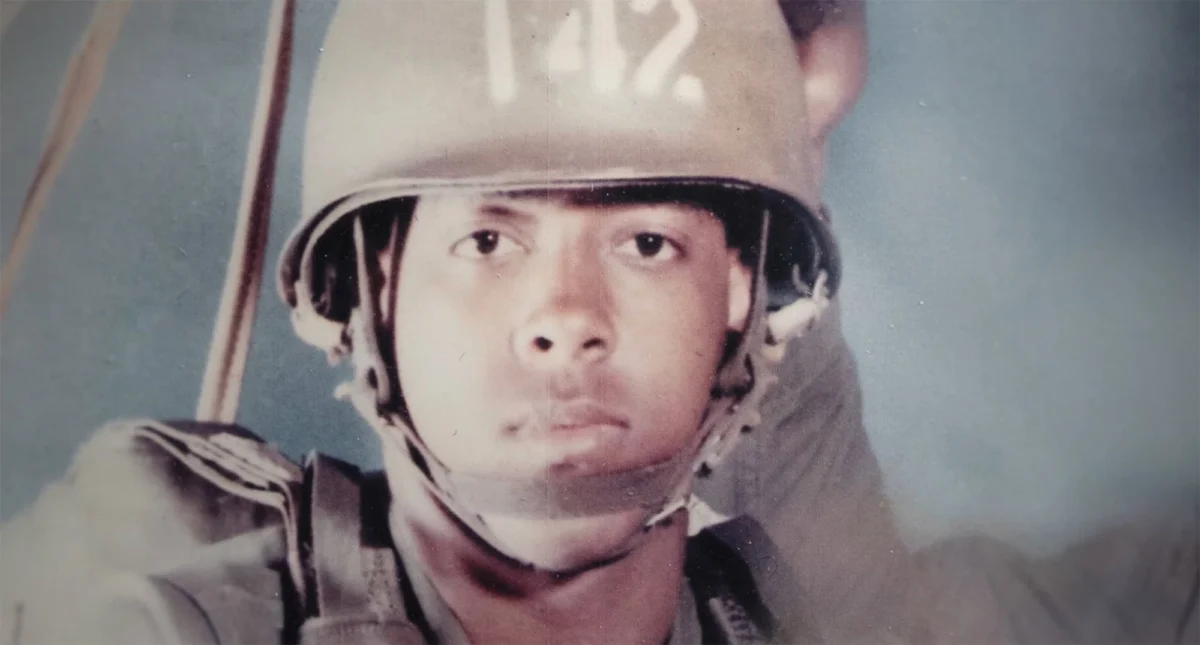
Soul Patrol centers on a singular, powerful premise: the reunion of the surviving members of the Vietnam War’s first Black special ops team. These were men who operated in the shadows, executing high-stakes missions deep behind enemy lines while navigating a military structure rife with the systemic inequalities of the era.
The film’s brilliance lies in its structure. Rather than relying solely on the standard "talking head" interview format, Harper places his subjects in a hotel that functions as a surreal, liminal space—a bridge between the life they live now and the ghosts they brought home from the battlefield. As the veterans gather, the hotel becomes a vessel for their shared history. The walls seem to thin as memories of the jungle bleed into the present day, creating an atmosphere where the past is not behind them, but standing right beside them.

As the Nietzschean quote that opens the trailer suggests—"This life, as you live it at present and have lived it, you must live it once more"—the film posits that for these men, the war never truly ended. It is an exploration of the enduring cost of service, particularly for those who fought for a country that often failed to grant them the very freedom they were tasked to export.
Chronology: From the Jungles to the Sundance Stage
The journey of Soul Patrol from concept to cinematic triumph has been marked by a meticulous commitment to historical accuracy and artistic integrity.
- Pre-Production and Research: Director J.M. Harper, known for his incisive work on As We Speak: Rap Music on Trial, spent years cultivating relationships with the surviving veterans. This trust allowed for unprecedented access to personal archives, including raw Super 8 footage, candid photographs, and private audio recordings that had never been shared with the public.
- January 2026 (Sundance Premiere): The film debuted at the 2026 Sundance Film Festival to widespread critical acclaim. Critics were quick to note that Harper had achieved a level of "immediacy" in his storytelling that is rarely seen in historical documentaries. The film’s win for Best Director cemented its status as a seminal piece of 2026 cinema.
- Spring/Summer 2026 (Festival Circuit): Throughout the year, Soul Patrol traveled to various festivals, gaining momentum as a "must-watch" project. Its inclusion in the DOC NYC lineup further solidified its reputation as an essential contribution to the American historical canon.
- November 6, 2026 (Theatrical Release): Kino Lorber, recognizing the cultural importance of the project, scheduled the theatrical release to coincide with the 50th anniversary of the war’s conclusion, providing a thematic bookend to the veterans’ experiences.
Supporting Data: The Anatomy of a Secret History
To understand the weight of Soul Patrol, one must understand the context of the soldiers it documents. Black soldiers in Vietnam faced a dual struggle: the physical danger of the front lines and the psychological weight of serving in a segregated or biased military structure.
The special ops unit highlighted in the film represents an elite, often-overlooked cohort. Operating under conditions of extreme secrecy, their contributions were frequently scrubbed from official military records or relegated to footnotes. Harper’s documentary fills these gaps by:
- Reconstructing the Archive: By utilizing Super 8 footage captured by the soldiers themselves, the film avoids the "sanitized" aesthetic of government-issued newsreels. We see the war through their eyes—the camaraderie, the fear, and the quiet moments of reflection.
- The Geography of Memory: The use of the hotel as a filming location is a masterstroke of documentary direction. It serves as a physical representation of PTSD—the idea that even in a place of safety, the mind remains trapped in a war zone.
- The Socio-Political Critique: The film does not shy away from the contradictions of the era. It explicitly examines the friction of fighting for American "freedom" abroad while the Civil Rights movement was reaching a boiling point back home.
Official Responses and Creative Vision
The production team behind Soul Patrol is a powerhouse of contemporary documentary filmmaking. Produced by Sam Bisbee, Danielle Massie, J.M. Harper, Peter Bittenbender, and notably, Nasir "Nas" Jones, the project carries a weight of cultural authority.

In interviews, J.M. Harper has described the filmmaking process as a collaborative act of "archaeology." He speaks of the need to "excavate" these stories before they are lost to time. For Harper, the film is an act of justice—a way to ensure that the names and experiences of these Black soldiers are written into the official history books.
Kino Lorber’s commitment to the film underscores its perceived value. By positioning Soul Patrol as a major theatrical release, the distributor is signaling that this is not a niche documentary, but a piece of essential American history that demands to be seen on the largest screen possible.
Implications: A New Standard for Historical Storytelling
The success and release of Soul Patrol signal a shift in how we approach historical documentaries. We are moving away from the purely academic, voice-of-god narration style toward something more experiential and subjective.
The Question of Trauma
The most profound implication of Soul Patrol is its focus on the "enduring cost of war." By showing the veterans as they are today—men who have lived full lives but remain inextricably linked to their youthful experiences in the jungle—the film forces the audience to confront the long-term reality of military service. It suggests that trauma is not a static event but a living, breathing component of the human experience.
The Correction of the Narrative
For decades, the narrative of the Vietnam War has been dominated by a specific cultural perspective. Soul Patrol serves as a necessary correction. By centering the experiences of Black special ops soldiers, the film forces a re-evaluation of the "hero" archetype in American history. It asks: Who is remembered? Whose sacrifice is honored? And what happens when those who were asked to die for their country are ignored by the very history they helped shape?

A Legacy for Future Generations
As we approach the 50th anniversary of the Vietnam War, the pool of living veterans is shrinking. Soul Patrol acts as a vital bridge for future generations, ensuring that the nuanced, messy, and often painful truth of the conflict is preserved. It provides a blueprint for future filmmakers on how to treat historical subjects with the dignity and complexity they deserve.
Conclusion: A Cinematic Milestone
Soul Patrol is a rare achievement. It is a documentary that is as aesthetically daring as it is historically vital. Through the lens of J.M. Harper, we are invited not just to observe history, but to sit with it, to feel it, and to reckon with the contradictions that define the American experience.
Whether you are a student of military history, a cinephile interested in the evolution of the documentary form, or simply a viewer looking for a profound human story, Soul Patrol is an essential experience. As the film prepares to hit theaters on November 6th, 2026, it carries with it the ghosts of the past and the hope for a more honest, inclusive future.
The patrol is coming home—and for the first time, the world is finally ready to listen.
For more information on the film, visit the official Kino Lorber Soul Patrol page. The film opens in select theaters nationwide on November 6th.
