
The Box Office Paradox: ‘The Social Reckoning’ Struggles as ‘Resident Evil’ Defies Gravity
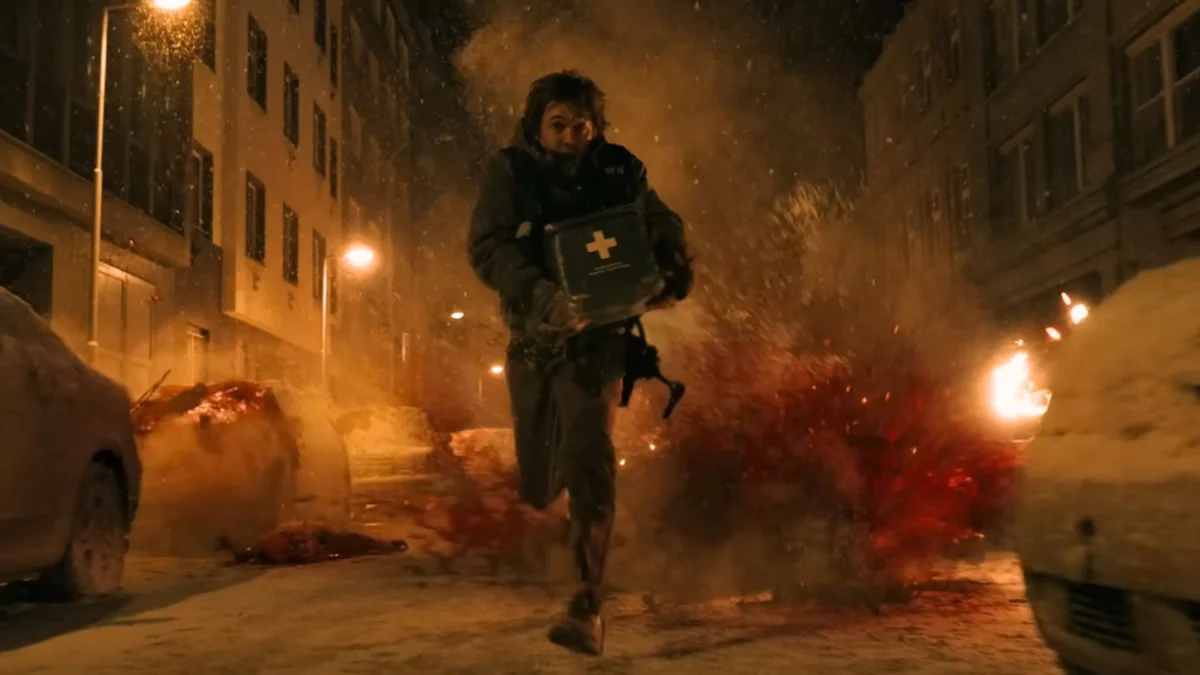
In the volatile landscape of 2026 cinema, a striking juxtaposition has emerged at the domestic box office that has industry analysts scrambling to reassess the viability of the "prestige drama" versus the "horror phenomenon." Sony Pictures, which finds itself at the center of this narrative, is currently navigating a tale of two films: the highly anticipated, star-studded spiritual successor to a modern classic, The Social Reckoning, and the persistent, terrifying juggernaut that is Zach Cregger’s Resident Evil.
As the dust settles on a sobering opening weekend for Aaron Sorkin’s latest directorial effort, the industry is left to grapple with a harsh reality: in an era of franchise fatigue and short-form digital consumption, even the most prestigious intellectual properties are no longer guaranteed a captive audience.
The Weight of Expectation: A Legacy Reimagined
To understand the current failure of The Social Reckoning, one must first acknowledge the gargantuan shadow cast by its predecessor. David Fincher’s 2010 masterpiece, The Social Network, was a lightning-in-a-bottle moment for cinema. It captured the zeitgeist of the burgeoning digital age, turning the founding of a social media platform into a Shakespearean drama of betrayal, ambition, and greed. For many critics and film historians, the idea of a follow-up was always viewed with extreme skepticism.
Aaron Sorkin, the Academy Award-winning screenwriter who penned the original, stepped into the director’s chair for this installment, opting for a narrative shift. Moving away from the origin story, The Social Reckoning shifts the focus toward the modern era of the platform, centering on the whistleblower saga of Frances Haugen. With Jeremy Strong stepping into the role of Mark Zuckerberg and Mikey Madison portraying Haugen, the film promised a sophisticated look at the internal rot of a tech giant. Despite respectable reviews following its premiere at the New York Film Festival, the film failed to translate critical curiosity into ticket sales.
A Timeline of Disillusionment
The path to this weekend’s box office figures was not paved overnight. The journey of The Social Reckoning has been marked by a series of strategic pivots:
- 2024–2025: Development and Casting: After years of rumors, Sony greenlit the project with Sorkin attached as director. The casting of Jeremy Strong was met with both excitement and trepidation, as audiences struggled to reconcile his intense, character-actor style with the established, neurotic portrayal previously delivered by Jesse Eisenberg.
- Summer 2026: The Marketing Push: Sony positioned the film as a serious contender for the upcoming awards season. By emphasizing the "whistleblower" aspect, they hoped to attract an older, politically conscious demographic.
- September 2026: Premiere and Initial Buzz: The New York Film Festival premiere garnered "respectable" reviews. While critics praised the technical execution and the performances, the "rapturous" reception required to turn a drama into a blockbuster was noticeably absent.
- October 2026: The Opening Weekend Stumble: On its opening Friday, the film limped to a $2.1 million gross, a figure that industry insiders describe as "alarmingly low" given the film’s production budget and the pedigree of its director.
The Horror Phenomenon: Why ‘Resident Evil’ Remains King
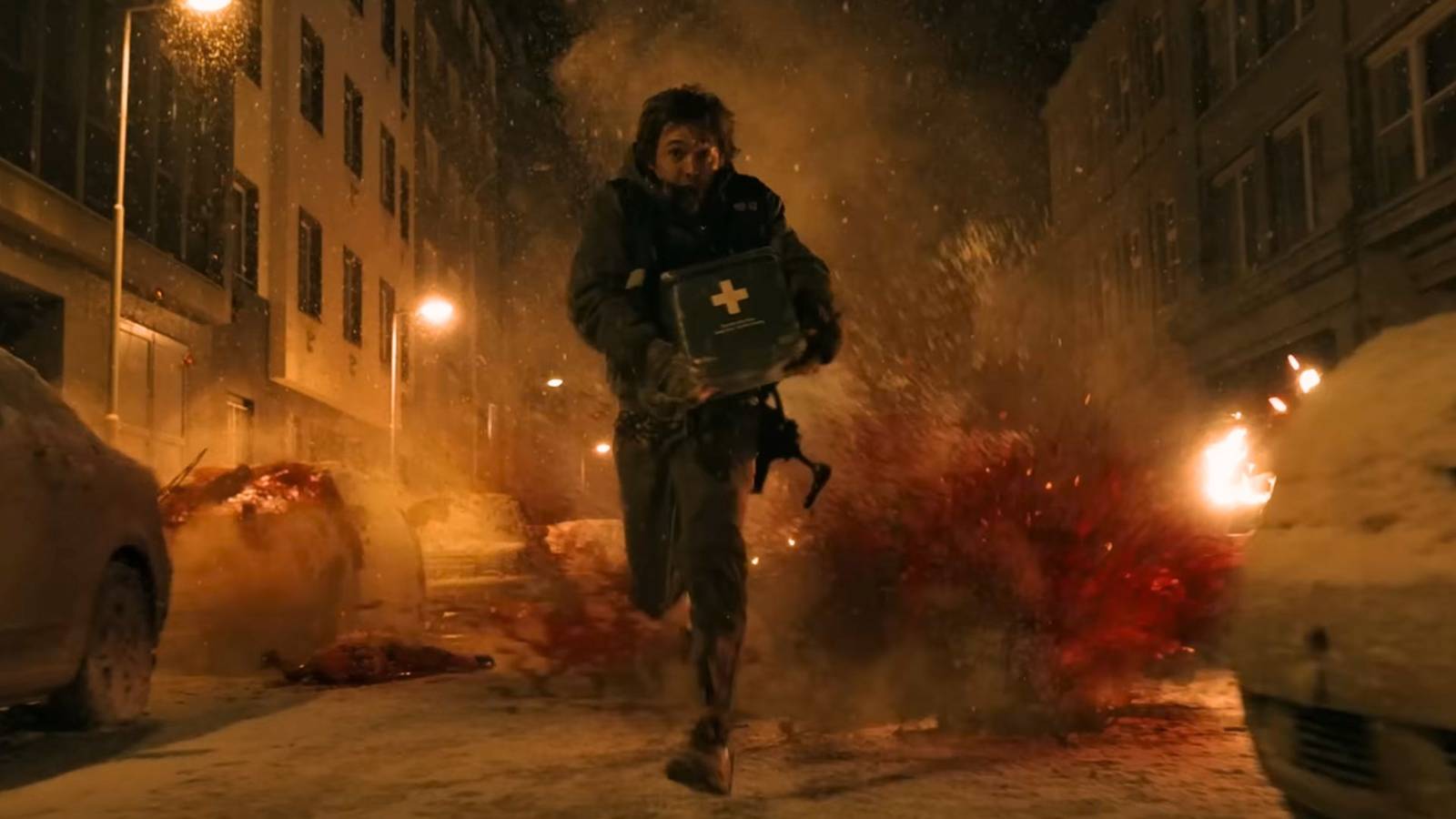
While The Social Reckoning struggled to find its footing, Zach Cregger’s Resident Evil continued its unlikely reign. Now in its fourth week of release, the horror reboot managed to outgross the new release, pulling in $2.3 million on the same Friday.
Cregger, coming off the massive success of Barbarian and Weapons, has proven to be a master of organic growth. His Resident Evil adaptation is not relying on massive studio marketing spend; it is thriving on the "watercooler effect." Audiences are returning to theaters for repeat viewings, and word-of-mouth has turned the film into a cultural touchstone of the autumn season.
The data suggests a shift in viewer behavior. While prestige dramas are often treated as "one-and-done" intellectual exercises, horror films have become the last bastion of true communal theatrical experiences. When a horror film hits the right note, it transcends genre to become an "event" that younger audiences—the demographic that still frequents cinemas most reliably—feel compelled to participate in.
Supporting Data: By the Numbers
The disparity between the two films is stark when viewed through the lens of performance metrics:
- The Opening Gap: The Social Reckoning earned $2.1 million on its debut Friday. In contrast, Resident Evil, in its fourth week, earned $2.3 million.
- Tracking Projections: The Social Reckoning is currently tracking toward a weekend total of under $7 million. For a film of this scale, such numbers are catastrophic, potentially leading to a significant loss for the studio.
- The "Social Network" Comparison: In 2010, the original Social Network opened to $22.5 million. Adjusted for inflation and the shifting landscape of theater-going, the new film is performing at roughly 25-30% of the original’s relative success.
- Audience Retention: Resident Evil is exhibiting "long legs," a term used to describe a film that loses very little of its audience from week to week. This indicates that the audience is not just watching the film; they are recommending it.
The Industry Response
While Sony has remained tight-lipped regarding specific financial losses, the silence from the studio is deafening. Insiders suggest that there is a growing concern regarding the "prestige drama" model. If a film by Aaron Sorkin, dealing with a subject as relevant as Big Tech, cannot find an audience, what will?
Critics have pointed to several potential factors. First is the "fatigue" factor. Since the 2021 Haugen disclosures, the public has been inundated with documentaries, podcasts, and news segments regarding the internal failures of social media companies. The story, in many ways, feels "told."
Furthermore, the "recasting" issue is a psychological hurdle. Unlike a superhero franchise where the suit or the mantle is passed down, recasting a real-life figure from a film that is still firmly embedded in the cultural memory creates a sense of "dissonance." Audiences aren’t just comparing the actor; they are comparing the performance to a legacy that many consider untouchable.
Implications for the Future of Filmmaking
The failure of The Social Reckoning and the continued success of Resident Evil present a sobering lesson for Hollywood. The industry is currently bifurcated: on one side, there is the "event" cinema—horror, massive spectacles, and IP-driven blockbusters. On the other, there is the "prestige" market, which is increasingly migrating toward streaming services.
If a project as high-profile as a Social Network sequel cannot survive in a theatrical environment, we are likely to see a further contraction of mid-budget dramas in multiplexes. Studios will become even more risk-averse, opting for established horror IPs or family-oriented spectacles, while dramas are relegated to the "prestige" categories of streamers like Netflix, Apple, or Amazon.
For the filmmaker, the implications are equally daunting. The ability to tell a "serious" story on the big screen is becoming a luxury. The audience has spoken: they want to be terrified, they want to be thrilled, and they want to feel part of a conversation that doesn’t feel like a lecture on the news they’ve already consumed.
As we look toward the remainder of the year, all eyes will be on how Sony handles the fallout. Will they pivot their marketing, or will they quietly move the film to a digital release earlier than planned? One thing is certain: the era of the guaranteed audience for adult-skewing dramas is effectively over. In 2026, the box office does not reward prestige—it rewards visceral, undeniable engagement. And for now, that belongs to the monsters, not the billionaires.
