
The 4K Resurrection: How a New Restoration of the Patterson-Gimlin Film Rekindles the Bigfoot Mystery
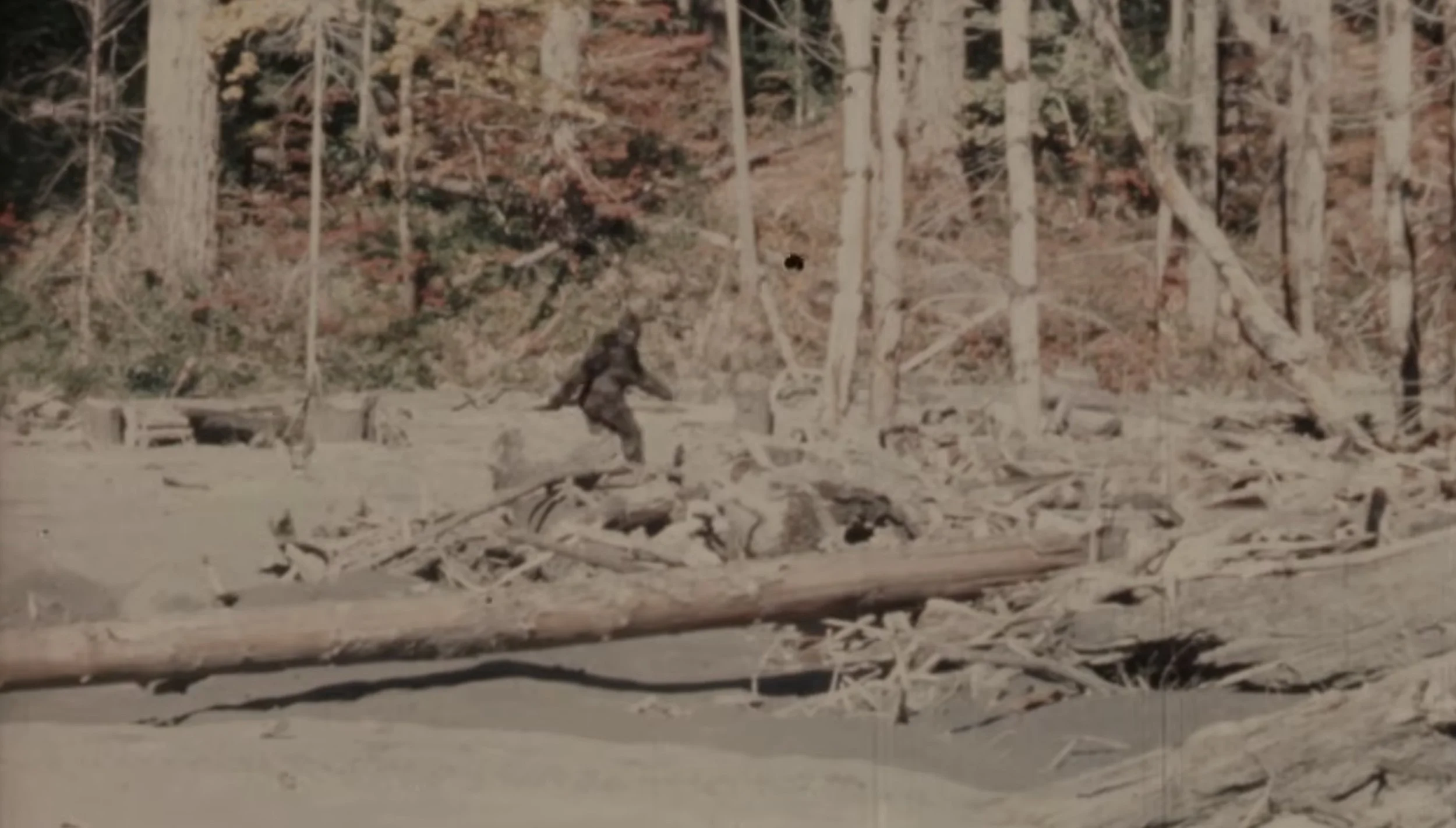
For nearly six decades, a grainy, jittery piece of 16mm celluloid has stood as the undisputed centerpiece of cryptozoology. Filmed on October 20, 1967, in the dense, fern-choked wilderness of Bluff Creek, California, the Patterson-Gimlin film—often referred to simply as "PGF"—is a cultural monolith. It features a hulking, hirsute figure striding with deliberate, powerful movements across a sun-dappled clearing before casting a lingering, almost sentient glance toward the camera.
Now, as the world approaches the 59th anniversary of that fateful encounter, the footage has undergone a technological metamorphosis. A museum-quality 4K restoration, scanned directly from the original master reel held in the Patterson family collection, has emerged. This new digital transfer promises to strip away the decades of generational copy degradation, offering the clearest look yet at the creature that has haunted the American imagination since the late 1960s.
The Chronology of an Icon
To understand the weight of this restoration, one must look back at the origins of the PGF. In the autumn of 1967, Roger Patterson and Bob Gimlin ventured into the Six Rivers National Forest of Northern California. Patterson, a rodeo enthusiast and amateur filmmaker, carried a Kodak K-100 16mm camera, while Gimlin provided support. According to their testimony, they rounded a bend in the creek bed and encountered a massive, bipedal creature.
What followed were 59.5 seconds of film that would ignite a firestorm of controversy. The footage shows the creature, dubbed "Patty," displaying biological characteristics—such as swinging arms, muscle tone beneath a pelt, and a sagittal crest—that many experts have spent years either attempting to authenticate or debunk.
Following the encounter, the film became an international sensation, circulating through news cycles and eventually becoming a staple of television documentaries and pop-culture staples like Unsolved Mysteries. For generations of children, the "Bigfoot walk" became a shorthand for the unexplained, an image that blurred the line between terrestrial biology and folklore.
Technical Evolution: From VHS to 4K
For years, the public’s perception of the PGF was filtered through the lens of inferior technology. Most viewers saw the footage via low-resolution VHS tapes, which were plagued by scan lines, color bleeding, and compression artifacts. These visual impairments often served to hide details that researchers desperately wanted to analyze, such as the skin texture, the mechanics of the footfall, and the facial features of the creature.
The new restoration, spearheaded by the team behind the upcoming documentary Capturing Bigfoot, changes this paradigm. By returning to the original 16mm source material, the technicians have achieved a level of clarity that effectively renders the previous versions obsolete. This is not merely a "sharpening" effect; it is a high-fidelity recovery of data that has been locked away in a safe for years.
"This is the cleanest and highest-quality version of the recording in existence," states the production team. By replacing the aging, degraded copies previously used for licensing, this restoration provides a baseline for a new era of forensic scrutiny. Skeptics and proponents alike now have a high-definition canvas upon which to project their theories.
The Human Element: Capturing Bigfoot
The release of the 4K footage serves as a precursor to the feature documentary Capturing Bigfoot, directed by Marq Evans. While the film addresses the technical mystery of the creature, its core mission is to humanize the figures at the center of the storm.
Evans, who has a long-standing personal connection to the story, views the project through the lens of history and legacy. His father grew up in circles where the Patterson-Gimlin encounter was a foundational narrative, making the mystery a kind of "strange inheritance" for the director.
"I always knew I would eventually make a Bigfoot documentary," Evans remarked. "Not because the creature itself held any mystique for me, but because the story had been circulating through my blood since childhood."
The documentary promises to explore the "untold story behind the world’s greatest mystery," featuring interviews with Patterson’s own son and others who were present during the aftermath of the filming. It frames the PGF not just as a piece of evidence for a missing species, but as a narrative of broken friendships, the crushing weight of public scrutiny, and the persistence of belief. The film suggests that the story of Bigfoot is, in many ways, the story of the people who refused to let the narrative die.
Scientific and Forensic Implications
The release of the 4K scan raises a significant question: will this finally provide a "smoking gun"?
From a forensic standpoint, the improved resolution allows for better frame-by-frame analysis of the creature’s gait. Biomechanical experts have long argued over the creature’s "compliance"—the way the knee bends and the foot lands. With higher clarity, researchers can better analyze the interaction between the feet and the uneven, rocky terrain of the creek bed.
However, the history of the PGF is marked by a refusal to be settled. Skeptics point to the possibility of a costume, noting the work of makeup artists and the limited special effects capabilities of 1967. Proponents counter by highlighting the "impossible" muscle movements visible in the film, arguing that no suit created in the 1960s could replicate the fluid, organic motion seen in the footage.
This new restoration will undoubtedly trigger a resurgence of interest in these technical debates. Online communities and dedicated researchers are already preparing to ingest the 4K data, applying modern digital tools to verify—or dismiss—the biological authenticity of the figure.
The Cultural Legacy: Why We Keep Looking
Why, after 59 years, does this footage continue to captivate us?
Part of the appeal lies in the inherent mystery of the wilderness. Despite the ubiquity of satellite mapping and modern surveillance, the idea that a large, sentient creature could remain hidden in the pockets of the American West remains a potent, romantic notion. The Patterson-Gimlin film taps into a primal human curiosity—the desire to believe that the world still holds secrets.
As we move toward the theatrical release of Capturing Bigfoot on October 20, 2026—exactly 59 years after the encounter—the film serves as a poignant reminder of how much the world has changed, and how little the mystery has shifted.
The documentary’s official synopsis hits on this sentiment: "Fifty-nine years later, a reel of 16mm film discovered in a safe changes everything." Whether that "change" results in a breakthrough in zoological discovery or simply a deeper understanding of the human condition remains to be seen.
Looking Ahead: The Final Verdict?
It is unlikely that any amount of digital polish will satisfy the skeptics who have already decided the film is an elaborate hoax. Conversely, those who have spent decades championing the existence of Bigfoot will likely see this restoration as a vindication of their life’s work.
What the 4K restoration truly offers is a bridge between the past and the present. It allows a new generation to see exactly what Roger Patterson and Bob Gimlin saw that October afternoon. It invites us to look at the shadows, the movement, and the gaze of the creature, and to ask ourselves the same question that has persisted for over half a century: Are we looking at a biological anomaly, or are we looking at a masterclass in deception?
As the high-definition footage continues to circulate, it is clear that the Patterson-Gimlin film is not just a relic of 1967. It is a living document, a piece of history that refuses to be archived or forgotten. For as long as the forest holds its secrets, the world will continue to look at that 59-second clip, hoping, searching, and wondering what is waiting just beyond the frame.
