
GoPro Revolutionizes the Mission 1 Series: A Deep Dive into the Latest Firmware and Software Upgrades
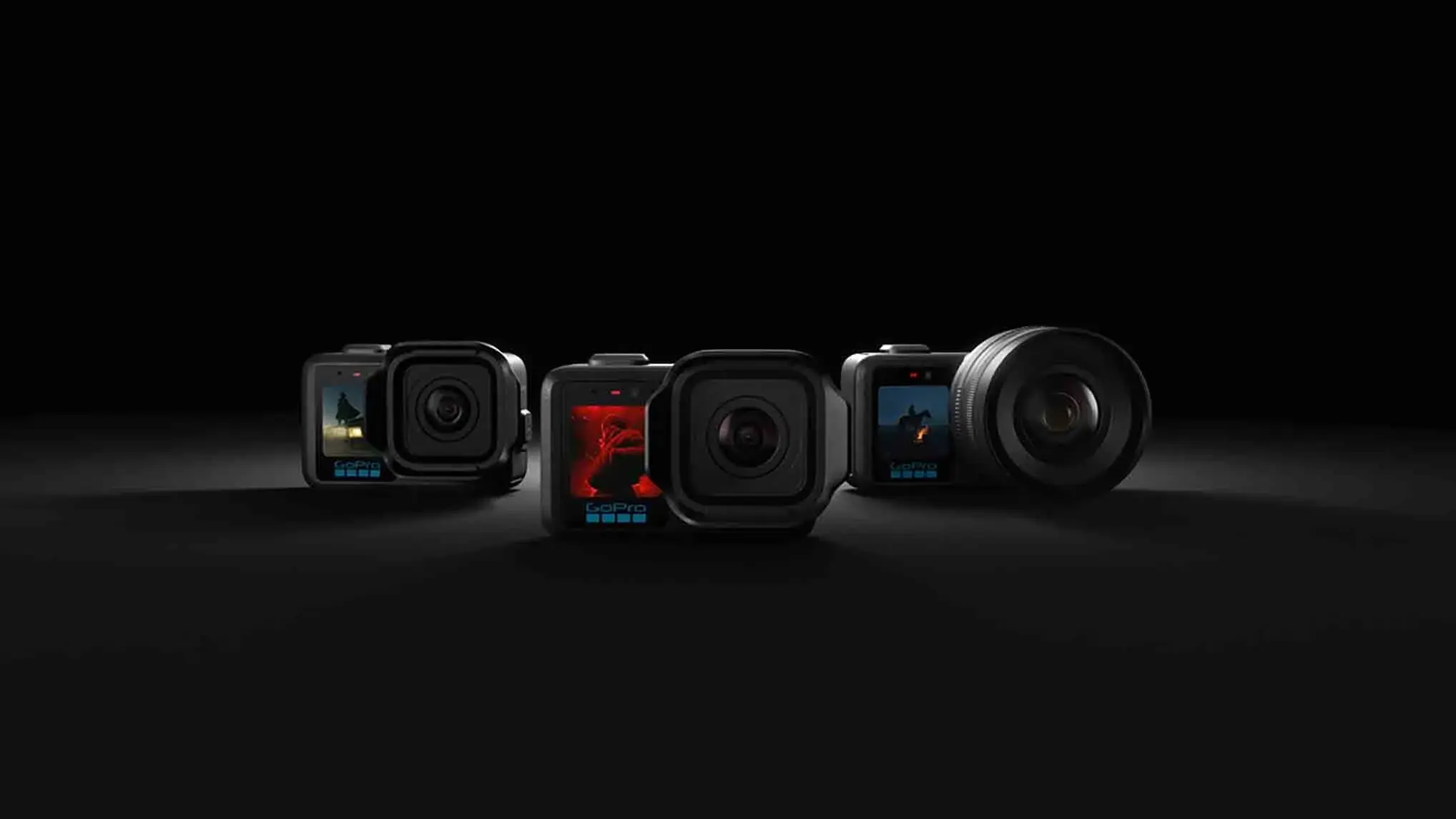
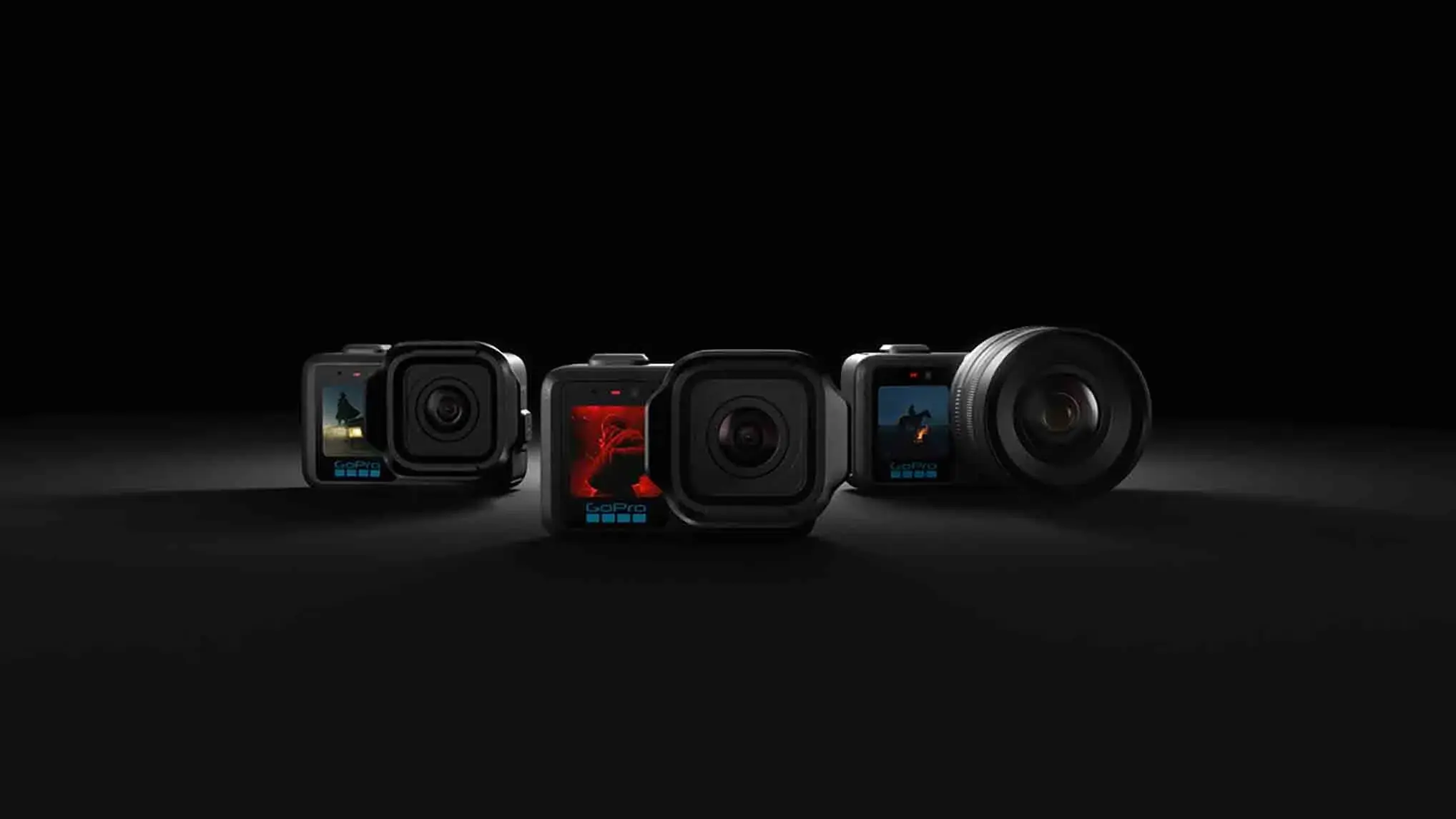
In a move that signals a significant shift toward professional-grade photography, GoPro has unleashed a comprehensive suite of updates for its Mission 1 series cameras. By bridging the gap between rugged action-cam portability and the functional requirements of high-end still photography, GoPro is positioning its flagship devices not just as tools for adrenaline junkies, but as versatile, everyday companions for photographers of all skill levels.
The latest firmware update, available for free to all Mission 1 series users, introduces long-requested continuous shooting capabilities, improved shutter response, and professional-grade monitoring tools. When combined with the "Point-and-Shoot" ergonomics of the proprietary grip, the Mission 1 series is evolving into a formidable competitor in the travel and street photography markets.
The Core Transformation: Shutter Speed and Continuous Capture
The cornerstone of this update is the fundamental change in how the Mission 1 series cameras interact with the user during high-action photo sequences. Previously, users often found the shutter response time and burst limitations to be a bottleneck for spontaneous photography. With the new firmware, GoPro has drastically refined the shutter logic.
Continuous Shooting and Buffer Management
By simply holding down the shutter button, users can now engage a continuous capture mode. The performance metrics provided by GoPro are impressive:
- 12 MP Resolution: Capable of capturing more than 100 consecutive frames.
- 50 MP RAW Format: Supports more than 20 high-fidelity shots in a single sequence.
These numbers are, of course, subject to environmental and hardware variables, including ambient light, the velocity of the subject, and the write-speed capabilities of the user’s microSD card. To assist in managing these high-speed bursts, GoPro has introduced an on-screen buffer indicator. This "early-warning system" informs the photographer exactly how much room remains in the buffer before the camera hits its limit, allowing for better pacing during intense shoots.
It is important to note that these new "Rapid Photo" and "Continuous Shutter" features are distinct from the camera’s legacy modes. They are not compatible with SuperPhoto, Interval Photo, or the dedicated Burst Photo modes, as the internal processing pipelines for those functions are fundamentally different.
A Chronology of the GoPro Mission 1 Evolution
The journey of the Mission 1 series has been one of iterative growth. Since its inception, GoPro has sought to move beyond the "set it and forget it" nature of traditional action cameras.
- Launch Phase: The Mission 1 series debuted with a focus on 8K video capture and extreme durability, cementing its reputation as the go-to device for extreme sports.
- The Ergonomic Shift: The introduction of the Mission 1 Pro and its dedicated Point-and-Shoot Grip signaled an intent to enter the consumer "vlogging" and travel photography space.
- Software Integration: The launch of the Mission Monitor app bridged the gap between raw hardware and professional mobile workflows.
- The Current Milestone: This latest firmware update represents the most significant "photography-first" upgrade, effectively turning the camera into a high-speed stills machine that rivals entry-level mirrorless cameras in terms of raw output.
Supporting Data: Enhancing the Photographer’s Toolkit
Beyond the camera body itself, the supporting ecosystem has seen a massive injection of utility. The Mission Monitor app, essential for those who want a larger, high-resolution view of their frame, has received an overhaul that brings it in line with professional field monitors.
The New Mission Monitor Professional Suite
The updated app for iPhone and iPad (requiring iOS 18 or later) introduces four critical exposure tools previously reserved for high-end cinema and broadcast monitors:
- Histogram: For precise analysis of luminosity distribution.
- Waveform: To monitor exposure levels across the entire image in real-time.
- RGB Parade: A vital tool for colorists and photographers to ensure color balance across red, green, and blue channels.
- False Color: A heat-map style overlay that provides immediate visual feedback on exposure zones, preventing blown-out highlights or crushed shadows.
These tools are not merely aesthetic; they fundamentally change how a creator shoots. By monitoring these metrics wirelessly from a phone, the photographer can make micro-adjustments to camera settings without ever touching the device, keeping the camera perfectly steady on its mount.
GoPro Labs: The Anamorphic Frontier
For the truly adventurous, the GoPro Labs program—a public beta initiative—has unveiled a feature that elevates the Mission 1 Pro to a cinematic powerhouse: Anamorphic Lens Support.
Historically, shooting with anamorphic glass on an action camera was a logistical nightmare involving post-production "de-squeezing" that often resulted in artifacts. The new firmware adds native support for various squeeze ratios, including:
- 1.33x, 1.5x, 1.6x, 1.8x, and 2.0x.
Crucially, the firmware handles the metadata, tagging the video files so that professional editing suites like Adobe Premiere Pro and DaVinci Resolve automatically recognize the aspect ratio and perform the de-squeeze upon import. While the on-camera screen currently displays the "squeezed" image, GoPro has promised an upcoming firmware update that will provide a real-time de-squeezed preview directly on the rear LCD.
Official Perspectives: The Philosophy of Versatility
Jensen Granger, GoPro’s Creative Director of Photography, frames this update not just as a technical improvement, but as a repositioning of the brand’s identity.
"This update opens an exciting new chapter for photography on GoPro," says Granger. "When you integrate a Mission 1 Series camera into our Point-and-Shoot Grip, you aren’t just holding a camera; you are holding a tool that bridges the gap between rugged, mountable action capture and refined, professional-grade stills. It’s the camera everyone from first-time buyers to seasoned photographers will want in their bag."
The sentiment is clear: GoPro recognizes that the "prosumer" photographer is looking for a "one-camera-does-it-all" solution. By providing the tools to shoot 8K video, continuous high-resolution stills, and anamorphic cinema in a device that fits in a jacket pocket, GoPro is betting that the convenience of their form factor will outweigh the specialized nature of traditional cameras.
Implications: The Future of Action Photography
What does this update mean for the industry at large?
1. The Death of the "Action-Only" Moniker
With the inclusion of professional exposure tools and continuous RAW shooting, the Mission 1 series is moving out of the action-only category. We are likely to see a surge in the use of these cameras for documentary filmmaking, street photography, and even travel journalism. The ability to mount a device in a tight space while maintaining control via an iPad monitor creates possibilities that were previously prohibitively expensive.
2. The Rise of the "Hybrid" Ecosystem
The pricing strategy—$99.99 for the grip alone or as part of the Mission 1 PRO Grip Edition—indicates a modular approach to hardware. By allowing users to buy the camera body and then "upgrade" their experience with specific grips and software modules, GoPro is mimicking the modularity of cinema camera rigs on a consumer scale.
3. Workflow Efficiency
The integration with Premiere Pro and DaVinci Resolve via metadata injection is a masterstroke for efficiency. By removing the manual labor of calculating aspect ratios or color-correcting from scratch, GoPro is catering to the "creator economy," where speed and high production values are equally valued.
4. Competitive Positioning
Traditional camera manufacturers may need to take note. If a pocket-sized device can now output 50MP RAW files, handle high-speed bursts, and utilize professional monitoring tools, the barrier to entry for professional photography has been lowered significantly. While a dedicated full-frame mirrorless camera will always offer better low-light performance due to sensor size, the utility of the GoPro Mission 1 is arguably becoming unmatched for the mobile creator.
Conclusion
The latest updates to the Mission 1 series represent a maturing of the GoPro brand. By listening to the demands of the photography community—specifically the need for faster response times, better exposure monitoring, and broader lens support—GoPro has successfully extended the lifespan and utility of their hardware.
Whether you are a casual user looking for better travel photos or a professional looking for a secondary "crash cam" that doesn’t sacrifice image quality, the current iteration of the Mission 1 series provides a compelling case for its place in your kit. The update is available now via the GoPro Quik app, and with the Mission Monitor app available on the Apple App Store, the transition to this new workflow is instantaneous for existing users.
As the line between "action camera" and "prosumer mirrorless" continues to blur, GoPro has firmly staked its claim, ensuring that the Mission 1 series remains a dominant, versatile force in the competitive landscape of digital imaging.
