
The Renegade Cameo: Deconstructing the Celebrity Landscape of "Yellowstone"
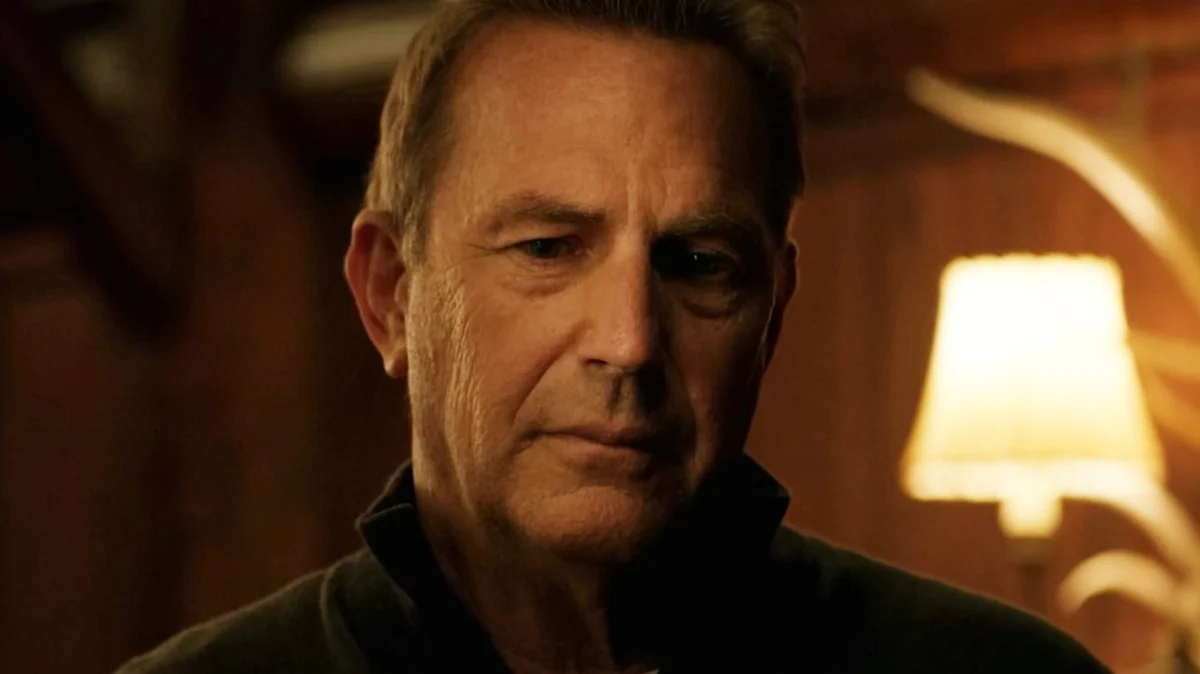
On its surface, "Yellowstone" appears to be the antithesis of the typical prestige television project. Created by Taylor Sheridan—a man who famously pivoted from a frustrated actor to a writer-director who views the traditional Hollywood apparatus with deep-seated cynicism—the series was designed as a gritty, uncompromising exploration of the American West. Sheridan himself has described the show as a "punk rock, rebellious teenager" of a series, one that flips the bird at the standard rules of television storytelling.
Yet, for a show built on a foundation of anti-Hollywood sentiment, "Yellowstone" developed a peculiar habit: it became a magnet for celebrity cameos. From chart-topping country music stars to supermodels and veteran character actors, the Dutton family saga often bypassed traditional casting norms to favor guest stars who aligned with Sheridan’s personal aesthetic. Now that the series has concluded its run, we can finally evaluate these incongruous appearances not just as gimmicks, but as vital pieces of the "Yellowstone" mythology.
The Sheridan Ethos: A "Punk Rock" Approach to Casting
To understand the celebrity cameos in "Yellowstone," one must first understand Taylor Sheridan’s complex relationship with the industry that made him. Having left his acting career behind—partly due to disputes over fair compensation—Sheridan approached his writing with a distinct "us vs. them" mentality.
In conversations with fellow creators like Peter Berg, Sheridan has been transparent about the show’s dual nature: it is part high-stakes family drama, part "horse porn," and part deliberate provocation. By welcoming celebrities into this world, Sheridan wasn’t necessarily bowing to the Hollywood machine. Instead, he was curating a version of celebrity that prioritized Western authenticity and personal friendships over the usual industry-standard guest stars. He bypassed the A-list "prestige" actors for a roster of musicians and icons who felt, at least to him, like true members of the American frontier.
Chronology of an Iconoclastic Guest List
The inclusion of guest stars in "Yellowstone" followed a trajectory that mirrored the show’s own expansion. What began as a tight-knit family narrative in the early seasons slowly ballooned into a sprawling cultural phenomenon, with the guest star list evolving from background flavor to central narrative devices.
1. Zach Bryan: The DIY Troubadour
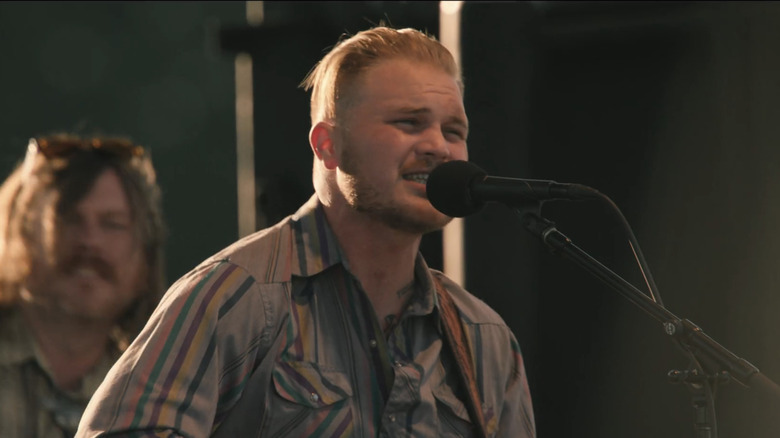
Zach Bryan’s inclusion represents the show’s pivot toward the "authentic" country music zeitgeist. Before he became the massive touring sensation he is today, Bryan’s lo-fi, DIY recordings caught the ear of "Yellowstone" music supervisor Andrea von Foerster. The show’s production team went to great lengths to elevate Bryan’s sound, even pairing him with industry professionals to polish his tracks for broadcast. By Season 5, Episode 7, "The Dream is Not Me," Bryan appeared as himself at a county fair. His performance was more than a cameo; it was a cultural coronation that signaled the show’s immense power in breaking new artists.
2. Bella Hadid: The High-Fashion Collision
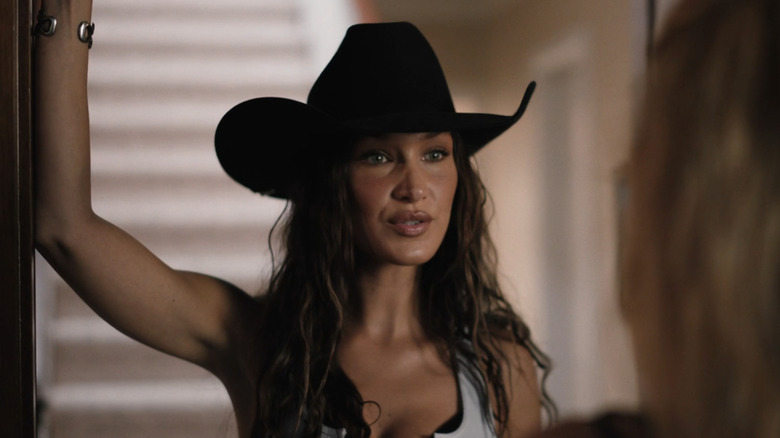
Perhaps the most polarizing moment in the series’ history was the arrival of supermodel Bella Hadid as "Sadie" in Season 5. Appearing alongside her then-partner, professional cowboy Adan Banuelos, the cameo felt to many viewers like a departure from the show’s gritty realism. It served as a stark reminder of Sheridan’s creative autonomy. In this instance, the "punk rock" attitude worked against the show’s narrative cohesion, as critics and fans alike noted that the inclusion felt like a personal indulgence rather than a character-driven necessity.
3. Lainey Wilson: From Songwriter to Screen Presence
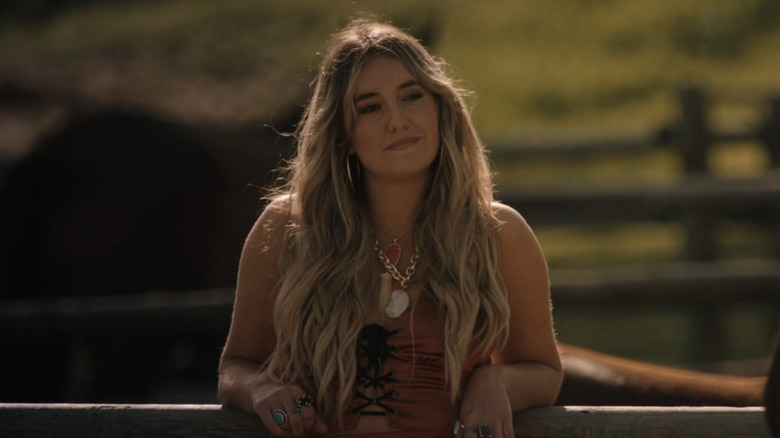
Lainey Wilson’s role as the musician Abby serves as the blueprint for how "Yellowstone" utilized its guest stars. Sheridan didn’t just cast her; he built a character around her, encouraging her to "be herself" and wear her signature bell bottoms. Unlike the brief, punchy cameos of other stars, Wilson’s arc spanned multiple episodes and allowed her to integrate into the ranch’s ecosystem. It was a mutually beneficial partnership: Wilson gained unparalleled exposure, and the show gained a musical heartbeat that felt authentic to the world it portrayed.
4. Barry Corbin: The Elder Statesman
The appearance of Barry Corbin as "Ross" provided a masterclass in subtlety. A veteran of Western classics like "Lonesome Dove" and "Dallas," Corbin brought a gravitas that anchored the younger, often chaotic characters. His role was not about promotional branding, but about legacy. By placing an actor of his pedigree alongside the cast, Sheridan acknowledged the lineage of the genre he was operating within.
5. Taylor Sheridan: The Meta-Narrative Guest Star
Ultimately, the most significant cameo in the entire series was the creator himself. As the recurring character Travis Wheatley, Sheridan was physically present in his own sandbox. Wheatley, a cocky horse trainer who seemed to have a supernatural talent for spinning horses and an equally uncanny ability to attract models, acted as a mirror for Sheridan’s own frustrations with the industry. By placing himself in the show, he wasn’t just acting; he was manifesting his own vision of the "perfect" cowboy—an act of narrative defiance that serves as the ultimate summary of the series’ spirit.
Supporting Data: The Power of the "Yellowstone" Platform
The data surrounding "Yellowstone" guest stars is as impressive as the viewership numbers themselves. According to industry analysis, the show’s integration of music—particularly through its guest stars—created a "Yellowstone Effect" that significantly impacted the Billboard charts.
For artists like Zach Bryan and Lainey Wilson, the screen time functioned as a digital force multiplier. Music supervisors on the show noted that the strategy was never just about having a famous face on screen; it was about creating a cohesive aesthetic where the music, the landscape, and the guest were indistinguishable. The cost of such cameos, while often undisclosed, was largely offset by the massive social media engagement that followed every episode featuring a major name, creating a feedback loop that kept the show at the center of the cultural conversation long after the credits rolled.
Official Responses and Creative Justification
When pressed on why he chose to fill his show with these specific celebrities, Taylor Sheridan has consistently maintained that he writes for the world he knows. His creative team has frequently defended these choices by pointing to the "realism" of the environment.
"I don’t write for the critics," Sheridan remarked in various interviews. "I write for the people who live in the world I’m describing." For the producers at Paramount, the celebrity cameos were a low-risk, high-reward strategy. By allowing stars like Lainey Wilson to act as themselves, they lowered the barrier to entry for the audience, making the dense, often violent world of the Duttons feel more approachable and grounded in a familiar reality.
Implications: A New Model for Prestige TV
The legacy of "Yellowstone’s" celebrity cameos is significant for the future of television. The series proved that a show could be both a high-stakes drama and a promotional vehicle for broader entertainment brands without necessarily sacrificing its integrity—or at least, without sacrificing its audience.
The implication for future showrunners is clear: celebrity cameos need not be disruptive. When handled with the "Sheridan approach"—aligning the guest’s real-world persona with the show’s thematic DNA—the cameo becomes a tool for world-building. However, as evidenced by the backlash to the more "meta" appearances, there is a fine line between world-building and vanity.
"Yellowstone" did not just tell the story of a ranch; it created a self-referential ecosystem where the boundaries between the creator, the stars, and the audience were intentionally blurred. Whether one views these cameos as brilliant marketing or indulgent distractions, their impact on the series is undeniable. They were the "middle fingers" to traditional Hollywood casting that Sheridan promised, and they helped transform a drama about a Montana ranch into the most talked-about cultural entity of its generation.
As we look back, it becomes clear that these guest stars were never just guests. They were the color, the soundtrack, and the soul of a series that refused to play by the rules of the industry—even as it became the biggest success that industry had seen in decades.
