
Unflinching and Prophetic: Re-Evaluating Warren Beatty’s Political Satire ‘Bulworth’ on Its Own Terms
Main Facts: The Legacy and Anatomy of an Audacious Masterpiece
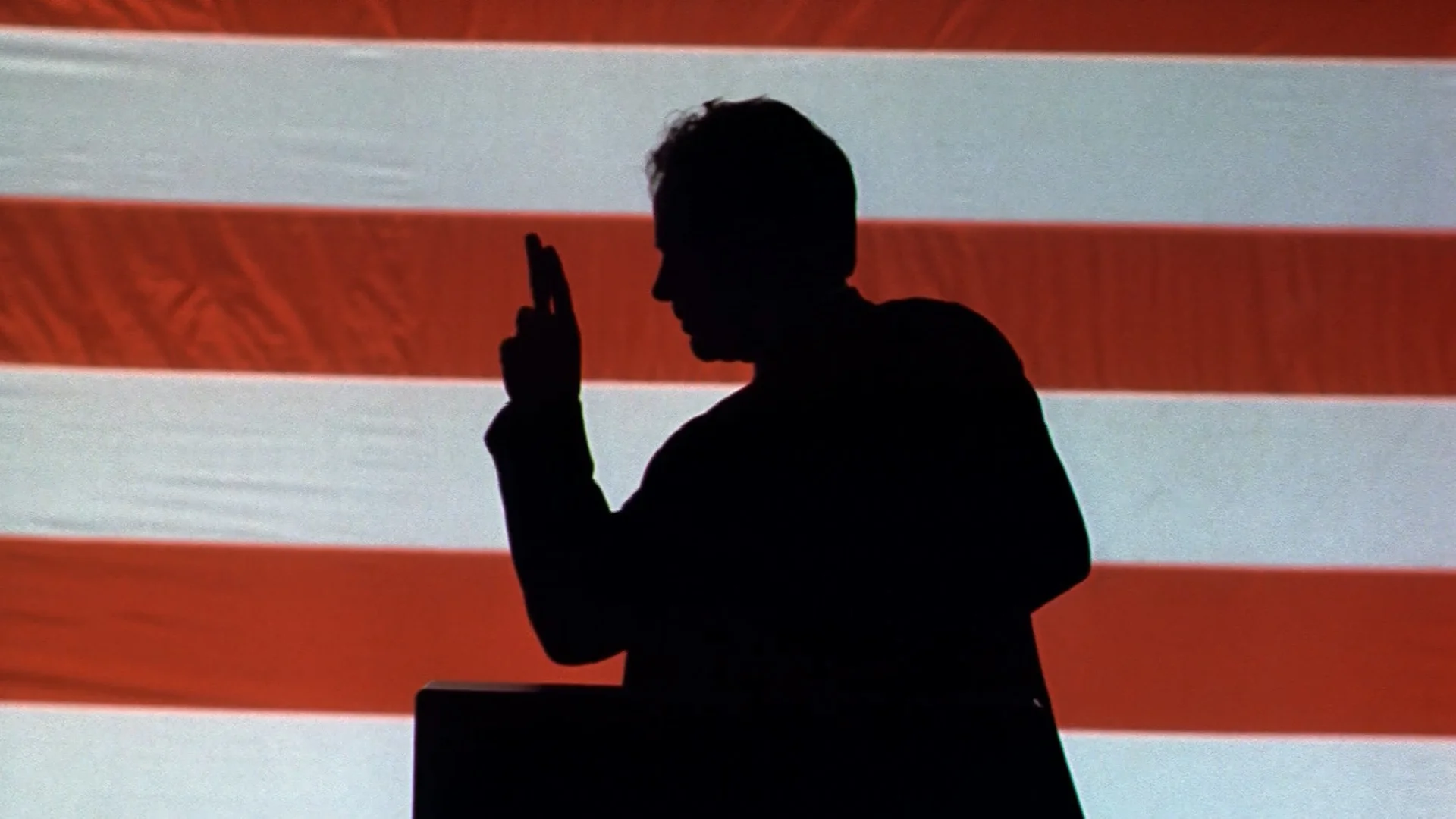
Released in the summer of 1998, Bulworth stands as one of the most daring, unorthodox, and biting political satires ever produced within the Hollywood studio system. Directed, co-written, co-produced by, and starring AFI Life Achievement Award honoree Warren Beatty, the film presents a scathing indictment of American electoral politics, media complicity, corporate lobbying, and systemic racial inequality.
At its core, the narrative follows Senator Jay Billington Bulworth (Beatty), a once-idealistic liberal politician from California who has grown disillusioned, cynical, and spiritually bankrupt after decades of playing the Washington game. Facing a depressed reelection campaign against a well-funded opponent and dealing with severe personal despair, Bulworth takes out a massive, multi-million-dollar life insurance policy with his daughter as the sole beneficiary. Having arranged his own assassination, and with nothing left to lose, Bulworth experiences a radical psychological liberation. During a campaign stop in South Central Los Angeles, he abandons his focus-grouped, euphemistic talking points and begins speaking with absolute, unfiltered brutality.
To the horror of his handlers—played brilliantly by an ensemble cast featuring Oliver Platt, Paul Sorvino, and Jack Warden—Bulworth starts telling voters uncomfortable truths about campaign finance, healthcare, insurance companies, and the intersection of race and poverty. In a surreal and unforgettable stylistic twist, the aging, suit-wearing senator adopts the cadence and rhythm of hip-hop culture, freestyling his platform and alienating the political establishment while captivating the public.
The film boasts a powerhouse cast that includes AFI Trustee Halle Berry in a breakout performance as Nina, a young activist from South Central who challenges and captivates the senator, and Don Cheadle as L.D., a local community leader. Furthermore, the production’s aesthetic and spatial authenticity was anchored by legendary production designer and AFI Honorary Degree recipient Dean Tavoularis, alongside co-producer Pieter Jan Brugge (AFI Class of 1979).
Serving as Beatty’s ostensible final feature film as a director before his nearly 20-year hiatus—which ended with Rules Don’t Apply (2016)—Bulworth remains a high-water mark for star-driven Hollywood subversion, a film whose bite has only sharpened with the passage of time.
Chronology: The Making and Release of a High-Stakes Production
Development and Writing (Mid-1990s)
Warren Beatty spent years developing the project alongside co-writer Jeremy Pikser. Known for his legendary perfectionism and meticulous control over his films (such as Shampoo, Heaven Can Wait, and Reds), Beatty envisioned a movie that would skewer both the Democratic and Republican establishments. Long before modern anti-establishment political movements dominated the discourse, Beatty recognized the growing chasm between mainstream politicians and the working-class voters they purported to represent.
Principal Photography and Behind-the-Scenes Collaboration
Production on Bulworth commenced in the mid-to-late 1990s, requiring a delicate balance between high-gloss Hollywood satire and gritty street-level realism. Beatty enlisted Dean Tavoularis—renowned for his iconic work with Francis Ford Coppola on films like The Godfather trilogy—to shape the visual landscape, contrasting the sterile, blue-lit boardrooms of Washington, D.C., with the vibrant, lived-in community spaces of Los Angeles.
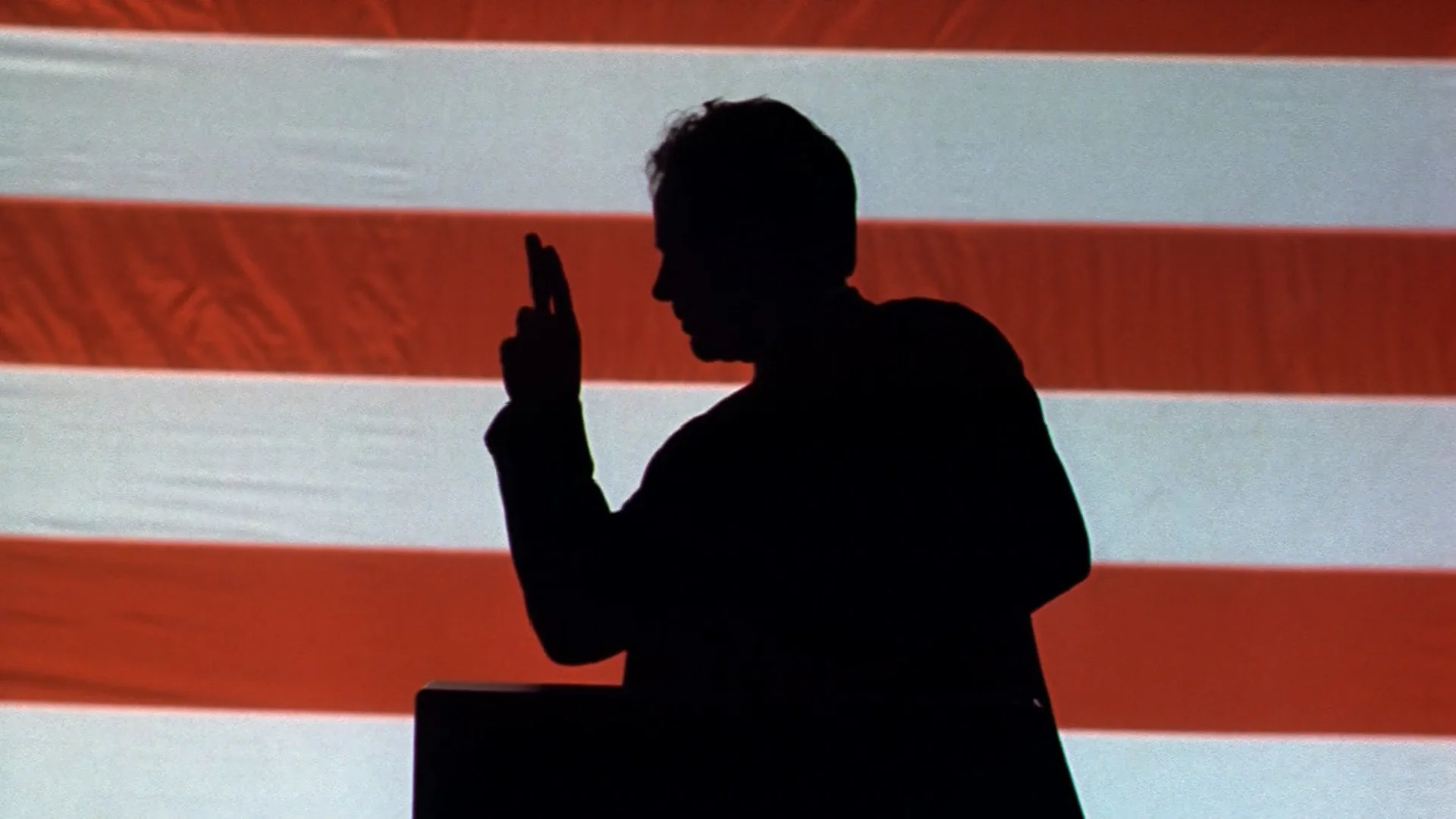
The integration of hip-hop into the film’s DNA was a crucial chronological step. Beatty collaborated with prominent hip-hop artists and producers to ensure the music and lyrical styling felt authentic to the era, even as they were filtered through the satirical lens of a 60-something white U.S. senator.
The 1998 Theatrical Release and Box Office Run
Distributed by 20th Century Fox, Bulworth premiered in May 1998 to intense media scrutiny. Given its provocative subject matter, racial themes, and unorthodox marketing campaign, the studio walked a tightrope trying to position the film for both mainstream audiences and arthouse crowds.
While it did not break box office records, finishing its run with modest commercial returns, it immediately ignited fierce debate across cultural and political spectrums. Critics were sharply divided: some hailed it as a comedic tour de force and a breath of fresh air, while others found its racial politics and stylistic choices jarringly naive or overly cynical.
Supporting Data: Critical Reception, Box Office, and Industry Impact
To truly understand the footprint of Bulworth, one must look at the data surrounding its release, critical consensus, and awards recognition:
- Box Office Performance: Made on an estimated production budget of around $30 to $40 million, Bulworth grossed roughly $29.2 million domestically, making it a modest box office performer that relied on home video and cable syndication to find its broader audience.
- Academy Award Recognition: The film received a nomination at the 71st Academy Awards for Best Original Screenplay, written by Warren Beatty and Jeremy Pikser, underscoring the industry’s respect for its razor-sharp script.
- Golden Globe Nominations: Bulworth earned two Golden Globe nominations: Best Motion Picture – Musical or Comedy and Best Actor in a Motion Picture – Musical or Comedy for Warren Beatty.
- Critical Scores: Upon release, the film garnered a generally favorable, albeit polarized, response. It holds a solid critical standing on review aggregation platforms, routinely cited by film historians as one of the most daring major-studio releases of the late 20th century.
- Talent Launchpad: The film significantly elevated the profiles of its supporting cast, cementing Halle Berry’s transition into a major cinematic force and showcasing the dynamic range of Don Cheadle and Oliver Platt.
Official Responses and Industry Reception
When Bulworth hit theaters in 1998, the official responses from political commentators, studio executives, and cultural critics were as varied as they were vocal.
The Political Establishment’s Silence and Discomfort
Unsurprisingly, mainstream politicians on both sides of the aisle largely ignored or sidestepped the film. By explicitly calling out how corporate donations, insurance lobbies, and special interest groups dictate policy—regardless of whether a Democrat or Republican is in office—Bulworth struck too close to home. Pundits on cable news debated whether Beatty’s character was a caricature or a whistleblower, but the political class preferred to treat the film as a Hollywood eccentric’s vanity project rather than a mirror held up to the legislative system.
Studio Executives and Marketing Hurdles
For 20th Century Fox, marketing Bulworth presented a unique challenge. How do you sell a major studio comedy where a United States senator raps, plots his own murder, and lambasts the media? Studio executives recognized the film’s potential to offend polite sensibilities, yet they backed Beatty’s artistic vision. In retrospective interviews, industry insiders have noted that Bulworth represents a bygone era of Hollywood filmmaking—a time when a major studio would finance a multi-million-dollar, R-rated, fiercely anti-establishment political satire with a major movie star at the helm.

Critical Re-Evaluation
While contemporaneous reviews sometimes struggled to categorize the film’s tonal shifts—moving seamlessly from broad farce to genuine tragedy—modern critics have been much kinder. Contemporary film retrospectives frequently praise Bulworth for predicting the rise of populist anger, the breakdown of institutional trust, and the ways in which media packaging supersedes substantive policy debate.
Implications: Why ‘Bulworth’ Matters More Than Ever Today
Decades after its initial release, Bulworth refuses to age. In fact, many of the satirical elements that seemed exaggerated or absurd in 1998 now read as prescient documentary-style observations of 21st-century political life.
The Rise of Unfiltered Populism
When Senator Bulworth casts aside his focus groups and speaks "the raw truth," he foreshadows the death of traditional political decorum. Today, the notion that politicians must be perfectly manicured, focus-grouped robots has been entirely upended. While modern political figures often use unvarnished speech to divide rather than to unite, Bulworth anticipated the public’s deep-seated hunger for authenticity—even if that authenticity arrives wrapped in contradiction and chaos.
Campaign Finance and Corporate Capture
Bulworth’s most famous monologue—delivered to a room of Hollywood executives where he bluntly explains that politicians cannot touch social issues because their campaigns are entirely funded by insurance and corporate lobbies—remains one of the most honest cinematic treatments of American campaign finance. The film anticipated the Supreme Court’s Citizens United decision by over a decade, warning viewers about the insidious marriage of big money and legislative inertia.
Race, Class, and Media Complicity
By centering the film’s emotional core in South Central Los Angeles and exploring the systemic neglect of minority communities by both political parties, Beatty and Pikser forced audiences to confront uncomfortable realities about segregation and economic disparity. Furthermore, the film’s critique of the 24-hour news cycle—which prioritizes sensationalism, soundbites, and superficial conflict over deep policy analysis—has only grown more urgent in the age of social media algorithms and hyper-partisan media ecosystems.
As audiences continue to explore classic cinema through streaming platforms and archival institutions like the AFI Catalog, Bulworth stands tall as a monument to fearless filmmaking. It reminds us that cinema, at its highest level, can challenge power, provoke uncomfortable conversations, and hold a mirror up to society with uncompromised artistic integrity.
