
The Final Countdown: How HBO’s Lanterns is Redefining the DC Universe Ahead of Its High-Stakes Season 1 Finale

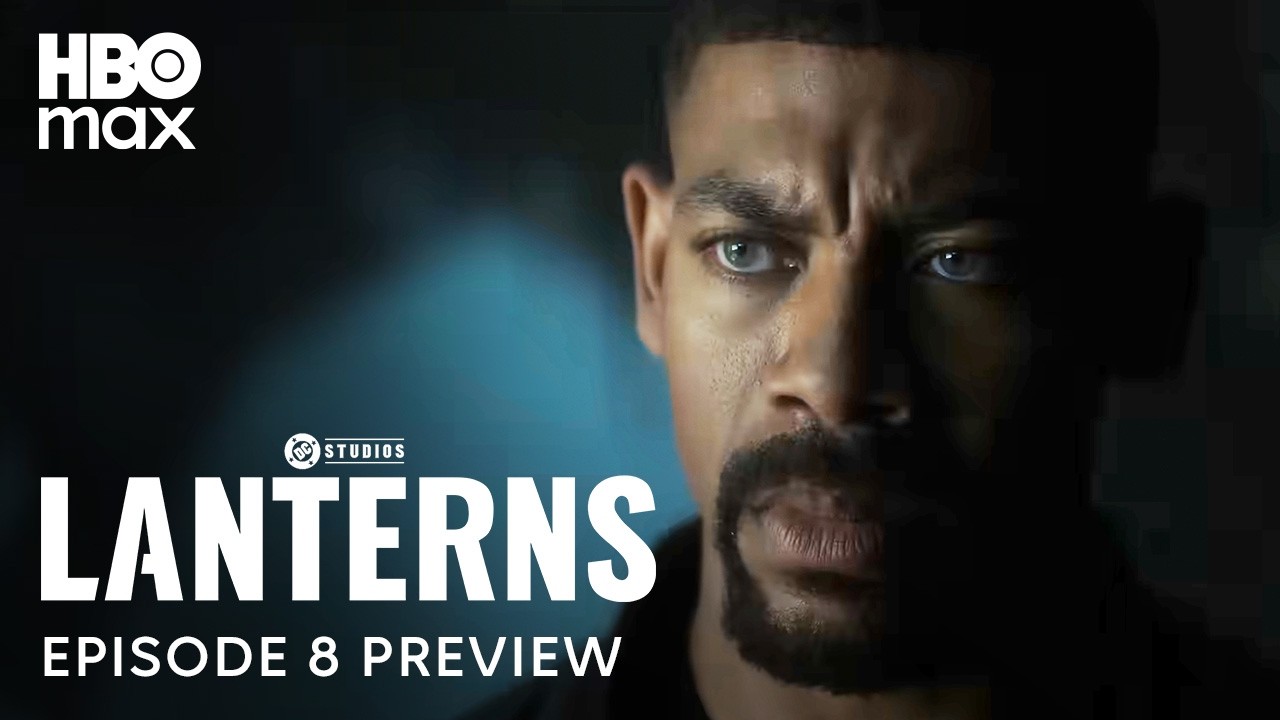
As the autumn television calendar reaches a fever pitch, HBO’s prestige sci-fi crime drama Lanterns is preparing to close the book on its explosive debut season. Over seven weeks, the series has systematically captivated audiences worldwide, blending the cosmic mythology of DC Comics with gritty, grounded detective storytelling. Now, with the eighth and final episode—titled "Dirt and Stars"—on the horizon, fans and critics alike are reflecting on a freshman run that has fundamentally shifted expectations for modern comic book adaptations.
To mark the occasion, the discourse surrounding the show has reached a crescendo, prompting enthusiastic engagement initiatives, deep dives into cosmic lore, and intense speculation over what the shocking season finale might hold for the overarching DC Universe (DCU).
Main Facts: The Anatomy of a Hit
- The Series: Lanterns, an HBO original television series developed as a tentpole entry in the newly minted DC Universe (DCU) Chapter One lineup.
- The Lead Characters: The narrative centers on the dynamic partnership between iconic Green Lanterns John Stewart (portrayed by Aaron Pierre) and Hal Jordan (portrayed by Kyle Chandler).
- The Finale Details: Season 1, Episode 8, titled "Dirt and Stars," is scheduled to air on Max this Sunday (October 4) for viewers across North and South America, followed by a release on Monday (October 5) for international territories.
- The Format: Spanning eight episodes, the first season has combined procedural sci-fi mystery with sweeping intergalactic stakes, earning praise for its stellar casting, high production values, and mature narrative tone.
Chronology: The Journey to ‘Dirt and Stars’
The path to the Lanterns season 1 finale has been a carefully orchestrated slow burn designed to hook both die-hard comic purists and newcomers to the sci-fi genre.
Weeks 1–3: Establishing the Cosmic Beat
When Lanterns first premiered on HBO, it immediately discarded traditional superhero origin tropes in favor of a moody, terrestrial-meets-cosmic mystery. The opening episodes established the uneasy professional relationship between veteran space-cop Hal Jordan and the sharp, methodical newcomer John Stewart. Tasked with investigating a localized terrestrial murder that quickly unspooled into a galaxy-spanning conspiracy, the duo spent the first third of the season clashing over methodology, philosophy, and the heavy burdens carried by members of the Green Lantern Corps.

Weeks 4–6: Unraveling the Conspiracy
As the season crossed its halfway mark, the scope widened dramatically. Viewers were introduced to deeper corners of the DCU lore, touching upon the enigmatic Guardians of the Universe and the looming philosophical shadows cast by figures like Sinestro. Episode benchmarks during this period tested Stewart and Jordan to their absolute limits, forcing them to confront personal demons, institutional corruption within the Corps, and an elusive antagonist operating from the fringes of known space.
Weeks 7–8: The Precipice of the Finale
Following a penultimate seventh episode that left audiences reeling from a major narrative twist and a devastating cliffhanger, the stage is now set for "Dirt and Stars." With Earth and several outer-rim sectors caught in the crossfire of an escalating cosmic war, John Stewart and Hal Jordan must put aside their ideological differences once and for all to prevent a catastrophic collapse of the power batteries that fuel the Corps.
Supporting Data: Viewer Engagement and Cultural Footprint
While exact viewership metrics for HBO streaming originals are notoriously tightly guarded, industry analysts and platform engagement indicators point to Lanterns being one of the most successful freshman cable and streaming launches of the year.
- Critical Reception: The series currently boasts a critically acclaimed rating aggregate across major review platforms, frequently cited alongside legacy prestige dramas for its atmospheric cinematography and complex character writing.
- Fan Interaction: Online communities have dissected every frame of the show, spawning extensive multi-question trivia exams, theory-crafting forums, and dedicated weekly watch parties.
- Global Rollout: By staggering the release between Sunday night in the Americas and Monday globally, HBO has maximized international spoiler mitigation, ensuring synchronized social media conversations as the final credits roll.
Official Responses and Creative Vision
The creative team behind Lanterns has been remarkably transparent about their desire to ground the fantastical elements of the Green Lantern mythos in relatable, human stakes. Speaking ahead of the finale, showrunners and executive producers emphasized that the choice to cast Aaron Pierre and Kyle Chandler was deliberate, aiming to showcase a generational passing of the torch steeped in mutual respect and dramatic tension.

"We didn’t just want to make a special-effects showcase," noted a primary creative source close to DC Studios. "At its core, Lanterns is a detective story about two men who happen to wield the most powerful weapons in the universe. Their badges happen to glow green, but their struggles with duty, isolation, and morality are entirely human."
DC Studios leadership has similarly pointed to Lanterns as a foundational pillar for the broader DCU Chapter One initiative. By proving that comic book adaptations can successfully merge high-concept space opera with grounded, serialized crime investigation, the series has validated the creative direction of the interconnected universe currently being built for both the silver screen and television.
Implications: What the Finale Means for DCU Chapter One
As the dust settles on "Dirt and Stars," the ramifications of the Lanterns season 1 finale will undoubtedly ripple across the entire DCU slate.
1. Setting the Tone for Future DCU TV Shows
The success of Lanterns proves that audiences are eager for mature, director-driven television within the superhero genre. DC Studios has heavily invested in treating its TV projects not as secondary companion pieces, but as essential narrative chapters. The structural risks taken in Lanterns—such as leaning heavily into slow-burn mystery and moral ambiguity—will likely serve as a blueprint for upcoming series within Chapter One.
2. Expanding the Cosmic Sandbox
By formally introducing complex cosmic factions, the Green Lantern Corps’ internal politics, and the broader universal landscape, the show has opened the floodgates for future crossover events. Whether John Stewart and Hal Jordan will transition to feature-film projects or return for a heavily anticipated second season remains a subject of intense fan speculation. However, the narrative infrastructure is now firmly in place to support a sprawling cosmic corner of the DCU.
3. Raising the Stakes for Character Fates
With a reputation for subverting expectations and delivering high-impact narrative consequences, the creative team has left viewers wondering who will actually survive the events of Episode 8. In a universe where cosmic threats carry permanent casualties, the survival—or tragic demise—of key players will permanently alter the status quo of the Corps moving forward.
Conclusion
As viewers prepare to log onto Max this weekend to witness the climax of Lanterns season 1, the excitement is palpable. Whether you are a casual observer tuning in for the cinematic action or a dedicated fan aiming for a hundred percent score on the ultimate trivia challenge, one thing is certain: the Green Lantern Corps has firmly cemented its place in the modern television landscape.
Be sure to check back following the broadcast for comprehensive post-finale breakdowns, analysis of major twists, and a look ahead at what lies next for the DC Universe.
