
The Mirror of Time: The 10 Greatest History Documentaries Ever Produced
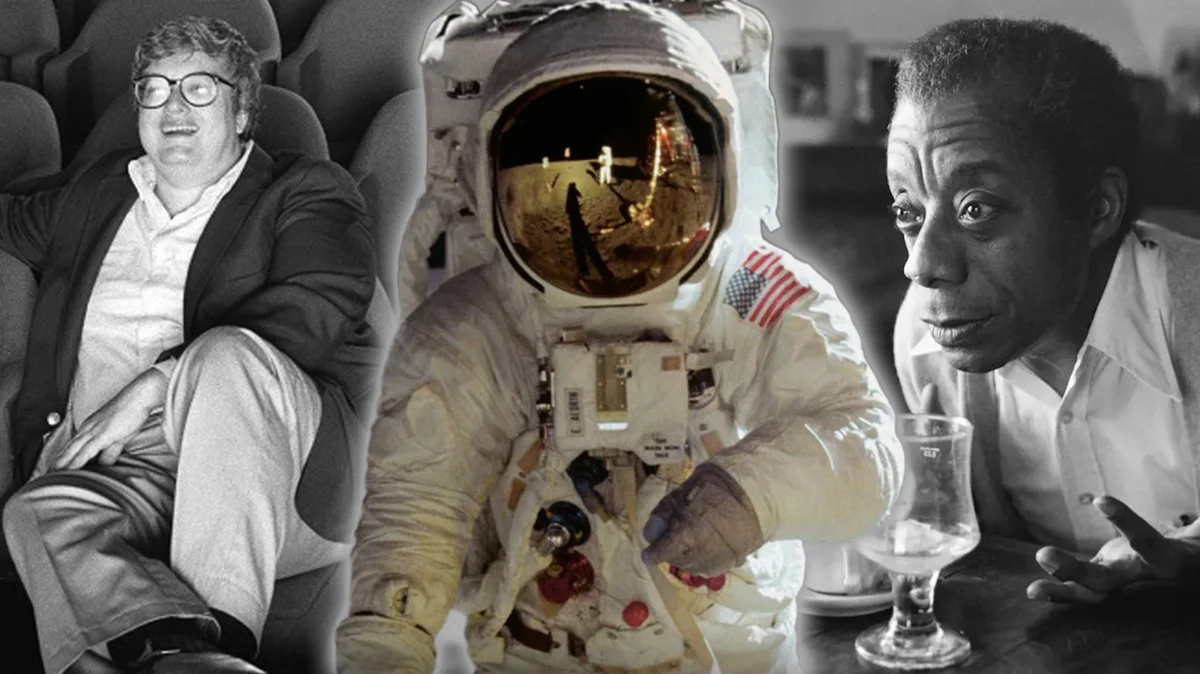
The art of the documentary has undergone a profound metamorphosis over the last two decades. Once relegated to the dusty corners of educational television or slow-paced, dry academic lectures, the modern documentary feature has evolved into a powerhouse of cinematic storytelling. Drawing on the narrative sophistication found in prestige television and the high-production values of contemporary blockbusters, these films manage to condense vast, complex historical epochs into compelling, feature-length experiences.
History, by its nature, is a living record, and these ten films serve as essential touchstones. By utilizing archival restoration, intimate interviews, and unflinching investigative techniques, these documentaries do more than just inform—they immerse. This list focuses exclusively on feature-length documentaries that examine events retrospectively, excluding television series and ongoing journalistic reports. Here are the 10 greatest history documentaries of all time, ranked by their cultural impact, technical innovation, and narrative weight.

10. Apollo 11 (2019)
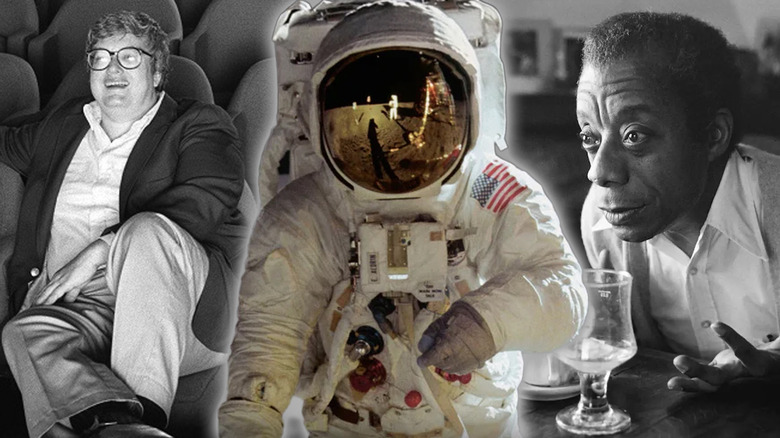
The landing of the Apollo 11 mission on the moon remains one of the defining triumphs of human ingenuity. Released to coincide with the 50th anniversary of the lunar landing, director Todd Douglas Miller’s Apollo 11 is a masterclass in archival editing. Miller spent years sifting through 11,000 hours of unreleased, pristine 70mm footage and audio, stripping away modern commentary to let the event speak for itself.
Implications: The film challenges the audience to experience the "giant leap" as if it were unfolding in real-time. By focusing on the massive support staff required to reach the lunar surface, the documentary shifts the narrative from a story of three men to a story of collective human endeavor.
9. Restrepo (2010)
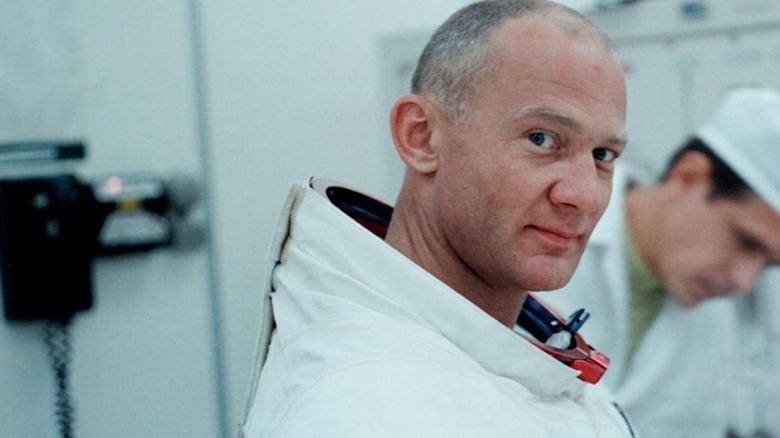
When journalists Tim Hetherington and Sebastian Junger embedded with a platoon in the Korengal Valley of Afghanistan, they captured the harrowing reality of the "War on Terror." The film chronicles the soldiers’ deployment at the titular combat outpost, named after Pfc. Juan Restrepo, a fallen medic.
Supporting Data: The documentary serves as a brutal, unfiltered look at the psychological and physical toll of daily firefights. It avoids the political grandstanding of Washington, focusing instead on the intense bonds of brotherhood formed in the "Valley of Death." Its impact lies in its raw proximity, providing a visceral account of the realities faced by frontline infantry.
8. Senna (2010)
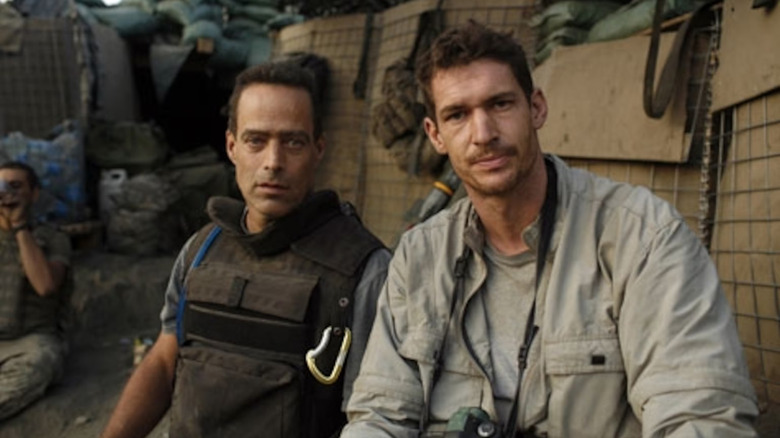
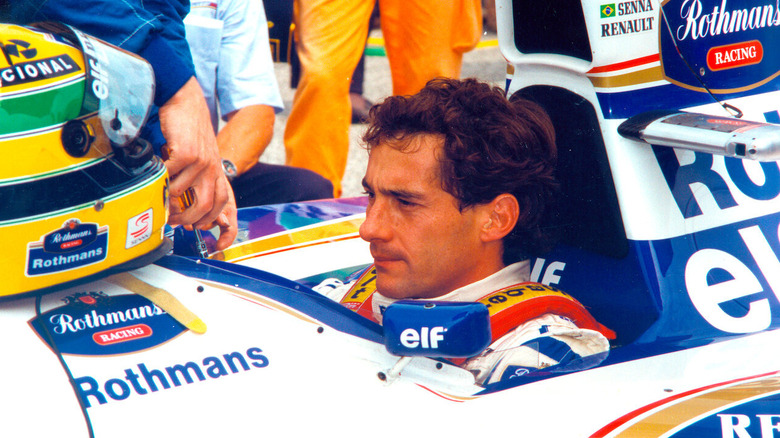
Ayrton Senna was not just a Formula One driver; he was a national icon in Brazil and a figure of intense, almost mystical focus. Senna manages to bypass the traditional "talking head" format entirely, relying on a sophisticated blend of archival racing footage and personal home movies provided by the Senna family.
Chronology: The film traces the arc of his life from his 1984 debut to his tragic, fatal crash at the 1994 San Marino Grand Prix. It captures the high-octane rivalry between Senna and Alain Prost, painting a portrait of a man driven by an obsessive, transcendental need for perfection.
7. The Fog of War (2003)
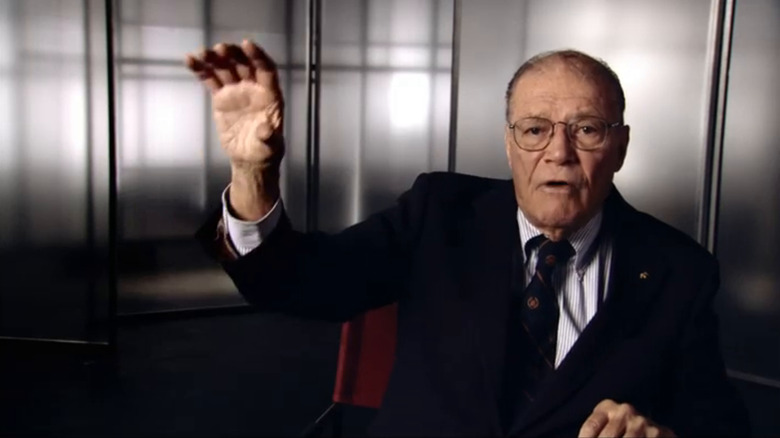
Errol Morris’s The Fog of War is perhaps the most intellectually demanding entry on this list. Centered on an extended interview with Robert McNamara, the former U.S. Secretary of Defense under Kennedy and Johnson, the film is structured around "11 Lessons" that McNamara synthesized from his controversial career.
Main Facts: The film is a study in moral ambiguity. McNamara, the architect of the escalation in Vietnam, moves between deep regret and steadfast self-justification. Through the use of declassified recordings and archival war footage, the documentary interrogates the nature of conflict and the burden of power in the nuclear age.
6. Shoah (1985)
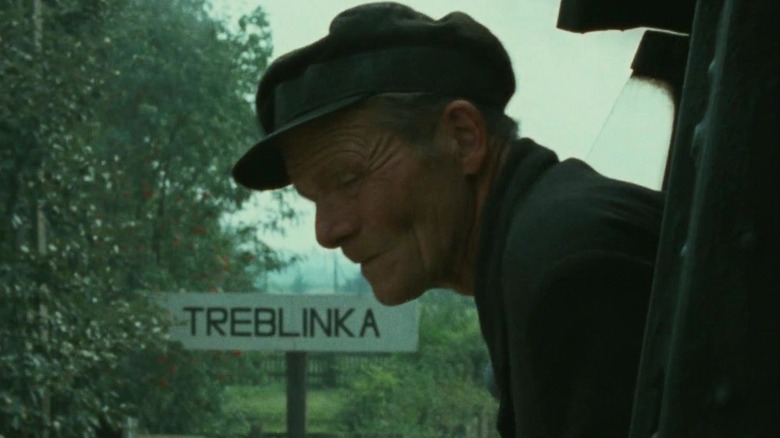
Claude Lanzmann’s Shoah is a monumental achievement in cinematic history, running over nine hours in length. Eschewing traditional historical footage—the film contains no archival footage of the camps—Lanzmann relies solely on the testimonies of survivors, witnesses, and, most chillingly, the perpetrators of the Holocaust.
Supporting Data: The sheer weight of Shoah is its primary strength. By visiting the sites of the death camps decades later and interviewing those who operated them, Lanzmann forces a confrontation with the "banality of evil." It is an essential, if emotionally devastating, historical document that demands total engagement from the viewer.
5. Man on Wire (2008)
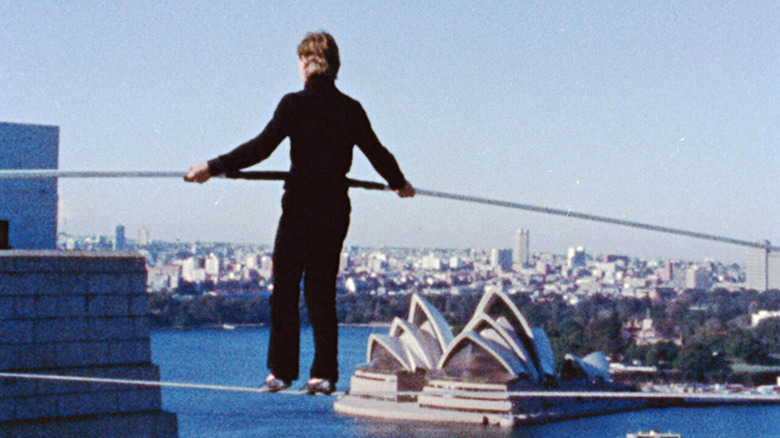
In 1974, Philippe Petit performed the most daring artistic heist in history: walking a highwire between the Twin Towers of the World Trade Center. James Marsh directs this documentary with the pacing of a suspenseful crime thriller, utilizing rare archival footage and meticulous reenactments.
Implications: Beyond the sheer spectacle of the walk, the film documents a lost era of New York City and the singular, obsessive spirit of an artist. It remains a poignant reminder of the World Trade Center’s place in the cultural imagination before the tragic events of 2001.
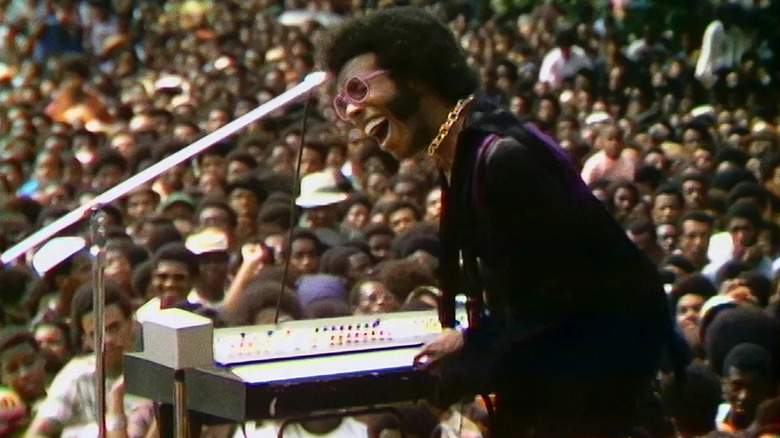
4. Summer of Soul (2021)
For decades, the footage of the 1969 Harlem Cultural Festival sat in a basement, forgotten and unseen. Director Questlove’s Summer of Soul unearthed this cultural treasure, showcasing performances by legends like Stevie Wonder and Nina Simone.
Main Facts: The documentary serves as a reclamation of history. By placing the festival within the context of the racial and political tensions of the late 1960s, the film highlights a pivotal moment in Black culture that was systematically erased from the mainstream narrative of the "Summer of Love."
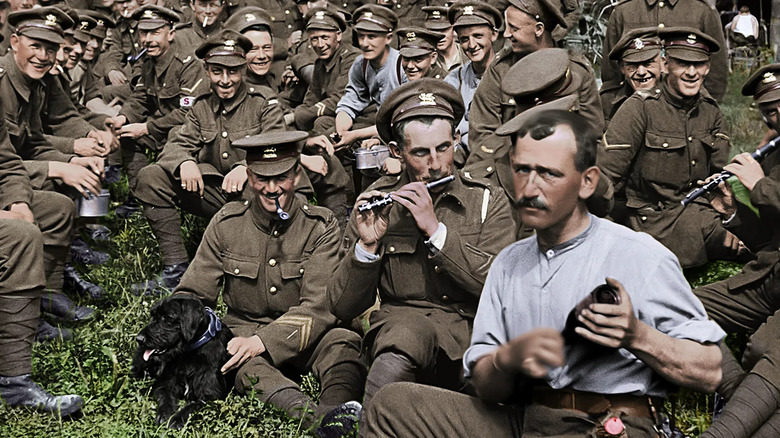
3. They Shall Not Grow Old (2018)
Peter Jackson’s restoration of World War I footage is a technological marvel that forever changed the way we view the "Great War." Utilizing cutting-edge digital restoration, colorization, and lip-reading technology to reconstruct dialogue, Jackson transformed grainy, silent ghosts into living, breathing men.
Chronology: The film takes viewers from the recruitment offices to the muddy, hellish trenches of the Western Front. The result is a haunting, intimate proximity that makes the 100-year-old conflict feel shockingly immediate, honoring the soldiers with a level of humanity previously inaccessible in historical film.
2. I Am Not Your Negro (2016)
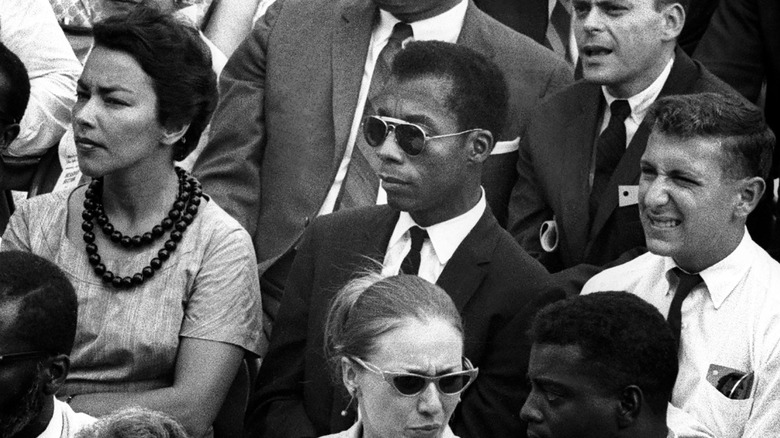
Raoul Peck’s I Am Not Your Negro is a profound cinematic essay based on James Baldwin’s unfinished manuscript, Remember This House. Through the narration of Samuel L. Jackson, the film explores the lives of Medgar Evers, Malcolm X, and Martin Luther King Jr.
Implications: The documentary is not merely a biography of the Civil Rights movement; it is a scathing, poetic interrogation of the American soul. It links the systemic racism of the 1960s directly to contemporary race relations, proving that Baldwin’s observations remain as sharp and necessary today as they were when he first penned them.
1. Life Itself (2014)
Topping our list is Steve James’s Life Itself, a documentary that manages to be both a biography of legendary critic Roger Ebert and a love letter to the power of cinema. The film covers Ebert’s rise to prominence, his complex relationship with Gene Siskel, and his final battle with the cancer that would eventually claim his voice and his life.
Official Responses: Critics and audiences alike lauded the film for its brutal honesty. Ebert himself insisted that the documentary not shy away from his struggles, and the final result is an unflinching look at a man who viewed life through the lens of the films he cherished. It is, ultimately, a profound exploration of human mortality and the enduring legacy of one’s contribution to culture.
Conclusion: The Importance of Historical Preservation
The common thread binding these ten films is the commitment to truth. Whether restoring the flickering images of a World War I soldier or capturing the quiet, painful final days of a film critic, these directors understand that history is not a static object. It is a dialogue between the past and the present.
As technology continues to advance, the ability to preserve, restore, and recontextualize our history will only grow more sophisticated. These documentaries prove that when handled with care and artistic integrity, the history of our world can be as thrilling, moving, and essential as any work of fiction. Through these films, the voices of the past are not only heard—they are amplified for generations to come.
