
Resurrecting the Night: A Comprehensive Review of Castlevania: Belmont’s Curse
Main Facts
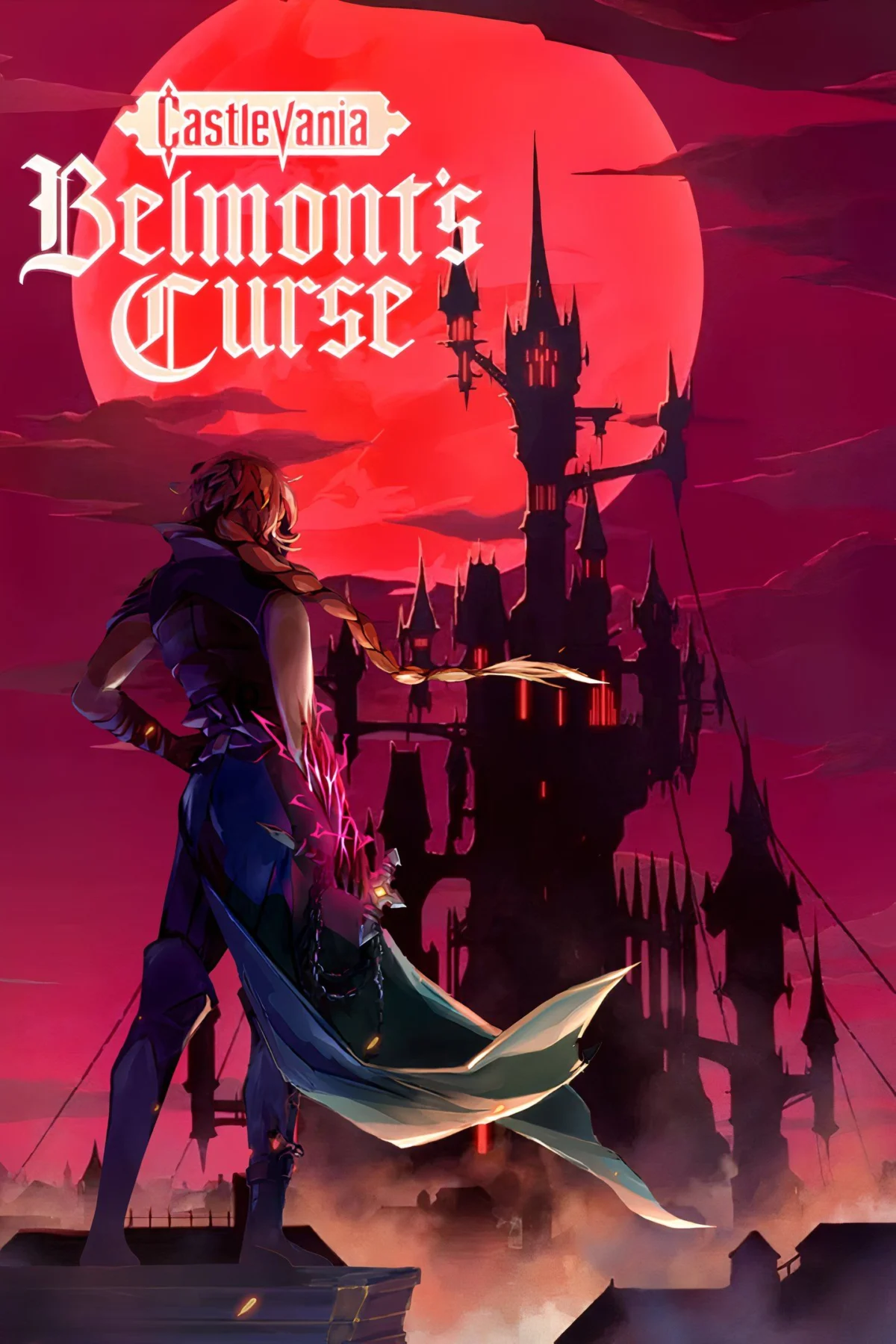
The gothic horror and action-platforming landscape welcomed a major legacy return with the October 15, 2026 launch of Castlevania: Belmont’s Curse. Developed through a collaborative partnership between Konami and Evil Empire—the studio widely acclaimed for its work on the Dead Cells: Return to Castlevania DLC—the title represents a bold attempt to modernize one of gaming’s most hallowed franchises.
Stepping away from traditional remasters or rigid arcade throwbacks, Belmont’s Curse introduces Rose Belmont, the formidable daughter of Trevor Belmont and Sypha Belnades, as its primary protagonist. The game blends the momentum-driven, fluid combat mechanics popularized by modern rogue-lites and contemporary Metroidvanias with the deliberate, gravity-weighted platforming precision characteristic of classic series entries.
Set within a visually striking 2.5D world, the title incorporates expansive exploration, an intricate tarot-based upgrade system, and reimagined weapon families. While the game has sparked debate regarding its modernized musical score and narrative pacing, critical reception highlights its exceptional combat foundation, artistic ambition, and overall playability, proving that Dracula’s realm still holds plenty of terrifying allure.
Chronology: The Long Road to Belmont’s Curse
To understand the weight of Castlevania: Belmont’s Curse, one must trace the timeline of the franchise’s modern dormancy and sporadic revivals. For years, the Castlevania series—once a cornerstone of Konami’s catalog alongside Metal Gear and Silent Hill—sat dormant in terms of mainline entries. Following the era defined by Symphony of the Night and the Nintendo DS trilogy, the series pivoted to 3D experiments and compilations, leaving a massive vacuum in the Metroidvania genre that spiritual successors like Koji Igarashi’s Bloodstained: Ritual of the Night eagerly filled.

The first major turning point in the modern revival timeline arrived with Netflix’s critically acclaimed Castlevania animated series, which successfully reignited mainstream public interest in the Belmont lineage, Dracula, and Wallachia. Capitalizing on this renewed momentum, Konami greenlit external collaborations. Evil Empire’s work on the Dead Cells: Return to Castlevania expansion served as an empirical testing ground, demonstrating that modern, fast-paced action mechanics could seamlessly merge with classic Castlevania iconography.
Following years of development under absolute secrecy, Castlevania: Belmont’s Curse was officially announced, leading up to its worldwide release on October 15, 2026. Early previews showcased a fresh aesthetic departure, setting up a high-stakes release window designed to compete directly with a market already saturated by high-tier indie Metroidvanias such as Hollow Knight: Silksong and various indie-darling platformers.
Supporting Data and Mechanical Breakdown
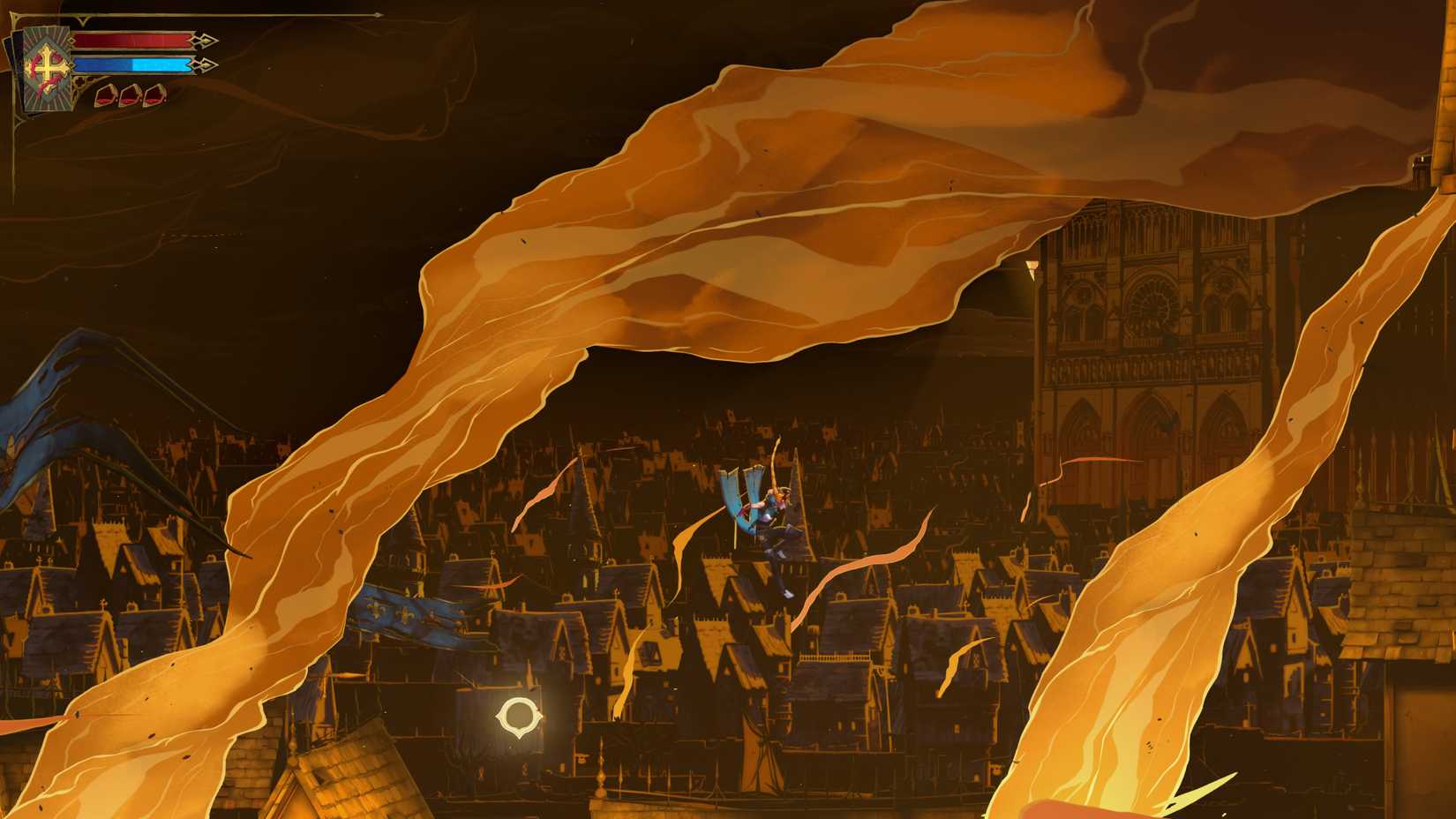
Castlevania: Belmont’s Curse succeeds largely due to a meticulously balanced mechanical toolkit. At the start of her journey, protagonist Rose Belmont features a relatively limited set of basic abilities—running, sliding, dodging, and executing standard whip strikes. However, as players venture deeper into Dracula’s domain, the map expands exponentially through classic progression gates, unlocking traversal upgrades that allow Rose to swing from grapple hooks, smash through structurally compromised barriers, and access previously unreachable areas.
Combat and Progression Metrics
- Movement Dynamics: A hybrid system combining the velocity of modern action platforms with the calculated, committed jump arcs of historical Castlevania titles.
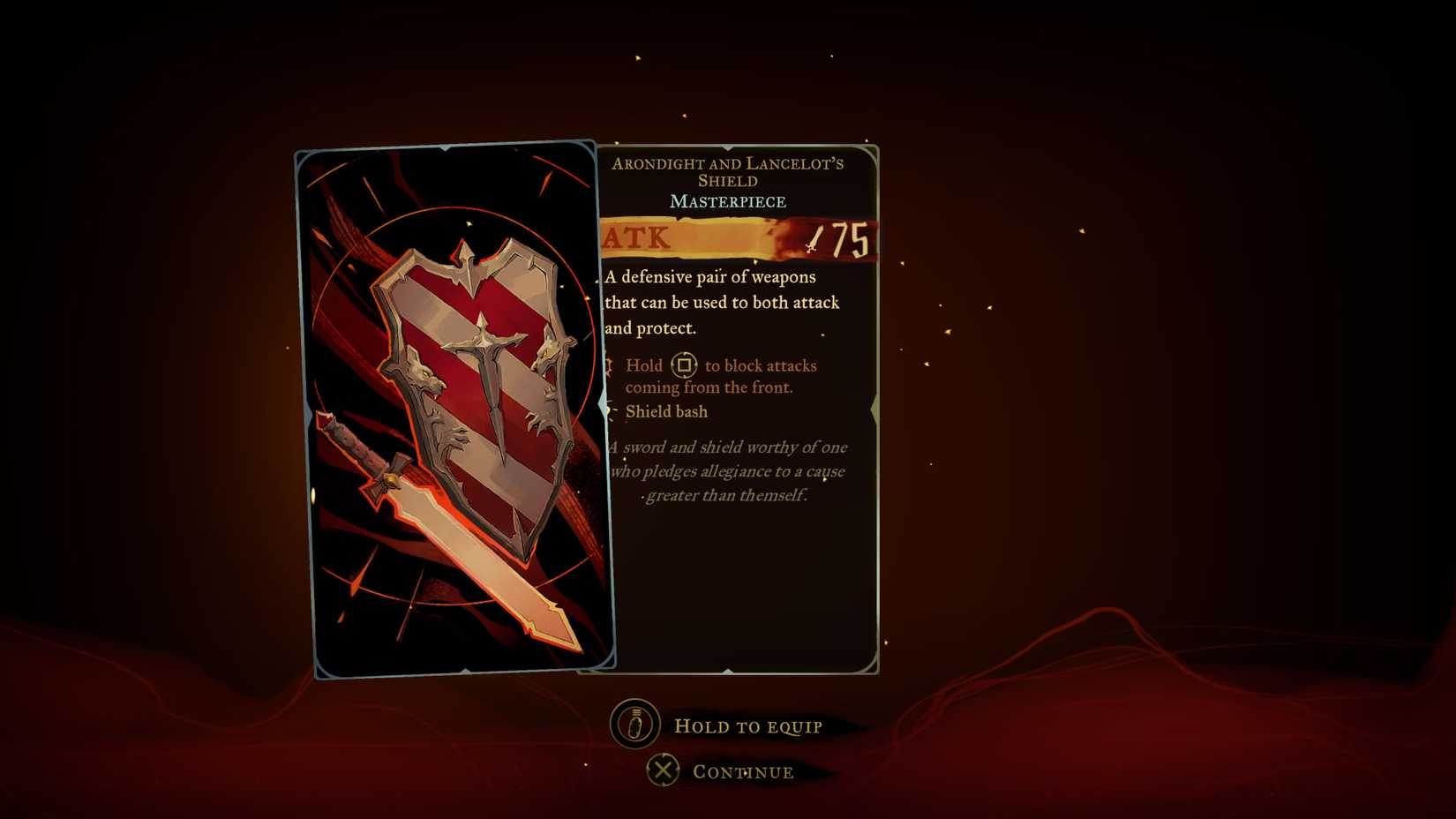
- The Tarot System: Defeating major bosses grants access to specialized power-ups, which can be further augmented by completing secondary gameplay challenges scattered throughout the castle.
- Weapon Variety: Multiple weapon families are available, each featuring distinct evolutionary paths that transition from standard tools of destruction into visually striking, high-tier legendary gear.
- Difficulty Curve: Initial encounters—particularly the first major boss—act as unforgiving skill checks, though the difficulty gracefully tapers off as players master Rose’s toolkit and accumulate stat-boosting levels.
The environmental design heavily emphasizes spatial awareness and puzzle-solving. Platforming sequences regularly demand split-second reactions, frequently incorporating mechanics such as toggling dimensional blocks to avoid environmental hazards like floor spikes. While minor frustrations can occur due to backtracking if players explore non-linear paths out of sequence, the overall design rewards thorough investigation.
Official Responses and Industry Reception
The launch of Castlevania: Belmont’s Curse has generated substantial dialogue across the gaming industry, drawing commentary from both veteran fans and contemporary developers. Konami representatives have emphasized that the partnership with Evil Empire was deliberately chosen to inject new creative blood into a historically conservative intellectual property.
“We did not want to simply copy and paste the past,” noted production leads during pre-launch developer diaries. “Konami understands that Castlevania must evolve to survive alongside modern action-platformers, while still respecting the architectural and thematic tenets that made the Belmont family legends in the first place.”
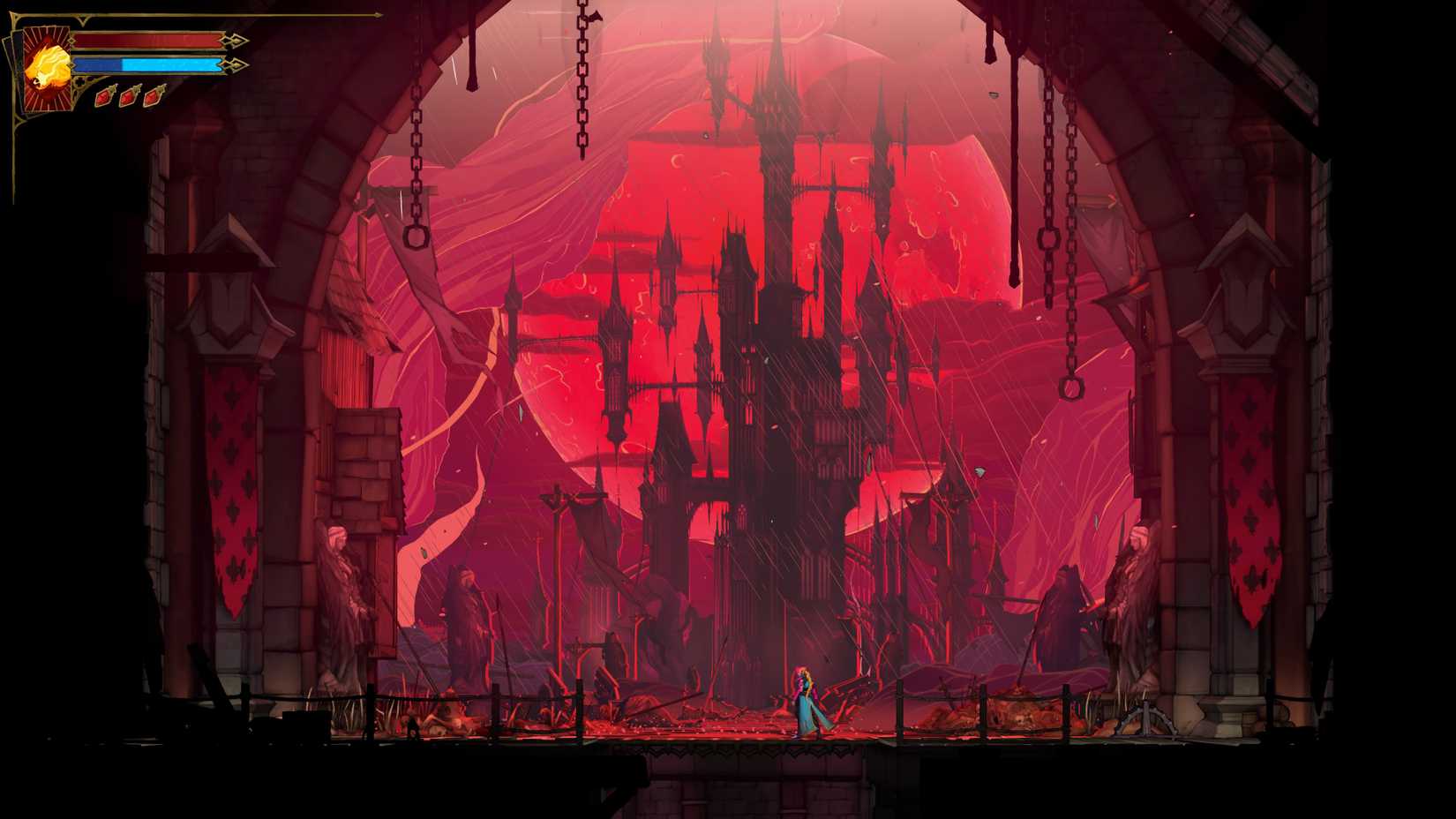
Evil Empire echoed these sentiments, highlighting the technical challenges of blending retro-hardcore platforming with fluid contemporary traversal. Reviewers across major gaming publications have largely validated this collaborative risk. Critics have universally praised the combat fluidity and the visual splendour of the 2.5D art direction.
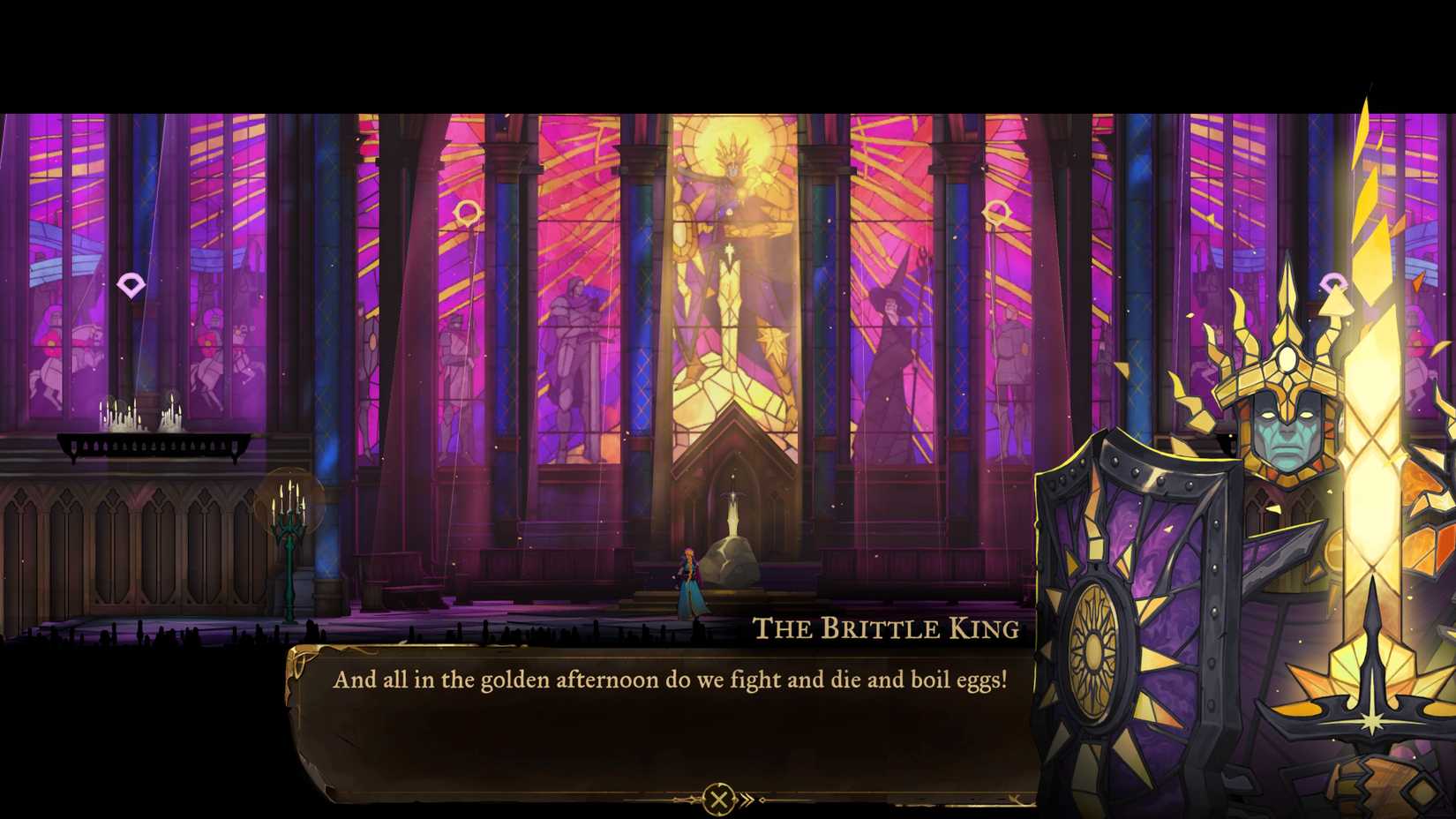
However, official and community responses have noted polarizing elements regarding the audio and narrative design. While purists expressed mild disappointment over the departure from Baroque-heavy, gothic-organ musical compositions in favor of modern, genre-blending soundscapes, the general consensus remains overwhelmingly positive: Belmont’s Curse is a triumphant, highly entertaining resurrection that successfully brings the franchise into a new era.
Implications for the Future of the Franchise
The release and subsequent reception of Castlevania: Belmont’s Curse carry profound implications for Konami’s broader strategy regarding its legacy intellectual properties. For nearly a decade, industry watchers questioned whether traditional Japanese publishers could successfully outsource their historical crown jewels to Western-adjacent or independent studios. Belmont’s Curse serves as definitive proof that such creative marriages can yield commercially viable and critically resonant masterpieces.
Narrative and Structural Outlook
- Expanding the Lore: By focusing on the descendants of classic heroes—such as Trevor and Sypha’s daughter, Rose—Konami has opened up a rich narrative sandbox capable of housing generations of untold monster-hunting history.
- Addressing Shortcomings: Critics pointed out that Rose’s characterization occasionally leaned into underdeveloped tropes. Future installments or narrative-focused expansions have a clear blueprint to deepen her personal stakes and emotional resonance.
- Genre Dominance: By successfully carving out a unique mechanical identity that sits comfortably between classic linear "Classicvania" and open-ended exploration, the series has reasserted its dominance in a genre it helped invent.
Ultimately, Castlevania: Belmont’s Curse proves that the gothic throne belongs to the Belmonts. By taking calculated creative risks—updating art directions, experimenting with musical soundscapes, and refining movement—Konami and Evil Empire have ensured that when the sun finally sets and Dracula is put back in his grave, players will be more than ready to return for the next hunt.
