
The Era of Multi-Device Synergy: Decoding Apple’s New iPhone Handoff Feature
For over a decade, the smartphone experience has been anchored by a singular, rigid constraint: one device, one SIM, one identity. While users could bridge their data across the Apple ecosystem via iCloud, the actual cellular identity of a phone remained tethered to a physical or digital eSIM within that specific piece of hardware. That paradigm officially shifted with the arrival of iOS 27 and the introduction of "iPhone Handoff," a groundbreaking feature that allows users to seamlessly tether a single mobile number to two distinct iPhones.
First teased during the WWDC 2026 keynote and later detailed during Apple’s high-profile "Surprise and Shine" event on September 9, iPhone Handoff represents a significant shift in how we manage mobile connectivity. It is a feature designed for the modern professional, the frequent traveler, and the power user who has long desired the flexibility to swap devices without the friction of migrating eSIMs or carrying multiple lines.
The Evolution of the Ecosystem: A Chronology of Integration
To understand the significance of iPhone Handoff, one must look at the historical trajectory of Apple’s "Continuity" suite. Since the introduction of Handoff for Mac and iPad in 2014, Apple has been methodically stripping away the friction between devices.
- 2014: Apple introduces "Continuity," allowing users to start an email on an iPhone and finish it on a Mac.
- 2018: The introduction of Dual SIM/eSIM support on the iPhone XR and XS series provided the first hardware-level acknowledgment that users wanted more than one cellular identity on a single device.
- 2026 (June): At WWDC 2026, Apple engineers briefly mention "Network Synergy," a low-level framework designed to share cellular authentication tokens across trusted devices.
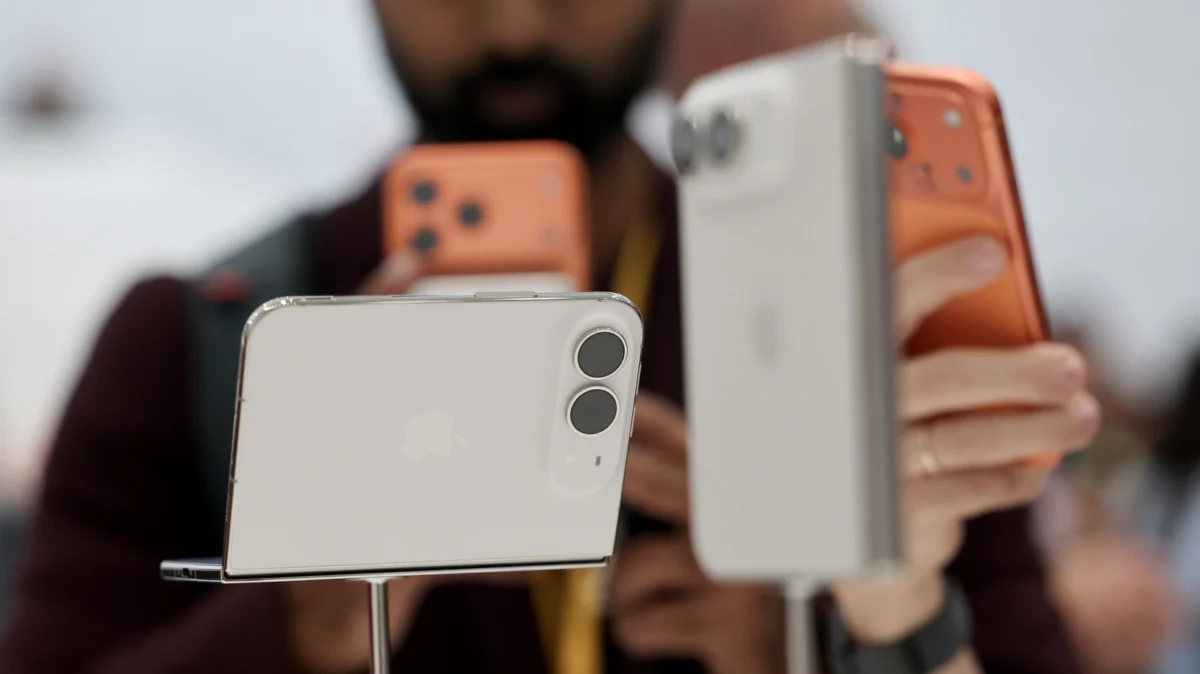
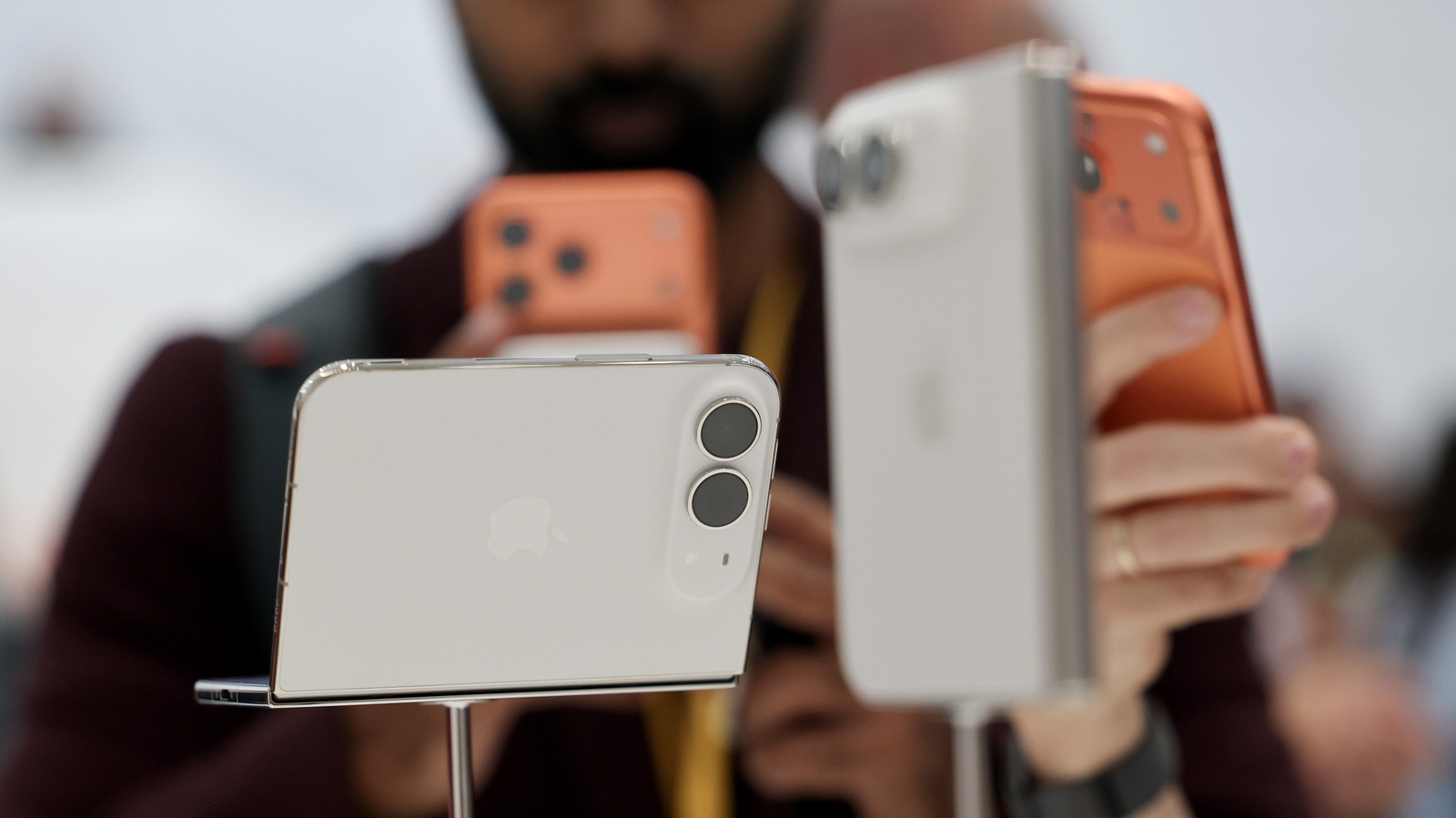
- 2026 (September): During the "Surprise and Shine" event, Apple officially unveils the iPhone Duo and the iOS 27 Handoff feature. The announcement confirms that the feature is not just for device migration, but for active, concurrent use.
This evolution marks a pivot from "device-centric" connectivity to "user-centric" connectivity. The network no longer looks for a phone; it looks for the user’s authenticated Apple Account.
Understanding the Mechanics: How It Works
At its core, iPhone Handoff is a sophisticated orchestration of iCloud authentication and carrier-side tokenization. When a user activates Handoff, the primary device—the one housing the main eSIM—acts as the anchor. Through the iOS 27 settings menu, the secondary device is "bonded" to the primary.
The Setup Process
The setup is designed to be "invisible," adhering to Apple’s minimalist design philosophy:
- System Requirements: Both devices must be running iOS 27 or later, logged into the same Apple Account, and connected to the same Wi-Fi network during initial configuration.
- Primary vs. Secondary: The primary device manages the carrier subscription. The secondary device pulls authentication data, effectively becoming an extension of the primary line.
- Activation: Once the bonding process is complete, a small, unobtrusive notification appears in the Dynamic Island of the secondary device. This indicator signals that the device is now "Live" and synced with the primary number.
What Stays and What Goes
It is important to clarify that this is not a perfect cloning of a phone. While calls, SMS, iMessage, and most iCloud-synced apps work seamlessly, there are intentional boundaries. For instance, Apple has excluded digital keys, specific Wallet-based identity cards (such as state IDs or driver’s licenses), and Apple Watch pairing from the Handoff umbrella. The Apple Watch remains tied to a specific host device, meaning users cannot currently "handoff" their cellular watch connection between the two iPhones without a manual re-pairing process.
The Carrier Landscape: Who Is On Board?
The most significant barrier to the widespread adoption of iPhone Handoff is carrier compatibility. Unlike iMessage, which operates on data, Handoff requires a deep integration with the carrier’s core network to allow for simultaneous device registration under a single mobile identification number.
Currently, the landscape is limited. In the United States, T-Mobile has emerged as the first major partner, offering the service for an additional $5 monthly fee. In Germany, Telekom has confirmed similar support. Industry analysts suggest that this limited availability is due to the complexity of the "handshake" required between Apple’s servers and the carrier’s HLR (Home Location Register).
For the user, this means that even if you own two iPhones, the feature is useless unless your carrier has updated their network protocols to recognize "Secondary Handoff Authorization."
Implications for the Professional and the Traveler
The introduction of this feature is not merely a technical curiosity; it addresses two very specific user demographics.
The "Duo" User
With the launch of the $2,000 iPhone Duo, many users are opting to keep a secondary, older, or more rugged iPhone for specific environments. A construction site or a rugged hike might be the perfect place for an iPhone 16, while the boardroom demands the sleek, high-performance capability of the iPhone Duo. Handoff allows the user to switch between these form factors without ever missing a call or needing to move a SIM card.
The Frequent Traveler
For international travelers, the ability to carry a secondary device—perhaps one with a different camera system or a different protective case—without sacrificing connectivity is a game-changer. It effectively decouples the "identity" of the user from the physical hardware in their pocket.
Official Stances and Security Concerns
Apple has maintained that security is at the forefront of the Handoff feature. Each Handoff "session" is encrypted with a unique token that rotates periodically, ensuring that if a secondary device is lost or stolen, it can be remotely de-authorized via the "Find My" network without compromising the primary device’s carrier connection.
However, the industry has raised questions regarding carrier lock-in. Because the de-authorization process requires carrier intervention—according to Apple’s support documentation—users are essentially tied to their carrier’s administrative efficiency. If a user wishes to terminate the Handoff service, they must coordinate with their provider, which could lead to friction for those who switch carriers frequently.
Looking Toward the Future
As iOS 27 matures, we can expect the list of supported carriers to grow. The "Surprise and Shine" event made it clear that Apple views this as a foundational pillar of its future ecosystem. By making the smartphone an extension of the user rather than an isolated piece of hardware, Apple is positioning itself to lead in an era where the average person owns multiple pieces of high-end, connected technology.
For now, iPhone Handoff is a luxury for the early adopter—a bridge between the devices of yesterday and the hyper-connected, fluid user experience of tomorrow. While the $5 monthly fee and limited carrier support are hurdles, the sheer convenience of a seamless transition between two iPhones is likely to make this a standard expectation for mobile users by the end of the decade. Whether you are a professional needing device flexibility or simply someone who appreciates the seamless integration of technology, iPhone Handoff is the clearest sign yet that the age of the "single-device lifestyle" is finally coming to an end.
